
6 Things to Avoid if You Have Knee Pain
Knee pain can be caused by various conditions, including sprains and strains, tendonitis, torn ligaments, and cartilage damage.

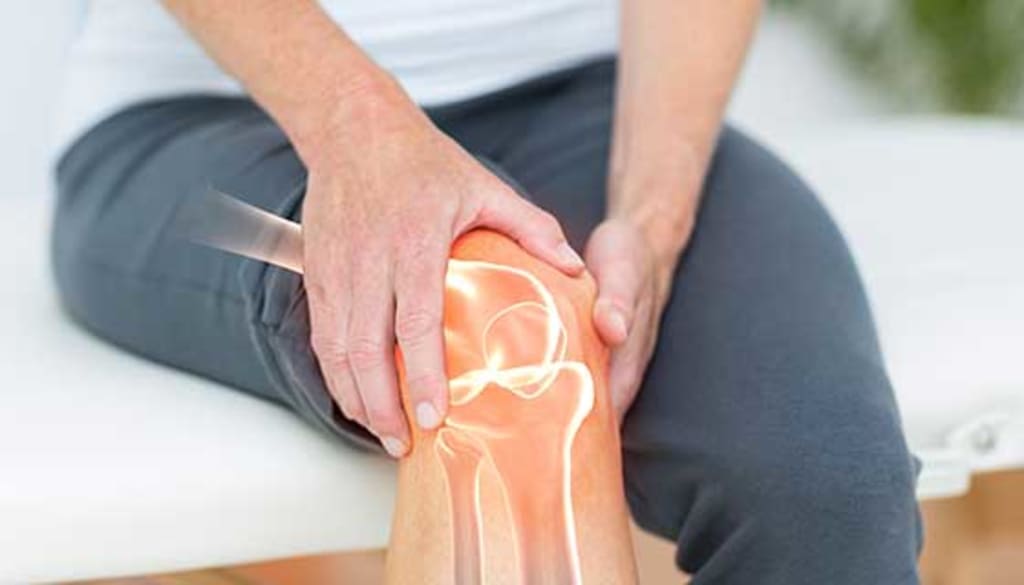
Knee pain can be caused by various conditions, including sprains and strains, tendonitis, torn ligaments, and cartilage damage.
It is critical not to self-diagnose knee discomfort and instead get medical attention from your primary care physician or a specialist. Some types of knee discomfort can be treated at home with specific exercises and pain relievers, while others may require surgery.
However, there may be activities you do that aggravate the pain in your knee or knees.
Read on to find out what you may be doing to make your knee pain worse.
1. Exercising too much, or not enough
The knee joint can endure stress many times more than our body weight. For example, when walking, the knee absorbs three times our body weight in force, whereas running absorbs six times the load.
If you have persistent knee discomfort, you should exercise to support your knee joints but avoid overdoing it.
Endless squats and lunges are the most aggravating activity for people with knee problems because they apply significant stress to the knee continually. As a result, it is preferable not to repeat these activities.
It's also a good idea to avoid high-impact exercises like running, kickboxing, and jumping that 'jar' the leg.
Walking is a great exercise for both the knees and the cardiovascular system. Other non-impact exercises, such as cycling and swimming, are beneficial to the knee and general fitness.
2. Not taking vitamin supplements to prevent or manage knee pain
Joint supplements containing active components like glucosamine and chondroitin can help protect your joints.
Glucosamine and chondroitin are found naturally in the cartilage which cushions the joints, keeping them moist and preventing the bones from painfully grinding together.
However, with time, the cartilage in our joints, especially the knee joint, can wear or be damaged, causing pain, discomfort, and mobility issues. Taking a glucosamine and chondroitin supplement can help to keep your cartilage from wearing down.
3. Sleeping in the wrong position
Our knee joints can be affected by our weight, the foods we eat, and the amount of exercise we do. However, our sleeping habits can also have an impact.
Patients with arthritis or other types of knee discomfort frequently report that lying on their side with the inside surfaces of each knee contacting creates pain that disrupts sleep. As a result, if you are experiencing continuous pain in one or both knees, you should avoid this position.
If you prefer to sleep on your side, there are specific pillows available that may be placed between your legs to keep your knees from making direct contact.
4. Wearing the wrong footwear to support the knee joint
Prolonged periods of standing or walking in particular shoes might harm the knee.
High heels, which affect the center of gravity of the legs and feet, as well as any footwear that makes the lower limbs unstable, or ill-fitting shoes, may be exacerbating your knee discomfort.
Flat, supportive, well-fitting shoes are the greatest way to prevent and manage knee pain.
5. Not taking pain relief for knee pain
Simple over-the-counter pain relievers, such as paracetamol, can be effective for knee pain. Medication is easy to reject paracetamol because we only use medication to treat occasional headaches.
However, if used regularly, this simple but powerful and completely safe pain reliever can be really good for chronic knee pain.
Nonsteroidal anti-inflammatory medicines (NSAIDs), such as over-the-counter ibuprofen (or naproxen or diclofenac on prescription), can also help manage pain and reduce inflammation and swelling.
They can be taken with paracetamol. However, if taken for an extended time, NSAIDs can harm the stomach lining, liver, and kidneys. As a result, if you believe you will require them in the long run, you should proceed with caution and see your doctor.
6. Avoiding medical advice and support
One of the most common reasons for knee discomfort to worsen is a failure to seek medical assistance promptly.
When you believe that conservative measures, such as limiting activities that aggravate your knees, maintaining your weight, taking vitamins, and utilizing pain relievers, such as an NSAID, are no longer effective in relieving your discomfort, you should seek medical counsel.
You should also seek medical attention at the pain management clinic if you have abrupt knee discomfort or have twisted or fallen on it during physical activity.
If you ever feel like your quality of life is deteriorating or you can't do the activities you enjoy because of your knee discomfort, it's time to see a doctor.
About the Creator
Amelia Grant
I am journalist, and blogger.
Keep reading
More stories from Amelia Grant and writers in Longevity and other communities.
7 Key Questions to Ask Your Gastroenterologist About Managing Crohn's Disease
Crohn's disease is a chronic condition that requires ongoing management and monitoring. It is crucial to feel comfortable and confident when discussing your condition with your gastroenterologist is vital. You are an essential member of your own care team, and your appointments should help you feel informed and assured about managing your condition.
By Amelia Grantabout a year ago in Longevity
Day 4 of Quitting
If this is how sobriety feels, maybe it’s better to go through life a little buzzed… this, along with other hits like, I want to kill myself, I wish I was dead, and I’m going to throw myself off a bridge have been the only thoughts on rotation these past few days. I promise myself that if, in a month, I still feel like this (‘this’ meaning despondent, full of rage, and simultaneously numb) I can go back to smoking. Until mid-February though? Nicotine is off the table.
By sleepy drafts28 days ago in Longevity
Dead and Wearing Green
She was wearing that green dress when I first saw her, five years ago to the day. Flowing meadow fabric draped over long legs, thick auburn hair flowing down her back. That smile. Of course, she is still beautiful now. But now she is no longer alive.
By Karen Cave7 days ago in Fiction




Comments
There are no comments for this story
Be the first to respond and start the conversation.