
9 Health Rules I Stole From People in Their 60s and 70s
None of this is trendy. All of it keeps your body working when everyone else starts falling apart.

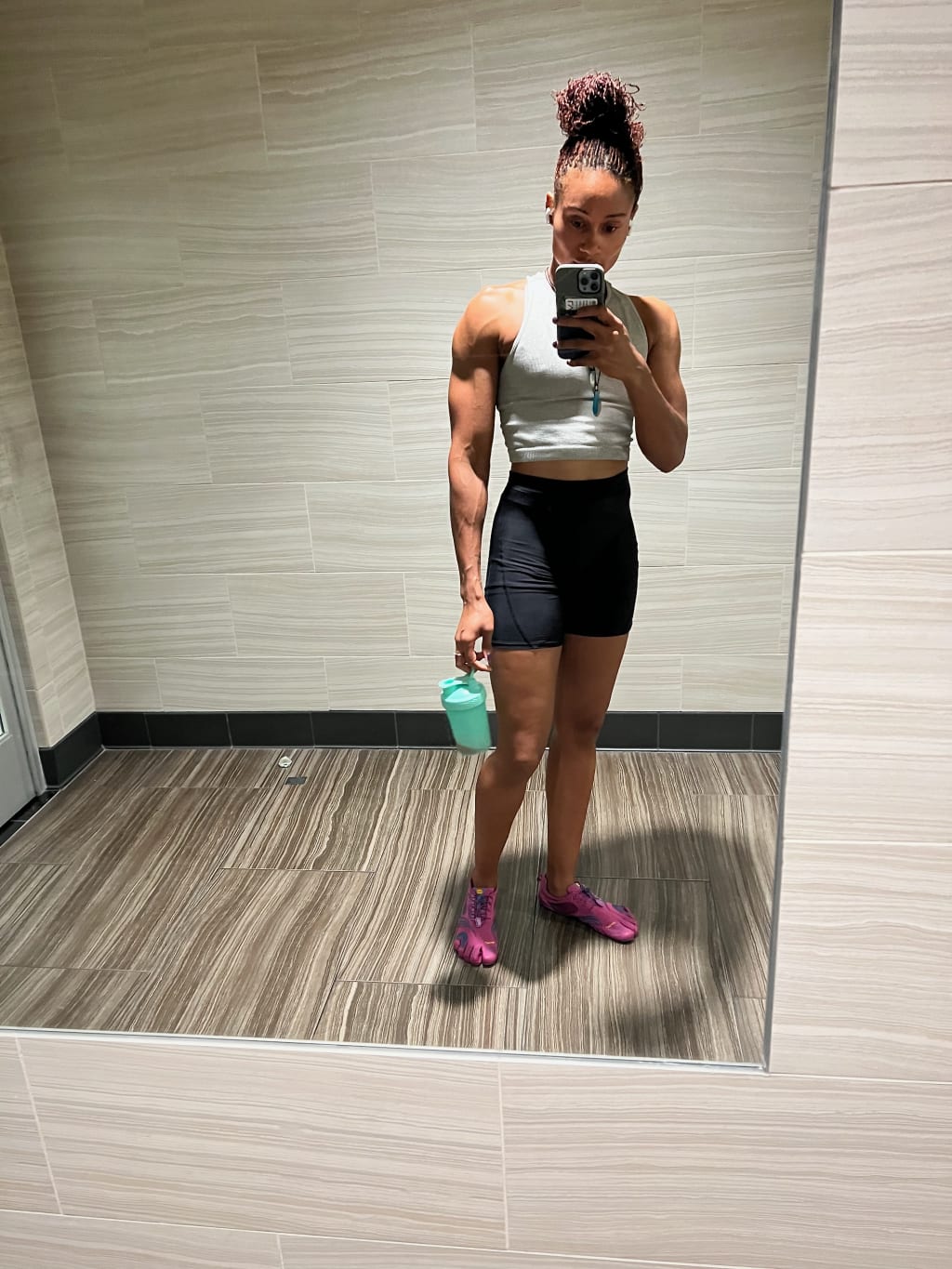
If you want real health advice, stop listening to people in their twenties. They haven't had time to be wrong yet. They haven't lived long enough for habits to compound - or for bad decisions to show up in their joints, their energy, their bloodwork, or their ability to live independently.
If you want to know what actually works, look at people in their sixties and seventies who are still functioning well. Not influencers. Not outliers doing extreme things. Just regular people who can move, think clearly, travel, and live without constant medical intervention.
Those people are the data.
And what's striking is how unimpressive their habits look from the outside.
No hacks. No optimization. No obsession.
Just rules they follow without thinking much about them.
These are the ones worth stealing.
1. They move every day - but they don't "work out" every day
Healthy older people don't frame movement as a special event.
They don't say, "I need to get a workout in." They just move.
They walk places. They stand up often. They take stairs. They garden. They clean. They carry things. They stay physically engaged with their environment.
Movement is baked into their life instead of scheduled around it.
That matters because daily movement keeps joints lubricated, circulation steady, and stiffness from setting in. It prevents the slow decay that comes from long periods of sitting - which is where a lot of modern physical decline starts.
What they don't do is push their body to exhaustion on a regular basis.
They understand something younger people don't: intensity is optional, consistency is not.
You can miss workouts and still be healthy. You can't miss movement forever and expect your body to cooperate.
2. They prioritize strength because they want independence, not aesthetics
Older people who age well care deeply about strength - but not for the reasons younger people do.
They're not trying to look lean. They're trying to stay capable.
They want to get up off the floor without help. Carry groceries without strain. Maintain balance. Avoid falls. Protect their joints. Keep their bones dense.
Strength is insurance.
Once you see strength as a way to protect your future independence, the whole conversation changes. It stops being about pushing weight and starts being about preserving function.
Most healthy older people don't lift heavy all the time. They lift enough.
Enough to maintain muscle. Enough to signal to the body that strength still matters.
They don't chase PRs. They chase capability.
3. They eat simply and repeatedly - not creatively
This surprises people.
Healthy older adults are not food adventurers.
They eat the same meals over and over. Similar breakfasts. Familiar lunches. Reliable dinners.
Protein shows up consistently. Portions are predictable. There's very little drama around food.
This isn't because they lack imagination. It's because repetition reduces decision fatigue and stabilizes the body.
Blood sugar stays more even. Digestion becomes predictable. Appetite regulates itself.
When food is boring, it stops hijacking attention.
Most people struggle with nutrition not because they don't know what to eat, but because they keep reinventing the plan. Healthy older people don't do that. They find what works and stick to it.
Reliability beats novelty every time.
4. They don't push through exhaustion just to prove something
This one is subtle, but it shows up everywhere.
Healthy older people don't glorify burnout.
If they're tired, they slow down. If something hurts, they adjust. If they need rest, they take it - without guilt.
That doesn't make them weak. It keeps them durable.
Younger people often treat exhaustion like a badge of honor. They push through fatigue, ignore warning signs, and tell themselves they'll "deal with it later."
Later always comes.
People who age well learned early that listening to the body isn't quitting - it's maintenance.
Ignoring fatigue doesn't make you tougher. It just delays the bill.
5. They protect sleep like it's non-negotiable
Healthy older people do not apologize for sleeping (you know it, too).
They don't brag about late nights. They don't wear exhaustion as an identity. They don't trade rest for productivity indefinitely.
They go to bed early. They wake up consistently. They respect their circadian rhythm even if it makes them less "fun."
And the difference shows.
Sleep regulates hormones, appetite, inflammation, cognition, and recovery. Chronic sleep deprivation accelerates aging faster than most habits people worry about.
You can exercise and eat well and still feel terrible if sleep is neglected.
Older people who are healthy know this intuitively. They don't need research to convince them.
6. They maintain social rhythm, not just social contact
Longevity isn't just physical.
Healthy older people stay socially embedded. They have routines that involve other humans - walking with a neighbor, weekly coffee, family dinners, community activities.
They don't isolate completely, even when it would be easier.
Social rhythm matters more than social intensity. It's not about constant interaction; it's about regular connection.
Isolation accelerates decline in ways that are hard to see until it's too late. Cognitive decline, depression, and physical deterioration all speed up when people withdraw completely.
People who age well don't disappear from their social world.
They stay visible.
7. They avoid extremes and aim for "good enough"
This might be the most important rule of all.
Healthy older people don't swing between obsession and neglect.
They don't crash diet, then binge. They don't train obsessively, then quit for months. They don't overhaul their entire lifestyle every January.
They aim for "good enough" most of the time.
Good enough meals. Good enough movement. Good enough sleep.
And because it's sustainable, it compounds.
Extreme approaches feel powerful in the short term. They feel like action. But they're fragile.
Moderate habits repeated for decades quietly win.
8. They treat pain as information, not an inconvenience
Healthy older people don't ignore pain - but they also don't panic about it.
They pay attention.
If something hurts, they modify how they move. They adjust posture. They slow down. They stop doing the exact thing that caused the irritation and figure out what their body is asking for.
They don't numb everything and pretend nothing's wrong. And they don't spiral into worst-case thinking either.
Pain is treated like a signal, not an enemy.
Younger people tend to do the opposite. They either push through pain to prove toughness or immediately outsource responsibility to someone else to "fix" it.
People who age well stay engaged in their own bodies. They experiment. They notice patterns. They make small changes early instead of letting minor issues turn into chronic ones.
That alone saves years of unnecessary decline.
9. They don't try to be healthy in isolation from their life
This one is subtle, but it shows up everywhere.
Healthy older people don't compartmentalize health as something separate from how they live. It's not a phase, a challenge, or a season. They choose the fit for life lifestyle.
Their environment supports their habits.
They live in places that encourage walking. They keep food they actually eat at home. They arrange their day so sleep is possible. They build routines that don't require constant willpower.
They don't rely on discipline forever.
They design their life so healthy behavior is the default.
Younger people often try to force health into lives that actively work against it - chaotic schedules, constant travel, poor sleep environments, food setups that require daily restraint.
That mismatch creates burnout.
People who age well quietly align their environment with their priorities instead of fighting themselves every day.
What this means if you're younger
You don't need to wait until you're older to adopt these rules.
But you do need to stop confusing intensity with effectiveness.
Health isn't built by punishment. It's built by tolerance - tolerance for repetition, boredom, and habits that don't impress anyone else.
The people who age well didn't do anything flashy. They just refused to stop doing the basics.
They didn't negotiate with themselves every day.
The routine that survives real life
The healthiest people don't have perfect weeks.
They have routines that don't collapse when life gets inconvenient.
They move daily.
They maintain strength.
They sleep.
They eat simply.
They stay connected.
And when something slips, they return without drama.
That's the difference.
If you want a body that still works decades from now, stop asking what's optimal.
Ask what you can repeat when you're tired, busy, stressed, or bored.
The people in their sixties and seventies who are still thriving already answered that question.
Always seek wisdom
Whenever I'm in the gym, I stay aware and inquisitive. I ask questions to older folks and younger folks to learn what's working and what's not working. If you're never an expert, you will constantly grow.
Get my free fit for life starter guide
-
This content is for informational and educational purposes only and is not medical, fitness, or professional advice. Always consult with a qualified healthcare provider or certified fitness professional before starting any new exercise or training program, especially if you have pre-existing health conditions or injuries.
About the Creator
Destiny S. Harris
Writing since 11. Investing and Lifting since 14.
destinyh.com
Keep reading
More stories from Destiny S. Harris and writers in Longevity and other communities.
The Missing Link in Stable Walking: Why Dynamic Stability Matters More Than Strength
When people start noticing changes in their walking, they often assume the problem is muscle weakness or aging joints. While strength plays a role, a lesser-known factor called dynamic stability is usually at the center of the issue. Dynamic stability refers to the body’s ability to stay balanced while in motion — adjusting to shifts in weight, changes in direction and uneven ground.
By AhmedFitLife2 days ago in Longevity
The Pride Flag and the Diversion
For nearly a decade, the LGBTQIA Pride Flag rippled in the wind at Christopher Park, a kaleidoscope of color staked into the soil of America’s first national monument to LGBTQIA+ liberation. That flag came down this week. Federal officials, citing new guidance from the Trump Administration, silently lowered the rainbow flag from its pole across the street from the Stonewall Inn. The birthplace of the modern gay rights movement now flies only the United States flag.
By Tim Carmichael3 days ago in Pride




Comments
There are no comments for this story
Be the first to respond and start the conversation.