
Becoming a Yoga Teacher
Essential Steps to Starting Your Yoga Teaching Path
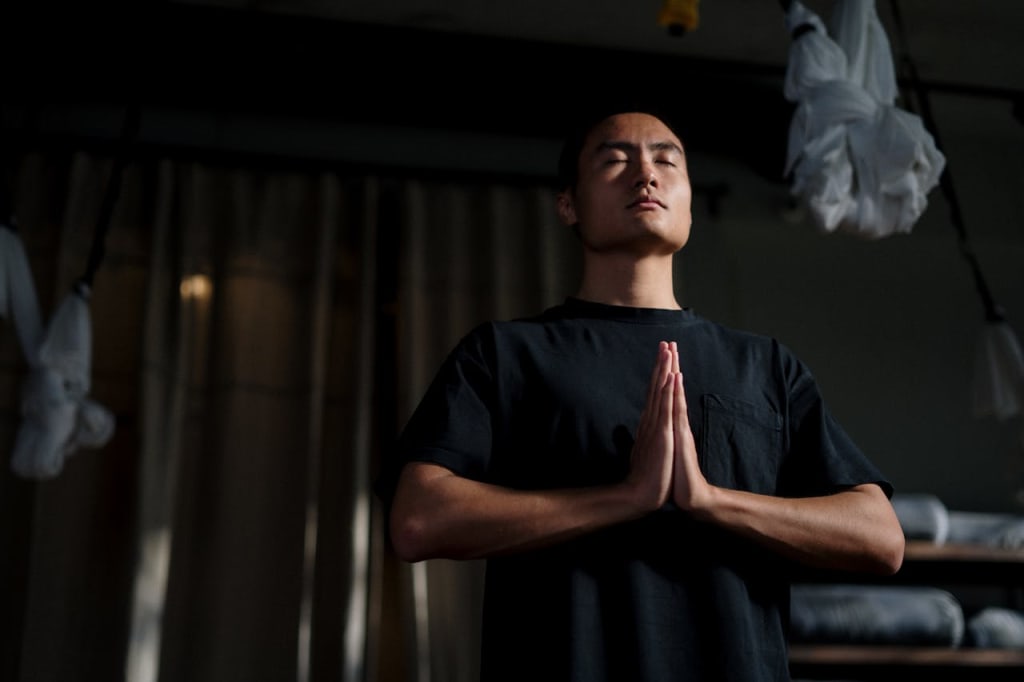
Have you ever wondered what it takes to become a yoga teacher? Is it just about mastering poses or is there something deeper to the practice that you can share with others?
As yoga guru B.K.S. Iyengar once said, "Yoga does not just change the way we see things, it transforms the person who sees."
For those who feel drawn to this transformative journey, teaching yoga can be a powerful way to deepen your own practice and help others find peace, balance, and strength. But where do you begin, and what steps are necessary to guide you on your path to becoming a teacher?
This article explores the essential steps you’ll need to take to become a yoga teacher and begin your teaching career with confidence.
1. Commit to Your Own Practice
Before considering teaching others, it's vital to have a strong foundation in yoga yourself. This means dedicating time to your own practice and building both your physical skills and your mental understanding of yoga principles. A consistent practice allows you to experience firsthand the benefits and challenges of yoga, which will help you in guiding future students.
A deep connection to your practice is key to teaching with authenticity. Yoga is not just about perfecting postures; it’s about cultivating mindfulness, self-awareness, and compassion, all of which you’ll need to pass on to your students. Consider attending regular classes with different teachers, as this will expand your knowledge of various styles and approaches to teaching.
2. Choose a Yoga Style and Focus
Yoga is diverse, and there are many different styles—Hatha, Vinyasa, Ashtanga, Iyengar, Kundalini, and Restorative, to name just a few. As an aspiring teacher, it’s important to find a style that resonates with you. You’ll want to choose a style that feels authentic to your own body, mindset, and lifestyle.
While it's great to explore various styles, narrowing your focus will allow you to develop expertise in one particular area. For example, if you’re drawn to the fluid, breath-centered movements of Vinyasa, you might choose to focus your teaching on that style. Alternatively, if you find joy in alignment and precision, a deeper dive into Iyengar could be more suitable. Your personal style will shine through in your classes and attract students who share your interests.
3. Complete a Yoga Teacher Training
A Yoga Teacher Training program is essential for anyone looking to teach yoga. These programs are designed to provide the knowledge, skills, and techniques needed to safely and effectively lead students in yoga classes. During your training, you’ll study anatomy, physiology, yoga philosophy, meditation, alignment, sequencing, and hands-on adjustments. You’ll also deepen your practice, develop teaching methods, and gain practical teaching experience through practice teaching sessions. Make sure to choose a program that is accredited by a reputable organization such as Yoga Alliance, which ensures that you meet industry standards.
4. Gain Experience and Confidence

After completing your teacher training, it’s time to start teaching. Gaining hands-on experience is crucial for developing your teaching voice and gaining confidence in the classroom. Consider offering free or low-cost classes to friends, family, or local community centers to practice your skills. This not only gives you teaching experience but also helps you refine your class structure, adjust your teaching methods, and understand what works best for students.
In the beginning, it’s normal to feel nervous or unsure. But with time, teaching yoga will become more intuitive. You’ll learn how to read your students’ bodies, offer adjustments, and create a supportive environment that encourages growth and self-awareness. Practice teaching in different environments, including studios, gyms, or even outdoor spaces, to see how different settings impact your teaching.
5. Build Your Teaching Philosophy
As a yoga teacher, developing your own teaching philosophy is essential. This is the foundation of your classes and the energy you bring to the mat. Your philosophy will influence the language you use, the way you guide students, and the way you structure your classes. Are you focused on mindfulness? Strength and flexibility? Or do you incorporate spiritual teachings? Your philosophy will help you find your niche and attract students who resonate with your approach.
Take time to reflect on your own experiences with yoga, what has inspired you, and the teachings you want to pass on. A clear philosophy not only helps you maintain consistency in your teaching but also sets the tone for the kind of teacher you want to become.
6. Stay Committed to Ongoing Learning
Yoga is a lifelong journey, and as a teacher, your own growth never stops. To continue improving as an instructor, it’s essential to keep learning. This may involve attending advanced teacher trainings, workshops, or conferences to deepen your knowledge and skills. Exploring other related fields such as anatomy, meditation, or mindfulness can enhance your practice and make you a more well-rounded teacher.
Building relationships with fellow teachers and students also plays a key role in your development. Surrounding yourself with like-minded individuals helps you stay inspired, exchange ideas, and continue to grow within the yoga community.
Conclusion
Becoming a yoga teacher is a deeply rewarding path that requires dedication, practice, and a willingness to share the transformative power of yoga with others. By committing to your own practice, choosing a yoga style that resonates with you, completing a thorough teacher training program, gaining experience, developing a teaching philosophy, and remaining open to ongoing learning, you’ll be well on your way to becoming a confident and effective yoga teacher. Whether you are teaching full-time or as a part-time passion, the impact you have on your students’ lives can be truly transformative.
About the Creator
Keep reading
More stories from Brigitte Evans and writers in Longevity and other communities.
Self-Growth Through Yoga
Self-growth is a lifelong journey that allows individuals to discover their true potential, build resilience, and foster a deeper connection with themselves. One of the most profound ways to embark on this journey is through yoga. More than just a physical exercise, yoga blends movement, mindfulness, and breathing techniques that promote overall well-being. Practising yoga consistently can unlock inner strength, clarity, and self-awareness, making it a powerful tool for personal transformation.
By Brigitte Evans11 months ago in Longevity
Day 4 of Quitting
If this is how sobriety feels, maybe it’s better to go through life a little buzzed… this, along with other hits like, I want to kill myself, I wish I was dead, and I’m going to throw myself off a bridge have been the only thoughts on rotation these past few days. I promise myself that if, in a month, I still feel like this (‘this’ meaning despondent, full of rage, and simultaneously numb) I can go back to smoking. Until mid-February though? Nicotine is off the table.
By sleepy drafts30 days ago in Longevity
United States Positron Emission Tomography Market Size and Forecast (2026–2034)
Introduction The United States Positron Emission Tomography (PET) market is undergoing steady and transformative growth as healthcare providers increasingly prioritize early disease detection, precision diagnostics, and personalized treatment strategies. According to Renub Research, the U.S. PET market is expected to grow from US$ 330.83 million in 2025 to US$ 467.22 million by 2034, expanding at a compound annual growth rate (CAGR) of 3.91% between 2026 and 2034.
By Sakshi Sharma4 days ago in Longevity
Trouble at the Tea Leafing Café
The rain had started right around the time that Annie was buttering her second thick slice of homemade toast for breakfast, and hadn’t paused since. Not that anyone could tell. The windows of the café were fogged over, and with every seat filled with happy customers munching on fresh baked pastries or steaming bowls of the delicious soup of the day, it was hardly surprising. Annie looked around the room, finally taking a moment to breathe after the lunch time rush. Her old life already felt like a bad memory, a part of her history, always, but just that. History.
By Hannah Moore6 days ago in Fiction



Comments (1)
"Stay Committed to Ongoing Learning" - my favorite line on this story 🥰 I agree, as a yoga teacher, we keep on practicing, learning and growing. As you said, an "ongoing learning". Thanks for sharing your journey 🥰