
Complete Guide to Kratom Goat: Uses, Benefits, Risks, and Safety Information
Discover the complete guide to Kratom Goat, including its uses, potential benefits, risks, and safety information. Learn everything you need to know for informed and responsible use.

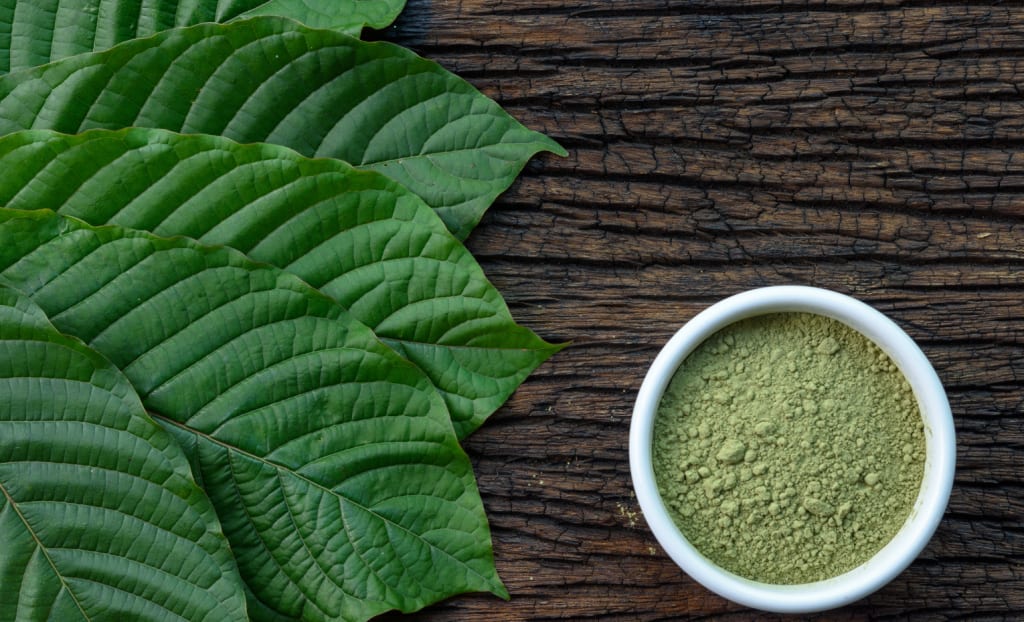
Kratom is a natural plant that has gained significant attention worldwide for its traditional uses and potential wellness applications. Known scientifically as Mitragyna speciosa, kratom is a tropical tree native to Southeast Asia, particularly countries like Thailand, Indonesia, Malaysia, and Papua New Guinea. Its leaves have been used for centuries in traditional practices and are now widely discussed in modern health and wellness communities.
This guide provides general information about kratom, including what it is, how it works, its potential uses, and important safety considerations.
What Is Kratom?
Kratom is a tropical evergreen tree belonging to the coffee family (Rubiaceae). The leaves of the kratom tree contain natural compounds called alkaloids, primarily mitragynine and 7-hydroxymitragynine, which interact with receptors in the brain.
Traditionally, kratom leaves were chewed or brewed into tea by local communities. Today, kratom is commonly available in several forms, including:
Powder
Capsules
Tablets
Extracts
Tea blends
The effects of kratom can vary depending on the amount used, individual body chemistry, and the specific strain.
How Kratom Works
Kratom contains active compounds that interact with receptors in the brain and nervous system. These interactions may produce a range of effects, including stimulating or calming sensations, depending on the dose.
Generally:
Lower amounts may produce stimulating effects
Higher amounts may produce calming or sedative effects
However, responses can vary significantly between individuals.
Traditional and Modern Uses of Kratom
Historically, kratom has been used in Southeast Asia for various traditional purposes. In modern times, people discuss kratom in the context of general wellness and lifestyle support.
Some commonly discussed uses include:
1. Energy and Focus Support
Some individuals report feeling more alert and focused after consuming kratom in small amounts.
2. Relaxation and Calmness
Certain kratom varieties are associated with calming effects that may promote relaxation.
3. Mood Support
Some users report improved mood and emotional balance.
4. Traditional Herbal Practices
Kratom has long been used in traditional herbal preparations in Southeast Asian cultures.
It is important to note that research on kratom is still ongoing, and scientific conclusions about its effectiveness and safety are still developing.
Types of Kratom Strains
Kratom is often categorized based on the color of the leaf veins. The three main types include:
1. Red Vein Kratom
Often associated with calming properties
Commonly discussed for relaxation support
2. Green Vein Kratom
Considered balanced between stimulation and relaxation
Often associated with moderate effects
3. White Vein Kratom
Commonly associated with stimulating and energizing effects
Often discussed in relation to focus and alertness
Each strain may produce different effects depending on the individual.
Potential Benefits of Kratom
While scientific research is still limited, some commonly reported potential benefits include:
Increased energy and alertness
Improved focus and concentration
Relaxation support
Mood enhancement
General wellness support
However, these effects are based largely on anecdotal reports, and more scientific research is needed.
Risks and Side Effects
Like any substance, kratom may have potential risks and side effects, especially if used improperly or excessively.
Some possible side effects include:
Nausea
Dry mouth
Dizziness
Constipation
Loss of appetite
Drowsiness
In some cases, excessive or prolonged use may lead to dependence or other health concerns.
It is important to use caution and consult a qualified healthcare professional before using kratom.
Safety Considerations
If someone is considering kratom, general safety guidelines include:
Understanding the source and quality
Avoiding excessive use
Being aware of personal health conditions
Consulting a healthcare professional
Avoiding mixing with other substances
Proper awareness and responsible decision-making are essential.
Legal Status of Kratom
The legal status of kratom varies from country to country and even between regions within the same country. Some countries allow it, while others have restricted or banned it.
Anyone interested in kratom should check local laws and regulations before considering it.
Scientific Research and Ongoing Studies
Kratom is currently being studied by researchers to better understand its properties, effects, and safety profile. While traditional use spans centuries, modern clinical research is still developing.
Researchers are exploring:
Chemical composition
Potential health effects
Safety profile
Long-term impact
More research is needed to provide clear scientific conclusions.
Conclusion
Kratom is a tropical plant with a long history of traditional use and growing global interest. It contains natural compounds that interact with the brain and nervous system, producing a range of effects that may vary depending on the individual and the amount used.
While some people discuss kratom in the context of energy, relaxation, and wellness, it is important to approach it with caution and awareness. Understanding its potential risks, safety considerations, and legal status is essential.
As with any herbal substance, informed decisions and professional guidance are important to ensure safety and well-being.
About the Creator
Mega players
Entrepreneurs are the visionaries of the modern era—risk-takers, innovators, and disruptors who turn bold ideas into reality.
Keep reading
More stories from Mega players and writers in Longevity and other communities.
Complete Guide to Gleglow Contact Lenses: Types, Benefits, and Care Tips
Contact lenses have become a popular alternative to eyeglasses for millions of people worldwide. They offer clear vision, comfort, and convenience without affecting your appearance. Whether you need vision correction or simply want a more flexible option than glasses, contact lenses can be an excellent solution.
By Mega playersabout 10 hours ago in Longevity
Half the Battle is in the Kitchen: How to Double Your Results with Smart Nutrition
You’ve cleared a space in your living room, unrolled the mat, and finally stayed consistent with your home workout routine. That is a massive win. But after a few weeks, a common frustration often kicks in: “Why am I not seeing the results I expected?”
By Salim Riahi3 days ago in Longevity




Comments
There are no comments for this story
Be the first to respond and start the conversation.