
Diabetes Control
Proven Tips and Natural Remedies to Manage Blood Sugar Levels Effectively

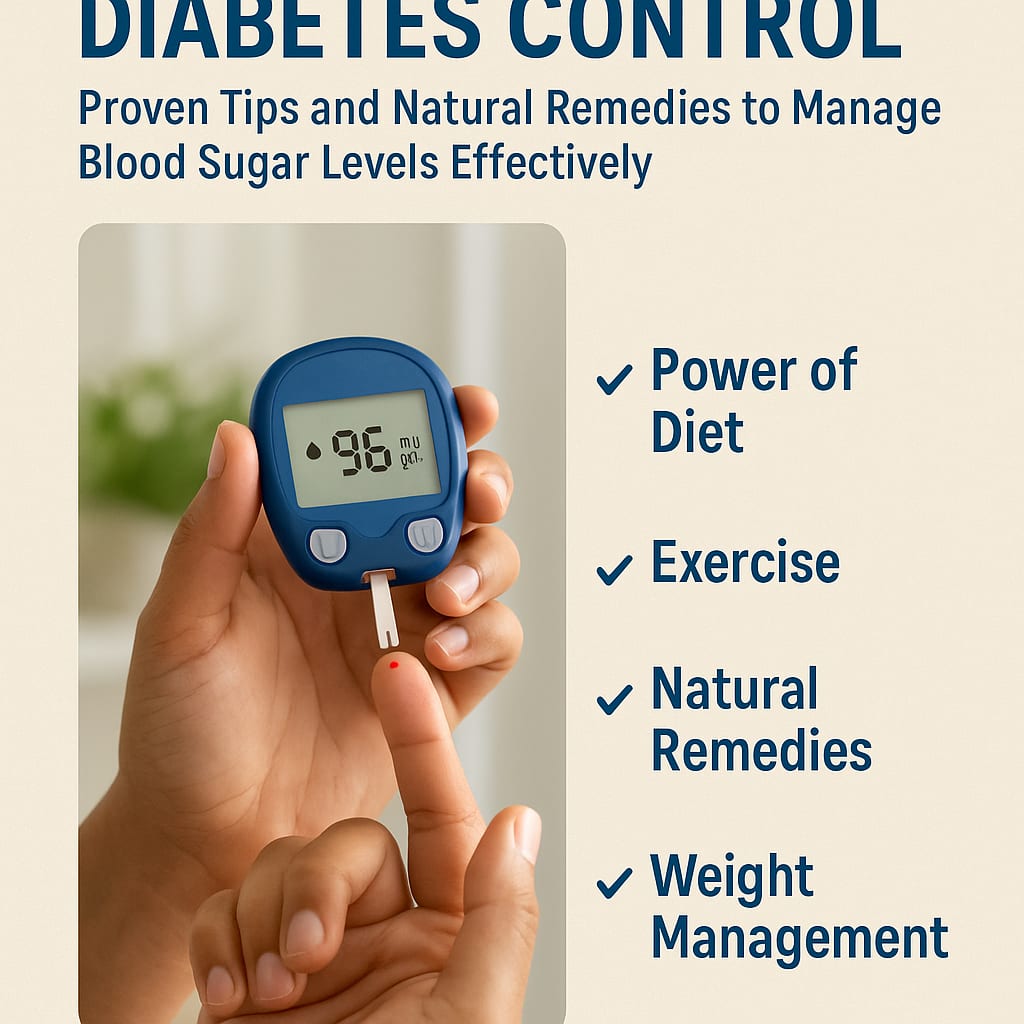
Diabetes, a chronic health condition that affects millions worldwide, is no longer just a concern of the elderly. With lifestyle changes, sedentary habits, and poor dietary patterns, it’s becoming increasingly common in younger generations. But the good news is that diabetes can be managed, controlled, and even prevented with the right approach. Understanding how to control diabetes naturally and medically is essential for a healthy, long life.
Managing diabetes isn’t about giving up everything you love; it’s about making informed choices. By adopting proven strategies and understanding what causes sugar spikes, you can maintain stable glucose levels and live a vibrant life. Whether you're pre-diabetic or have had diabetes for years, this guide will walk you through sustainable ways to take control of your health.
Understanding Diabetes: Causes and Types
There are primarily three types of diabetes—Type 1, Type 2, and Gestational Diabetes. Type 1 is usually genetic, where the pancreas produces little or no insulin. Type 2 is more lifestyle-related and often preventable or manageable with healthier habits. Gestational diabetes occurs during pregnancy and usually goes away after childbirth but can increase the risk of developing Type 2 later in life.
High blood sugar, or hyperglycemia, is the root issue in all types of diabetes. This happens when your body doesn’t produce enough insulin or becomes resistant to its effects. Understanding the underlying cause is the first step in learning how to control diabetes effectively.
Power of Diet in Controlling Diabetes Naturally
A well-balanced, low-glycemic diet is a cornerstone of diabetes control. Avoiding sugary drinks, refined carbs, and processed foods helps maintain stable blood sugar. Incorporate more whole grains, lean proteins, and fiber-rich foods to slow glucose absorption into your bloodstream.
Foods like oats, barley, green leafy vegetables, and legumes are excellent choices for diabetics. Fruits like berries, apples, and pears provide natural sweetness without spiking sugar levels. Portion control and meal timing also play a significant role in glucose management. Eating at consistent times each day helps your body regulate insulin more efficiently.
Exercise: The Natural Insulin Booster
Regular physical activity is one of the most effective ways to control diabetes without medication. Exercise increases insulin sensitivity, meaning your cells use glucose more effectively. A 30-minute daily walk, cycling, or swimming can dramatically lower your blood sugar.
Strength training also helps by increasing muscle mass, which in turn uses more glucose. Even light activities like yoga or stretching can improve circulation and reduce inflammation, which often accompanies diabetes. Just be sure to monitor your blood sugar before and after exercise to prevent hypoglycemia.
The Role of Hydration and Sleep
Many overlook the importance of water in diabetes control. Dehydration can lead to higher blood sugar levels because your body produces stress hormones like cortisol, which increase glucose. Aim for at least 8-10 glasses of water a day and avoid sugary or artificially sweetened beverages.
Sleep also plays a major role. Poor sleep disrupts insulin sensitivity and leads to late-night cravings that can spike blood sugar. Aim for 7-8 hours of restful sleep every night. Maintaining a consistent sleep schedule and creating a calming bedtime routine can support your overall diabetic health.
Stress Management and Its Impact on Blood Sugar
Chronic stress causes the body to release hormones like adrenaline and cortisol, which can increase blood sugar levels. Learning how to manage stress is crucial for controlling diabetes. Meditation, deep breathing, mindfulness, and hobbies are effective tools to lower stress naturally.
Spending time with loved ones, going for nature walks, or engaging in creative activities can significantly reduce anxiety and improve your emotional well-being. Avoid overcommitting yourself and set realistic goals to reduce pressure from daily responsibilities.
Monitoring Blood Sugar: Track to Improve
Regularly checking your blood sugar gives you the insight needed to make better choices. It helps you understand how your body reacts to certain foods, activities, or stress levels. Modern glucose monitors are affordable and easy to use, giving you real-time results.
Keep a journal of your readings, noting down meals, activities, and stress levels to see patterns. This information can help your doctor make necessary changes to your treatment plan. Remember, knowledge is power—especially when learning how to control diabetes effectively.
Medication and Insulin: When Necessary
For some people, lifestyle changes may not be enough. If your doctor prescribes medication or insulin, it’s vital to take it exactly as directed. Never skip doses or adjust your medication without consulting a healthcare provider.
Oral medications like Metformin help your body use insulin better, while others may reduce sugar production in the liver. Insulin injections are often required in Type 1 diabetes or severe cases of Type 2. Always store insulin properly and learn how to inject it correctly to avoid complications.
The Power of Natural Remedies
Some herbal remedies have been shown to lower blood sugar levels. Bitter melon, fenugreek seeds, cinnamon, and aloe vera are natural supplements often used in traditional medicine. While they’re not a replacement for medication, they can support your overall diabetic health when used responsibly.
Always consult with your doctor before starting any natural remedy, especially if you’re on medication. The wrong combination can lead to dangerously low blood sugar levels or interact negatively with prescription drugs.
Diabetes and Weight Management
Excess weight, especially around the abdomen, can worsen insulin resistance. Losing even 5-10% of your body weight can significantly improve your blood sugar levels. Avoid crash diets or skipping meals, which can do more harm than good.
Choose sustainable methods like reducing sugar intake, avoiding snacking after dinner, and adding more fiber to your meals. Intermittent fasting is another method gaining popularity but must be approached carefully, especially if you are on medication or insulin.
Avoiding Complications: Eye, Kidney, and Nerve Health
Uncontrolled diabetes can lead to serious complications like retinopathy, neuropathy, and kidney disease. Regular eye exams, kidney function tests, and foot checks are essential to prevent long-term damage. Early detection can save your vision, limbs, and life.
Keep your cholesterol and blood pressure in check, as these can further increase your risk. Lifestyle changes not only help manage blood sugar but also protect your heart, eyes, and kidneys in the long run.
Creating a Personalized Diabetes Control Plan
No two people experience diabetes the same way. What works for one might not work for another. Your age, lifestyle, weight, medical history, and preferences all influence your management plan. Work closely with your doctor, nutritionist, and fitness expert to design a plan that suits your needs.
Set realistic goals, track your progress, and celebrate small victories. Whether it’s lowering your A1C by a few points or walking an extra mile daily, every step matters. Your mindset is just as important as your medication.
Support Systems and Diabetes Communities
Managing diabetes can be overwhelming if you’re doing it alone. Join online or local diabetes support groups to share experiences, tips, and motivation. Having a strong support system can make a world of difference, especially when you're feeling discouraged or tired.
Talking to others who face the same challenges can bring new insights and remind you that you're not alone. Family involvement is also crucial—educate them about your condition so they can help you stay on track.
Technology and Diabetes: A Game Changer
Wearable devices, continuous glucose monitors (CGMs), and smartphone apps are transforming how we manage diabetes. These tools provide real-time feedback and can send alerts when sugar levels are too high or low. Some even track your food intake, exercise, and medication schedules.
Embracing these technologies can simplify your life and give you better control over your condition. Make use of digital tools to keep yourself informed and engaged in your health journey.
Final Thoughts: It’s About Control, Not Cure
While diabetes may not have a permanent cure yet, controlling it is entirely possible with the right mindset and lifestyle. Remember, every small habit matters—from the food you eat to the thoughts you think. Understanding your body, learning how it reacts to various factors, and consistently making healthier choices can help you lead a full and active life.
The key is consistency. Don’t get discouraged by occasional setbacks. Use them as stepping stones to learn and improve. Your journey to control diabetes isn’t a sprint—it’s a lifelong marathon, and you have the power to win.
About the Creator
Lana Rosee
🎤 Passionate storyteller & voice of raw emotion. From thoughts to tales, I bring words to life. 💫
Love my content? Hit Subscribe & support the journey! ❤️✨
Keep reading
More stories from Lana Rosee and writers in Longevity and other communities.
How I Lost 60 Pounds Without Giving Up Pizza
Losing weight can feel like a war between cravings and discipline, especially when your love for pizza runs deep. But what if I told you that I managed to shed 60 pounds without saying goodbye to that cheesy, doughy slice of happiness? It might sound like a dream, but it’s my reality. This isn’t a fad diet success story or a story of deprivation. It’s a journey of balance, education, and lifestyle shifts that honored my love for food while prioritizing my health.
By Lana Rosee7 months ago in Longevity
Day 4 of Quitting
If this is how sobriety feels, maybe it’s better to go through life a little buzzed… this, along with other hits like, I want to kill myself, I wish I was dead, and I’m going to throw myself off a bridge have been the only thoughts on rotation these past few days. I promise myself that if, in a month, I still feel like this (‘this’ meaning despondent, full of rage, and simultaneously numb) I can go back to smoking. Until mid-February though? Nicotine is off the table.
By sleepy draftsabout a month ago in Longevity
What Does “Brain Tiredness” Actually Mean?
Introduction You go to bed on time. You sleep for eight hours or more. Yet when you wake up, your brain feels slow, heavy, and exhausted. Concentrating feels hard. Simple tasks feel overwhelming. This confusing feeling makes many people wonder: If I slept enough, why does my brain still feel tired?
By Adil Ali Khan2 days ago in Longevity




Comments
There are no comments for this story
Be the first to respond and start the conversation.