
Enhancing Stability and Functional Movement at Home: Gentle Exercises to Improve Body Alignment
How home-based exercises can strengthen balance, coordination, and confidence for daily tasks

Everyday life presents subtle challenges that test our balance. Whether it’s reaching for a high shelf, bending to pick up an object, or navigating around furniture, even small moments of instability can trigger hesitation. Over time, these repeated wobbles can create anxiety and a fear of falling, limiting mobility and reducing confidence in daily routines.
While many people assume that improving balance requires strength training or high-intensity workouts, true stability is more than just muscles. It depends on the brain, the nervous system, posture, and awareness of movement. By focusing on stability exercises, functional movement, and proper body alignment, anyone can safely strengthen coordination, build confidence, and move more efficiently throughout the day.
Why Body Alignment Matters for Balance
Balance challenges are often caused not only by weak muscles but also by misalignment. Body alignment ensures that weight is distributed evenly across the joints, the core is engaged, and the muscles respond efficiently to movement. Without proper alignment, even simple tasks like reaching, bending, or walking can feel wobbly or unsafe.
Proper alignment also supports functional movement — exercises that mimic real-life actions, making improvements directly applicable to daily tasks. Functional training ensures that gains in balance and stability are meaningful and translate into everyday life, rather than staying isolated to the exercise mat.
Gentle Home-Based Stability Exercises
Here are practical exercises you can do at home to improve stability, enhance functional movement, and reinforce proper body alignment:
Single-Leg Stance
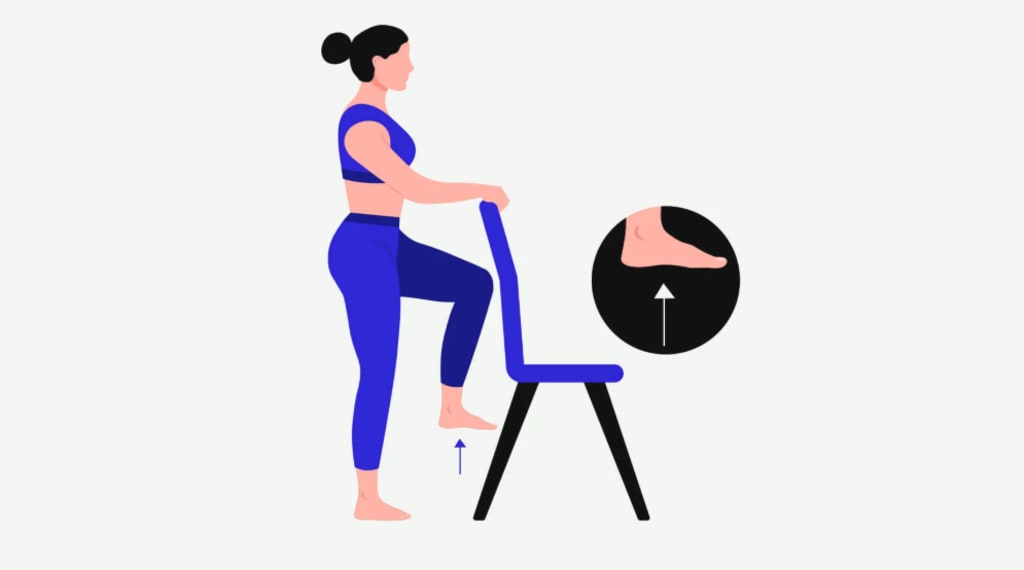
Stand on one leg while holding a chair or counter for support if needed. Lift the other foot slightly off the floor. Focus on posture, core engagement, and controlled breathing. Hold for 15–30 seconds per side. This strengthens proprioception and builds confidence in standing and stepping movements.
Heel-to-Toe Walking
Walk slowly in a straight line, placing one foot directly in front of the other. Keep your gaze forward and your core engaged. This improves functional movement, mimics real-life walking, and challenges your body to maintain proper alignment.
Side-to-Side Weight Shifts
Shift your weight gently from one leg to the other, keeping your movements smooth and controlled. This reinforces stability exercises while training your body for movements required in daily activities such as turning, stepping sideways, or reaching.
Reaching and Twisting Movements
Reach for objects at different heights while twisting slightly from the waist. Move slowly and deliberately, focusing on alignment and controlled motion. This strengthens both functional movement and balance for real-life tasks.
Integrating Mindful Movement Into Everyday Life
The real benefit of these exercises comes when you integrate mindful movement into daily activities. Mindfulness in movement means paying attention to how your body feels and moves, rather than rushing through tasks.
Stand on one leg while brushing your teeth
Pause and notice your balance before stepping off a curb
Shift your weight deliberately while cooking or cleaning
Move slowly and focus on foot placement when walking on uneven surfaces
These small, intentional actions retrain the nervous system, improve coordination, and strengthen balance. Over time, mindful integration of stability exercises reduces the fear of falling and boosts overall confidence in daily life.
The Emotional Component of Balance
Balance challenges are not just physical—they are emotional. Anxiety about instability can create a cycle of fear, hesitation, and reduced activity, which in turn leads to weaker stability. Practicing gentle stability exercises breaks this cycle by allowing the nervous system to adapt gradually and safely.
By combining mindful movement, alignment awareness, and consistent practice, individuals regain confidence and independence. The emotional benefits are as important as the physical improvements, making balance practice transformative for overall well-being.
Why Gentle Exercises Work Best
High-intensity workouts can overwhelm the nervous system, especially for individuals already experiencing instability. Gentle, deliberate movements provide the opportunity to:
Learn safe and efficient movement patterns
Strengthen stability exercises gradually
Reinforce functional movement for real-life tasks
Improve body alignment without strain or risk
This approach produces long-lasting improvements in balance.
Practical Tips for Success
Practice for a few minutes each day rather than long sessions
Focus on form, alignment, and controlled movement
Progress gradually, adding small challenges as confidence grows
Integrate exercises into regular routines rather than isolating them
Even small, consistent habits — standing on one leg while waiting, shifting weight while cooking, or performing mindful reaching — lead to meaningful improvements in balance and stability over time.
Final Thoughts
Balance is a skill that develops through awareness, consistency, and mindful practice. By incorporating stability exercises, emphasizing functional movement, and maintaining proper body alignment, anyone can improve coordination, reduce the fear of falling, and regain confidence for everyday tasks.
Simple, deliberate movements performed consistently transform daily activities into opportunities for growth and safety. Over time, this mindful approach to movement enhances independence, stability, and overall quality of life.
About the Creator
AhmedFitLife
Helping You Reclaim Balance, Energy & Focus Naturally
Hi, I’m Ahmed, Discover Neuro-Balance Therapy! 🌿 Reduce stress, boost focus, and restore balance with this easy, guided tool. Feel better, naturally: Neuro-Balance Therapy
Keep reading
More stories from AhmedFitLife and writers in Longevity and other communities.
Advanced Balance Strategies for Safer Daily Movement
Many people underestimate how challenging everyday movements can be. Tasks as simple as reaching for a high shelf, stepping into a shower, or navigating around furniture can feel unsteady — especially for older adults or anyone experiencing instability. Over time, this can lead to a growing fear of falling.
By AhmedFitLifeabout a month ago in Longevity
Day 4 of Quitting
If this is how sobriety feels, maybe it’s better to go through life a little buzzed… this, along with other hits like, I want to kill myself, I wish I was dead, and I’m going to throw myself off a bridge have been the only thoughts on rotation these past few days. I promise myself that if, in a month, I still feel like this (‘this’ meaning despondent, full of rage, and simultaneously numb) I can go back to smoking. Until mid-February though? Nicotine is off the table.
By sleepy drafts27 days ago in Longevity
India and the EU Announce a Landmark Trade Deal
India and the European Union have announced a landmark trade deal that could reshape economic ties between two of the world’s most influential markets. The agreement, long in the making, signals a renewed commitment to cooperation at a time when global trade is being tested by geopolitical tensions, supply chain disruptions, and shifting economic priorities. Rather than focusing on short-term gains, this deal reflects a broader strategic vision. Both sides are looking to strengthen resilience, diversify partnerships, and reduce overdependence on any single market. For India, the agreement marks another step in its effort to position itself as a global manufacturing and services hub. For the EU, it offers access to one of the world’s fastest-growing large economies. A Deal Years in the Making Trade discussions between India and the EU have spanned many years, often slowing due to differences over tariffs, market access, labor standards, and environmental regulations. The latest announcement represents a breakthrough, suggesting that both sides were willing to compromise to reach common ground. While the full legal text is expected to be finalized over time, the announcement outlines a shared framework aimed at reducing trade barriers, encouraging investment, and deepening cooperation across key sectors. Officials from both sides have described the deal as forward-looking, emphasizing sustainability, innovation, and inclusive growth. This approach reflects a shift from traditional trade agreements that focused narrowly on tariffs. Instead, the India-EU deal seeks to align economic growth with long-term social and environmental goals. Economic Opportunities for India For India, the agreement opens the door to expanded access to European markets for a wide range of goods and services. Sectors such as textiles, pharmaceuticals, information technology, engineering goods, and agriculture are expected to benefit from smoother trade processes and improved regulatory cooperation. Indian service providers, particularly in technology and professional services, stand to gain from clearer rules and improved mobility frameworks. This could help Indian firms scale operations in Europe while strengthening India’s reputation as a global talent hub. The deal also supports India’s broader economic strategy of attracting foreign investment. European companies, many of which are seeking alternatives to traditional manufacturing centers, may see India as a more attractive destination for production and innovation. Benefits for the European Union From the EU’s perspective, the agreement offers access to a massive consumer market with a growing middle class. European exporters in sectors such as automobiles, renewable energy, luxury goods, and advanced manufacturing are likely to find new opportunities in India. The deal also strengthens the EU’s presence in the Indo-Pacific region, which has become increasingly important in global trade and geopolitics. By deepening ties with India, the EU diversifies its economic partnerships and reinforces its role as a key global trade actor. Additionally, European businesses may benefit from greater regulatory transparency and improved investment protections, making long-term planning in India more predictable. Sustainability and Standards at the Core One of the defining features of the India-EU trade deal is its emphasis on sustainability. Both sides have highlighted commitments related to environmental protection, climate action, and responsible business practices. The agreement is expected to encourage cooperation in clean energy, green technologies, and sustainable supply chains. This aligns with the EU’s broader climate goals and India’s increasing focus on renewable energy and environmental resilience. Labor standards and inclusive growth have also been emphasized. While implementation will take time, the inclusion of these elements reflects a growing recognition that trade agreements must address social concerns alongside economic interests. Strategic Implications Beyond Trade Beyond economics, the deal carries significant strategic weight. In a world where trade is increasingly influenced by politics, the India-EU partnership sends a message about the value of multilateral cooperation and open markets. Both India and the EU have expressed interest in reducing vulnerabilities exposed by recent global crises. Strengthening bilateral trade ties is one way to build more resilient supply chains and reduce exposure to economic shocks. The agreement also complements India’s expanding network of trade partnerships and the EU’s efforts to engage more deeply with emerging economies. Challenges Ahead Despite the optimism surrounding the announcement, challenges remain. Translating a political agreement into practical outcomes requires careful implementation, ongoing dialogue, and trust between stakeholders. Differences in regulatory systems, compliance requirements, and domestic priorities could still create friction. Small businesses, in particular, may need support to fully benefit from new opportunities created by the deal. However, the willingness shown by both sides to reach this point suggests a shared understanding of the long-term value of cooperation. A Step Toward a New Trade Era The India-EU landmark trade deal represents more than just an economic agreement. It reflects a shift in how major economies approach trade in an uncertain world. By focusing on sustainability, strategic partnership, and mutual growth, the deal sets a tone for future international agreements. As details continue to emerge and implementation begins, the true impact of the agreement will become clearer. What is certain, however, is that India and the European Union have signaled their intent to work together more closely, shaping a trade relationship that responds to both present challenges and future opportunities.
By Saboor Brohi 7 days ago in Longevity



Comments
There are no comments for this story
Be the first to respond and start the conversation.