
How to Choose a Running Shoe
Having trouble fitting in? Check these tips out!
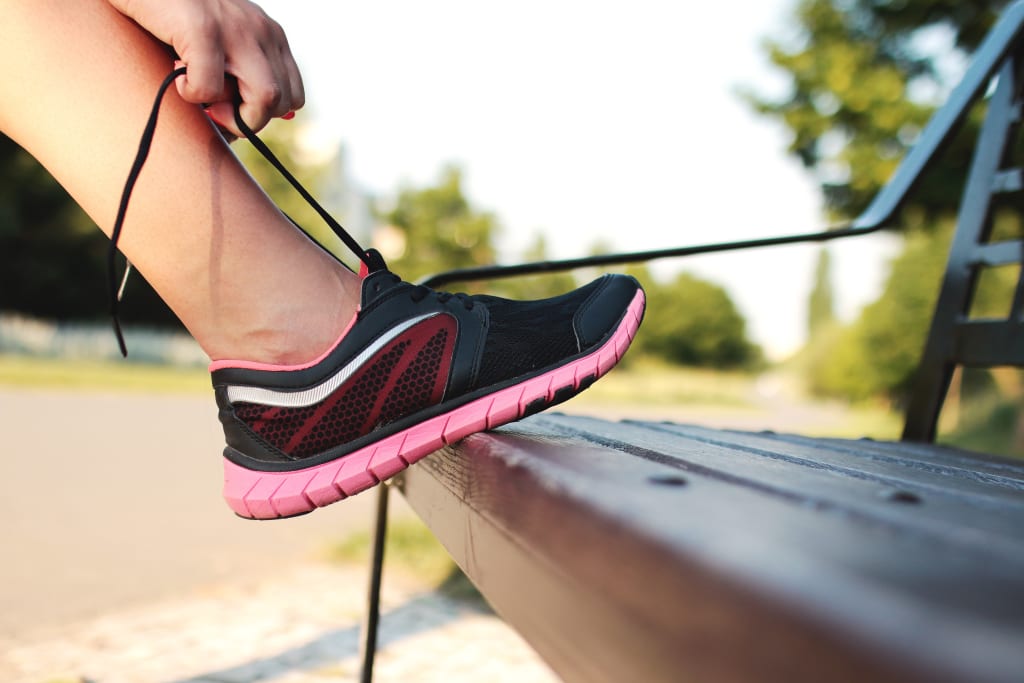
The most important thing a runner needs is shoes. A lot of novice runners flock to the wick-away shirts, spandex leggings, or iPod armbands; but the truth is, these things don’t help you become a better runner if you aren’t wearing good shoes.
The biggest problem is that there are so many different shoes, and it’s hard to know what makes one shoe better than another. Let me help you, by educating you on how to choose a running shoe. Let’s start with the basics, brand name or no name. You might hear people tell you that no name shoes are just as good as brand name shoes, but for the most part, this is untrue. Brand name shoes have better stitching, better material, go through better quality assurance, and justify the price tag by being able to endure years of pavement, track, and treadmill before they turn into yard work shoes. However, there is the rare gem of a no name shoe that is just… so well put together that it defies the previous statements, and if you come across this shoe, by all means wear it. So, first things first, check the quality between brand name shoes and no name shoes, and decide what you like more. Buying brand name means that you pay more upfront, but they last longer, whereas buying no name means you might be replacing them every three months.
Second, how does the shoe feel on your foot? There should be a little bit of room at the front of it, as your foot is bound to move forward a bit on the footfall, and the last thing you want to do is drive your toes into the front of your shoe every step. The easiest way to check this is to put the shoe on your foot, move your foot as far back as you can, and use your thumb to check how much room is at the front. If you place your thumb on the front of the shoe, and can’t feel your big toe, that’s too much room. If you can get more than half of your thumb on your big toe, that’s not enough room. Anywhere in between those two extremes is your butter zone.
Next, you’re going to want to find a comfortable ride height. Ride height is how high the heel is. The basics are as follows: If the heel is too high, you have a better chance of rolling your ankle. If it’s too low, you have less support, and could develop heel spurs if you run too much with low ride height. If the ride height is too high, your foot won’t comfortably transition from the heel to the toe, and besides looking goofy when you run, it’s going to put stress on your ankles. Conversely, with too little ride height, your foot is going to transition too quickly, and you might notice you’re running too much on your toes, to compensate for not having any support on your heel.
The next thing to look for is movement in the build. Grabbing the front and the back of the shoe in both hands, push the ends together. It should fold near the front, just behind where your toes would be. If it folds all the way back, to where the toes are touching the tongue, you might experience problems with the material breaking down quickly. If it doesn’t fold very easily, you might experience problems with stiffness, which will hamper your running experience. A happy medium between the two is what you’re looking for. When you bend the shoe, it should bend easy, but not hit the tongue.
The last thing to keep in mind, and this is essentially after market, is shoelaces. What you’re looking for is flat laces. Round laces are going to come undone a lot faster, due to them being rounded, whereas flat laces are known to stay tied a lot longer. The length of the laces depends on the number of eyelets on the shoes, but the most common length is 85 — 90 cm, which is five eyelets. Hopefully with these tips and considerations you'll be on the road in a nice pair of well-fitting shoes. Happy running!
About the Creator
Mitchell Stewart
I'm a fiction author from Saskatoon, Saskatchewan, but I love running, video games and staying active. Enough that I sometimes write about it.
Keep reading
More stories from writers in Longevity and other communities.
Day 4 of Quitting
If this is how sobriety feels, maybe it’s better to go through life a little buzzed… this, along with other hits like, I want to kill myself, I wish I was dead, and I’m going to throw myself off a bridge have been the only thoughts on rotation these past few days. I promise myself that if, in a month, I still feel like this (‘this’ meaning despondent, full of rage, and simultaneously numb) I can go back to smoking. Until mid-February though? Nicotine is off the table.
By sleepy drafts28 days ago in Longevity



Comments
There are no comments for this story
Be the first to respond and start the conversation.