
Keto Diet for Beginners: The Sure Path to a Radical Transformation
How to Get Started with the Ketogenic Diet: Practical Tips and Effective Strategies for Beginners

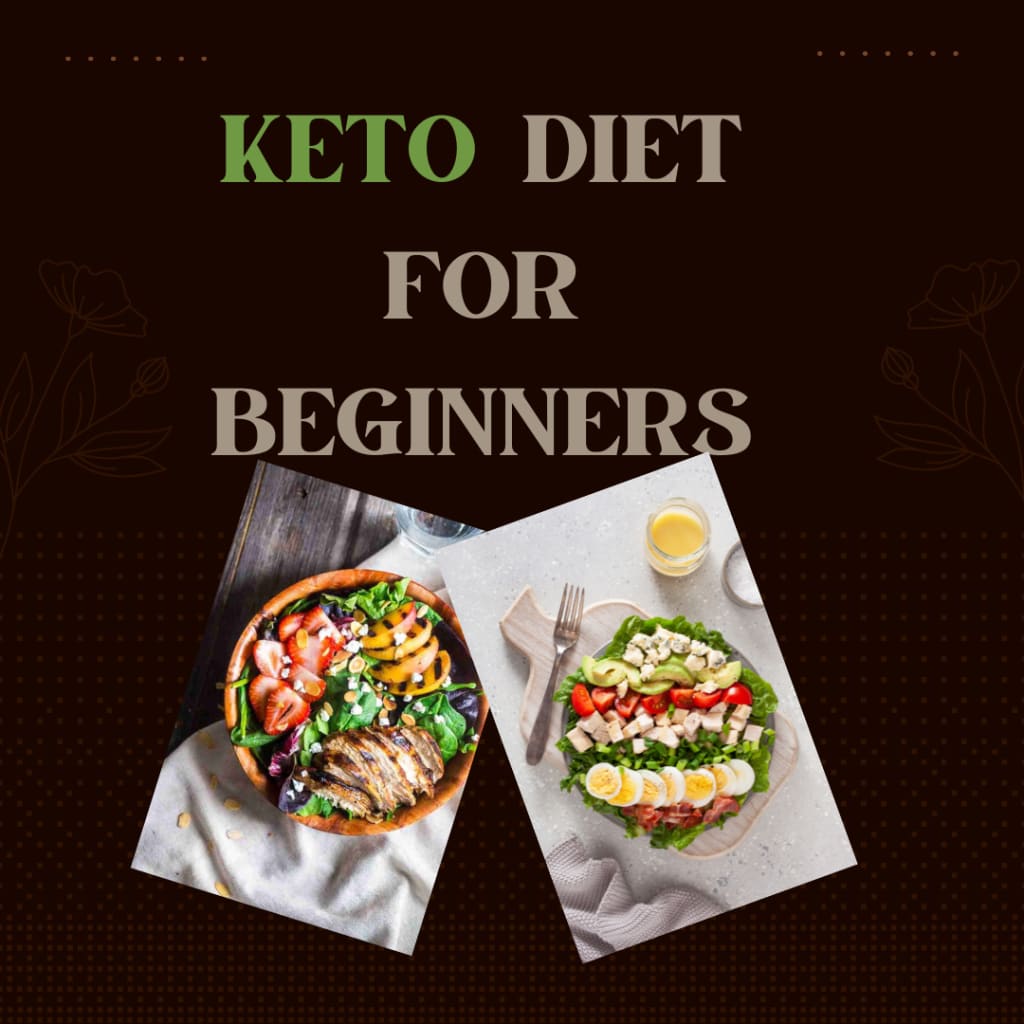
The ketogenic diet, commonly known as the KETO diet, has gained significant popularity in recent years for its effectiveness in weight loss and its ability to improve overall health. As more people look for quick and sustainable solutions to losing weight, the KETO diet has emerged as a viable option that offers real results. However, as with any lifestyle change, it is essential to understand how the ketogenic diet works and how it can be implemented safely to maximize its benefits. In this article, we'll break down everything you need to know to get started on the KETO diet, from the basics to practical steps to achieving a radical transformation.
Introduction to the Ketogenic Diet
The ketogenic diet is a low-carb, high-fat eating plan that aims to bring the body into a state of ketosis. Ketosis is a metabolic process in which the body, not having enough carbohydrates to burn energy, begins to burn fat instead, producing ketones as a byproduct. This change in the body's energy source can result in significant weight loss, as well as offering other health benefits, such as greater mental clarity and more stable energy levels.
For beginners, the KETO diet may seem a little intimidating, but with the right information and tools, a smooth and successful transition is possible. Below, we'll explore the key components of the ketogenic diet and how you can start implementing it into your daily life.
1. The Basics of the Ketogenic Diet
What is the KETO Diet?
The ketogenic diet is based on drastically reducing carbohydrate intake and increasing healthy fat intake. In a typical KETO diet plan, macronutrients are distributed as follows:
Fats: 70-75% of daily intake
Proteins: 20-25%
Carbohydrates: 5-10%
This radical change in macronutrient distribution forces the body into ketosis. Instead of using glucose (from carbohydrates) as the main source of energy, the body begins to break down fats into ketones, which are then used for fuel. This process not only helps burn fat faster, but also helps stabilize insulin and blood sugar levels.
Benefits of the Ketogenic Diet
The benefits of the KETO diet go beyond weight loss. Some of the most notable benefits include:
Effective Weight Loss: By burning fat as a primary source of energy, many people experience significant weight loss in the first few weeks of the diet.
Greater Energy and Mental Clarity: Ketones are an efficient source of energy for the brain, which can improve concentration and mental clarity.
Stability in Blood Sugar Levels: Reducing carbohydrate intake helps stabilize blood glucose levels, which may be beneficial for people with type 2 diabetes.
Reduction of Triglycerides and Improvement of Lipid Profile: The KETO diet can help improve good cholesterol (HDL) levels and reduce triglycerides, which is positive for cardiovascular health.
2. How to Get into Ketosis
Step 1: Reduce Carbs
The first step to entering ketosis is to drastically reduce your carbohydrate intake. This means eliminating or limiting carbohydrate-rich foods such as bread, pasta, rice, potatoes, and sweets. Instead, you should prioritize consuming healthy fats and proteins.
Step 2: Increase Healthy Fat Intake
To compensate for the reduction in carbohydrates, it is essential to increase your intake of healthy fats. This includes foods like:
Avocados
Coconut oil
Olive oil
Nuts and seeds
Butter and ghee
Creams and high-fat cheeses
These fats provide the body with the necessary energy and help maintain satiety.
Step 3: Monitor Ketosis Levels
Once you've reduced carbs and increased fats, it's important to monitor whether you've reached ketosis. This can be done through ketone test strips, blood ketone meters, or breath analysis. Being in ketosis means that your body is burning fat as its main source of energy.
Step 4: Maintain Ketosis
Maintaining ketosis requires continued commitment to the diet. It is essential to avoid "cheat meals" that include carbohydrates, as they can quickly put the body out of ketosis. Additionally, staying hydrated, consuming electrolytes and avoiding excess protein are key to maintaining this metabolic state.
3. Meal Planning on the KETO Diet
Creating a Personalized Meal Plan
One of the biggest challenges when starting the KETO diet is knowing what to eat. Creating a personalized meal plan is essential to ensure you meet your nutritional needs while following the diet.
When planning your meals, be sure to include a variety of foods rich in healthy fats, quality protein, and low-carb vegetables. Here is an example of a day on the KETO diet:
Breakfast: Scrambled eggs with avocado and bacon.
Lunch: Spinach salad with grilled chicken, walnuts, and olive oil dressing.
Dinner: Baked salmon with asparagus and butter.
Easy and Delicious KETO Recipes
Exploring KETO recipes will allow you to enjoy delicious meals without feeling restricted. Some examples include:
KETO Pizza: With a cauliflower or almond base.
KETO Tacos: With cheese or lettuce tortillas.
KETO Desserts: Like almond flour brownies or chocolate mousse with avocado.
Shopping and Preparation Lists
Preparation is key to success on the KETO diet. Creating shopping lists based on your weekly meal plan will help you stay focused and avoid impulsive purchases of high-carb foods.
4. Overcoming Common Challenges on the Ketogenic Diet
The "Keto Flu" and How to Overcome It
Some people experience flu-like symptoms, known as "Keto Flu," when starting the KETO diet. These symptoms include fatigue, headache, nausea, and irritability, and are usually temporary.
To overcome this, it is essential to stay hydrated, increase electrolyte intake, and get enough rest during the first days of the diet.
Maintaining Motivation
Maintaining motivation is crucial, especially during the first few weeks. Joining support groups, keeping a food diary, and celebrating your accomplishments can help you stay on track.
Adaptation to a Long-Term Lifestyle
Although the KETO diet may seem restrictive at first, many people find it sustainable in the long term. Once you've reached your weight goals, you can opt for a less strict version of the diet, known as "Cyclic KETO" or "Moderate KETO," which allows for greater flexibility in carbohydrate intake.
The ketogenic diet offers an effective and proven path to weight loss and improved overall health. Although it may seem challenging at first, with the right information, planning and motivation, anyone can succeed in this radical transformation. By reducing carbs, increasing healthy fats, and maintaining ketosis, you can experience significant weight loss, greater mental clarity, and more stable energy levels.
If you are a beginner to the KETO diet, follow the steps and tips provided in this article to begin your journey to a healthier life. Remember that each person is different, so it is important to listen to your body and adapt the diet according to your needs. With commitment and perseverance, the KETO diet can be the change you have been looking for to transform your life.
About the Creator
vanesa stories
I am passionate about creating summaries of mystery, suspense and motivational books. I share detailed and captivating analyzes that invite you to immerse yourself in fascinating literary worlds and find the inspiration you need.
Keep reading
More stories from vanesa stories and writers in Longevity and other communities.
Surprising impact: What happens to your body when you practice intermittent fasting for a month
Introduction Intermittent fasting is a dietary pattern that alternates periods of fasting with periods of eating. Unlike traditional diets, it does not specify what foods you should eat, but rather when you should eat them. The most common methods include the 16/8 method, the 5:2 method, and alternate day fasting. During fasting, the body has the opportunity to burn stored fat, improve insulin sensitivity, and reduce inflammation. But what really happens in your body when you practice intermittent fasting for a month? This article reveals it to you.
By vanesa storiesabout a year ago in Longevity
Day 4 of Quitting
If this is how sobriety feels, maybe it’s better to go through life a little buzzed… this, along with other hits like, I want to kill myself, I wish I was dead, and I’m going to throw myself off a bridge have been the only thoughts on rotation these past few days. I promise myself that if, in a month, I still feel like this (‘this’ meaning despondent, full of rage, and simultaneously numb) I can go back to smoking. Until mid-February though? Nicotine is off the table.
By sleepy draftsabout a month ago in Longevity
The Light Turns
It's Tuesday 7:13 a.m. A cold and clear November morning awaits Ray on his morning commute. Ray rubs his hands together in the front seat of his Subaru. He turns the air temperature up, but keeps the air on low until the air warms up. He looks at the backup camera screen and reverses the Subaru out of his driveway onto Trimble Road.
By John R. Godwinabout 21 hours ago in Fiction




Comments (1)
Great diet Vanesa.