
Lose Weight Easily: Start Snacking During The Day
Few tips that can help you lose weight


Lose Weight Easily: Start Snacking During The Day
Health Access to great suggestions for weight loss is easier than ever and this report is a great beginning point. This article was written by the pros to offer you the advice that you want. One successful weight loss plan is to substitute as a lot of your beverages as possible with water. Water is a refreshing, calorie-free beverage that costs nearly nothing and matches your grumbling stomach. Some beverages that have high levels of calories are tea, coffee, or soda. Water is easy on the pocket since it's cheap, and it's easy on the waist. Just about everyone enjoys the flavor of French fries.
They're the downfall of a possible weight loser. If you have to eat French fries, bake them rather than frying. Cut your potatoes into half-inch pieces, throw with salt, pepper, and about 1 tbsp of canola oil bake in an oven for approximately half an hour at 400 degrees. Toss with rosemary, even if you would like. Flip them over and bake for another 10 minutes. Dipped in catsup, they are rather yummy and contain much fewer calories. You won't overlook the fried impact. These chips are a great addition to anyone's recipe box.
Adding more broccoli into your daily diet can help with your weight loss attempts. Broccoli contains a lot of antioxidants which makes it among the greatest vegetable options around. You can consume broccoli steam, or even just add it to a salad. You will feel emanations of appreciation from the human entire body. Make sure not to skip meals if you would like to enhance your nutrition amounts. You may think that this can allow you to shed weight, but it can make you thicker.
Try to eat a wholesome meal twice daily. When contemplating eating healthy, you should make an effort to not fall prey to contemporary fad diets. Intense foods aren't great for your well-being. A number of these fad diets work for a brief time and the advantages decrease after a time. They immediately fade away since they don't encourage health in the long term, though they bring weight reduction in the short term. Be sure to eat an assortment of foods. Eating the very same things over and above can cause you to feel bored, so you then may start craving the old, unhealthy foods you've eaten.
A diet with many different foods can help you stay balanced. Consider removing alcoholic drinks if you're thinking about slimming down. Alcoholic beverages have a surprising number of calories, so ingesting a no-calorie drink is a smarter option. Alcohol may also decrease your decision to maintain true to your diet objectives.
Do not eat a lot if you would like to eliminate some weight. Eating out can be problematic since the parts of restaurant foods are much bigger than generally desirable for weight reduction. It's also rather hard to part correctly in a restaurant.
You'll not be able to lose weight if you just sit all day and do not move your body. Walking daily for only 30 minutes can help you lose weight and will keep your blood circulation in order.
It can be tough to resist temptation when dropping weight, so let yourself "cheat" every so often. Having a bit of candy or a couple of chips each week won't mess up your diet if you make certain that you limit yourself. Add more protein to your diet because protein is the king of nutrients and helps so much in losing weight.
The hints in this guide might help you accomplish your weight loss objectives.
Day 4 of Quitting
If this is how sobriety feels, maybe it’s better to go through life a little buzzed… this, along with other hits like, I want to kill myself, I wish I was dead, and I’m going to throw myself off a bridge have been the only thoughts on rotation these past few days. I promise myself that if, in a month, I still feel like this (‘this’ meaning despondent, full of rage, and simultaneously numb) I can go back to smoking. Until mid-February though? Nicotine is off the table.
By sleepy draftsabout a month ago in Longevity
Keep That Winter Jacket Handy, Another Polar Vortex is Coming
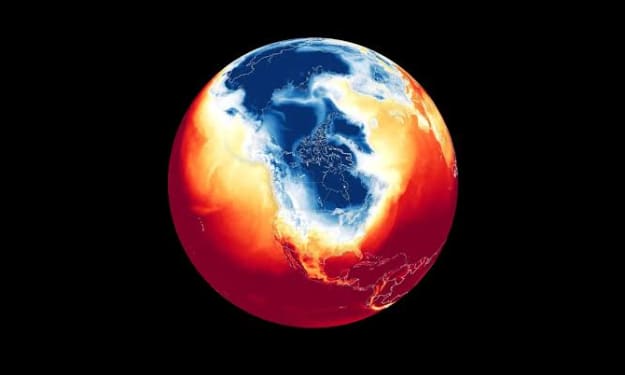
As the winter months continue to tighten their grip, meteorologists are issuing a fresh warning for North America: another polar vortex is on its way, bringing with it an intense blast of cold air that could cause significant disruptions. This latest wave of Arctic air will likely extend its reach across much of the United States and Canada, ushering in dangerously low temperatures, potential power outages, and treacherous travel conditions. For many, the polar vortex is more than just an inconvenience—it’s a reminder that winter is far from over. What is a Polar Vortex? The term "polar vortex" has become a buzzword in recent years, but for those unfamiliar, it refers to a massive area of cold, dense air that typically resides in the stratosphere over the Arctic. During certain conditions, the vortex can break free from its usual position, spilling cold air southward toward lower latitudes. This surge of Arctic air causes dramatic drops in temperatures and can result in extreme weather events, including snowstorms, ice storms, and widespread cold spells. While the polar vortex is a natural atmospheric phenomenon, its increased frequency and intensity in recent years have raised concerns among climate scientists. Some studies suggest that climate change may be playing a role in weakening the polar vortex, leading to more erratic and intense weather patterns. The Impact of the Upcoming Polar Vortex The latest polar vortex is expected to hit parts of the U.S. and Canada in the coming days, with the brunt of the cold air descending on the Midwest, Great Plains, and Northeast. Experts predict that temperatures could plunge to record lows, with some areas experiencing wind chills that make it feel like 30°F below zero or colder. For regions already reeling from previous winter storms, this new round of frigid weather will add another layer of strain. Meteorologists warn that the cold air will have the potential to disrupt daily life, from travel delays to power grid strain and even health risks. The cold snap is expected to arrive with little warning, catching many unprepared for the intensity of the chill. Health Risks: Staying Safe in Extreme Cold While some may enjoy the winter season and the snow it brings, the bitter cold of a polar vortex can be dangerous, especially for vulnerable populations. Health experts are advising residents of affected areas to take extra precautions when venturing outdoors. Frostbite and hypothermia are serious concerns during extreme cold spells. Frostbite occurs when skin and tissue freeze due to prolonged exposure to low temperatures, while hypothermia happens when the body loses heat faster than it can produce it, causing the body temperature to drop to dangerously low levels. "The risk of frostbite increases significantly when wind chills fall below -15°F, especially if people are not properly dressed," said Dr. Lisa Thompson, a public health official. "We urge people to limit their time outdoors, wear layers of warm clothing, and cover exposed skin as much as possible. If you must go out, take breaks indoors to warm up." Additionally, the cold temperatures pose a particular risk to the elderly and those with pre-existing health conditions, such as heart disease and respiratory issues. Cold weather can put additional strain on the heart and lungs, exacerbating underlying medical conditions. It's also essential to keep an eye on your neighbors, especially the elderly and those without access to heat, to ensure they remain safe during the cold snap. Power Outages and Infrastructure Stress Another consequence of a polar vortex is the strain it places on the power grid. As temperatures plummet, the demand for heating spikes, which can lead to power outages and disruptions in service. In regions where the power grid is already aging or underfunded, the added pressure can cause widespread blackouts. Utility companies in affected regions are bracing for increased demand, and some are warning customers to prepare for the possibility of rolling blackouts to prevent the grid from becoming overloaded. The combination of high electricity usage and potentially icy conditions on power lines makes it challenging for utility crews to quickly restore power in the event of an outage. In addition to power grid concerns, the extreme cold can affect transportation infrastructure. Icy roads and snow accumulation could make driving hazardous, especially in areas where road crews are not equipped to handle such severe weather. Travelers are advised to monitor local weather reports, avoid unnecessary travel, and have emergency kits ready in their vehicles in case of delays or accidents. Preparing for the Polar Vortex With the threat of another polar vortex looming, it’s important for individuals and communities to prepare in advance. Here are some essential tips to help mitigate the risks associated with extreme cold: Dress Appropriately: Layering is key to staying warm. Wear moisture-wicking clothing, followed by insulating layers, and finish with a waterproof outer layer. Don't forget to cover your extremities—hats, gloves, and scarves are essential. Check Your Heating System: Ensure your heating system is functioning properly before the cold arrives. Replace furnace filters, check insulation, and seal any drafts around windows and doors. Stock Up on Essentials: If a snowstorm or cold snap is expected, consider stocking up on food, water, medications, and other necessities in case of a power outage or travel disruptions. Stay Informed: Keep a close watch on weather forecasts and updates from local authorities. Sign up for emergency alerts, especially if you're in an area prone to extreme winter weather. Prepare Your Car: If you must travel, ensure your vehicle is winter-ready. This includes checking tire pressure, ensuring your car has antifreeze, and keeping an emergency kit with blankets, non-perishable food, and a flashlight. Help Vulnerable Neighbors: Reach out to elderly or disabled neighbors to ensure they have heat, supplies, and a safe place to stay. Consider offering assistance in clearing driveways or walkways to prevent slip-and-fall accidents. The Long-Term Effects of a Polar Vortex As the cold air settles in, the immediate effects of the polar vortex will be felt in homes, businesses, and communities. However, the long-term implications of these events are more concerning. The intense cold and prolonged winter weather can have ripple effects on the economy, with potential disruptions in the supply chain, delays in deliveries, and challenges for businesses in sectors like agriculture and retail. Moreover, as the climate continues to warm, experts suggest that we may see more erratic and extreme winter weather patterns, including stronger and more frequent polar vortex events. This has raised questions about the resilience of infrastructure and the ability of communities to adapt to the increasing frequency of extreme weather events. Conclusion As another polar vortex makes its way across North America, the challenges posed by extreme winter weather cannot be underestimated. The risks to health, infrastructure, and daily life are significant, and communities must be prepared for the cold temperatures and potential disruptions that lie ahead. By taking proactive steps to stay safe, monitor local conditions, and support vulnerable populations, we can weather this latest cold snap and prepare for the growing challenges posed by a changing climate.
By Fiaz Ahmed a day ago in Longevity
The Light Turns
It's Tuesday 7:13 a.m. A cold and clear November morning awaits Ray on his morning commute. Ray rubs his hands together in the front seat of his Subaru. He turns the air temperature up, but keeps the air on low until the air warms up. He looks at the backup camera screen and reverses the Subaru out of his driveway onto Trimble Road.
By John R. Godwinabout 17 hours ago in Fiction



Comments
There are no comments for this story
Be the first to respond and start the conversation.