Astronomers Celebrate Cancellation of $10 Billion Chile Project That Threatened the World’s Clearest Skies
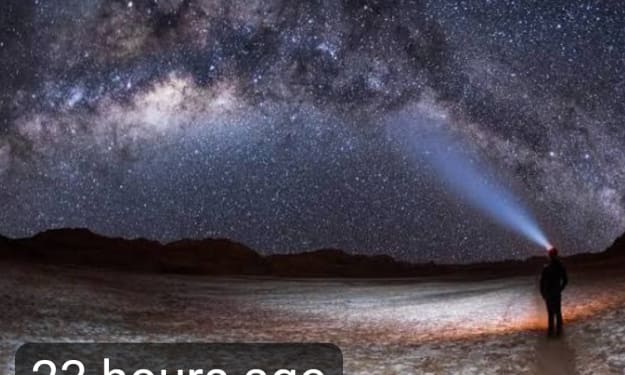
Chile is home to some of the clearest and darkest skies on Earth, making it one of the most important locations for astronomical research. Recently, astronomers around the world celebrated a major victory: the cancellation of a massive $10 billion industrial project that threatened to disrupt these pristine skies.
For scientists, environmentalists, and local communities, this decision represents more than just a halted construction plan—it is a milestone in the global fight to protect dark skies and preserve the universe’s natural window for discovery.
🌌 Why Chile’s Skies Matter to the World
Chile’s Atacama Desert and surrounding regions host some of the most advanced observatories on the planet. Facilities like the Very Large Telescope (VLT), Atacama Large Millimeter/submillimeter Array (ALMA), and the upcoming Extremely Large Telescope (ELT) attract astronomers from across the globe.
The country’s skies are uniquely suited for space observation due to:
Minimal light pollution
High altitude observatories
Dry climate with low humidity
Stable atmospheric conditions
These factors make Chile a global hub for discovering exoplanets, studying galaxies, and understanding the origins of the universe.
⚠️ The $10 Billion Project That Sparked Alarm
The proposed $10 billion project was an ambitious industrial and infrastructure development plan in Chile. While it promised economic benefits, scientists warned it would introduce massive light pollution, dust, and atmospheric disturbances—all of which could severely damage the quality of astronomical observations.
Large-scale industrial projects often involve intense artificial lighting, construction dust, and increased human activity. In regions like the Atacama Desert, even small environmental changes can dramatically affect telescope performance.
Astronomers feared that decades of scientific investment could be compromised, and future discoveries could be lost forever.
🎉 A Victory for Science and Environmental Advocacy
When news broke that the project was canceled, astronomers worldwide expressed relief and celebration. Many called the decision a landmark victory for science, environmental protection, and global cooperation.
This outcome highlights the growing recognition that dark skies are a natural resource, just like forests, oceans, and wildlife habitats. Protecting them requires careful policy decisions and international collaboration.
Local communities and environmental groups also played a key role in opposing the project. Their voices, combined with scientific evidence, helped policymakers understand the long-term consequences of the development.
🌍 The Growing Threat of Light Pollution
Light pollution is one of the fastest-growing environmental problems in the modern world. Artificial lighting from cities, highways, and industrial zones brightens the night sky, making it difficult to observe stars and galaxies.
For astronomers, light pollution is not just an inconvenience—it is a serious scientific obstacle. Even small increases in sky brightness can:
Reduce telescope sensitivity
Hide faint celestial objects
Distort astronomical data
Increase research costs
Beyond science, light pollution affects ecosystems, disrupts wildlife, and impacts human health by interfering with natural sleep cycles.
🔬 What This Means for Future Astronomy
The cancellation of the project ensures that Chile remains a premier location for astronomical research. Future observatories and international collaborations can continue without fear of losing critical sky quality.
This decision also sets an important precedent. Governments and corporations may now think twice before launching projects that threaten scientific and environmental assets.
In an era where space exploration and astronomy are becoming increasingly important, protecting observation sites is crucial for humanity’s understanding of the universe.
🏞️ Balancing Development and Preservation
While scientists celebrate, the situation also raises important questions about balancing economic development with environmental and scientific preservation.
Developing nations often rely on large infrastructure projects to boost their economies, create jobs, and attract foreign investment. However, projects that threaten globally significant natural resources require careful evaluation.
Chile’s decision demonstrates that progress does not have to come at the cost of scientific heritage. Sustainable development strategies can provide economic benefits while protecting valuable ecosystems and research environments.
🤝 Global Responsibility to Protect Dark Skies
Chile’s skies are not just a national treasure—they are a global scientific resource. Astronomers from dozens of countries rely on Chilean observatories for their research.
This situation highlights the need for international agreements and policies to protect dark skies worldwide. Just as nations collaborate to protect oceans and climate systems, they must also work together to preserve the night sky.
Organizations and movements advocating for dark-sky preservation are gaining momentum, encouraging cities and industries to adopt responsible lighting practices.
🌠 A Message to Future Generations
Protecting Chile’s skies ensures that future generations of scientists can continue exploring the cosmos. From discovering new planets to understanding cosmic origins, these skies serve as a gateway to humanity’s biggest questions.
For students and young astronomers, this victory is inspiring. It shows that advocacy, science, and community voices can influence major policy decisions and protect critical scientific resources.
✨ Final Thoughts
The cancellation of the $10 billion project in Chile is a powerful reminder that not all progress is measured in concrete and steel. Sometimes, progress means preserving what already exists—especially when it offers humanity a window into the universe.
Astronomers’ celebration is not just about stopping one project; it is about safeguarding the world’s clearest skies for discovery, inspiration, and knowledge. As humanity looks toward the stars for answers, protecting these pristine skies becomes a responsibility shared by everyone on Earth.






Comments
There are no comments for this story
Be the first to respond and start the conversation.