
NHS Omeprazole Warning: Key Risks, Safety Guidelines and What Patients Should Know
Understanding the NHS advisory on long-term omeprazole use and how to manage its potential side effects safely

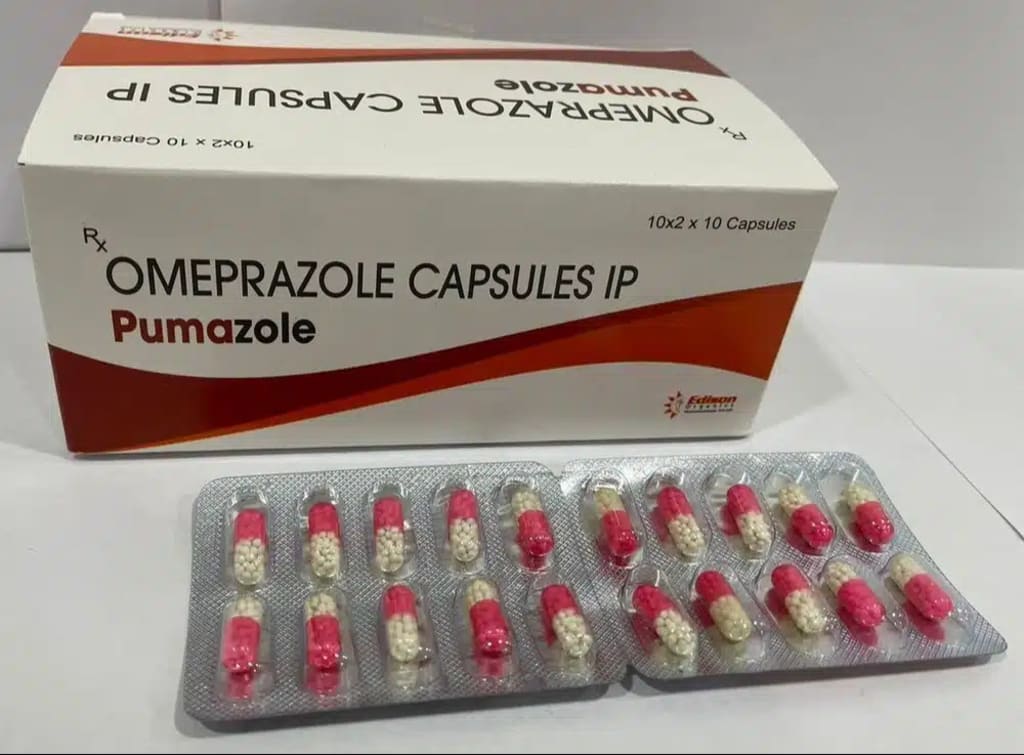
In the United Kingdom, omeprazole is one of the most commonly prescribed medications for acid-related disorders such as gastroesophageal reflux disease (GERD), peptic ulcers, and indigestion. While effective and generally safe when used appropriately, the NHS and associated medical bodies have issued updated warnings and guidelines about potential risks associated with prolonged or inappropriate use. This article reviews what those warnings are, why they matter, and how patients and prescribers can reduce harm.
What Is Omeprazole?
Omeprazole belongs to a class of drugs called proton-pump inhibitors (PPIs). It works by reducing the production of stomach acid, thereby relieving symptoms such as heartburn, regurgitation, and discomfort caused by acidic irritation to the oesophagus or stomach. The NHS provides details on common side effects, usage, and cautions for omeprazole.
Because the drug is effective, it is commonly used both short-term (e.g., for an ulcer or acute flare) and, in some cases, longer term. But the risk profile changes with duration of use.
The NHS Warning: Key Concerns
1. Low Magnesium (Hypomagnesaemia) After > 3 Months
One of the prime risks that the NHS emphasizes is a drop in blood magnesium levels when omeprazole is used for more than three months.
Symptoms of low magnesium can include fatigue, muscle cramps, dizziness, confusion, or cardiac arrhythmias. Because magnesium is vital for many body functions, a persistent deficiency is not a trivial matter.
2. Increased Risk of Infections & Pneumonia
Suppression of stomach acid may reduce a natural barrier to ingested pathogens. Some data suggest longer-term PPI use may slightly increase the risk of gastrointestinal infections (for example, Clostridioides difficile) or pneumonia.
3. Bone Fracture Risk
Chronic PPI therapy has been linked to a small increase in the risk of fractures, particularly of the hip, wrist, or spine, possibly through compromised calcium absorption over time.
4. Nutrient Deficiencies: Vitamin B12, Iron
Long-term suppression of stomach acid can impair absorption of certain micronutrients. Vitamin B12 deficiency is a documented possibility.
Iron deficiency may also be aggravated in susceptible individuals.
5. Kidney and Liver Effects
There is emerging evidence associating long-term PPI use with a higher risk of chronic kidney disease and acute interstitial nephritis (kidney inflammation).
The UK “Class 4” safety notice also mentions rare but serious effects like yellowing of the skin, dark urine, and tiredness indicative of possible liver problems.
6. Drug Interactions
Omeprazole can interact with other medications. For example, it can reduce the absorption of itraconazole, a fungal medication, or affect the serum levels of certain drugs.
Always inform your physician or pharmacist of all medicines, supplements, or herbal remedies you take.
What the NHS Recommends
Limit Long-Term Use
NHS guidelines and prescribing algorithms stress that PPIs like omeprazole should only be started when there is a clear indication, and their long-term use should be reviewed periodically.
Gloucestershire Hospitals Trust
Review at 4 and 12 Weeks
Some protocols suggest reevaluation at 4– and 12-week intervals to decide whether continuation is warranted, reduction to a lower dose, or stepping down to alternative therapy.
NHS North Yorkshire CCG
Deprescribing and Tapering
When the indication no longer justifies full PPI therapy, clinicians may attempt to taper or discontinue gradually rather than abrupt cessation to avoid rebound acid hypersecretion.
NHS North Yorkshire CCG
Monitoring
If someone must stay on long-term omeprazole, periodic checks of magnesium, kidney function, bone health, and relevant nutrient levels may be advisable.
What Patients Should Do
Take as directed. Follow your doctor’s instructions on dosage and timing (usually before meals).
Don’t self-extend without guidance. If symptoms recur, talk to your GP rather than arbitrarily increasing dose or stopping cold.
Report unusual symptoms. For example, persistent fatigue, muscle cramps, numbness, yellowing of skin, or signs of infection.
Ask about periodic reviews. Especially if you've been on omeprazole for several months or years, ask your physician whether your prescription should be reviewed or reduced.
Lifestyle adjustments help. Weight loss, dietary changes, avoiding late meals, elevating the head of the bed, and reducing triggers (like smoking, alcohol, caffeine) can reduce the need for heavy acid suppression.
Balancing Benefits and Risks
Omeprazole remains a valuable tool in managing acid-related disorders — for many patients, the benefits in relieving symptoms and preventing complications (like ulcers or oesophageal damage) outweigh risks when used appropriately. The NHS warning is not intended to alarm but to prompt thoughtful, evidence-based prescribing and patient awareness.
The crux is: use the lowest effective dose for the shortest necessary duration, monitor when longer use is needed, and remain alert to warning signs. In many cases, returning to lifestyle and non-drug strategies can reduce dependency.
About the Creator
Asad Ali
I'm Asad Ali, a passionate blogger with 3 years of experience creating engaging and informative content across various niches. I specialize in crafting SEO-friendly articles that drive traffic and deliver value to readers.
FridaBaby Faces Backlash Over Alleged Sexualized Marketing of Infant Products
The baby-care brand FridaBaby, known for products such as the NoseFrida nasal aspirator and infant thermometers, is facing a surge of online backlash following the resurfacing of old marketing materials featuring suggestive and sexualized language. Social media users have widely circulated screenshots of posts and product packaging, criticizing the brand for content deemed inappropriate for items designed for infants.
By Story Prism2 days ago in Longevity




Comments
There are no comments for this story
Be the first to respond and start the conversation.