
The Modern Lab Workstation Bench: A Foundation for Safe and Efficient Scientific Work
Exploring the importance, design, and evolution of modern laboratory benches for safety, efficiency, and innovation.

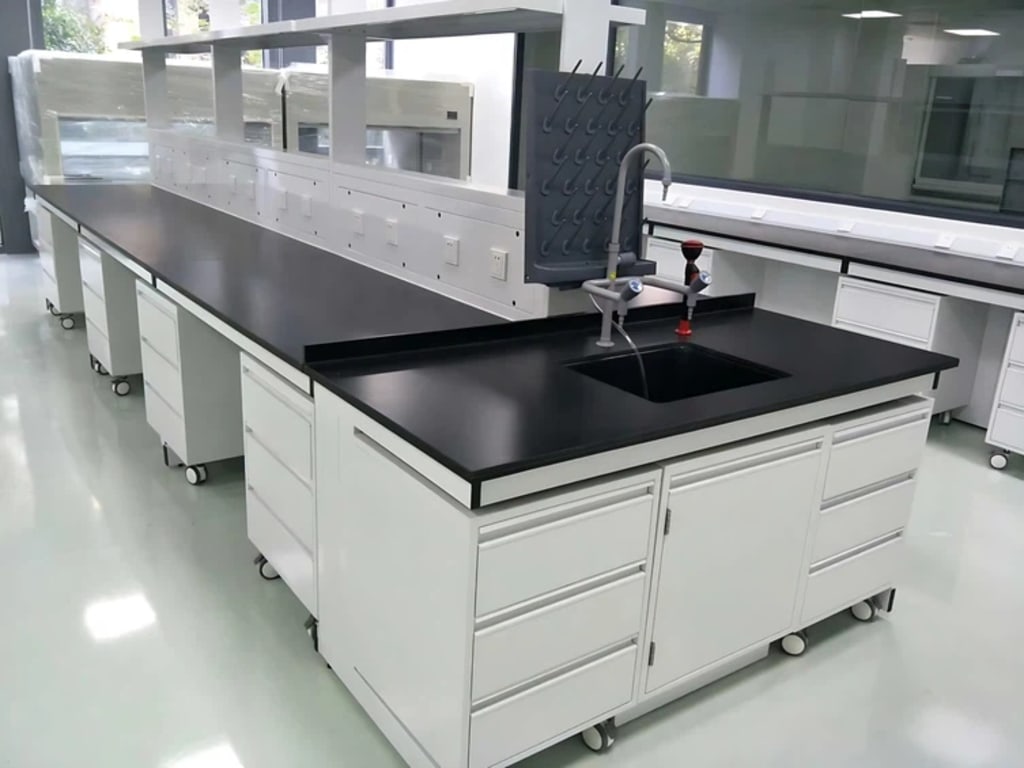
In today’s fast-evolving research and industrial environments, laboratories have become the cornerstone of innovation and precision. Whether used in chemical analysis, pharmaceuticals, or material testing, the layout and design of a laboratory directly influence the efficiency and safety of its operations. At the heart of this setup lies a key piece of furniture that supports nearly every experiment and analysis: the lab workstation bench.
A well-designed lab workstation bench is more than just a surface to work on. It is a central platform that integrates durability, ergonomic design, and chemical resistance, ensuring both safety and productivity in the laboratory. Let’s explore how these benches have evolved and why their design plays a crucial role in the success of modern laboratories.
Understanding the Role of a Lab Workstation Bench
Every laboratory bench must withstand unique challenges depending on the nature of the research conducted. From exposure to corrosive chemicals to heat and moisture, these benches are built to endure harsh conditions while providing a stable workspace. The design of a lab workstation bench usually considers factors such as material strength, resistance to contamination, and the need for easy maintenance.
In addition, today’s laboratories require benches that accommodate various instruments and utilities, including gas outlets, sinks, power connections, and storage units. A modular design enables flexibility — researchers can configure their workspace according to their specific experimental needs.
The Evolution of Laboratory Furniture
The early laboratory furniture was often made of wood or laminate, which offered little protection against moisture or chemical exposure. Over time, as scientific work became more complex and safety standards improved, manufacturers began introducing materials like stainless steel and epoxy resin. These advancements significantly increased the durability and hygiene standards of laboratory workspaces.
Modern lab workstation benches are now engineered for longevity and performance. The use of steel, particularly powder-coated or stainless varieties, ensures corrosion resistance and structural stability. This evolution has transformed the way laboratories are designed, placing greater emphasis on both safety and aesthetics.
Why Steel is the Ideal Material for Lab Workstations
Among the wide range of materials used, steel stands out as the most reliable option for modern laboratories. The waterproof steel lab workstation benches found in professional environments today are specifically designed to combat the effects of moisture, chemical spills, and daily wear.
Here are some of the main benefits of steel-based benches:
- Durability and Strength: Steel benches can support heavy laboratory instruments and withstand continuous use without warping or cracking.
- Corrosion Resistance: With anti-corrosive coatings or stainless-steel finishes, these benches remain unaffected by harsh chemicals and humid conditions.
- Ease of Maintenance: Smooth surfaces make cleaning easier, helping maintain sterile conditions crucial for sensitive experiments.
- Aesthetic and Functional Design: Sleek steel benches contribute to a professional laboratory atmosphere while ensuring functionality.
In specialized laboratories such as chemical analysis labs, waterproof steel benches help prevent structural degradation caused by spills and vapors. The use of high-quality materials ensures compliance with health and safety regulations while improving the longevity of the workspace.
The Importance of Ergonomic and Modular Design
The modern lab workstation bench is designed with ergonomics and adaptability in mind. Scientists and technicians often spend long hours performing repetitive tasks, and an ergonomic setup helps reduce strain, increase comfort, and enhance productivity.
Adjustable height features, properly positioned shelves, and organized storage solutions make the workstation more user-friendly. A modular system allows laboratories to customize their setups based on ongoing projects or team size. This flexibility is especially valuable in research facilities where experiments vary from one project to another.
Additionally, proper lighting and ventilation integrated into workstation design further improve safety and visibility. Modular components can be rearranged to accommodate new technologies or workflows without requiring a complete overhaul of the lab layout.
Anticorrosive Features and Long-Term Value
Corrosion can be one of the biggest challenges in laboratory settings. Even minor chemical exposure can damage surfaces and compromise safety. That’s why anticorrosive lab benches are becoming standard in professional environments.
The lab workstation benches highlighted in the industry today, such as those found on chemistry-labfurniture.com, are designed with advanced coatings that resist acid, alkali, and solvent damage. This ensures that the benches retain their structural and aesthetic integrity over time. The combination of steel strength and anticorrosive properties provides both safety and cost-efficiency, reducing the need for frequent replacements or repairs.
Environmental Considerations in Laboratory Design
Sustainability has become a major focus in laboratory construction and design. Manufacturers are now developing eco-friendly workstations that reduce waste, optimize energy use, and use recyclable materials like steel. A lab workstation bench made from durable steel not only lasts longer but can also be recycled, minimizing environmental impact.
Moreover, efficient space utilization plays a role in sustainability. Compact and well-organized workstations help reduce the laboratory’s overall footprint and energy consumption while improving workflow.
How a Well-Designed Lab Workstation Bench Improves Safety
Safety is paramount in any laboratory. From chemical spills to electrical hazards, the risks are numerous. A properly designed lab workstation bench minimizes these hazards by incorporating safe storage for reagents, non-reactive surfaces, and proper waste disposal mechanisms.
Waterproof designs prevent damage from spills, while integrated ventilation systems help manage fumes and vapors. Rounded edges and fire-resistant materials further enhance user protection. In teaching and industrial labs alike, such safety features are vital in preventing accidents and maintaining compliance with international standards.
Practical Applications Across Different Laboratory Types
A versatile lab workstation bench can serve multiple laboratory settings, including:
- Chemical Laboratories: Resistant to acids, alkalis, and solvents.
- Biological Laboratories: Hygienic surfaces that can be sterilized easily.
- Industrial Testing Labs: Strong construction for heavy machinery and analytical devices.
- Educational Institutions: Flexible, durable designs suitable for group work and demonstrations.
Each of these environments requires different design considerations, but the underlying principles remain consistent: durability, safety, and efficiency.
Future Trends in Laboratory Workstation Design
As technology continues to shape laboratory environments, furniture design is adapting to new requirements. Smart labs are integrating Internet of Things (IoT) devices, automation systems, and digital interfaces into traditional furniture layouts.
Future lab workstation benches may include built-in sensors for environmental monitoring, touchless controls, and even integrated power management systems. These innovations aim to create a seamless workflow that balances human comfort with technological precision.
Furthermore, the growing emphasis on aesthetics means that laboratories are no longer just sterile workspaces. Modern lab furniture combines sleek designs with color-coded organization systems that improve both morale and functionality.
Conclusion: Building the Ideal Laboratory Environment
A lab workstation bench may appear to be a simple piece of furniture, but it plays a critical role in the success and safety of every scientific endeavor. From ensuring ergonomic comfort to resisting corrosive chemicals, its design affects every aspect of laboratory operation.
As research demands evolve, investing in high-quality, waterproof, and anticorrosive benches ensures long-term reliability and compliance with modern laboratory standards. By choosing durable materials like steel and incorporating modular and ergonomic designs, laboratories can create environments that are not only efficient but also safe and sustainable.
In the end, the right laboratory furniture is not just about appearance — it’s about creating a foundation that supports innovation, precision, and discovery.
About the Creator
Keep reading
More stories from charliesamuel and writers in Longevity and other communities.
Understanding Ovulation Testing: Science, Accuracy, and Smart Choices for Fertility Tracking
Understanding fertility and reproductive health has become an essential aspect of personal wellness. Modern science has made it possible for individuals to monitor their cycles and better understand their bodies through ovulation testing. These tests provide insight into hormonal changes, helping people plan pregnancies or simply learn more about their menstrual health.
By charliesamuel3 months ago in Longevity
Day 4 of Quitting
If this is how sobriety feels, maybe it’s better to go through life a little buzzed… this, along with other hits like, I want to kill myself, I wish I was dead, and I’m going to throw myself off a bridge have been the only thoughts on rotation these past few days. I promise myself that if, in a month, I still feel like this (‘this’ meaning despondent, full of rage, and simultaneously numb) I can go back to smoking. Until mid-February though? Nicotine is off the table.
By sleepy drafts26 days ago in Longevity
Moltbook
In the fast-moving world of the internet, new terms often appear suddenly, spark curiosity, and then spread across search engines and social platforms. Moltbook is one such name. It has begun to surface in online discussions, prompting people to ask what it is, where it came from, and why it is gaining attention.
By Saboor Brohi 3 days ago in Longevity


Comments
There are no comments for this story
Be the first to respond and start the conversation.