
The Secrets of the Keto Diet: How to Get into Ketosis and Maintain It Successfully
detailed and with recipes

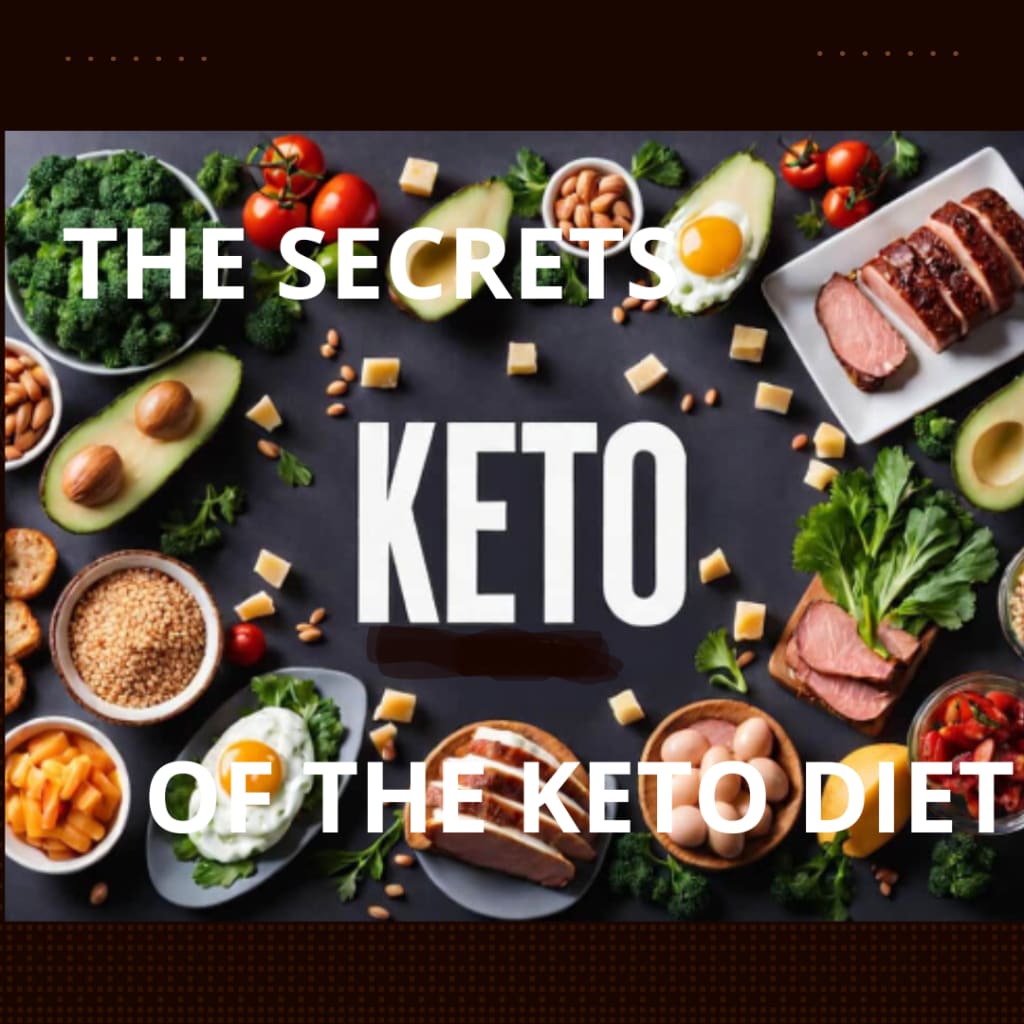
The ketogenic diet, better known as the KETO diet, has revolutionized the way people approach weight loss and overall well-being. The key to its success lies in a process called ketosis, where the body, instead of using carbohydrates as its main energy source, burns fat to produce ketones, its new fuel. Although the benefits of ketosis are many, the path to achieving it and, more importantly, maintaining it, requires knowledge and discipline. In this article, we will unravel the secrets of the KETO diet, providing a detailed guide on how to get into ketosis and how to stay in that state for long-term success.
Introduction to Ketosis: The Basis of the Keto Diet
Ketosis is a natural metabolic state that occurs when the body is deprived of sufficient carbohydrates and begins to burn fat for energy. This transition does not happen immediately and requires you to follow a specific diet that drastically limits carbohydrate intake. The goal is to lower blood glucose levels so that the liver begins to break down fats into ketones, which are then used by the body and brain for energy.
Achieving ketosis will not only help you burn fat more efficiently, but it can also improve mental clarity, stabilize blood sugar levels, and increase energy. However, for many, the biggest challenge is how to get into ketosis and, once achieved, how to maintain it to maximize the benefits of the KETO diet. In the following sections, we'll explore these key aspects to ensure your ketosis journey is a successful one.
How to Get into Ketosis
Step 1: Drastic Carbohydrate Reduction
The first and most crucial step to entering ketosis is to drastically reduce your carbohydrate intake. For most people, this means consuming less than 20 to 50 grams of net carbs per day. Net carbs are those that actually affect blood sugar levels and are calculated by subtracting fiber from total carbs.
Foods to avoid:
Bread, pasta, rice and cereals
Fruits (except small portions of berries)
Sugars and sweeteners
Processed and starchy foods
Foods to include:
Low-carb vegetables (spinach, broccoli, cauliflower)
Healthy fats (coconut oil, avocado, butter)
Quality proteins (eggs, meat, fish)
Step 2: Increase Fat Intake
As you reduce carbohydrates, it is essential to increase your intake of healthy fats to provide the body with the necessary energy. Fats should make up about 70-75% of your daily caloric intake on a KETO diet.
Recommended sources of fats:
Olive oil and coconut oil
Avocados and avocado oil
Butter and ghee
Nuts and seeds
Step 3: Monitoring Ketosis
To know if you have entered ketosis, you can monitor your ketone levels using urine test strips, blood ketone meters, or breath analysis devices. These methods allow you to confirm if your body has begun burning fat as its main source of energy.
Step 4: Incorporate Intermittent Fasting
Intermittent fasting is a strategy that can speed up the ketosis process. By reducing the window of time in which you consume food, you help your body burn through glycogen stores more quickly and enter ketosis. A common example is the 16/8 method, where you fast for 16 hours and eat in an 8-hour window.
2. Maintaining Ketosis
Keep Carbs Under Control
Once you've reached ketosis, it's vital to keep your carbohydrate intake low. Even a small slip, like eating a high-carb meal, can kick your body out of ketosis. Keep constant track of your daily net carbs and choose foods that are naturally low in carbs.
Plan Your Meals
Planning is key to staying in ketosis. Take time to plan your meals and snacks for the week. Not only will this help you stay within your carb limits, but it will also ensure that you always have KETO options available, thus avoiding the temptation to eat off-limits foods.
Examples of KETO meals:
Breakfast: Scrambled eggs with spinach and bacon.
Lunch: Chicken salad with avocado, olives and olive oil dressing.
Dinner: Grilled salmon with asparagus sautéed in butter.
Snack: Mixed nuts or a small piece of cheddar cheese.
Hydration and Electrolytes
When you follow a ketogenic diet, your body eliminates more water and electrolytes, which can lead to dehydration and imbalances. Make sure you drink enough water throughout the day and consider adding an electrolyte supplement or eating foods rich in sodium, potassium and magnesium, such as bone broth, nuts and green leafy vegetables.
3. Overcoming Common Challenges on the KETO Diet
The "Keto Flu"
The "Keto Flu" is a set of symptoms that some people experience when starting the KETO diet. These symptoms, which include fatigue, headache, nausea, and dizziness, are usually temporary and are due to the body's transition into ketosis.
How to overcome it:
Make sure you stay well hydrated.
Increase your electrolyte intake.
Consider gradually decreasing carbs instead of cutting them out all at once to allow your body to adjust.
Long Term Adaptation
As you adapt to the KETO diet, it's normal to face challenges such as craving certain foods or needing to make adjustments to your meal plan. The key to overcoming these challenges is flexibility and experimentation.
For example, if you find it difficult to give up your favorite foods, look for versions KETO of those dishes. There are many recipes available that can satisfy your cravings without kicking your body out of ketosis.
Maintain Motivation
Maintaining motivation is crucial to long-term success on the KETO diet. Setting clear goals, keeping track of your achievements, and joining a supportive community can help you stay focused.
Bonus tip: Consider rewarding yourself with something non-food related for reaching milestones on your KETO journey, like buying a new item of clothing or planning a special activity.
4. KETO Meal Ideas
Breakfast: Eggs Benedict with KETO Hollandaise Sauce
Eggs Benedict is a breakfast classic, and can easily be adapted to the KETO diet. Use an avocado base instead of bread, and prepare a hollandaise sauce with clarified butter.
Lunch: KETO Tuna Salad with Homemade Mayonnaise
A tuna salad is a quick and easy lunch option. Combine canned tuna with homemade mayonnaise, avocado, cucumber and spinach leaves. You can add olives and feta cheese to increase the healthy fat content.
Snack: Ham and Cheese Rolls with Pickles
These rolls are perfect for a quick snack. Simply roll a slice of ham around a piece of cheese and a pickle. It is a delicious and satisfying option that will keep you in ketosis.
Dinner: Chicken Curry with Cauliflower
Chicken curry is a rich and comforting food. Instead of rice, serve your curry with shredded cauliflower. Cook chicken with coconut milk and spices like turmeric, ginger, and cumin for a flavor-packed, KETO-friendly dish.
The KETO diet offers a proven approach to losing weight and improving overall health, but its success depends on the ability to achieve and maintain ketosis. By following the steps detailed in this article—reducing carbs, increasing healthy fats, planning your meals, and overcoming common challenges—you can take full advantage of the benefits of this diet. Remember that every body is different, and what works for one person may require adjustments for another. Listen to your body, stay flexible and committed, and you will be on the path to a healthy and sustainable transformation.
About the Creator
vanesa stories
I am passionate about creating summaries of mystery, suspense and motivational books. I share detailed and captivating analyzes that invite you to immerse yourself in fascinating literary worlds and find the inspiration you need.
Keep reading
More stories from vanesa stories and writers in Longevity and other communities.
The Definitive Guide to Losing Weight without Deprivation
The pursuit of weight loss is often accompanied by sacrifices, strict diets, and a constant feeling of deprivation. However, the ketogenic diet (KETO) has been positioned as an effective and sustainable solution to lose weight without feeling like we are giving up everything we like. In this definitive guide, we will explain how you can achieve your weight loss goals in a healthy way and without deprivation, through a deep understanding of the ketogenic diet.
By vanesa stories2 years ago in Longevity
Global Drug Abuse Testing Market Size and Forecast 2025
Introduction: A Market Shaped by Public Health and Safety Priorities The global drug abuse testing market is entering a decisive decade, shaped by rising substance use, stricter regulatory frameworks, and rapid innovation in diagnostic technologies. According to Renub Research, the Drug Abuse Testing Market is expected to reach US$ 12.77 billion by 2033, up from US$ 6.64 billion in 2024, growing at a CAGR of 7.54% from 2025 to 2033.
By Sakshi Sharma5 days ago in Longevity
Early Signs of Mental Health Issues You Shouldn’t Ignore
Mental health issues rarely appear overnight. In most cases, they develop gradually, with early warning signs that are often subtle and easy to dismiss. Because these signs don’t always look dramatic or severe, many people ignore them, assuming they are just part of everyday stress or temporary emotional lows. However, recognising early indicators of mental health concerns can make a significant difference in seeking timely support and preventing symptoms from becoming more serious.
By Stories Today6 days ago in Longevity



Comments
There are no comments for this story
Be the first to respond and start the conversation.