
Why More and More Seniors Are Spending Time at McDonald’s
What These Places Reveal About Our Times, the Need for Human Presence, and the Lack of Spaces Designed for Aging Well

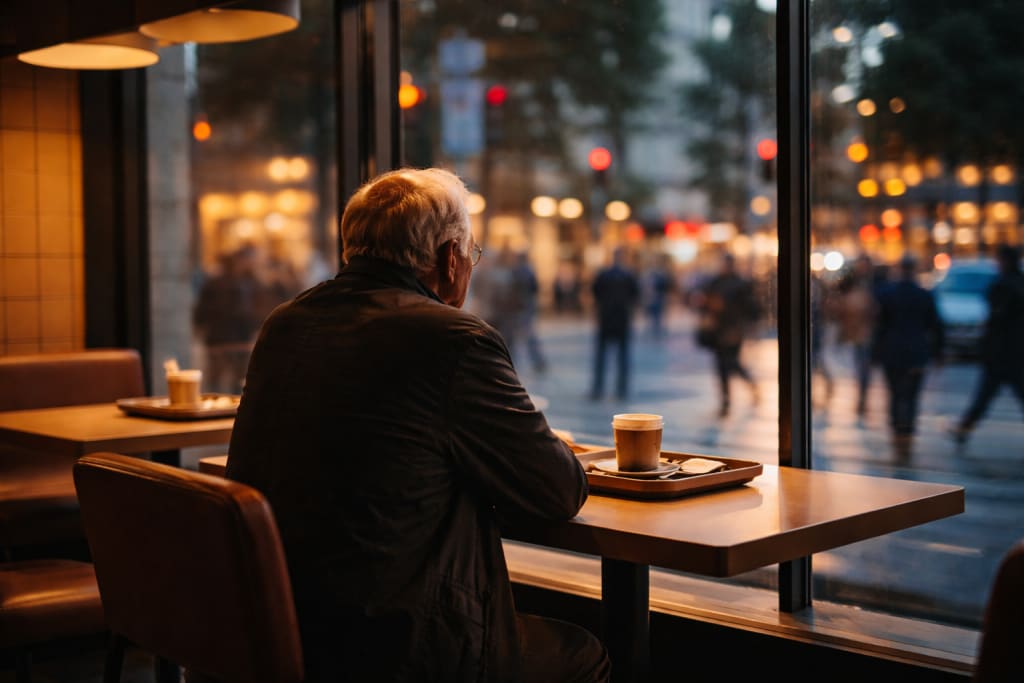
It only takes a few minutes sitting inside a McDonald’s, at almost any time of day, to notice a quiet but meaningful phenomenon. Elderly people are there. Sometimes alone, sometimes in pairs, sometimes simply seated with a coffee or a barely touched tray. They take their time. They observe. They watch life move around them. Nothing dramatic. Nothing noisy. And yet, their presence speaks volumes.
To some, this image may seem surprising or even slightly amusing. To others, it goes completely unnoticed. But it is far from insignificant. It has nothing to do with food, trends, or consumption habits. It is about society. It is about aging. And above all, it is about a fundamental human need: the need to still have a place in the world, without pressure, without justification, without having to prove one’s usefulness.
This is not an ideological choice. It is not a statement. It is a quiet adaptation.
1. A place that is always open, without appointments or commitments
As people grow older, opportunities to go out tend to diminish. Friends gradually disappear, invitations become less frequent, and daily rhythms change. Many seniors live with constraints: medical appointments, limited transportation options, fluctuating energy levels. In this context, a place that is open most of the day represents a rare form of freedom.
McDonald’s asks nothing of you. You can walk in without planning, without calling ahead, without explaining why you are there. This absence of obligation removes a subtle but heavy social pressure: the pressure to justify your presence, your time, your right to occupy space.
2. A heated, air-conditioned, predictable environment
This detail is often underestimated. For an elderly person, physical comfort is essential. Finding a warm place in winter, a cool one in summer, with accessible seating, stable lighting, and available restrooms is not as easy as it sounds.
Traditional cafés have changed. Some have become noisy, others expensive, others less welcoming to people who come alone or stay for long periods. McDonald’s, on the other hand, offers consistency. The layout is familiar, the environment predictable. This stability is deeply reassuring.
3. Known prices and financial predictability
Retirement often requires constant financial vigilance. Every outing can create anxiety: How much will this cost? Will I feel pressured to order more?
In these places, prices are clearly displayed, standardized, and familiar. There are no surprises. This transparency provides a sense of control and dignity. It allows people to return regularly, to stay longer, without worrying about their budget. This sense of security should not be underestimated.
4. The freedom to stay without being judged
In many establishments, staying too long without ordering becomes uncomfortable. Glances grow more insistent. Staff members pass by more frequently. The message becomes clear: it’s time to leave.
At McDonald’s, this pressure is largely absent. You can sit for an hour, two hours, sometimes longer. No one asks you to free the table. This silent permission is rare in modern public spaces, especially for older adults.
5. Being alone without being isolated
Solitude is not always a problem. Isolation is. Many seniors are not necessarily seeking conversation at all costs. They are seeking presence. A human atmosphere without obligation.
The background noise, the conversations, the movement create a reassuring environment. One is no longer alone at home, facing silence. One is among people, even without interacting. This distinction is essential for emotional well-being.
6. A discreet connection to the present
Being surrounded by people of all ages helps seniors remain connected to contemporary life. Seeing young people, families, workers reminds them that society is still moving forward.
This visual connection nurtures a sense of belonging. It prevents the feeling of being pushed aside or confined to spaces reserved only for “the elderly.” It allows people to remain part of the social flow, even quietly.
7. The gradual disappearance of traditional social spaces
In the past, neighborhood cafés, public squares, and local shops fulfilled this role. People gathered there, talked, and felt recognized.
Many of these places have disappeared or transformed. Some have become too expensive. Others have shifted toward different clientele. McDonald’s did not replace these spaces by cultural choice, but by structural necessity.
8. Watching movement as a way to stay mentally active
Observing life is not a passive activity. Watching people, imagining their stories, sensing collective energy stimulates the mind. It nurtures curiosity and prevents mental withdrawal.
This need is rarely acknowledged as essential in discussions about aging, yet it plays a crucial role in psychological health and emotional balance.
9. A place without social hierarchy
At McDonald’s, there is no status to display. No dress code. No role to play. You are neither too old nor out of place. You simply exist.
This social neutrality is rare. It allows people to occupy space without explanation or apology. For many seniors, this absence of judgment is deeply comforting.
10. A reflection of our collective shortcomings
If so many elderly people spend time in these places, it is not because they are passionate about fast food. It is because our societies lack accessible, welcoming, affordable spaces where aging is not treated as an inconvenience.
Spaces where you can be present without excessive consumption. Where you can stay without being rushed. Where you are not made to feel invisible or burdensome.
Conclusion
Seeing seniors at McDonald’s is neither amusing nor trivial. It is a quiet but powerful signal. It reveals an intelligent adaptation to urban environments that leave little room for peaceful aging.
These individuals are not trying to provoke, nor are they clinging to the past. They are simply trying to remain part of the world, using the spaces that remain available to them, without disturbing anyone.
The real question, then, is not why they go to McDonald’s, but why our societies have failed to create more simple, humane, and open spaces to support aging with dignity.
Until such spaces exist, these unexpected places will continue to fulfill a role no one originally designed them for.
About the Creator
Bubble Chill Media
Bubble Chill Media for all things digital, reading, board games, gaming, travel, art, and culture. Our articles share all our ideas, reflections, and creative experiences. Stay Chill in a connected world. We wish you all a good read.
Keep reading
More stories from Bubble Chill Media and writers in Longevity and other communities.
How to Avoid Looking Old-Fashioned Without Losing Who You Are
Growing older does not automatically mean becoming disconnected, rigid, or outdated. Yet many seniors share a quiet fear: appearing “old-fashioned.” Not because they are ashamed of their age, but because they sometimes feel a growing gap between themselves and a world that seems to be moving faster every year.
By Bubble Chill Media 11 days ago in Longevity
Wellness for Therapists: Small Adjustments That Make a Big Difference
The good news? Improving your well-being doesn’t require a dramatic life overhaul. Sometimes, small tweaks in your routine, environment, or mindset can lead to big shifts in how you feel and function. Below are some practical, easy-to-implement ideas designed specifically for therapists who want to feel better, work smarter, and bring more joy into their daily grind.
By Vala Flynn2 days ago in Longevity
Is Coffee Good or Bad for Your Brain? Science Finally Explains the Truth
Introduction Coffee is one of the most popular drinks in the world. Millions of people start their day with a cup of coffee. Some say coffee makes them smarter, faster, and more focused. Others believe coffee damages the brain and causes anxiety and poor sleep. So what is the truth?
By Adil Ali Khan2 days ago in Longevity



Comments
There are no comments for this story
Be the first to respond and start the conversation.