
5 NATO Allies Agree to Produce Low-Cost Drones
A joint defense initiative signals a shift toward affordable, mass-produced military technology as Europe strengthens its response to modern warfare demands.

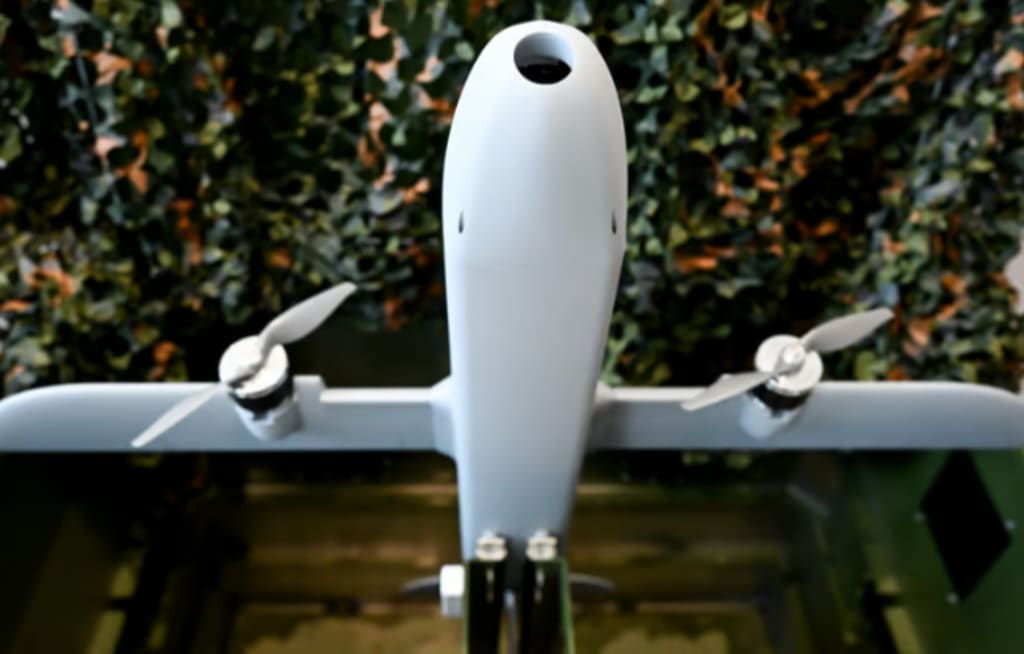
In a move that underscores how warfare and defense strategy are rapidly evolving, five member nations of the North Atlantic Treaty Organization have agreed to jointly develop and produce low-cost military drones. The announcement highlights a growing recognition that future conflicts will rely not only on advanced fighter jets and missile systems but also on scalable, affordable unmanned aerial vehicles that can be produced in large numbers.
The agreement reflects lessons learned from recent global conflicts, where drones have emerged as essential tools for surveillance, reconnaissance, and battlefield precision. Rather than relying solely on expensive high-end systems, NATO allies are now prioritizing mass production of simpler, cost-effective drones capable of meeting modern defense needs.
Why Low-Cost Drones Matter
For decades, military technology emphasized superiority through highly sophisticated and costly equipment. While those systems remain critical, recent conflicts have revealed a new reality: wars can be shaped by inexpensive drones that provide real-time intelligence and tactical advantages at a fraction of the cost.
Low-cost drones are easier to replace if destroyed, quicker to deploy, and more flexible for different missions. They can be used for surveillance, target identification, electronic warfare, and even direct strikes when equipped with lightweight munitions.
By investing in affordable drones, NATO allies aim to ensure they can respond effectively to large-scale threats without exhausting budgets on single-use high-value equipment.
The Five Nations and Their Shared Goal
The five NATO allies participating in the agreement have not only pledged cooperation but also committed to sharing technological resources, manufacturing capacity, and research expertise. The goal is to create a standardized drone platform that can be adapted for various military roles while remaining economical.
This collaborative approach reflects NATO’s broader strategy of interoperability—ensuring that allied forces can work seamlessly together in joint operations. Producing drones under a unified framework also reduces duplication of effort and speeds up deployment across multiple nations.
Officials involved in the agreement emphasized that this initiative is defensive in nature, designed to improve preparedness and deterrence rather than escalate conflict.
Lessons from Modern Warfare
Recent conflicts have dramatically reshaped military thinking. Small, commercially inspired drones have proven capable of disrupting tanks, surveillance systems, and even command centers. These examples have shown that technological advantage does not always come from size or expense but from adaptability and quantity.
Military analysts argue that affordable drones allow armed forces to operate with greater situational awareness. When deployed in large numbers, they can overwhelm enemy defenses, provide constant battlefield updates, and reduce risks to human soldiers.
The NATO drone initiative is a direct response to this shift. It recognizes that future wars may be defined by swarms of inexpensive unmanned systems rather than a handful of elite aircraft.
Economic and Industrial Implications
Beyond defense strategy, the agreement also carries significant economic implications. Joint drone production will stimulate manufacturing sectors across the participating countries and create new opportunities for technology firms and defense contractors.
By focusing on low-cost design, the program encourages innovation in materials science, battery technology, and artificial intelligence. Smaller companies and startups may also benefit, as governments seek efficient and creative solutions rather than traditional large-scale weapons platforms.
This approach could position Europe as a competitive force in the global drone market, which is expected to grow rapidly over the next decade. Civilian industries—such as logistics, agriculture, and emergency response—may also benefit from technological spillovers developed through military research.
Concerns About Proliferation and Ethics
While the initiative is widely seen as a step toward modernization, it has also raised ethical and security concerns. Critics warn that increasing production of drones, even low-cost ones, could lead to greater proliferation of unmanned weapons systems.
There are fears that such technology could fall into the wrong hands or be misused outside traditional battlefields. Human rights groups have long cautioned against the normalization of autonomous or semi-autonomous weapons, arguing that accountability becomes blurred when machines are involved in combat decisions.
NATO officials have attempted to reassure the public by emphasizing that these drones will remain under human control and adhere to international laws of armed conflict. Safeguards and regulations are expected to be part of the development process.
A Strategic Message to Rivals
The agreement also carries symbolic weight. It sends a message to rival powers that NATO is adapting quickly to the changing nature of warfare. Rather than relying solely on Cold War-era doctrines, the alliance is embracing technologies that reflect 21st-century realities.
Low-cost drones allow NATO to demonstrate readiness without dramatically increasing defense budgets. They also provide a visible example of unity among allied nations at a time when geopolitical tensions remain high.
By pooling resources and knowledge, the five countries aim to show that collective defense can be both efficient and innovative.
The Role of Artificial Intelligence
Many of the drones produced under this agreement are expected to incorporate elements of artificial intelligence. AI can assist with navigation, obstacle avoidance, and data analysis, enabling drones to operate more effectively in complex environments.
However, this introduces further debate about autonomy in warfare. While the drones will not be fully autonomous weapons, the growing reliance on AI raises questions about decision-making processes and responsibility in military operations.
Balancing technological advancement with ethical oversight will be one of the initiative’s most critical challenges.
What Comes Next
The next phase of the program will focus on research, prototyping, and testing. Once designs are finalized, participating nations plan to begin production within a relatively short timeframe.
Defense officials have stated that the drones will initially be used for surveillance and reconnaissance missions, with the possibility of expanded roles depending on operational needs. Training programs will also be developed to ensure soldiers can effectively deploy and maintain the new systems.
Long-term, the alliance hopes this model of collaboration can be applied to other emerging technologies, such as robotics and cyber defense.
Conclusion: A New Era of Military Technology
The agreement by five NATO allies to produce low-cost drones marks a significant shift in defense strategy. It reflects an understanding that modern warfare is no longer dominated solely by large, expensive weapons but by adaptable, scalable technologies that can be deployed quickly and efficiently.
While the initiative raises important questions about ethics and security, it also demonstrates NATO’s determination to remain relevant in an era defined by rapid technological change.
As drones become central to military operations, this project may well be remembered as the moment when affordability and innovation reshaped the future of defense. The skies of tomorrow will not only be filled with fighter jets—but with fleets of small, intelligent machines designed to protect allied nations in an increasingly complex world.
About the Creator
Sajida Sikandar
Hi, I’m Sajida Sikandar, a passionate blogger with 3 years of experience in crafting engaging and insightful content. Join me as I share my thoughts, stories, and ideas on a variety of topics that matter to you.
Keep reading
More stories from Sajida Sikandar and writers in The Swamp and other communities.
After Lonely Baby Monkey Goes Viral, His Ikea Comfort Toy Sells Out
In a world often overwhelmed by bad news, it only takes one small, emotional story to remind people of kindness and connection. That moment arrived when a video of a lonely baby monkey clutching a soft stuffed toy went viral across social media platforms. The monkey, visibly frightened and seeking comfort, wrapped its tiny arms around the plush toy as if it were a lifeline.
By Sajida Sikandarabout 8 hours ago in The Swamp
A Gathering of Evil Bosses
“I’m the queen of chin jutting while I smooth my hair, attacking, insulting, and deflecting to protect my appointer.” “Oh, please, Blondi, my hair is curled, highlighted, and longer than yours. I feature television commercials telling immigrants that we will give them a free plane ride home, and if they voluntarily turn themselves in, they will be allowed to legally apply for re-entry. It runs everywhere, and I look good in it! You can’t compete because of your blond hair. Mine is nicer, and my lips are prettier than yours.”
By Andrea Corwin 3 days ago in The Swamp




Comments
There are no comments for this story
Be the first to respond and start the conversation.