
After Lonely Baby Monkey Goes Viral, His Ikea Comfort Toy Sells Out
A touching moment between a rescued baby monkey and a plush toy captures the internet’s heart—turning a symbol of comfort into an unexpected global bestseller.

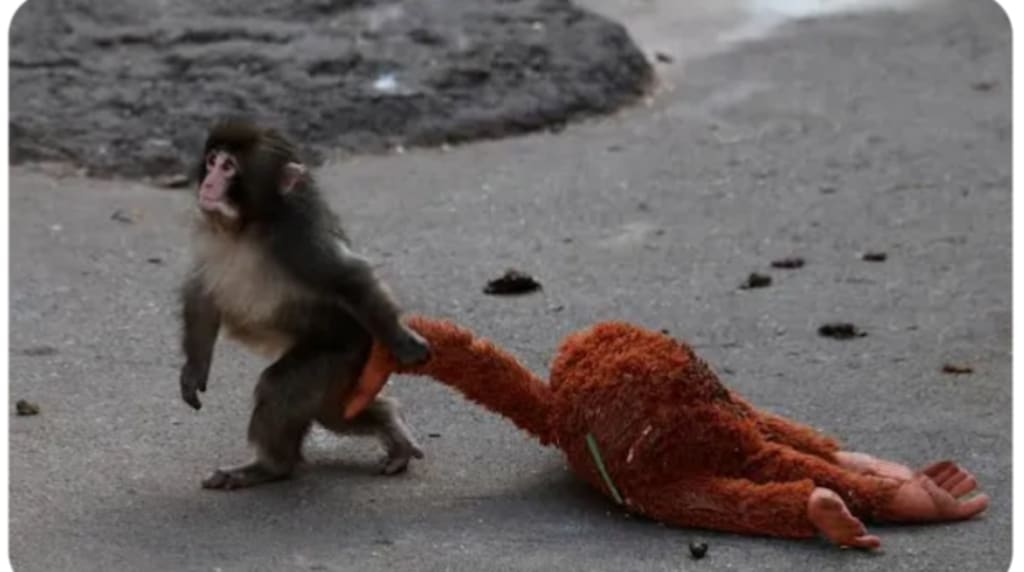
In a world often overwhelmed by bad news, it only takes one small, emotional story to remind people of kindness and connection. That moment arrived when a video of a lonely baby monkey clutching a soft stuffed toy went viral across social media platforms. The monkey, visibly frightened and seeking comfort, wrapped its tiny arms around the plush toy as if it were a lifeline.
Within days, millions of viewers had watched, shared, and commented on the clip. And in an unexpected twist, the comfort toy featured in the video—sold by Ikea—sold out in multiple countries.
What began as a quiet scene of compassion became a global phenomenon blending emotion, consumer culture, and the power of the internet.
The Viral Moment That Touched Millions
The video showed a rescued baby monkey sitting alone in a recovery area after being separated from its mother. The animal appeared anxious and vulnerable, rocking slightly as it clung tightly to a plush toy placed beside it by caretakers.
There was no dramatic soundtrack or special effects—just a small animal seeking comfort. That simplicity is what made it so powerful. Viewers described the scene as heartbreaking yet hopeful, noting how the monkey’s instinct to hold onto something soft mirrored human behavior.
Many people saw their own emotions reflected in the monkey’s actions: fear, loneliness, and the universal desire to feel safe.
Within hours, the clip spread across TikTok, Instagram, and X (formerly Twitter). Hashtags related to the baby monkey quickly began trending, and users flooded comment sections with messages of support and empathy.
From Comfort Object to Consumer Craze
Soon, viewers began asking the same question: Where can I buy that toy?
Internet sleuths identified the plush as an Ikea product, known for its soft texture and simple animal design. Fans rushed to purchase it—not just as a toy, but as a symbol of compassion and emotional comfort.
What followed was a retail surprise. The plush toy sold out in several regions within days. Online listings showed “out of stock” notices, and resale prices even appeared on secondary marketplaces.
For Ikea, the surge in demand was unexpected. The product had existed quietly for years, but a single viral moment turned it into a cultural icon almost overnight.
Why This Story Resonated So Deeply
The baby monkey’s story struck a nerve because it tapped into something deeply human: empathy.
Psychologists note that humans are especially responsive to images of young, vulnerable creatures. The monkey’s small size, wide eyes, and trembling grip on the toy triggered protective instincts in viewers.
In an era of digital fatigue and political division, the video offered something rare—a moment of pure emotional connection without controversy.
It also reflected the importance of comfort objects in times of stress. From childhood teddy bears to blankets and pillows, people have long relied on physical items to feel secure. Seeing an animal do the same made the moment feel universal.
The Role of Social Media in Shaping Demand
This incident is another example of how social media can dramatically influence consumer behavior. A product doesn’t need advertising campaigns or celebrity endorsements anymore—sometimes all it needs is emotional storytelling.
Unlike traditional marketing, the baby monkey video felt organic and authentic. There was no branding visible at first, no product placement strategy. The toy simply happened to be there.
That authenticity made people trust the moment. Instead of buying the toy because it was fashionable, many bought it because it represented comfort, care, and emotional resilience.
This shift highlights how modern consumers increasingly connect with meaning rather than just material value.
Animal Welfare in the Spotlight
Beyond the commercial success, the story also brought renewed attention to animal rescue and rehabilitation efforts. The baby monkey had been separated from its mother due to environmental and human-related threats.
Animal welfare organizations used the viral moment to educate the public about the challenges faced by young animals in captivity or after rescue. Donations reportedly increased to several wildlife charities following the video’s popularity.
The plush toy became a symbol not just of comfort, but of the responsibility humans have toward vulnerable animals.
Some advocates cautioned against romanticizing animal suffering, urging viewers to support long-term conservation efforts rather than focusing only on the viral clip.
A Marketing Lesson No One Planned
For Ikea, the moment served as an unintentional marketing triumph. Without issuing advertisements or promotions, the company gained worldwide attention for a single product simply because of its emotional association.
This type of exposure is rare and difficult to replicate. It shows that emotional narratives can be more powerful than polished campaigns.
Ikea responded with a brief statement acknowledging the viral moment and expressing support for animal welfare initiatives. The company also reassured customers that more stock would be produced to meet demand.
What started as a quiet comfort object for a frightened monkey became a case study in emotional branding.
A Symbol of Comfort in a Chaotic World
In many ways, the toy’s popularity reflects broader cultural trends. People today are searching for reassurance and stability amid economic uncertainty, social change, and global crises.
The monkey’s simple act of hugging a toy became a metaphor for how people cope with fear—by holding onto something familiar and soft.
Parents bought the toy for their children, adults bought it for themselves, and some even sent it as gifts to friends dealing with anxiety or grief.
The toy was no longer just a product. It had become a story.
Conclusion: When Kindness Goes Viral
The tale of the lonely baby monkey and his comfort toy proves that the internet still has the power to unite people around compassion.
What began as a quiet moment in a rescue center turned into a global movement of empathy, awareness, and unexpected consumer action. The sold-out Ikea plush stands as a reminder that even the smallest acts—placing a toy beside a frightened animal—can ripple outward in ways no one anticipates.
In a digital world driven by clicks and trends, this story stands apart because it wasn’t about outrage or spectacle. It was about comfort.
And perhaps that’s why it mattered so much.
Sometimes, all it takes to capture the world’s attention is a tiny monkey, a soft toy, and a moment of genuine connection.
About the Creator
Sajida Sikandar
Hi, I’m Sajida Sikandar, a passionate blogger with 3 years of experience in crafting engaging and insightful content. Join me as I share my thoughts, stories, and ideas on a variety of topics that matter to you.
Reader insights
Nice work
Very well written. Keep up the good work!
Top insights
Eye opening
Niche topic & fresh perspectives
Masterful proofreading
Zero grammar & spelling mistakes
Keep reading
More stories from Sajida Sikandar and writers in The Swamp and other communities.
China Showcases Humanoid Martial Arts Robots: Should Europe Be Worried?
The world recently watched in awe as China unveiled humanoid robots capable of performing martial arts routines with striking precision and agility. These machines delivered choreographed kicks, punches, and complex stances that looked straight out of a science-fiction film. What once seemed futuristic fantasy is now an engineering reality—and it has sparked a wave of debate across the globe.
By Sajida Sikandarabout 21 hours ago in The Swamp
A Gathering of Evil Bosses
“I’m the queen of chin jutting while I smooth my hair, attacking, insulting, and deflecting to protect my appointer.” “Oh, please, Blondi, my hair is curled, highlighted, and longer than yours. I feature television commercials telling immigrants that we will give them a free plane ride home, and if they voluntarily turn themselves in, they will be allowed to legally apply for re-entry. It runs everywhere, and I look good in it! You can’t compete because of your blond hair. Mine is nicer, and my lips are prettier than yours.”
By Andrea Corwin 4 days ago in The Swamp
Pakistan Accused of Denying Treatment for Imran Khan’s Failing Eyesight
Former Pakistani Prime Minister Imran Khan is reportedly facing worsening eyesight, with allegations emerging that authorities have denied him access to timely medical care. Sources close to Khan indicate that his right eye has lost significant vision, with doctors warning that further delays could result in permanent impairment. The situation has drawn attention from human rights organizations, political analysts, and the international community, raising questions about the treatment of high-profile political figures under house arrest or government scrutiny. The Health Situation According to insiders, Khan’s vision deterioration began months ago, initially manifesting as blurred vision and reduced visual acuity in his right eye. Medical examinations reportedly revealed advanced damage to the optic nerve, which experts say could lead to irreversible blindness if not treated promptly. Khan’s personal doctors have reportedly recommended immediate intervention, including specialized surgical procedures and continuous monitoring. However, supporters claim that the government has not permitted him to access necessary treatment outside controlled facilities. Reports indicate that Khan’s medical appointments have been repeatedly delayed, with bureaucratic restrictions cited as the primary obstacle. Some political commentators describe the situation as a deliberate effort to undermine his well-being and limit his public engagements. Political Context Khan, who was ousted from office in a no-confidence vote in 2022, remains a central figure in Pakistan’s political landscape. His Pakistan Tehreek-e-Insaf (PTI) party continues to enjoy substantial popular support, and Khan’s personal charisma has made him a polarizing figure. Analysts note that restricting access to medical care for prominent political figures is highly unusual and has heightened tensions between the government and opposition supporters. Political allies have framed the allegations as part of a broader pattern of targeting Khan and his supporters. “This is not just about health; it’s about intimidation,” said a senior PTI official. “Denial of medical care to a political leader is unacceptable under any democratic or human rights framework.” Human Rights and Legal Concerns The claims have drawn attention from human rights advocates, who emphasize that access to medical care is a fundamental right. International observers have urged Pakistani authorities to ensure that Khan receives prompt and appropriate treatment. Delays in care for high-risk conditions, such as deteriorating eyesight, can have lasting consequences and are considered serious violations of medical and human rights standards. Legal experts note that under Pakistani law, citizens—including political figures—are entitled to medical attention regardless of their political status. Denying treatment could expose authorities to both domestic and international scrutiny, particularly if the situation leads to permanent disability. Public Reaction News of Khan’s alleged treatment denial has fueled protests and social media campaigns. Supporters have called for urgent intervention, using hashtags and online platforms to demand medical access. Street demonstrations have been reported in several major cities, with protestors emphasizing the broader implications of denying healthcare to political leaders. Opposition figures argue that the case is emblematic of a wider erosion of rights and liberties, while government spokespeople have largely remained silent, citing security and procedural concerns. Analysts suggest that the lack of transparency has intensified speculation and public concern, further politicizing Khan’s health condition. Implications and Outlook If the allegations are confirmed, Khan’s health crisis could have significant political and social repercussions. Beyond the personal risk to a prominent leader, the case raises questions about the treatment of political detainees and opposition figures in Pakistan. Observers warn that mishandling the situation could inflame public tensions and undermine trust in government institutions. Medical experts stress the urgency of intervention. Prompt surgical or therapeutic measures could stabilize Khan’s eyesight and prevent permanent damage. Meanwhile, political analysts are monitoring how the situation might affect PTI’s activities, public support, and upcoming political developments. As Pakistan grapples with a complex intersection of health, politics, and human rights, the international community continues to watch closely. The outcome of Khan’s medical access could set important precedents for the treatment of political figures and the broader protection of citizen rights in the country.
By Fiaz Ahmed 7 days ago in The Swamp
Winterthorne
Winterthorne stood alone at the edge of the park. The beautiful snow that had surrounded him was all trampled now, from the feet of all of the children who had built him. He missed the sparkly clean snow blanket, but he was happy that so many children had come out to make him.
By Laura DePaceabout 20 hours ago in Fiction



Comments
There are no comments for this story
Be the first to respond and start the conversation.