
Aid Reaches Sudan’s Kordofan as Over 30 Countries Alarmed by Drone Attacks
Formal / News Style Humanitarian convoys deliver critical supplies amid escalating drone strikes International concern grows over civilian protection as drones target Kordofan 🔹 Neutral & Informative Aid reaches displaced populations while nations call for immediate ceasefire Drone attacks disrupt relief efforts and deepen humanitarian crisis

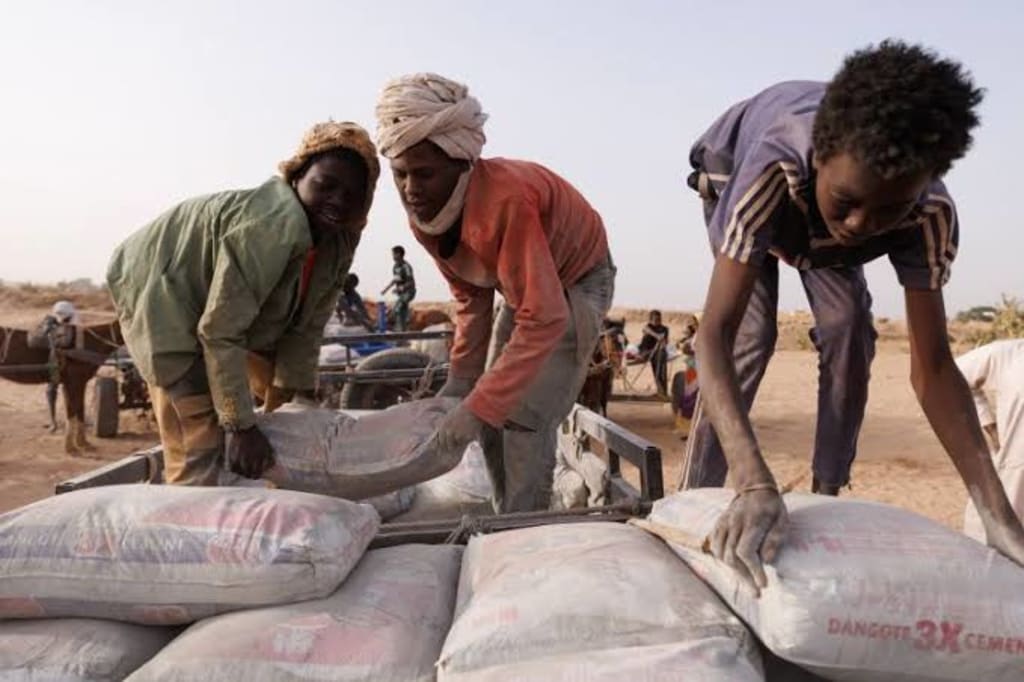
Humanitarian aid has finally reached the conflict-affected region of Kordofan, providing essential supplies to tens of thousands of civilians displaced by ongoing violence. The delivery comes amid mounting international concern over drone attacks in the area, which have drawn condemnation from more than 30 countries and raised urgent questions about civilian protection in Sudan.
The humanitarian convoy, coordinated by the United Nations and local NGOs, delivered food, water, and medical supplies to communities that have been cut off from aid for weeks. Officials reported that thousands of families were suffering from acute shortages, with hospitals struggling to provide care for the injured and sick.
Growing Threat of Drone Warfare
According to Sudanese authorities and independent monitors, the Kordofan region has witnessed an unprecedented use of armed drones targeting both rebel and civilian areas. The attacks have caused dozens of casualties, destroyed infrastructure, and disrupted aid delivery, exacerbating the humanitarian crisis.
Military analysts describe the drone strikes as a “new dimension of conflict,” capable of hitting remote targets with precision while complicating the operational environment for peacekeepers and aid agencies. Many of the drones appear to be supplied or supported by external actors, though identifying the exact sources remains challenging.
The escalation has alarmed over 30 countries, which issued a joint statement calling for an immediate cessation of drone strikes and the protection of civilians under international law. Nations from Africa, Europe, the Middle East, and the Americas highlighted the dangers of unregulated drone warfare in densely populated regions and stressed the need for international monitoring.
Humanitarian Response
Aid agencies have mobilized rapidly to respond to the unfolding crisis. Teams from International Committee of the Red Cross, Médecins Sans Frontières, and local Sudanese NGOs coordinated with the United Nations to ensure supplies reach displaced populations. Food rations, clean water, and emergency medical kits were prioritized for the most vulnerable, including women, children, and the elderly.
“We have faced enormous logistical challenges due to active conflict zones and restricted access,” said a UN relief coordinator. “Reaching Kordofan safely required negotiations with multiple actors and careful route planning to avoid drone-threatened areas.”
The aid operation also included medical teams capable of treating injuries caused by drone strikes and explosive remnants. Hospitals reported treating patients with burns, shrapnel wounds, and trauma-related conditions, highlighting the civilian cost of the modern battlefield.
International Concern
The situation in Kordofan is increasingly viewed as a test case for international responses to drone warfare in conflict zones. Experts warn that the unregulated proliferation of drones could transform local conflicts into wider regional crises.
Countries monitoring the situation have emphasized the importance of accountability and transparency. Diplomatic channels have been activated to urge all parties to allow safe passage for humanitarian convoys and to abide by international humanitarian law.
The United Nations Security Council is reportedly discussing the deployment of a monitoring mission to oversee compliance and investigate allegations of drone-related civilian harm. Several nations have called for sanctions against parties responsible for attacks on non-combatants.
Local Impact and Challenges
Despite the arrival of aid, many Kordofan residents continue to live under constant fear of drone attacks. Schools remain closed, markets are disrupted, and families are hesitant to leave shelters due to the threat of aerial strikes. Local leaders have urged the international community to act decisively to prevent further escalation and ensure long-term security for civilians.
Aid agencies also warn that sustained assistance will be necessary for months, if not years, to rebuild infrastructure, restore healthcare services, and support displaced populations. The combination of armed drones and ongoing conflict poses ongoing challenges for both humanitarian workers and affected communities.
Conclusion
The arrival of aid in Kordofan marks a crucial step in addressing the immediate humanitarian crisis. However, the drone attacks highlight the evolving nature of warfare and the need for international vigilance. With more than 30 countries expressing alarm, the global community faces mounting pressure to protect civilians, regulate the use of drones, and support long-term stability in Sudan.
About the Creator
Fiaz Ahmed
I am Fiaz Ahmed. I am a passionate writer. I love covering trending topics and breaking news. With a sharp eye for what’s happening around the world, and crafts timely and engaging stories that keep readers informed and updated.
Keep reading
More stories from Fiaz Ahmed and writers in The Swamp and other communities.
Vietnamese Airlines Sign $30‑Bln Deals for 90 Boeing Jets
Several Vietnamese carriers have signed historic aviation deals totaling around $30 billion with Boeing, marking one of the largest commercial aircraft purchases in Vietnam’s history and signalling deeper economic ties between Vietnam and the United States. The agreements will bring 90 new aircraft into the fleets of three airlines and are expected to shape the nation’s civil aviation sector for years to come. Major Purchase Agreements The contracts were signed on February 18, 2026, during a visit to Washington by To Lam, head of the Communist Party of Vietnam, who attended the inaugural meeting of the Board of Peace — an initiative launched by U.S. President Donald Trump aimed at addressing global conflicts and fostering international cooperation. Vietnam’s flag carrier, Vietnam Airlines, agreed to purchase 50 Boeing 737‑8 jets in an $8.1 billion deal. These narrow‑body aircraft are intended to modernize and expand the airline’s short‑ and medium‑haul network. Deliveries are slated for 2030–2032, with the expanded fleet expected to grow to about 151 aircraft by 2030. Vietnam Airlines is also reportedly in discussions with Boeing for an additional 30 wide‑body aircraft, potentially worth up to $12 billion, which could further expand its long‑haul capabilities and boost international connectivity. In addition, Sun PhuQuoc Airways, a newly launched carrier backed by the Sun Group conglomerate, signed a $22.5 billion deal for 40 Boeing 787‑9 Dreamliners. These long‑range jets are expected to serve intercontinental and premium routes, enhancing Vietnam’s global connectivity and expanding the airline’s reach beyond regional destinations. Finally, budget carrier Vietjet secured a $965 million financing arrangement with U.S. financier Griffin Global Asset Management to acquire six Boeing 737‑8 aircraft, supporting its efforts to broaden international funding sources and strengthen its operational base. Strategic Impacts on Vietnam’s Aviation Sector The combined $30 billion investment reflects Vietnam’s ambition to become a major aviation hub in Southeast Asia. Analysts note the country’s air travel demand has been growing rapidly, driven by tourism, business travel, and economic expansion. The additions of Boeing’s 737 and 787 models will allow airlines to increase capacity on key domestic and international routes while modernizing fleets with more fuel‑efficient aircraft. Sun PhuQuoc’s Dreamliner acquisition is particularly significant, as the 787‑9 is widely regarded for its long‑range capabilities and fuel efficiency, enabling nonstop flights between Vietnam and distant markets such as the United States, Europe, and parts of the Middle East. This aligns with broader ambitions to elevate Vietnam’s presence on the global aviation stage. Vietnam Airlines’ mix of narrow‑body and potential wide‑body purchases signals a dual strategy: strengthening its regional network with 737s while exploring expansion into more international segments with larger aircraft. This dual focus is intended to meet both passenger demand and competitive pressures from other carriers in the Asia‑Pacific region. Economic and Trade Dimensions The aircraft orders arrive at a time of ongoing trade negotiations between Vietnam and the United States. Vietnam has signalled willingness to increase purchases of U.S. goods, even as tariffs remain on many Vietnamese products. Aviation deals such as these not only support Vietnam’s civil aviation growth but also bolster U.S. aerospace exports, contributing to economic ties between the two countries. Officials on both sides have highlighted how such large‑scale purchases create jobs, support manufacturing, and foster deeper commercial partnerships. Boeing’s production schedule is expected to benefit from the firm orders as it manages global demand for its aircraft. Looking Ahead These agreements represent a pivotal moment for Vietnam’s airline industry, positioning it for growth and enhanced global connectivity. As deliveries begin later in the decade, Vietnam Airlines, Sun PhuQuoc Airways, and Vietjet will be able to offer expanded services, improve route efficiency, and meet rising passenger expectations. Analysts say Vietnam’s aviation market, forecast to be one of the fastest‑growing in Southeast Asia, could see continued investment in aircraft and infrastructure as carriers aim to capitalize on increased travel demand and strategic international partnerships.
By Fiaz Ahmed a day ago in The Swamp
Why Black History Matters in America?
The United States of America is celebrating their 250th anniversary in 2026. I'm proud to be an American and as someone who was born here, I wouldn't imagine myself living anywhere else. This is a country where opportunities are possible. Where anyone can be successful in anything they desire to do. Equality, community, and togetherness are the backbones of what America is and should be about. However, we have an administration who wants to erase and disregard those who have made positive, meaningful impacts in our country, specifically Black figures, such as Martin Luther King, Jr., Rosa Parks, and Maya Angelou. President Trump and his administration have been constantly complaining and fighting against what they call the "Woke agenda". They use this excuse as a distraction from other issues they refuse to address, such as the high cost of living, climate change, and inflation. That equality is dividing America, when in reality, it's bringing us together. Being woke is not tied to a specific political party. No matter where you stand on the political spectrum, you can still care about other people and their plights. Compassion and empathy for others isn't tied to a political party, either. We were taught as children to treat others the way we want to be treated and not judge others because they're different from us. Caring about others isn't a personal attack on your beliefs. It doesn't make you any less of a person. People who are easily offended over African American figures, past or present, or anything related to it, are grasping at straws. Current and future generations need to know who people like Harriet Tubman and Shirley Chisholm were, especially in the classroom. Black History is part of American History. It should be recognized, not hidden or forgotten. Besides, you can't shield children from everything, just because your feelings are easily hurt.
By Mark Wesley Pritchard 18 days ago in The Swamp



Comments
There are no comments for this story
Be the first to respond and start the conversation.