
County Seeks Federal Review Over ‘Severe’ Medicare Billing Issues at Metro-East Nursing Home
Local Officials Call for Investigation as Questions Grow Over Oversight and Accountability
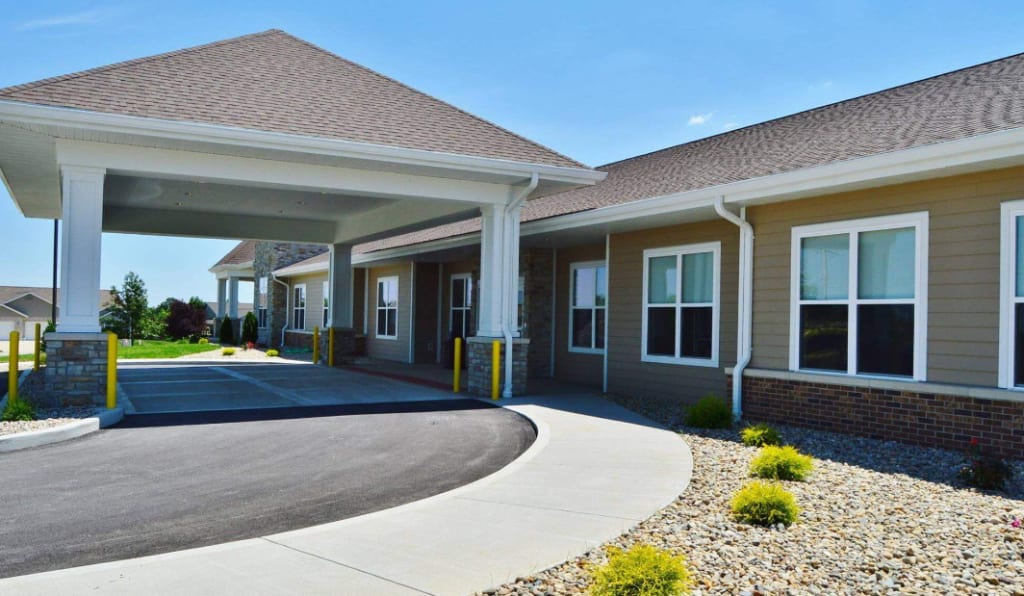
County officials in the Metro-East region are preparing to formally request a federal review after identifying what they describe as “severe” Medicare billing irregularities at a local nursing home. The situation has raised alarms among policymakers, healthcare advocates, and families of residents, prompting calls for transparency and accountability.
At the center of the controversy is a skilled nursing facility that receives Medicare reimbursements for patient care services. According to county representatives, discrepancies discovered during routine oversight reviews suggest potential systemic billing errors that may warrant federal investigation.
What Triggered the Concern?
The issue came to light during a local audit examining financial and operational compliance within the facility. County oversight officials reported inconsistencies between documented patient services and Medicare billing submissions.
While officials have not publicly alleged fraud, they have characterized the findings as serious enough to require review by the Centers for Medicare & Medicaid Services (CMS). CMS oversees Medicare reimbursements and ensures that healthcare providers comply with federal standards.
The county board plans to formally ask federal authorities to examine:
Whether billing codes accurately reflect services provided
If documentation meets federal compliance requirements
Whether corrective measures are needed
Potential financial liabilities or penalties
Local leaders emphasized that the review request aims to protect both taxpayers and vulnerable residents.
Why Medicare Billing Matters
Medicare billing rules are complex and strictly regulated. Skilled nursing facilities receive reimbursements based on patient diagnoses, level of care, therapy services, and length of stay.
Incorrect billing — whether accidental or intentional — can result in significant financial consequences. Overbilling may lead to repayment demands, fines, or exclusion from federal programs. Underbilling, on the other hand, can affect operational sustainability.
Because Medicare is funded by taxpayers, ensuring accurate billing is considered a matter of public trust.
The Impact on Residents and Families
For families with loved ones residing in the facility, the situation is unsettling. While no direct allegations have been made regarding patient care quality, billing concerns can create uncertainty.
Healthcare advocates stress that financial irregularities do not automatically mean compromised care. However, they argue that financial oversight is closely tied to service quality. If resources are mismanaged, it can indirectly affect staffing levels, equipment availability, or facility improvements.
County officials have stated that patient safety remains the top priority. They have reassured residents that the request for federal review is proactive rather than punitive.
Federal Oversight and Potential Outcomes
If CMS agrees to review the case, federal auditors may conduct a detailed investigation. This process could involve:
Reviewing patient records
Comparing care documentation to billing claims
Interviewing facility administrators
Examining internal compliance policies
Possible outcomes include:
No action if discrepancies are minor or clerical
Corrective action plans requiring process improvements
Financial repayment of improperly billed amounts
Civil penalties in severe cases
In extreme scenarios involving intentional misconduct, cases can be referred to the U.S. Department of Justice for further legal action. However, officials have not indicated that such steps are currently under consideration.
The Broader Healthcare Accountability Landscape
Medicare billing compliance has been under heightened scrutiny nationwide. Nursing homes and long-term care facilities operate within strict reimbursement frameworks, and audits are common.
Federal regulators have increased monitoring in recent years following reports of billing abuse in various healthcare sectors. Advanced data analytics now allow agencies to flag unusual billing patterns more quickly.
The Metro-East case reflects a broader effort to ensure that taxpayer-funded healthcare dollars are used appropriately.
Community and Political Reaction
Local political leaders have expressed bipartisan support for the federal review request. Many argue that transparency strengthens public confidence in healthcare institutions.
Community advocacy groups have also weighed in, emphasizing the need for clear communication from facility management. Families want assurance that patient care remains unaffected and that any administrative issues will be addressed promptly.
At the same time, some healthcare administrators caution against drawing premature conclusions before a formal investigation occurs. Billing processes involve multiple layers of coding, documentation, and reimbursement adjustments that can sometimes produce technical discrepancies.
The Facility’s Response
The nursing home in question has acknowledged awareness of the county’s concerns and has stated that it is prepared to cooperate fully with any federal review. Facility representatives have indicated that they are conducting their own internal audit to verify billing procedures.
They maintain that their primary focus remains delivering quality care to residents and complying with all regulatory requirements.
Transparency during the review process will likely play a significant role in shaping public perception.
Balancing Oversight and Stability
County officials face a delicate balance. On one hand, they must protect public funds and ensure regulatory compliance. On the other, they must avoid destabilizing a facility that serves vulnerable elderly residents.
Public investigations can sometimes create anxiety among staff and families. Clear communication will be essential in maintaining trust.
Officials have emphasized that the goal is not to shut down the facility but to confirm compliance and implement improvements if necessary.
What Happens Next?
The county board is expected to submit a formal request to CMS in the coming weeks. Once submitted, federal authorities will determine whether to initiate a review and what scope it should cover.
In the meantime, the facility continues operations under existing oversight protocols. State health inspectors will also likely monitor developments.
The timeline for a federal review can vary depending on complexity, documentation volume, and staffing resources within CMS.
Conclusion: Accountability at the Forefront
The Metro-East nursing home billing issue underscores the importance of vigilance in publicly funded healthcare systems. While no conclusions have been drawn, the county’s decision to request a federal review signals a commitment to transparency and fiscal responsibility.
Medicare programs are essential lifelines for millions of seniors. Ensuring that funds are billed and distributed accurately protects both taxpayers and patients.
As federal authorities evaluate the situation, the focus will remain on maintaining quality care for residents while clarifying whether billing discrepancies represent clerical errors or deeper compliance concerns.
For now, the case serves as a reminder that accountability in healthcare extends beyond patient rooms — it reaches into financial systems, regulatory frameworks, and the trust that communities place in their care providers.
About the Creator
The Saddest Thing - The Billionaires Who Rule America Aren't Even Enjoying Themselves
This single post says more about our ruling class than a thousand policy papers. The saddest thing about today's system is that the men robbing the rest of us - sabotaging our economic prospects, our pensions, our access to affordable healthcare - are not even happy.
By Scott Christenson🌴10 days ago in The Swamp
Ley’s Shadow Immigration Minister ‘Never Agreed’ to Unreleased Liberal Plan to Ban Migrants from Gaza and Somalia
Australia’s opposition Liberal Party has been plunged into internal controversy after reports emerged of an unreleased policy proposal that would have banned migrants from Gaza and Somalia. The shadow immigration minister has publicly rejected claims that he supported the draft plan, saying he “never agreed” to the proposal and was not consulted before it appeared in internal discussions. The episode has intensified scrutiny of the party’s approach to immigration and national security at a time when political debate over refugee policy, border protection, and humanitarian obligations remains highly charged. The plan, reportedly circulated internally among senior Liberal figures, suggested restricting or suspending migration pathways for people from Gaza and Somalia, citing security and vetting concerns. However, the document was never formally adopted as party policy and was not released to the public. Its contents only became known after leaks triggered criticism from within and outside the party. Opposition Leader Sussan Ley has moved quickly to distance herself from the draft proposal, describing it as an “unapproved and incomplete internal document” that did not reflect the official position of the Liberal Party. Her office emphasized that any future immigration policy would be developed through proper cabinet and party processes rather than informal drafts. The shadow immigration minister was even more explicit in rejecting the plan. In a statement, he said he had not signed off on the proposal and did not support a blanket ban targeting migrants from specific conflict regions. “I never agreed to this policy, and it was not something I endorsed or approved,” he said. “Australia’s migration system must balance national security with humanitarian responsibility. Decisions should be based on individual assessments, not broad assumptions about entire populations.” Political Fallout and Internal Divisions The leaked proposal has revealed underlying divisions within the Liberal Party over how hardline its immigration stance should be. Some members argue that stricter controls are necessary to reassure voters concerned about security risks, while others fear that targeting specific regions could be seen as discriminatory and legally questionable. Senior Liberal sources acknowledged that the draft was prepared as part of internal policy brainstorming rather than a finalized platform. However, the wording — which reportedly named Gaza and Somalia specifically — raised alarm among moderate MPs and advisers who warned it could damage Australia’s international reputation and strain relations with humanitarian organizations. Opposition figures have accused the government of exploiting the controversy for political gain, while government ministers have criticized the Liberals for what they describe as “reckless and divisive thinking” on migration. A spokesperson for the governing party said the episode demonstrated “a lack of coherence and leadership” in opposition policy development, adding that Australia’s refugee and humanitarian intake must be guided by international law and evidence-based security assessments. Humanitarian and Legal Concerns Advocacy groups and legal experts were quick to condemn the reported proposal. Refugee organizations argued that banning migrants from Gaza and Somalia would violate Australia’s obligations under international refugee conventions, which require countries to assess asylum claims individually rather than by nationality or region. Human rights lawyers noted that both Gaza and Somalia are areas affected by long-running conflict and humanitarian crises, making their populations among the most vulnerable globally. “To single out people from war zones for exclusion undermines the core principles of refugee protection,” said one legal expert. “Security checks already exist in Australia’s migration system. A blanket ban would likely face serious legal challenges.” Muslim community leaders also expressed concern that the draft policy could fuel social division and stigmatization, particularly at a time when global conflicts have heightened tensions and misinformation. Party Leadership Response In an effort to contain the damage, Ley reiterated that the Liberal Party has no current policy to ban migrants from Gaza or Somalia and that any immigration proposals would go through formal consultation before being adopted. She also stressed that the shadow immigration minister’s position remained secure and that there had been no breach of discipline. “This was not an approved policy and does not represent where we stand,” Ley said. “We remain committed to a fair, orderly, and secure migration system that reflects Australia’s values.” However, political analysts say the controversy highlights the challenges Ley faces in maintaining unity within the opposition while appealing to both conservative and centrist voters. Broader Immigration Debate The incident comes amid renewed national discussion over immigration levels, refugee intake, and border security. Rising global displacement, conflicts in the Middle East and Africa, and domestic housing pressures have all placed migration policy under intense scrutiny. For the Liberal Party, the leak has complicated efforts to present a clear alternative to the government’s approach. Critics argue that even an unreleased proposal can shape public perception, especially when it touches on sensitive issues such as religion, conflict zones, and national identity. Political observers warn that unless the party clarifies its stance quickly, the controversy could linger and be used by opponents as evidence of internal disarray. Looking Ahead While the shadow immigration minister has firmly denied supporting the draft ban, questions remain about how the document was produced and who authored it. Ley has ordered an internal review of the policy development process to prevent similar incidents in the future. For now, the Liberal Party insists the proposal is dead. But the episode has reignited debate about how Australia should balance compassion with caution in an increasingly unstable world — and whether opposition parties can avoid policy missteps while seeking to redefine their platforms. As the political fallout continues, the controversy serves as a reminder that even unpublished ideas can have powerful consequences once they enter the public arena.
By Fiaz Ahmed about 18 hours ago in The Swamp




Comments
There are no comments for this story
Be the first to respond and start the conversation.