
Ley’s Shadow Immigration Minister ‘Never Agreed’ to Unreleased Liberal Plan to Ban Migrants from Gaza and Somalia
Formal / News Style Senior Liberal denies involvement in leaked draft policy targeting migrants from Gaza and Somalia Shadow immigration minister distances himself from controversial unreleased proposal 🔹 Neutral & Informative Internal tensions emerge as Liberal figures reject leaked immigration ban plan Unreleased draft policy sparks debate within Australia’s Liberal Party 🔹 Impactful Controversial migration proposal divides Liberals as key figures deny support

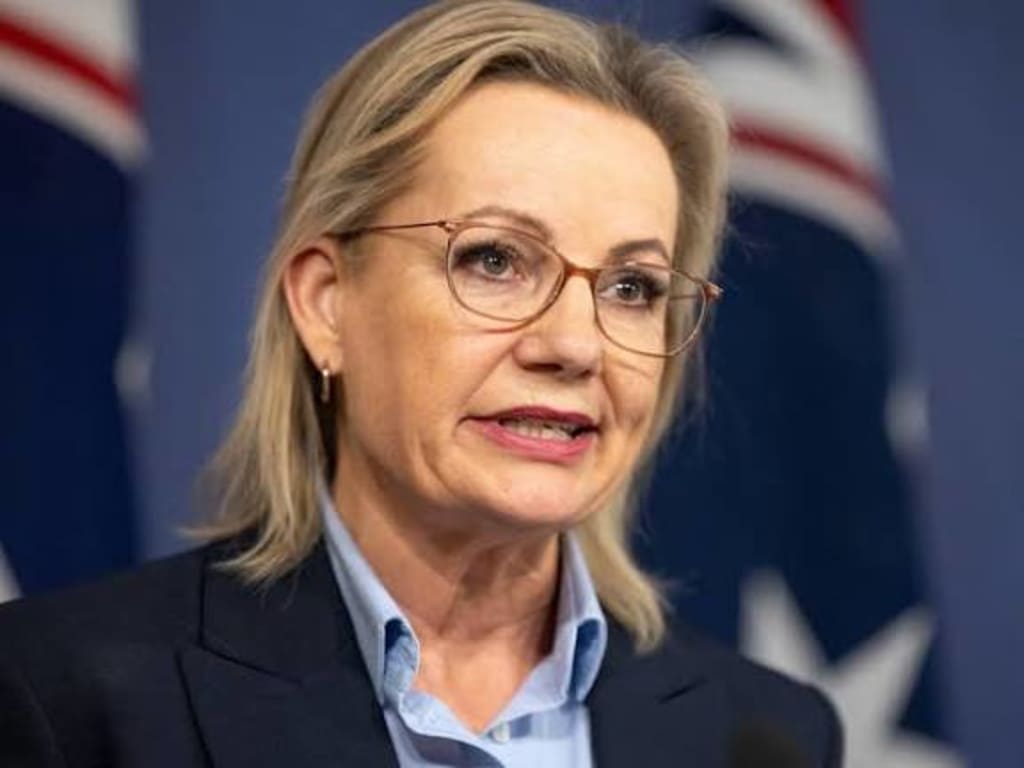
Australia’s opposition Liberal Party has been plunged into internal controversy after reports emerged of an unreleased policy proposal that would have banned migrants from Gaza and Somalia. The shadow immigration minister has publicly rejected claims that he supported the draft plan, saying he “never agreed” to the proposal and was not consulted before it appeared in internal discussions.
The episode has intensified scrutiny of the party’s approach to immigration and national security at a time when political debate over refugee policy, border protection, and humanitarian obligations remains highly charged.
The plan, reportedly circulated internally among senior Liberal figures, suggested restricting or suspending migration pathways for people from Gaza and Somalia, citing security and vetting concerns. However, the document was never formally adopted as party policy and was not released to the public. Its contents only became known after leaks triggered criticism from within and outside the party.
Opposition Leader Sussan Ley has moved quickly to distance herself from the draft proposal, describing it as an “unapproved and incomplete internal document” that did not reflect the official position of the Liberal Party. Her office emphasized that any future immigration policy would be developed through proper cabinet and party processes rather than informal drafts.
The shadow immigration minister was even more explicit in rejecting the plan. In a statement, he said he had not signed off on the proposal and did not support a blanket ban targeting migrants from specific conflict regions.
“I never agreed to this policy, and it was not something I endorsed or approved,” he said. “Australia’s migration system must balance national security with humanitarian responsibility. Decisions should be based on individual assessments, not broad assumptions about entire populations.”
Political Fallout and Internal Divisions
The leaked proposal has revealed underlying divisions within the Liberal Party over how hardline its immigration stance should be. Some members argue that stricter controls are necessary to reassure voters concerned about security risks, while others fear that targeting specific regions could be seen as discriminatory and legally questionable.
Senior Liberal sources acknowledged that the draft was prepared as part of internal policy brainstorming rather than a finalized platform. However, the wording — which reportedly named Gaza and Somalia specifically — raised alarm among moderate MPs and advisers who warned it could damage Australia’s international reputation and strain relations with humanitarian organizations.
Opposition figures have accused the government of exploiting the controversy for political gain, while government ministers have criticized the Liberals for what they describe as “reckless and divisive thinking” on migration.
A spokesperson for the governing party said the episode demonstrated “a lack of coherence and leadership” in opposition policy development, adding that Australia’s refugee and humanitarian intake must be guided by international law and evidence-based security assessments.
Humanitarian and Legal Concerns
Advocacy groups and legal experts were quick to condemn the reported proposal. Refugee organizations argued that banning migrants from Gaza and Somalia would violate Australia’s obligations under international refugee conventions, which require countries to assess asylum claims individually rather than by nationality or region.
Human rights lawyers noted that both Gaza and Somalia are areas affected by long-running conflict and humanitarian crises, making their populations among the most vulnerable globally.
“To single out people from war zones for exclusion undermines the core principles of refugee protection,” said one legal expert. “Security checks already exist in Australia’s migration system. A blanket ban would likely face serious legal challenges.”
Muslim community leaders also expressed concern that the draft policy could fuel social division and stigmatization, particularly at a time when global conflicts have heightened tensions and misinformation.
Party Leadership Response
In an effort to contain the damage, Ley reiterated that the Liberal Party has no current policy to ban migrants from Gaza or Somalia and that any immigration proposals would go through formal consultation before being adopted.
She also stressed that the shadow immigration minister’s position remained secure and that there had been no breach of discipline.
“This was not an approved policy and does not represent where we stand,” Ley said. “We remain committed to a fair, orderly, and secure migration system that reflects Australia’s values.”
However, political analysts say the controversy highlights the challenges Ley faces in maintaining unity within the opposition while appealing to both conservative and centrist voters.
Broader Immigration Debate
The incident comes amid renewed national discussion over immigration levels, refugee intake, and border security. Rising global displacement, conflicts in the Middle East and Africa, and domestic housing pressures have all placed migration policy under intense scrutiny.
For the Liberal Party, the leak has complicated efforts to present a clear alternative to the government’s approach. Critics argue that even an unreleased proposal can shape public perception, especially when it touches on sensitive issues such as religion, conflict zones, and national identity.
Political observers warn that unless the party clarifies its stance quickly, the controversy could linger and be used by opponents as evidence of internal disarray.
Looking Ahead
While the shadow immigration minister has firmly denied supporting the draft ban, questions remain about how the document was produced and who authored it. Ley has ordered an internal review of the policy development process to prevent similar incidents in the future.
For now, the Liberal Party insists the proposal is dead. But the episode has reignited debate about how Australia should balance compassion with caution in an increasingly unstable world — and whether opposition parties can avoid policy missteps while seeking to redefine their platforms.
As the political fallout continues, the controversy serves as a reminder that even unpublished ideas can have powerful consequences once they enter the public arena.
About the Creator
Fiaz Ahmed
I am Fiaz Ahmed. I am a passionate writer. I love covering trending topics and breaking news. With a sharp eye for what’s happening around the world, and crafts timely and engaging stories that keep readers informed and updated.
Keep reading
More stories from Fiaz Ahmed and writers in The Swamp and other communities.
Germany News: Crowds Throng Streets for Carnival Parades
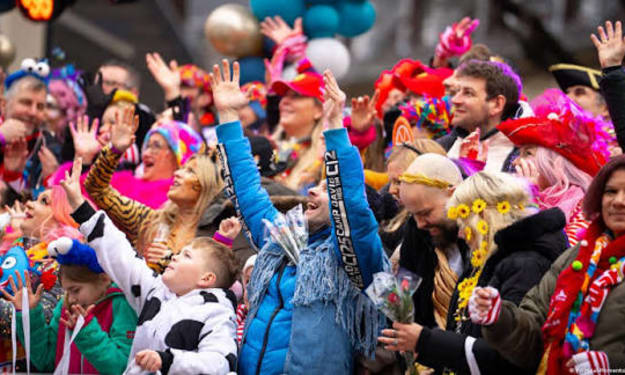
Germany’s annual Carnival season reached a vibrant peak this week as throngs of revelers took to the streets in cities and towns across the country, celebrating one of Europe’s most exuberant festive traditions. Known locally as “Karneval”, “Fasching” or “Fastnacht” depending on the region, the season culminates in flamboyant parades, elaborate costumes, and raucous street parties that draw both local participants and international visitors alike. A Tradition Rooted in History Carnival’s origins in Germany date back centuries, blending medieval customs with Christian traditions that mark the period before Lent, the 40‑day period of fasting and penance leading up to Easter. While the religious calendar shapes the timing of Carnival, the contemporary experience is predominantly secular and cultural — a time for communities to let loose, satirize politics, and revel in shared identity. In cities like Cologne, Düsseldorf, and Mainz, the festivities are particularly large‑scale, featuring official processions, marching bands, and community groups. In these Rhineland strongholds, Carnival is not simply a party but a major cultural institution that brings together generations in a shared expression of humour, colour, and joy. Streets Alive with Costumes and Celebration This year’s parades attracted tens of thousands of participants and spectators despite lingering concerns about weather and public safety. Streets were transformed into vibrant corridors of colour as masqueraders donned everything from traditional jesters and historical figures to pop culture characters and satirical takes on current events. Families, students, and tourists mingled along parade routes, waving flags, tossing sweets and small gifts known as “Kamelle”, and shouting traditional Carnival greetings such as “Alaaf!” in Cologne or “Helau!” in Düsseldorf and Mainz. Floats adorned with witty political commentary rolled by, lampooning public figures and topical issues in the manner typical of German Carnival satire. Carnival royalty — including elected figures such as the “Prince” and “Peasant,” key symbolic roles in many parades — presided over festivities, and music echoed through central squares well into the evening. Local clubs and associations, known as Karnevalsvereine, play a central role in organizing events and preserving traditional performances, songs, and customs. Tourism and Economic Impact Festive celebrations also bring significant economic activity to regions where Carnival is most popular. Hotels, restaurants, and bars typically see a boost in business, and vendors selling costumes, masks, and themed merchandise report strong sales. In Cologne, for example, officials estimated that Carnival season contributes millions of euros to the local economy each year, driven by both domestic and international visitors. Tourists from neighbouring countries such as the Netherlands and Belgium, as well as from farther afield, flocked to Carnival hubs this week, many booking months in advance to secure lodging and event tickets. Travel authorities noted that the celebrations help sustain off‑peak tourism in winter months, offering cultural attractions that complement Germany’s Christmas markets and winter festivals. Public Safety and Crowd Management Large crowds and high energy also present challenges for local authorities tasked with ensuring public safety. Police departments in major Carnival cities implemented heightened security measures, including increased patrols, first‑aid stations, and restrictions on alcohol sales in certain areas. Organizers worked with municipal officials to coordinate road closures, crowd flows, and emergency response plans. Officials encouraged revelers to be mindful of personal belongings and to seek assistance if needed. In recent years, some Carnival events have tightened security in response to broader concerns about mass gatherings in urban settings, and this year was no exception. Nevertheless, authorities described the overall atmosphere as peaceful and festive, with most attendees demonstrating cooperation and respect for safety protocols. Cultural Significance Today Despite modern challenges, Carnival remains a deeply cherished tradition in German culture. Participants often describe it as a time when everyday norms are temporarily upended, allowing people to express creativity and community spirit with humour and abandon. For many, especially those in the Rhineland, Carnival is as much a part of local identity as beer gardens, football clubs, and regional dialects. The celebrations also serve as a reminder of how traditional customs have adapted to contemporary life — merging historical roots with modern tastes in music, performance, and public participation. Street festivals, dance competitions, and late‑night gatherings complement the more formal parade events, creating a mosaic of experiences that appeal to a broad cross‑section of society. Looking Ahead As the Carnival season winds down with Tuesday’s festivities often referred to as Fat Tuesday or Shrove Tuesday, communities across Germany will gradually return to routine, and traditional Lent observances will begin on Ash Wednesday. But the memories of costumes, laughter, and shared celebration will linger, captured in photos, stories, and local lore. For now, Germany’s Carnival remains a vivid testament to the country’s cultural diversity, community resilience, and enduring love of festivity — a moment when streets are filled not only with crowds but with colour, sound, and joy.
By Fiaz Ahmed 2 days ago in The Swamp
Why Black History Matters in America?
The United States of America is celebrating their 250th anniversary in 2026. I'm proud to be an American and as someone who was born here, I wouldn't imagine myself living anywhere else. This is a country where opportunities are possible. Where anyone can be successful in anything they desire to do. Equality, community, and togetherness are the backbones of what America is and should be about. However, we have an administration who wants to erase and disregard those who have made positive, meaningful impacts in our country, specifically Black figures, such as Martin Luther King, Jr., Rosa Parks, and Maya Angelou. President Trump and his administration have been constantly complaining and fighting against what they call the "Woke agenda". They use this excuse as a distraction from other issues they refuse to address, such as the high cost of living, climate change, and inflation. That equality is dividing America, when in reality, it's bringing us together. Being woke is not tied to a specific political party. No matter where you stand on the political spectrum, you can still care about other people and their plights. Compassion and empathy for others isn't tied to a political party, either. We were taught as children to treat others the way we want to be treated and not judge others because they're different from us. Caring about others isn't a personal attack on your beliefs. It doesn't make you any less of a person. People who are easily offended over African American figures, past or present, or anything related to it, are grasping at straws. Current and future generations need to know who people like Harriet Tubman and Shirley Chisholm were, especially in the classroom. Black History is part of American History. It should be recognized, not hidden or forgotten. Besides, you can't shield children from everything, just because your feelings are easily hurt.
By Mark Wesley Pritchard 16 days ago in The Swamp


Comments
There are no comments for this story
Be the first to respond and start the conversation.