
Democrats Hopeful They Can Reverse a Decade-Old Gubernatorial Trend
Formal / News Style Party aims to reclaim state leadership after years of Republican dominance Changing demographics and strategic campaigns offer Democrats a potential path to victory 🔹 Neutral & Informative Democrats focus on local issues and voter outreach to break long-standing GOP streak Upcoming gubernatorial elections test the party’s ability to mobilize new voters 🔹 Impactful After a decade in the political wilderness, Democrats seek to regain control of key states

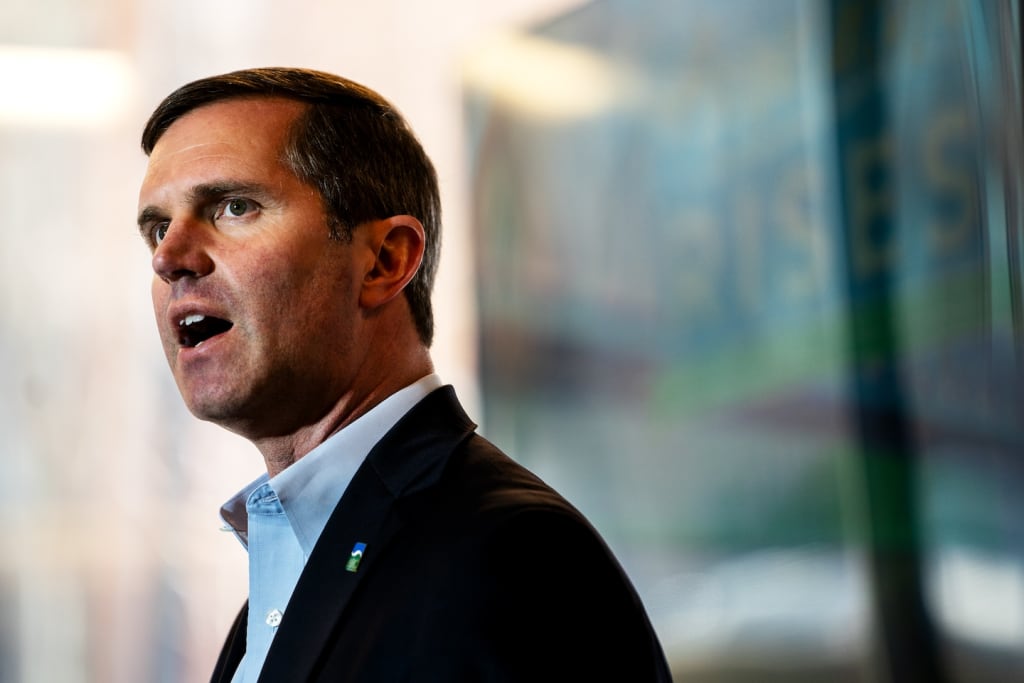
After more than a decade of Republican dominance in gubernatorial elections across key states, Democrats are positioning themselves to reclaim ground in the upcoming cycle. Party strategists believe that changing demographics, voter fatigue, and targeted campaigning could break the streak and bring a shift in state-level leadership.
Historical Context
Over the past ten years, Republicans have held the governor’s office in multiple states that were once considered competitive battlegrounds. Analysts point to a combination of strong local candidates, national political climate favoring Republicans, and effective mobilization of rural and suburban voters as reasons for the GOP’s sustained success.
Democrats, meanwhile, have struggled to find candidates who could resonate with both urban and rural constituencies, often focusing on traditional bases without expanding outreach to moderate voters. As a result, the party has seen repeated losses in races that were considered winnable in earlier cycles.
Changing Demographics and Voter Sentiment
However, recent data suggest that voter sentiment may be shifting. Urbanization, growing minority populations, and an influx of younger voters are altering the electorate in several states. Political analysts note that these groups historically lean Democratic, giving the party a potential advantage if they are effectively mobilized.
“We’re seeing significant demographic changes that could favor Democrats,” said a political strategist familiar with the campaigns. “The key is turning potential voters into actual votes.”
Voter fatigue also plays a role. Some constituents have expressed frustration with Republican leadership in certain states, citing concerns over public education funding, healthcare access, and infrastructure maintenance. These issues have provided openings for Democratic candidates to craft messages that appeal to centrist and independent voters.
Strategic Campaigning
Democrats are focusing on highly targeted campaigns that emphasize local concerns. Grassroots organizing, digital outreach, and tailored policy proposals are central to the strategy. In addition, party leaders are investing in candidate recruitment to ensure that gubernatorial hopefuls have strong ties to their communities and can appeal to a broad spectrum of voters.
Messaging will be critical. Democratic campaigns are expected to highlight contrasts with incumbent Republican administrations, stressing issues such as healthcare, education, and economic development. At the same time, candidates are being advised to avoid polarizing national topics that could alienate moderate voters in swing states.
Challenges Ahead
Despite optimism, Democrats face significant hurdles. Republican incumbents benefit from name recognition, established political networks, and strong fundraising infrastructure. Historical voting patterns indicate that rural areas remain challenging for Democratic candidates, requiring carefully calibrated outreach efforts.
Furthermore, national political trends could influence state races. High-profile federal elections or controversies may sway voter behavior, either energizing the Democratic base or galvanizing Republican supporters. Strategists emphasize the need for campaigns to stay focused on local issues rather than being overshadowed by national narratives.
Looking Forward
The upcoming gubernatorial elections represent both an opportunity and a test for Democrats. Success would not only break a decade-long Republican streak but also provide momentum for future state and national contests. Party officials are closely analyzing early polling, voter registration trends, and demographic data to identify states where investment could yield the highest returns.
If Democrats can mobilize their base, appeal to independents, and capitalize on demographic shifts, political analysts say they have a credible chance of reversing the trend. Conversely, failure to expand outreach beyond traditional strongholds could reinforce Republican dominance and set the stage for another cycle of losses.
For voters, the elections will be closely watched as indicators of broader political trends. For the Democratic Party, they represent a pivotal opportunity to demonstrate strategic adaptability and reclaim influence in state governance after a decade of challenges.
The coming months will reveal whether Democrats can successfully translate hope and strategy into tangible victories—or whether the Republican stronghold on gubernatorial offices will continue into the next cycle.
About the Creator
Fiaz Ahmed
I am Fiaz Ahmed. I am a passionate writer. I love covering trending topics and breaking news. With a sharp eye for what’s happening around the world, and crafts timely and engaging stories that keep readers informed and updated.
Keep reading
More stories from Fiaz Ahmed and writers in The Swamp and other communities.
Potomac Sewage Spill Becomes Ecological Disaster and Political Fight
A massive sewage spill into the Potomac River has escalated into a full-scale ecological emergency and a bitter political dispute, exposing weaknesses in aging infrastructure and igniting debate over responsibility and environmental protection in the nation’s capital region. The spill, which occurred following a failure at a major wastewater treatment facility near Washington, D.C., released millions of gallons of untreated sewage into the river over several days. Environmental officials warn that the contamination has severely damaged aquatic life and threatens public health along one of the most historically significant waterways in the United States. Environmental Impact Scientists and environmental groups say the spill has caused a sharp decline in oxygen levels in the river, leading to fish kills and the destruction of sensitive habitats. Elevated levels of bacteria and nitrogen compounds have been detected, raising concerns about long-term ecological damage. “This is not just a localized incident—it’s a regional disaster,” said a spokesperson for the Environmental Protection Agency. “The Potomac supports wildlife, drinking water systems, and recreational activity. A spill of this magnitude disrupts the entire ecosystem.” Local authorities have temporarily closed several riverfront parks and issued warnings against swimming, fishing, and boating in affected areas. Water treatment plants downstream have increased filtration measures as a precaution, though officials insist that municipal drinking water remains safe. Infrastructure Failure Preliminary investigations suggest the spill was caused by mechanical failure compounded by heavy rainfall that overwhelmed the sewer system. Much of the wastewater infrastructure in the region dates back decades and is struggling to cope with population growth and extreme weather events. Engineers have warned for years that upgrades were urgently needed. However, budget constraints and political disagreements delayed major repairs. The latest spill has now turned those warnings into a visible crisis. A senior utility official admitted that maintenance backlogs played a role. “We have been operating with equipment that is well past its intended lifespan,” the official said. “This incident shows what happens when investment is postponed too long.” Political Fallout The environmental emergency has quickly become a political flashpoint. City and state leaders are trading accusations over who bears responsibility for the failure. Lawmakers from Maryland and Virginia, whose communities border the Potomac, have demanded a federal investigation and emergency funding. Opposition politicians argue that mismanagement and underfunding created the conditions for disaster. “This was preventable,” said one congressional representative. “The public deserves accountability for a failure that threatens both health and the environment.” Meanwhile, local officials counter that climate-driven storms and federal regulatory complexity contributed to the breakdown. They have called for coordinated federal support rather than blame. Community Reaction Residents living near the river describe foul odors and discolored water following the spill. Fishermen report seeing dead fish floating near the banks, and tourism operators say cancellations have surged. “This river is part of our identity,” said a business owner who runs kayak tours. “Now people are afraid to even touch the water.” Environmental advocacy groups have organized cleanup efforts and public demonstrations, demanding stronger environmental protections and faster infrastructure modernization. Some are calling the incident one of the worst pollution events in the Potomac’s recent history. Long-Term Consequences Experts warn that recovery could take months or even years, depending on the extent of contamination. Nutrient overload may lead to algal blooms that further reduce oxygen levels and harm marine species. Birds and mammals that depend on the river may also be affected through contaminated food sources. The spill has also renewed debate over national water infrastructure funding. Across the United States, thousands of wastewater systems face similar risks, according to federal data. Without sustained investment, analysts warn that incidents like this could become more frequent. Looking Ahead Federal and state agencies have launched a joint investigation to determine the precise cause of the failure and assess potential legal consequences. Emergency funds are being discussed to accelerate repairs and reinforce flood resilience. For now, the Potomac River stands as both an environmental casualty and a symbol of political division. While officials argue over accountability, environmentalists stress that the focus must remain on restoration and prevention. “This should be a wake-up call,” said an environmental policy expert. “Clean water is not a partisan issue. It’s a public necessity.” As cleanup efforts continue, the sewage spill has transformed from an infrastructure accident into a defining test of how government responds to environmental crisis—one that could shape policy debates for years to come.
By Fiaz Ahmed about 6 hours ago in The Swamp
Why Black History Matters in America?
The United States of America is celebrating their 250th anniversary in 2026. I'm proud to be an American and as someone who was born here, I wouldn't imagine myself living anywhere else. This is a country where opportunities are possible. Where anyone can be successful in anything they desire to do. Equality, community, and togetherness are the backbones of what America is and should be about. However, we have an administration who wants to erase and disregard those who have made positive, meaningful impacts in our country, specifically Black figures, such as Martin Luther King, Jr., Rosa Parks, and Maya Angelou. President Trump and his administration have been constantly complaining and fighting against what they call the "Woke agenda". They use this excuse as a distraction from other issues they refuse to address, such as the high cost of living, climate change, and inflation. That equality is dividing America, when in reality, it's bringing us together. Being woke is not tied to a specific political party. No matter where you stand on the political spectrum, you can still care about other people and their plights. Compassion and empathy for others isn't tied to a political party, either. We were taught as children to treat others the way we want to be treated and not judge others because they're different from us. Caring about others isn't a personal attack on your beliefs. It doesn't make you any less of a person. People who are easily offended over African American figures, past or present, or anything related to it, are grasping at straws. Current and future generations need to know who people like Harriet Tubman and Shirley Chisholm were, especially in the classroom. Black History is part of American History. It should be recognized, not hidden or forgotten. Besides, you can't shield children from everything, just because your feelings are easily hurt.
By Mark Wesley Pritchard 16 days ago in The Swamp


Comments
There are no comments for this story
Be the first to respond and start the conversation.