
Gaza’s Rafah Border Crossing With Egypt Reopens for Limited Traffic
A small but symbolically significant step in the fragile cease-fire between Israel and Hamas
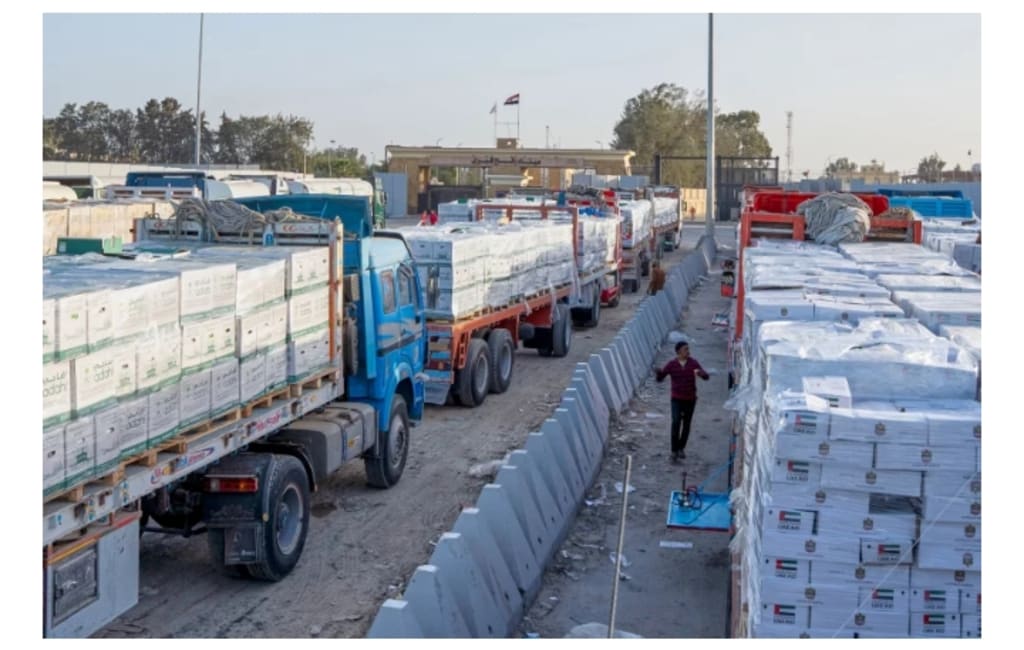
The Rafah border crossing — Gaza’s only direct land link to Egypt — has reopened for limited movement of people after being largely closed for nearly two years amid the Israeli-Hamas war. The reopening marks a key, if cautious, milestone in the implementation of a cease-fire agreement designed to ease the humanitarian plight in Gaza and restore some access to the outside world. �
AP News +1
What Has Changed at Rafah?
On February 2, 2026, Egyptian and Israeli security officials confirmed that the Rafah crossing had resumed limited pedestrian movement in both directions. The crossing, which had been under Israeli control since May 2024, had remained mostly shut after it was seized early in the conflict, severely restricting movement and worsening humanitarian conditions in Gaza. �
AP News +1
Under the initial reopening:
Only a small number of Palestinians will be allowed to cross each day.
Movement is currently limited to foot traffic, with strict security screening by both Israel and Egypt.
No cargo or general goods are entering Gaza through Rafah yet.
European Union border agents are also present to help monitor the process. �
AP News
Egyptian media reported that in the first phase about 50 people are expected to exit Gaza daily and a similar number to return. Priority is being given to patients needing medical treatment abroad, many of whom have been waiting for weeks or months for access. �
AP News
Why This Matters
1. Reopening After Long Closure
The crossing’s closure has been one of the most significant barriers isolating Gaza from the outside world. Rafah is the only border crossing between Gaza and Egypt that does not require transit through Israel, making it especially important for humanitarian access and travel. Its reopening — even at limited capacity — is widely viewed as a humanitarian relief step. �
Reuters
2. Part of Cease-Fire Implementation
The limited reopening is tied to a fragile cease-fire agreement between Israel and Hamas that began in October 2025. The deal was negotiated with international involvement, including the United States and the European Union, and called for steps to ease restrictions on movement and improve living conditions in Gaza. �
Reuters
3. Meeting Urgent Medical Needs
Health officials in Gaza estimate tens of thousands of sick or wounded people urgently need medical care not available inside the enclave. Allowing patients and their families to leave for treatment abroad is a high humanitarian priority tied to the crossing’s reopening. �
wgvunews.org
How the Reopening Is Being Managed
The process is being phased in carefully:
Screening by multiple parties: Israel and Egypt are vetting individuals before they travel. A European border mission adds an external supervisory role. �
wgvunews.org
Limited capacity: Movement is restricted at first to keep the process orderly and secure and to allow authorities to manage security concerns. �
Al Jazeera
Focus on people, not goods: At this stage, the crossing isn’t open for commercial goods or aid shipments — just for the movement of people. �
Al Jazeera
Ongoing trial phase: Initial movement began with a trial phase, and officials are evaluating how to expand operations safely over time. �
Anadolu Ajansı
Critics and Ongoing Challenges
While the reopening is welcomed by many, it has also drawn criticism and caution:
Some humanitarian groups argue the limited scope doesn’t do enough to address basic supply needs in Gaza, where shortages of medicine, fuel, and food remain serious.
Social media and commentators point to the strict security approvals and small numbers allowed, describing them as insufficient given the scale of need. �
الجزيرة نت
Critics say the strict conditions, including prior Israeli security clearance and coordination, continue to limit true freedom of movement and access. �
الجزيرة نت
What Comes Next?
Officials say the reopening of Rafah is a first step in a phased plan to eventually restore fuller access for Gaza residents. Future phases could include:
Increasing daily crossing numbers
Gradual opening for more categories of travellers
Possible future movement of goods and aid supplies
However, any expansion will depend on continuing security coordination and progress in broader cease-fire and peace plan negotiations.
Conclusion: A Step Forward Amid Fragile Peace
The partial reopening of Gaza’s Rafah border crossing to Egypt is a significant symbolic and humanitarian step after nearly two years of severe restriction. While still limited in scope, it offers a lifeline for families, especially for urgent medical travel, and reflects ongoing efforts to implement cease-fire arrangements.
For Palestinians in Gaza — long cut off from the outside world — even this small window of movement is a meaningful development, underscoring both the urgency of addressing humanitarian needs and the fragility of regional diplomatic efforts.
About the Creator
Keep reading
More stories from Zahid Hussain and writers in The Swamp and other communities.
Historic Storm Delivers Biggest Snowfall in Decades for North Carolina
A rare and powerful winter storm — described by meteorologists as “historic” — has brought the most significant snowfall North Carolina has seen in decades, blanketing all 100 counties and transforming the Tar Heel State’s landscape from coastal plains to mountain peaks. (turn0news0turn0news2)(https://www.carolinajournal.com/north-carolina-begins-cleanup-following-historic-snowfall/) Dubbed a bomb cyclone and fueled by a strong nor’easter, the storm delivered heavy snow, large drifts, and dangerously cold conditions. From Charlotte’s urban streets to the Outer Banks’ coastal dunes, communities were blanketed with snow totals rarely seen in modern memory. (turn0news3) Record or Near-Record Snowfall Across the State The storm’s snowfall — in many places the greatest in decades — shocked residents and meteorologists alike: Eastern North Carolina’s coast recorded up to 15 inches, the highest in nearly 40 years. Some coastal communities saw totals that exceeded those from storms in 1980 and 1989. (turn0search19) Charlotte reported around 11 inches on a single day, tying for one of the city’s fourth-heaviest one-day snowfalls ever recorded in historical meteorological data. (turn0search25) Interior regions and foothills experienced heavy snow as well, with isolated reports of over *20 inches in some rural parts of eastern North Carolina. (turn0news38) The breadth of the snowfall — reaching nearly every corner of the state — was remarkable for a region that typically sees light snow at most a few times a winter. Storm Mechanics and Historical Context This powerful system developed as a bomb cyclone, meaning the storm underwent rapid intensification off the southeastern U.S. coast as cold Arctic air collided with moist air over the Atlantic. This kind of setup is rare in the Southeast and more common farther north, making the storm both unusual and impactful. (turn0news36) Meteorological records show that events this significant haven’t occurred frequently in recent decades. The last time much of eastern North Carolina saw comparable snow accumulation was in the 1980 and 1989 storms, which stood as benchmarks for heavy winter snow in the region for decades. (turn0search19) Widespread Disruptions and Safety Hazards While the snow delighted many residents, the impacts were serious and widespread: Road and Travel Chaos More than 1,100 vehicle crashes were reported across North Carolina due to slick, icy roads, stretching emergency services thin. (turn0news2) Major highways, including Interstate 85, saw multi-car pileups and extended travel delays. Airports including Charlotte’s major hub canceled scores of flights as crews struggled to clear runways and cope with heavy snowfall. Power Outages and Cold Freezing temperatures and weight on lines caused power outages for thousands of homes and businesses. Local officials urged people to stay home, citing dangerous road conditions and the risk of hypothermia. Rare Southern Snow The storm’s influence even spread beyond North Carolina: snow flurries and record cold were reported as far south as Florida, where temperatures plunged far below typical winter lows. In some areas, cold-stunned iguanas fell from trees, highlighting the extremity of the cold. (turn0news36) Community Reactions: Beauty and Strain Social media and local commentary captured a mix of wonder and hardship: Many residents described the snowy landscape as “magical” and shared photos of heavy snow drifts and winter scenes reminiscent of more cold-climate states. (turn0reddit70) At the same time, emergency managers warned that beautiful snow can mask deadly conditions, including black ice, downed trees, and the dangers of extended cold exposure. Local schools and businesses closed for safety, and community members helped shovel driveways and clear sidewalks — a rare sight in a state better known for warm beaches than winter blizzards. State Response and Cleanup Efforts North Carolina officials moved quickly to begin cleanup and restoration: State Highway Patrol and DOT crews worked around the clock to clear roads and treat bridges with salt and sand. Local governments deployed plows to priority routes even in areas that rarely see heavy snow. Emergency workers urged residents to avoid unnecessary travel and to check on neighbors, especially elderly or disabled individuals. The state’s emergency management highlighted that while snowfall may taper off, dangerous icy conditions would persist for several days due to below-freezing temperatures. What This Storm Says About Winter Weather Trends Although climate patterns vary from year to year, this event stands out as exceptional for the Carolinas: The scale of snowfall — from the Outer Banks to the mountains — is highly unusual. Many communities saw snow accumulations not experienced in decades. Meteorologists stress that such storms, while rare, can occur when atmospheric forces align just right, particularly with strong cold air masses and abundant moisture. Some long-time residents noted that while snow was more common in past decades, heavy events of this magnitude haven’t been typical in recent years — making this storm both a meteorological landmark and a reminder of nature’s unpredictability. (turn0reddit64) Looking Ahead: Cold Weather Continues National weather authorities warn that the freezing temperatures will persist, keeping roads icy and slowing recovery efforts. Residents were advised to prepare for continued hazardous conditions, even as snowplows and crews work to restore normalcy. (turn0news38) As North Carolina digs out from one of the most remarkable snow events in living memory, the storm will be remembered not just for its beauty but for the challenges it posed and the resilience it revealed in communities across the state.
By Zahid Hussainabout 3 hours ago in The Swamp
EasyJet Faces Scrutiny Over ‘Misleading’ £5.99 Cabin Bag Fee
EasyJet has come under renewed scrutiny after being warned that its £5.99 cabin bag fee could be considered “misleading” by consumer rights advocates. The controversy has reignited a broader debate about transparency in airline pricing and the true cost of flying with low-cost carriers.
By Ayesha Lashari5 days ago in The Swamp




Comments
There are no comments for this story
Be the first to respond and start the conversation.