
German Population Set to Shrink 5% by 2050
Formal / News Style New projections warn of aging society and growing pressure on labor markets Demographic decline highlights urgent need for immigration and pension reforms 🔹 Neutral & Informative Low birth rates and longer life expectancy drive long-term population changes Government faces challenges in sustaining workforce and social systems 🔹 Impactful Germany confronts a future with fewer workers and more retirees


Germany’s population is projected to decline by nearly five percent by 2050, according to new demographic forecasts that underscore the country’s growing challenges with aging, labor shortages, and long-term economic sustainability. The findings highlight the urgent need for policy reforms in immigration, family support, and workforce participation as Europe’s largest economy confronts a shrinking and older population.
The report, released by the Federal Statistical Office of Germany (Destatis), estimates that Germany’s population will fall from roughly 84 million today to about 80 million by mid-century if current trends persist. The decline is driven primarily by low birth rates and rising life expectancy, which together are reshaping the country’s demographic profile.
Aging Nation, Fewer Workers
Germany has one of the lowest fertility rates in Europe, averaging around 1.4 children per woman—well below the replacement level of 2.1. At the same time, advances in healthcare mean that people are living longer, increasing the proportion of elderly citizens.
By 2050, nearly one-third of Germany’s population is expected to be over the age of 65. The number of people of working age, between 20 and 64, is forecast to shrink significantly, placing strain on pension systems, healthcare services, and public finances.
Economists warn that a smaller workforce could slow economic growth and weaken Germany’s global competitiveness. Industries already facing labor shortages—such as manufacturing, healthcare, and technology—may struggle to fill positions, even as demand for skilled workers continues to rise.
“This is not just a population issue, it’s an economic and social transformation,” said a Berlin-based demographic analyst. “Without intervention, the imbalance between retirees and workers will become increasingly difficult to manage.”
Role of Immigration
Immigration remains the main factor capable of moderating Germany’s population decline. The country has relied heavily on foreign workers over the past decade, particularly following the influx of refugees in 2015 and expanded labor migration from Eastern Europe.
However, the new projections suggest that even sustained immigration at current levels may not be enough to prevent an overall population decrease. Officials say higher and more targeted migration will be necessary, especially for sectors experiencing acute skill shortages.
Germany has already introduced reforms to attract skilled workers from abroad, including simplified visa procedures and recognition of foreign qualifications. Policymakers are also debating further measures to make the country more attractive to international talent amid competition from other European nations and North America.
Regional Imbalances
The demographic decline will not be evenly distributed across the country. Rural areas and parts of eastern Germany are expected to experience sharper population losses, while major cities such as Berlin, Munich, and Hamburg may continue to grow due to internal migration and international arrivals.
This uneven trend raises concerns about infrastructure, housing, and public services. Schools and hospitals in shrinking regions could face closures, while urban centers may struggle with housing shortages and rising living costs.
Local governments are already planning for these shifts by consolidating services in rural areas and investing in urban transport and housing projects.
Policy Challenges
Germany’s demographic outlook is forcing leaders to rethink long-term policy priorities. Pension reform has become a central issue, as fewer workers will be supporting a growing number of retirees. Healthcare spending is also expected to rise sharply as the population ages.
Family policies are another focus area. The government has expanded childcare services and parental benefits in an effort to encourage higher birth rates, but results so far have been modest.
Analysts argue that no single policy will reverse the trend. Instead, a combination of higher workforce participation among women and older workers, increased immigration, and productivity gains through automation will be required.
A Broader European Trend
Germany is not alone in facing demographic decline. Many European countries, including Italy and Spain, are experiencing similar patterns of low fertility and aging populations. However, Germany’s size and economic influence make its situation particularly significant for the European Union as a whole.
A shrinking German population could have ripple effects across the bloc, affecting labor mobility, fiscal stability, and political influence.
Looking Ahead
While a five percent decline may appear modest, experts stress that the deeper impact lies in the changing age structure of the population. Fewer young people and more elderly citizens will reshape everything from the labor market to education systems and healthcare planning.
The Destatis projections serve as a warning that demographic change is no longer a distant concern but an imminent reality. How Germany responds over the next decade will determine whether the country can adapt successfully to a smaller, older population—or face mounting social and economic pressures by mid-century.
About the Creator
Fiaz Ahmed
I am Fiaz Ahmed. I am a passionate writer. I love covering trending topics and breaking news. With a sharp eye for what’s happening around the world, and crafts timely and engaging stories that keep readers informed and updated.
Keep reading
More stories from Fiaz Ahmed and writers in The Swamp and other communities.
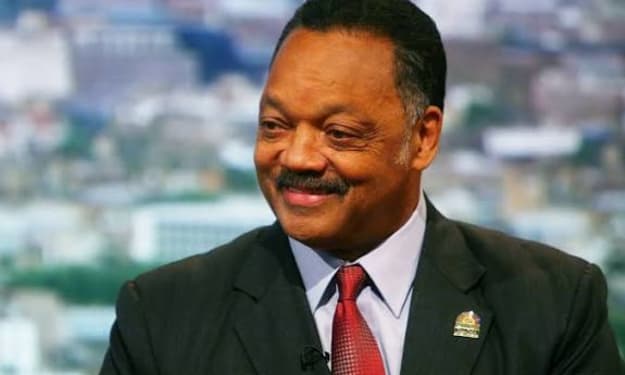
Jesse Jackson Dies Aged 84 as Trump Pays Tribute to ‘Force of Nature’ Civil Rights Leader
Civil rights icon Jesse Jackson has passed away at the age of 84, leaving behind a legacy of activism, social justice, and political engagement that spanned more than half a century. Jackson’s death was confirmed by his family late Thursday, who described him as a tireless advocate for equality and a voice for the marginalized. Early Life and Activism Born on October 8, 1941, in Greenville, South Carolina, Jesse Jackson emerged as a prominent figure in the American civil rights movement during the 1960s. A close associate of Martin Luther King Jr., Jackson participated in key campaigns for racial equality, voting rights, and desegregation. He later founded Rainbow/PUSH Coalition, an organization dedicated to improving economic and social opportunities for African Americans and other underrepresented groups. Jackson was known for his powerful oratory, grassroots organizing, and ability to mobilize communities around critical social issues. Over the decades, he advocated for labor rights, education reform, and anti-poverty initiatives, cementing his place as one of the most influential civil rights leaders in U.S. history. Political Career Beyond activism, Jesse Jackson made significant inroads into politics. He ran for the Democratic presidential nomination in 1984 and 1988, inspiring millions with his vision of social justice, inclusion, and economic equity. Though he did not secure the nomination, his campaigns broke barriers and demonstrated the political power of African American voters, reshaping the nation’s political landscape. Jackson also served as an advisor and mediator on international issues, negotiating for the release of hostages and advocating for human rights in conflict zones around the world. His commitment to justice extended beyond domestic issues, highlighting his global perspective on human dignity and equality. Tributes and Reactions News of Jackson’s death sparked an outpouring of tributes from political leaders, activists, and public figures. Former President Donald Trump paid tribute to Jackson as a “force of nature” in a statement, acknowledging his dedication to civil rights and community service. Other leaders, including President Joe Biden, congressional figures, and international dignitaries, expressed condolences, highlighting Jackson’s impact on American society and the global struggle for equality. Civil rights organizations, including the NAACP and the Southern Christian Leadership Conference, also issued statements celebrating Jackson’s leadership, courage, and lifelong commitment to fighting injustice. His family requested that, in lieu of flowers, supporters continue his work through civic engagement, charitable giving, and advocacy for the underprivileged. Legacy Jesse Jackson’s legacy is multi-faceted. He transformed the civil rights movement from street protests to sustained political and social campaigns, giving voice to those who had long been ignored. His work in voter registration, education access, and economic empowerment has left a lasting mark on communities across the United States. Jackson’s Rainbow/PUSH Coalition continues to operate nationwide, promoting equity, social justice, and political participation, ensuring that his vision and mission endure. His speeches, writings, and public engagements remain influential, inspiring new generations of activists and leaders committed to civil rights and social reform. Looking Forward As America reflects on Jackson’s life, attention turns to preserving and building upon the causes he championed. Civil rights scholars note that Jackson’s contributions serve as a reminder of the ongoing struggle for equality, highlighting the need for continued advocacy, political participation, and community organizing. Jackson’s death marks the end of a remarkable era in civil rights leadership, but his influence continues to shape social and political discourse. Tributes from around the world underscore the significance of his work, ensuring that Jesse Jackson will be remembered as a tireless advocate, a trailblazing leader, and a symbol of justice and equality for generations to come.A Lasting Legacy Historians describe Jesse Jackson as a bridge between the civil rights movement of the 1960s and the political transformations of the late 20th and early 21st centuries. His work helped shift the struggle for racial equality from street protests into sustained political engagement and policy advocacy. Jackson’s Rainbow/PUSH Coalition continues to operate nationwide, promoting voting rights, economic fairness, and social inclusion. His speeches, writings, and campaigns remain part of the historical record of America’s long fight for justice. As the nation reflects on his life, many see Jackson as both a product of the civil rights era and a pioneer of modern political activism. His passing closes a chapter in American history, but his influence endures in the movements and leaders he inspired. Jesse Jackson will be remembered as a preacher, protester, politician, and relentless advocate for equality—truly, as even his critics acknowledge, a force of nature whose voice reshaped the moral and political landscape of the United States.
By Fiaz Ahmed a day ago in The Swamp
The Saddest Thing - The Billionaires Who Rule America Aren't Even Enjoying Themselves
This single post says more about our ruling class than a thousand policy papers. The saddest thing about today's system is that the men robbing the rest of us - sabotaging our economic prospects, our pensions, our access to affordable healthcare - are not even happy.
By Scott Christenson🌴12 days ago in The Swamp



Comments
There are no comments for this story
Be the first to respond and start the conversation.