
“I Just Want to Stop Hearing About It”: A Weary South Korea Awaits Verdict on Yoon Insurrection Charges
Formal / News Style Nation braces as former president faces unprecedented legal scrutiny amid political fatigue Verdict on Yoon Suk-yeol’s insurrection charges tests South Korea’s democratic resilience 🔹 Neutral & Informative South Koreans express frustration over prolonged trial and political uncertainty Legal proceedings against former leader highlight tensions between accountability and public fatigue 🔹 Impactful High-stakes verdict looms as South Korea grapples with political polarization and citizen weariness

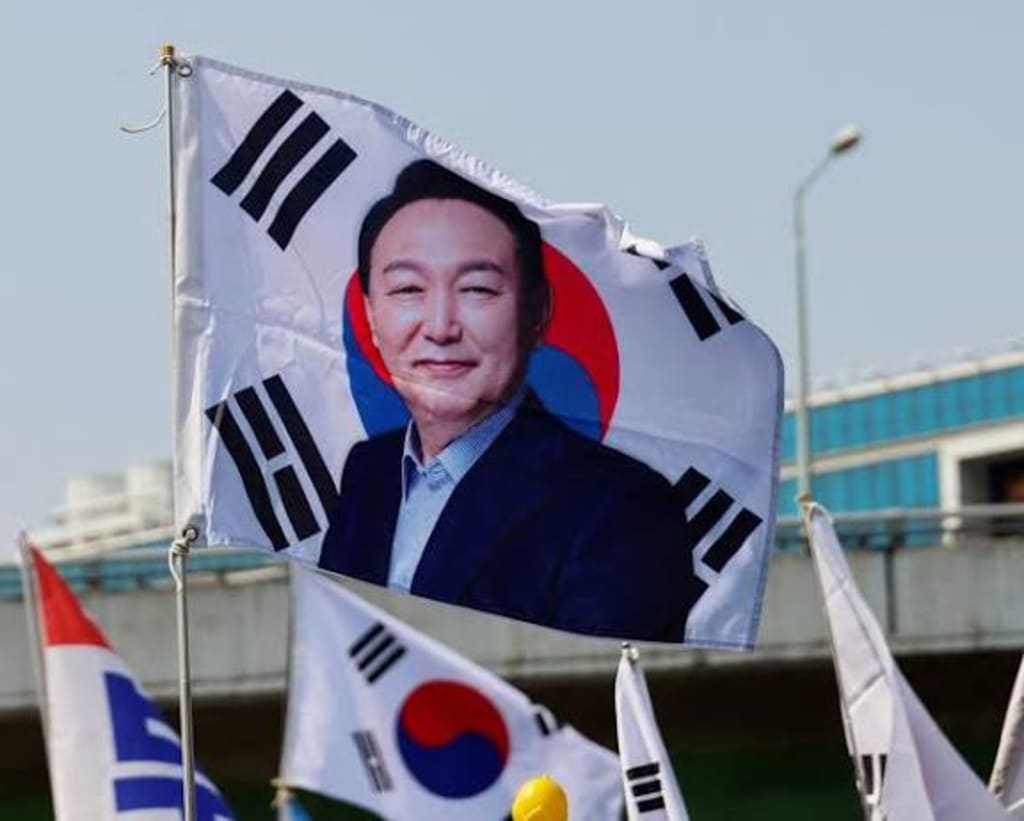
South Korea is bracing for a highly anticipated verdict in the legal proceedings against former President Yoon Suk-yeol, who faces charges related to alleged insurrection attempts during his tenure. The case has dominated headlines, polarized public opinion, and tested the resilience of South Korea’s democratic institutions. Citizens and political observers alike express fatigue as the country awaits the court’s decision.
Background of the Case
The charges against Yoon stem from events surrounding public protests and security measures implemented during his presidency. Prosecutors allege that Yoon and several close aides attempted to undermine democratic processes, including manipulating law enforcement and using state apparatus to suppress dissent. Supporters of the former president deny wrongdoing, framing the allegations as politically motivated and an attempt to tarnish his legacy.
Legal experts note that the case is unprecedented in recent South Korean history. While previous administrations have faced scrutiny over corruption and policy missteps, direct allegations of insurrection carry severe implications for the nation’s political stability and democratic norms.
Public Sentiment
Across South Korea, the public reaction has been mixed but increasingly fatigued. Polls indicate that while a segment of the population remains deeply invested in the outcome, a majority expresses frustration over the prolonged media coverage and political wrangling. Many citizens describe the situation as a distraction from pressing economic, social, and foreign policy concerns.
“I just want to stop hearing about it,” said a Seoul resident. “No matter the verdict, it feels like politics is stuck in a loop, and the country’s real issues get ignored.” Others echo this sentiment, emphasizing that economic stagnation, housing affordability, and tensions with North Korea demand more attention from leaders and media alike.
Political Implications
The verdict carries significant ramifications for South Korea’s political landscape. Should Yoon be convicted, it could trigger legal penalties including imprisonment, effectively removing him from any future political activity. Conversely, an acquittal could energize his supporters, potentially reshaping upcoming elections and the broader partisan dynamic.
Analysts suggest that regardless of the outcome, the case has already reshaped public trust in political institutions. For some, the legal proceedings are a demonstration of South Korea’s commitment to accountability. For others, the drawn-out process and intense partisan debate have deepened skepticism toward government and judiciary effectiveness.
Media and International Attention
International observers have followed the case closely, viewing it as a litmus test for South Korea’s democratic resilience. Coverage by global media emphasizes both the legal merits and the broader political context, highlighting concerns about freedom of expression, the balance of power, and the rule of law.
Domestically, the media landscape has been saturated with trial updates, analysis, and commentary. Critics argue that this coverage has contributed to public fatigue, with citizens reporting “news burnout” as repeated narratives dominate headlines without clear resolution.
Broader Context
The case also occurs against the backdrop of rising geopolitical tensions on the Korean Peninsula. With North Korea conducting frequent missile tests and regional powers observing South Korea’s stability closely, the country’s internal political turbulence adds an extra layer of complexity to foreign relations and national security.
Economically, South Korea faces challenges including inflationary pressures, youth unemployment, and a slowing tech sector. Analysts warn that prolonged political focus on the Yoon case could divert attention and resources from these pressing matters.
Looking Ahead
As the verdict approaches, citizens, political actors, and international observers brace for a decision that could either conclude a tumultuous chapter in South Korea’s political history or ignite further debate. Regardless of the outcome, the case underscores the tensions inherent in a vibrant democracy: accountability, political polarization, and public fatigue all intersect in a high-stakes judicial proceeding.
For a nation eager to move forward, the verdict represents not only a legal conclusion but also an opportunity for South Korea to focus once more on governance, policy priorities, and national cohesion, setting the stage for its future political trajectory.
About the Creator
Fiaz Ahmed
I am Fiaz Ahmed. I am a passionate writer. I love covering trending topics and breaking news. With a sharp eye for what’s happening around the world, and crafts timely and engaging stories that keep readers informed and updated.
Keep reading
More stories from Fiaz Ahmed and writers in The Swamp and other communities.
What’s Behind the Somalia–Saudi Arabia Military Deal?
Somalia and Saudi Arabia have signed a new military cooperation agreement, raising questions about the strategic motivations behind the deal and its potential impact on regional security. Officials describe the agreement as a framework for training, arms support, and joint operations, but analysts suggest it may also serve broader geopolitical objectives. Strengthening Somalia’s Security Apparatus Somalia continues to face internal security challenges, including threats from the extremist group Al-Shabaab. The agreement with Saudi Arabia aims to bolster Somalia’s military capabilities through specialized training, logistical support, and intelligence sharing. Somali officials emphasize that the partnership will enhance their ability to combat terrorism, secure borders, and stabilize contested regions. “Saudi support provides much-needed resources and expertise,” said a Somali defense official. “It strengthens our forces and helps protect our citizens from ongoing security threats.” Saudi Arabia’s Strategic Interests For Saudi Arabia, the agreement represents an opportunity to extend influence in the Horn of Africa, a region that sits along key maritime routes in the Red Sea and the Gulf of Aden. Analysts note that Riyadh has increasingly sought partnerships across East Africa to counter perceived threats from rival regional actors and to protect its economic and strategic interests. Saudi Arabia’s involvement in Somalia aligns with its broader foreign policy goals, including countering extremist networks, securing maritime trade routes, and fostering alliances with states that can project stability in critical regions. The deal may also serve as a counterbalance to the growing influence of other external powers in Somalia, including Turkey and Qatar, both of which have established military and economic ties in the region. Regional and International Implications The military cooperation agreement has drawn attention from neighboring countries and international observers. Some analysts warn that it could shift regional balances, particularly if Saudi Arabia provides advanced equipment or deploys military advisors. Others highlight the potential for Somalia to leverage external support to enhance domestic stability, which could reduce humanitarian and security pressures in the Horn of Africa. International partners, including the United Nations and the African Union, have called for transparency in the deployment of foreign assistance to Somalia, emphasizing that aid should focus on strengthening legitimate state institutions while respecting Somali sovereignty. Tactical and Operational Details While many aspects of the deal remain confidential, reports indicate that it covers: Training programs for Somali troops in counterterrorism and urban operations. Provision of non-lethal and potentially lethal equipment, including communication and surveillance systems. Joint exercises to improve interoperability and strategic coordination. Officials have been careful to frame the agreement as defensive in nature, aimed at enhancing Somalia’s self-reliance in combating insurgency rather than projecting force abroad. However, some observers note that any foreign military involvement carries inherent risks of escalation or regional tension if not carefully managed. Challenges and Risks The Somalia–Saudi Arabia agreement faces several challenges. Security conditions in Somalia remain volatile, with ongoing insurgent activity, clan-based conflicts, and political instability complicating the implementation of training and equipment programs. Logistics, coordination between the Somali armed forces and Saudi advisors, and monitoring the proper use of provided assets are also potential hurdles. Additionally, rival regional powers may view the deal with suspicion, potentially heightening competition for influence in the Horn of Africa. Analysts stress that Saudi Arabia and Somalia will need to balance strategic interests with diplomatic sensitivity to avoid unintended tensions with neighboring countries. Looking Ahead The military cooperation deal between Somalia and Saudi Arabia is poised to reshape aspects of security dynamics in East Africa. While it promises to strengthen Somalia’s ability to address internal threats, it also reflects broader geopolitical maneuvering as external powers vie for influence in the region. The effectiveness of the agreement will depend on how well both sides implement training, manage resources, and navigate the delicate balance of regional politics. Observers will be watching closely to see whether the deal contributes to lasting stability in Somalia or becomes another layer in the complex web of Horn of Africa geopolitics.
By Fiaz Ahmed a day ago in The Swamp
The Saddest Thing - The Billionaires Who Rule America Aren't Even Enjoying Themselves
This single post says more about our ruling class than a thousand policy papers. The saddest thing about today's system is that the men robbing the rest of us - sabotaging our economic prospects, our pensions, our access to affordable healthcare - are not even happy.
By Scott Christenson🌴11 days ago in The Swamp


Comments
There are no comments for this story
Be the first to respond and start the conversation.