
Japan’s New Direction: Why Rare Earth Cooperation with the United States Matters
Prime Minister Sanae Takaichi’s plan could reshape technology, security, and global power balance

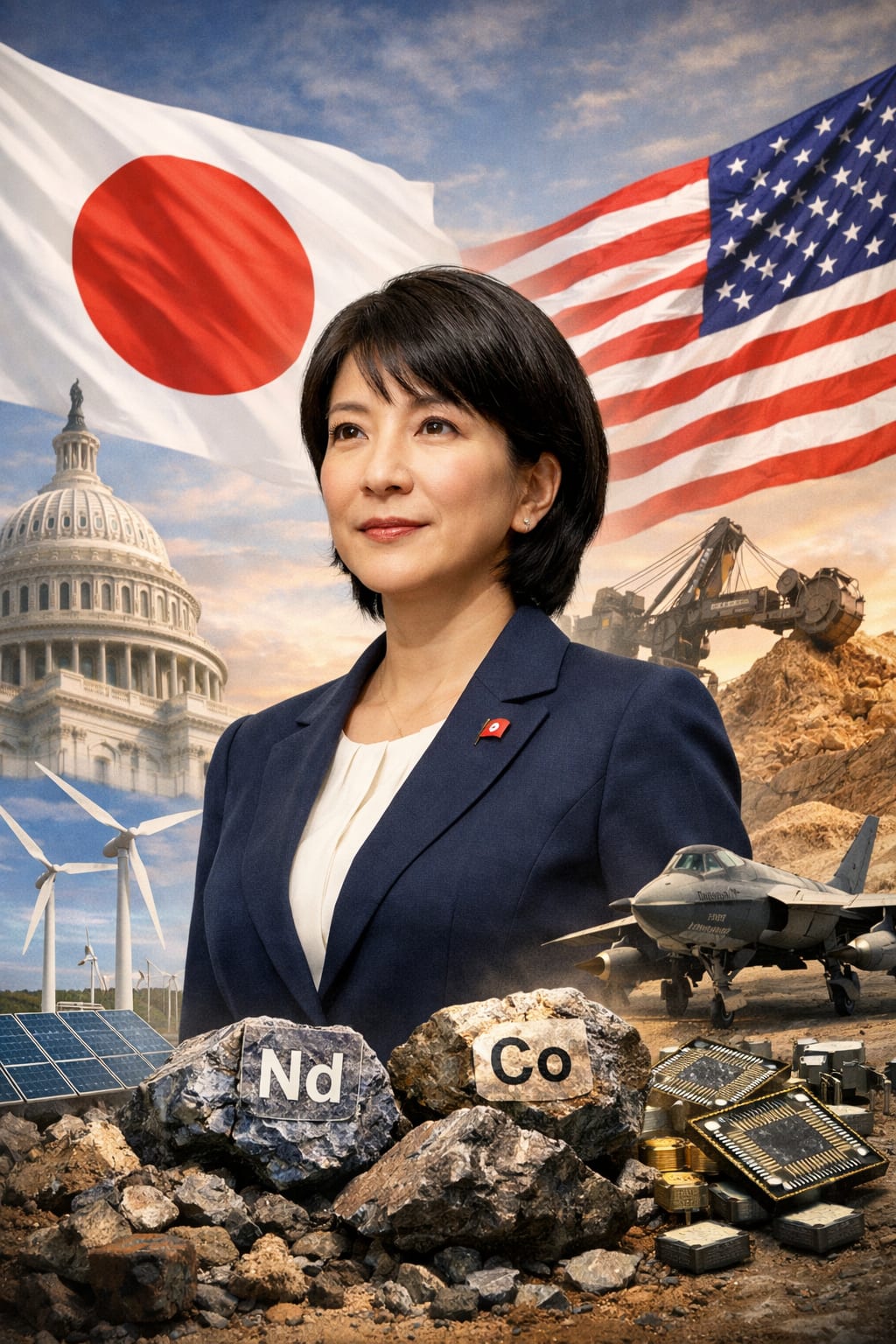
In a time when the world feels uncertain and divided, economic security has become as important as military strength. After being reelected as Japan’s leader, Sanae Takaichi has made it clear that her government wants stronger cooperation with the United States on rare earth development. This decision may sound technical, but its impact could shape the future of technology, global trade, and international relations.
This move is not just about minerals. It is about independence, security, and preparing for a rapidly changing world.
A Leader Focused on Economic Security
After winning strong support in parliament, Takaichi returned to leadership with a message: Japan must strengthen its economy and protect its supply chains. She emphasized that working closely with the United States will help ensure access to critical resources needed for modern industries.
Japan depends heavily on imported raw materials. Any disruption can affect factories, jobs, and innovation. By cooperating with Washington, Tokyo hopes to build stable supply chains and reduce vulnerability to global tensions.
This policy reflects a growing global trend. Nations are no longer focused only on trade efficiency — they are now prioritizing resilience and self-reliance.
What Are Rare Earths and Why Do They Matter?
Rare earth elements are a group of minerals essential for advanced technology. Despite the name, they are not extremely rare, but they are difficult to mine and process.
These elements are used in:
Smartphones and computers
Electric vehicles and batteries
Wind turbines and clean energy systems
Military equipment and defense technology
Semiconductors and high-performance electronics
Without rare earths, modern life would look very different. Clean energy systems would slow down, electronics would become harder to produce, and defense technologies would weaken.
This is why access to these minerals has become a strategic priority.
Reducing Dependence on a Single Supplier
Today, China dominates the global rare earth supply chain. It controls much of the mining and processing capacity. While China has been a major supplier for decades, geopolitical tensions have raised concerns about relying too heavily on one source.
Japan experienced supply disruptions in the past, which highlighted the risks of dependency. Since then, it has been searching for alternative sources and partnerships.
Cooperation with the United States could help diversify supply lines and encourage mining and processing projects in multiple regions, including the Pacific and other strategic locations.
Strengthening the U.S.–Japan Alliance
The alliance between Japan and the United States has long been rooted in security and defense cooperation. Now, economic security is becoming an equally important pillar.
By working together on rare earth development, both nations can:
Secure critical materials for high-tech industries
Support clean energy transitions
Strengthen defense readiness
Reduce supply chain vulnerabilities
This partnership sends a clear message: economic cooperation is essential in a world shaped by competition and technological rivalry.
Technology, Green Energy, and the Future
Rare earth elements are crucial for building a greener future. Electric cars rely on powerful magnets made with rare earth materials. Wind turbines need them to generate clean energy efficiently. Without stable supplies, the transition to renewable energy could slow down.
Japan is a leader in technology and energy innovation. By ensuring access to these materials, it can continue developing clean technologies that benefit both its citizens and the global environment.
The United States also seeks to expand its clean energy infrastructure. Cooperation between the two countries could accelerate progress toward climate goals while strengthening economic growth.
A Strategic Move in a Changing World
Global competition is no longer limited to military power. Control over technology and resources is now shaping international influence.
Takaichi’s plan reflects a deeper understanding of modern geopolitics. Countries that secure critical materials will lead in innovation, defense, and energy.
This cooperation also highlights a shift toward partnerships among democratic nations to ensure stability in supply chains and economic systems.
What This Means for Ordinary People
While rare earth development may seem distant from everyday life, its effects reach ordinary people in many ways.
Stable supply chains help:
Keep electronics affordable
Support job creation in technology and manufacturing
Promote clean energy and environmental protection
Strengthen national security and stability
In a world shaped by rapid change, these factors contribute to safer and more prosperous societies.
Looking Ahead
Prime Minister Sanae Takaichi is expected to discuss rare earth cooperation further during upcoming meetings with U.S. leaders. These talks may lead to joint projects, investments, and new supply chain strategies.
The decisions made today could shape the next generation of technology and global economic balance.
Japan’s renewed leadership and strategic vision show that the future will belong to nations that prepare wisely, cooperate strategically, and protect their economic foundations.
Final Thoughts
The push for rare earth cooperation between Japan and the United States is more than a policy decision. It is a vision for stability in a world facing uncertainty.
By securing essential resources, strengthening alliances, and supporting innovation, Japan is positioning itself for the future.
In an age where technology drives progress and sustainability shapes survival, access to critical materials is power. And through cooperation, that power can be shared to build a safer, cleaner, and more resilient world.
About the Creator
Keep reading
More stories from dua fatima and writers in The Swamp and other communities.
Power Failure Brings Channel Tunnel Rail Traffic to a Halt
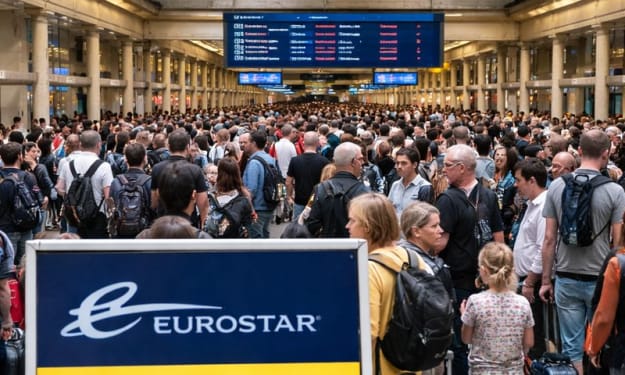
A sudden power failure in the Channel Tunnel caused widespread chaos for travelers, bringing rail traffic between the United Kingdom and mainland Europe to a complete stop. The incident led to severe delays and cancellations of Eurostar trains, leaving thousands of passengers stranded at major stations such as London’s St Pancras International and Paris’ Gare du Nord. The disruption happened during a busy travel period, making the situation even more stressful for families, tourists, and business travelers.
By dua fatima2 months ago in The Swamp
Why Black History Matters in America?
The United States of America is celebrating their 250th anniversary in 2026. I'm proud to be an American and as someone who was born here, I wouldn't imagine myself living anywhere else. This is a country where opportunities are possible. Where anyone can be successful in anything they desire to do. Equality, community, and togetherness are the backbones of what America is and should be about. However, we have an administration who wants to erase and disregard those who have made positive, meaningful impacts in our country, specifically Black figures, such as Martin Luther King, Jr., Rosa Parks, and Maya Angelou. President Trump and his administration have been constantly complaining and fighting against what they call the "Woke agenda". They use this excuse as a distraction from other issues they refuse to address, such as the high cost of living, climate change, and inflation. That equality is dividing America, when in reality, it's bringing us together. Being woke is not tied to a specific political party. No matter where you stand on the political spectrum, you can still care about other people and their plights. Compassion and empathy for others isn't tied to a political party, either. We were taught as children to treat others the way we want to be treated and not judge others because they're different from us. Caring about others isn't a personal attack on your beliefs. It doesn't make you any less of a person. People who are easily offended over African American figures, past or present, or anything related to it, are grasping at straws. Current and future generations need to know who people like Harriet Tubman and Shirley Chisholm were, especially in the classroom. Black History is part of American History. It should be recognized, not hidden or forgotten. Besides, you can't shield children from everything, just because your feelings are easily hurt.
By Mark Wesley Pritchard 18 days ago in The Swamp
Woke Europe Not Facing Civilisational Erasure,’ Says EU’s Kallas After Rubio’s Munich Speech – As It Happened
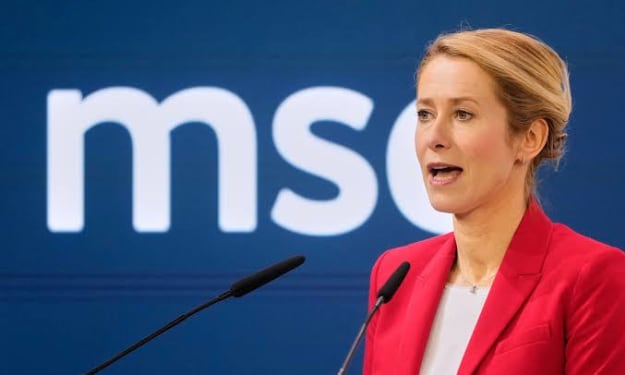
In the wake of a provocative speech by U.S. Senator Marco Rubio at the Munich Security Conference, Estonia’s Prime Minister Kaja Kallas moved swiftly to reassure Europeans that fears of civilisational collapse are overblown, emphasizing resilience and cohesion within the European Union. Rubio’s address, which highlighted demographic trends, cultural shifts, and the perceived weakening of traditional European values, sparked intense debate among policymakers, analysts, and media outlets across the continent. Rubio’s Munich Speech: Key Points Rubio’s address at the conference outlined a scenario in which Europe, he argued, risks losing its cultural and strategic identity. He warned of declining birth rates, immigration pressures, and what he termed the rise of “woke policies” as threats to Europe’s traditional societal structures. His speech urged EU nations to adopt more assertive defense policies, reinforce cultural identity, and strengthen ties with the United States to counter perceived demographic and ideological shifts. While many attendees lauded Rubio’s remarks for drawing attention to strategic challenges, critics described the speech as alarmist and politically charged. Social media erupted with contrasting opinions, with hashtags debating Europe’s future trending for several hours. Kallas’ Response: Calm Amid Alarm Responding promptly to Rubio’s remarks, Prime Minister Kallas downplayed the notion that Europe is facing civilisational erasure. Speaking at a follow-up press briefing, she stressed that the EU is navigating global challenges with “resilience, unity, and adaptability.” “Europe faces challenges, but it is not on the brink of collapse,” Kallas said. “Our institutions, economies, and societies have endured far more difficult periods. We will continue to defend our values, innovate, and grow together.” She also highlighted the EU’s commitment to sustainability, education, and digital transformation, framing these priorities as tools that strengthen rather than weaken European identity. “Progressive policies do not erase heritage; they prepare us for a more inclusive and resilient future,” Kallas added. Reactions Across Europe The exchange between Rubio and Kallas sparked immediate discussion in Brussels, Berlin, and Paris. Analysts noted that Rubio’s framing tapped into anxieties among certain conservative circles regarding demographic changes and social liberalization. However, Kallas’ response was seen as a balancing act, seeking to reassure the public without dismissing legitimate concerns about defense and strategic autonomy. Several political commentators described the exchange as indicative of the broader transatlantic debate over identity, values, and security in an era of rapid global change. Some highlighted that Kallas’ measured tone reinforced the EU’s ability to respond to external critiques while maintaining internal cohesion. Strategic and Geopolitical Implications Beyond rhetoric, Rubio’s speech reflects deeper transatlantic discussions about Europe’s role in global security and its reliance on U.S. military and economic support. While the EU has increased defense spending and coordinated strategic initiatives, some U.S. policymakers continue to press European nations to adopt more assertive postures in NATO and in countering global adversaries. Kallas’ assurance that Europe is resilient signals a desire to maintain a steady course. By balancing reassurance with recognition of challenges, she reinforced the EU’s commitment to collaboration both within the continent and with key partners, including the United States. Looking Ahead As the Munich Security Conference concluded, debates over Europe’s cultural and strategic trajectory remained central. While Rubio’s warnings resonate with some policymakers and analysts, Kallas’ response underscores that Europe’s approach is multifaceted—addressing demographic trends, social policies, and security imperatives without succumbing to alarmism. Observers note that the exchange may shape upcoming policy discussions within the EU, particularly in areas such as defense funding, education initiatives, and migration management. For many Europeans, the conversation reflects not a crisis, but a critical moment to reaffirm values, strengthen institutions, and engage with global challenges thoughtfully. In the end, the dialogue between Rubio and Kallas illustrates the balance between caution and confidence, between critique and reassurance. Europe, according to Kallas, remains far from civilisational erasure—it is a continent capable of adaptation, unity, and enduring influence in a complex world.
By Fiaz Ahmed 4 days ago in The Swamp
Where there's Art there's Heart
Here's a stupid thing: I adore art, but I start to panic whenever I step into a gallery. In the one place I should be at my contented best - surrounded by walls teeming with creative expression - I fall apart. What ought to be an enriching experience, tacitly designed to facilitate the exploration of human empathy and perspective, is for me an overwhelming purgatory of anxiety that compresses me to the point I cannot breathe. At the same time, I experience a sense of extraction, as though my head is being prized open to create a hole so big my sanity could evaporate. Somewhere between these two opposing forces of vice and vortex, I feel myself dissolving in a stream of panic that makes me want to cry; and I feel so daft feeling this way, that all I want to do is run for the hills.
By Caroline Jane2 days ago in Humans


Comments
There are no comments for this story
Be the first to respond and start the conversation.