
Russia criticises European moves to amend US plan to end Ukraine war
Moscow lashes out as European nations propose amendments to U.S.-led Ukraine peace initiative, highlighting growing cracks in Western unity."

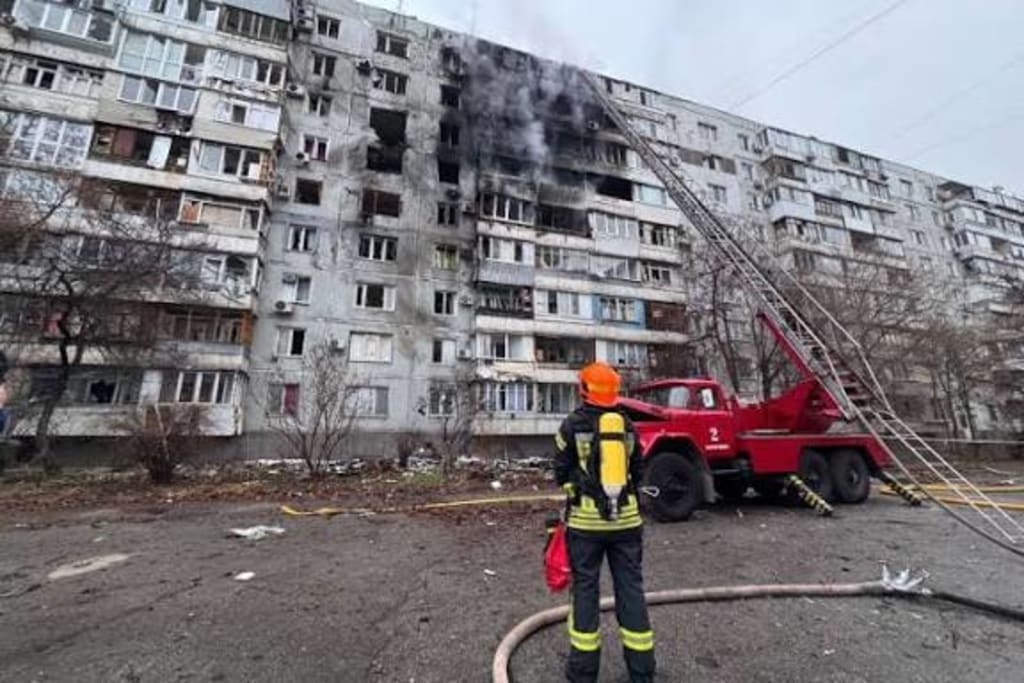
Tensions are mounting in Europe as Russia sharply criticised the continent’s recent moves to amend a U.S.-led plan aimed at ending the protracted war in Ukraine. Moscow’s response underscores not only the fragile nature of diplomatic negotiations but also the divergent interests within Western alliances as they attempt to resolve one of the most destabilising conflicts in recent history.
The original U.S. proposal, unveiled earlier this year, sought to establish a structured framework for negotiations between Kyiv and Moscow, combining immediate ceasefire measures, humanitarian corridors, and a roadmap for potential territorial settlements. While Washington touted the plan as a pragmatic approach to bring both sides to the table, European nations—including Germany, France, and Italy—recently proposed adjustments intended to accelerate implementation, enhance civilian protection, and ensure that any resolution aligns with EU security interests.
From Moscow’s perspective, these European amendments were viewed as undermining the delicate balance the U.S. had sought to establish. Russian officials warned that unilateral adjustments, especially those not fully coordinated with Moscow, risked derailing peace efforts entirely. The Kremlin’s spokesperson described the European proposals as “inflammatory” and “counterproductive,” arguing that they added pressure on Russia to concede more than what is acceptable under international norms and Moscow’s strategic interests.
The European rationale for the amendments is rooted in both humanitarian concerns and political pragmatism. Countries bordering Ukraine are acutely aware of the human cost of continued conflict, with millions of refugees and widespread infrastructural damage creating an urgent need for conflict mitigation. The proposed changes include stricter monitoring mechanisms for ceasefire violations, more robust international oversight of occupied regions, and contingency measures for rapid humanitarian response. European leaders argue that these provisions do not fundamentally alter the U.S. framework but rather strengthen it to ensure compliance and accountability.
Analysts suggest that the friction between Moscow, Washington, and European capitals highlights the growing complexity of multilateral diplomacy in conflicts where interests diverge. While the U.S. has consistently focused on a balance between negotiating leverage and humanitarian considerations, European powers are increasingly sensitive to the direct regional impacts of war. From Moscow’s standpoint, however, these interventions are perceived as attempts to pressure Russia into concessions that could threaten its strategic positioning in Eastern Europe.
The criticism from Russia also signals a broader geopolitical tension beyond the immediate Ukraine conflict. Moscow has long expressed frustration over what it perceives as Western encroachment in its traditional sphere of influence. Any external attempts to shape negotiations or impose conditions—especially by multiple actors—are interpreted in Russia as a challenge to its sovereignty and bargaining power. The recent European amendments thus became a lightning rod for Moscow’s broader narrative of resisting Western intervention.
The implications of this diplomatic standoff are significant. If the disagreements between Europe, the U.S., and Russia persist, the prospects for an immediate ceasefire or comprehensive peace deal could diminish. Observers warn that continued disunity within the Western alliance might embolden Moscow to harden its positions, prolonging the conflict and potentially escalating hostilities. Furthermore, the perception of disjointed Western strategy could influence other global players, including China and Turkey, who are watching closely to assess the balance of power in Europe and the Indo-Pacific.
Despite the criticism, European nations remain committed to pursuing a resolution, emphasizing that the amendments are designed to facilitate, not hinder, progress. Diplomatic channels are reportedly active, with several high-level meetings scheduled between European foreign ministers, U.S. officials, and Ukrainian representatives to address Moscow’s concerns while maintaining pressure for compliance. The challenge lies in balancing strategic patience with the urgency of conflict resolution, all while managing domestic and international political pressures.
The current situation reflects the broader difficulties of mediating modern conflicts where multiple actors have competing priorities. Moscow’s denunciation of European involvement serves as a reminder that even allies may find themselves at odds when attempting to navigate complex war dynamics. For the people of Ukraine, the stakes remain painfully clear: delays or diplomatic stalemates prolong suffering, displacement, and instability.
In conclusion, Russia’s critique of Europe’s attempts to amend the U.S. plan to end the Ukraine war reveals deep fissures in international efforts to resolve the conflict. While Europe seeks to reinforce the framework to protect civilians and expedite peace, Moscow perceives these moves as encroachments on its strategic prerogatives. As negotiations continue, the interplay of diplomatic strategy, humanitarian urgency, and geopolitical interests will shape the next phase of this high-stakes conflict. The coming weeks may prove critical in determining whether the Western alliance can present a unified front capable of compelling Moscow to consider meaningful concessions, or whether disunity will prolong one of the most consequential wars of the 21st century.
About the Creator
Fiaz Ahmed Brohi
I am a passionate writer with a love for exploring and creating content on trending topics. Always curious, always sharing stories that engage and inspire.
Keep reading
More stories from Fiaz Ahmed Brohi and writers in The Swamp and other communities.
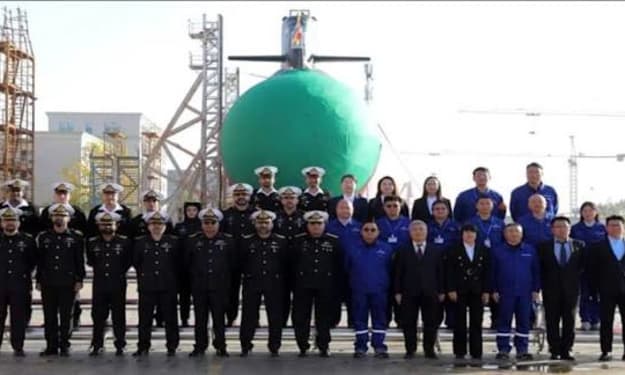
Ghost Of 1971 Returns: Why China Brings Back PNS Ghazi In India’s Backyard
The waters of the Indian Ocean have once again become a theater of strategic maneuvering, as China’s renewed naval activity near the Indian coast recalls one of the most dramatic naval episodes in South Asian history. The so-called “Ghost of 1971” – the PNS Ghazi – is figuratively returning to India’s backyard, as Beijing ramps up its maritime presence and showcases capabilities that echo the tense Indo-Pakistani war era.
By Fiaz Ahmed Brohi2 months ago in The Swamp
Why Black History Matters in America?
The United States of America is celebrating their 250th anniversary in 2026. I'm proud to be an American and as someone who was born here, I wouldn't imagine myself living anywhere else. This is a country where opportunities are possible. Where anyone can be successful in anything they desire to do. Equality, community, and togetherness are the backbones of what America is and should be about. However, we have an administration who wants to erase and disregard those who have made positive, meaningful impacts in our country, specifically Black figures, such as Martin Luther King, Jr., Rosa Parks, and Maya Angelou. President Trump and his administration have been constantly complaining and fighting against what they call the "Woke agenda". They use this excuse as a distraction from other issues they refuse to address, such as the high cost of living, climate change, and inflation. That equality is dividing America, when in reality, it's bringing us together. Being woke is not tied to a specific political party. No matter where you stand on the political spectrum, you can still care about other people and their plights. Compassion and empathy for others isn't tied to a political party, either. We were taught as children to treat others the way we want to be treated and not judge others because they're different from us. Caring about others isn't a personal attack on your beliefs. It doesn't make you any less of a person. People who are easily offended over African American figures, past or present, or anything related to it, are grasping at straws. Current and future generations need to know who people like Harriet Tubman and Shirley Chisholm were, especially in the classroom. Black History is part of American History. It should be recognized, not hidden or forgotten. Besides, you can't shield children from everything, just because your feelings are easily hurt.
By Mark Wesley Pritchard 19 days ago in The Swamp
US Says It Supports UK Chagos Islands Deal
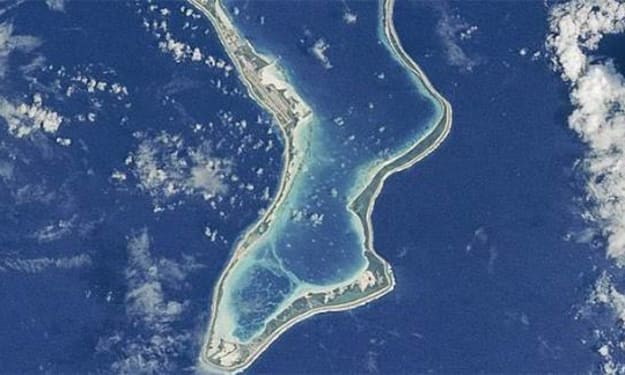
The United States has expressed formal support for the recent agreement between the United Kingdom and the Chagos Islands authorities, signaling a strengthening of diplomatic and strategic ties in the Indian Ocean region. The announcement underscores the continued U.S. interest in regional stability, military cooperation, and the protection of key strategic interests. Background of the Chagos Islands Deal The Chagos Islands, a British Overseas Territory located in the Indian Ocean, have long been the subject of international attention due to historical, geopolitical, and strategic factors. The islands are home to a significant military base at Diego Garcia, jointly operated by the UK and the United States, which plays a vital role in global military logistics, surveillance, and rapid deployment capabilities. The recent agreement, finalized earlier this year, outlines renewed governance arrangements, operational coordination, and environmental management protocols. While the specifics of the deal have not been fully disclosed due to security considerations, officials indicate that it includes enhanced collaboration on defense, infrastructure, and regional development. U.S. Support In a statement released by the State Department, a spokesperson confirmed Washington’s backing of the UK-led agreement. “The United States welcomes the agreement reached by the United Kingdom regarding the Chagos Islands,” the statement read. “We view this as a positive step in maintaining regional security, supporting environmental stewardship, and ensuring the operational readiness of a key strategic location.” The support from Washington reflects broader U.S. priorities in the Indo-Pacific region. Analysts note that Diego Garcia’s strategic position provides the U.S. military with a critical foothold for monitoring maritime traffic, supporting naval operations, and maintaining rapid response capabilities across the Indian Ocean, South Asia, and East Africa. Strategic Importance The Chagos Islands deal comes at a time of heightened strategic competition in the Indo-Pacific. With increasing naval activity by regional powers and ongoing concerns about maritime security, both the UK and U.S. have emphasized the need for a secure, well-managed base that can support allied operations. Military experts say that maintaining a cooperative agreement ensures that both countries can project power, respond to crises, and conduct humanitarian and logistical operations efficiently. “Diego Garcia is one of the most critical nodes in U.S. and UK military strategy,” said a defense analyst. “Supporting the agreement ensures that this capability remains intact and operationally effective.” Regional and International Reactions While the agreement has been welcomed by the U.S. and UK governments, it has drawn mixed reactions internationally. Some nations and advocacy groups have criticized the historical displacement of the Chagossian people and called for reparations or resettlement programs. Both the UK and U.S. have stated that the current deal respects international law and focuses on operational and environmental management rather than altering sovereignty claims. Regional partners, including Australia and India, have generally welcomed the stability the agreement provides, viewing it as a mechanism to ensure maritime security and uninterrupted shipping lanes critical to trade and energy flows. Implications for Defense Cooperation The U.S. support for the Chagos Islands deal highlights the ongoing importance of allied defense collaboration. Joint training exercises, surveillance operations, and logistical coordination are expected to increase under the agreement. Experts believe this framework strengthens interoperability between U.S. and UK forces, while also demonstrating a shared commitment to regional security. Environmental and Operational Provisions In addition to military considerations, the agreement reportedly includes environmental management provisions. Both countries have committed to preserving the fragile island ecosystem, including coral reefs and native wildlife habitats. This emphasis aligns with growing global attention to environmental sustainability in military operations. Looking Ahead The formal backing by the United States sets the stage for continued cooperation between the UK and its allies in the Indian Ocean region. Observers note that the agreement not only secures strategic military assets but also signals the U.S. commitment to supporting allied governance and operational frameworks in geopolitically sensitive areas. As tensions and competition in the Indo-Pacific persist, the Chagos Islands deal underscores the importance of maintaining strong, cooperative arrangements among allies to safeguard regional stability, operational readiness, and international maritime security.
By Fiaz Ahmed 3 days ago in The Swamp


Comments
There are no comments for this story
Be the first to respond and start the conversation.