
Sex Workers at Nevada Brothel Push for Historic Unionization
A landmark labor movement could reshape working conditions in one of America’s only legal sex industries
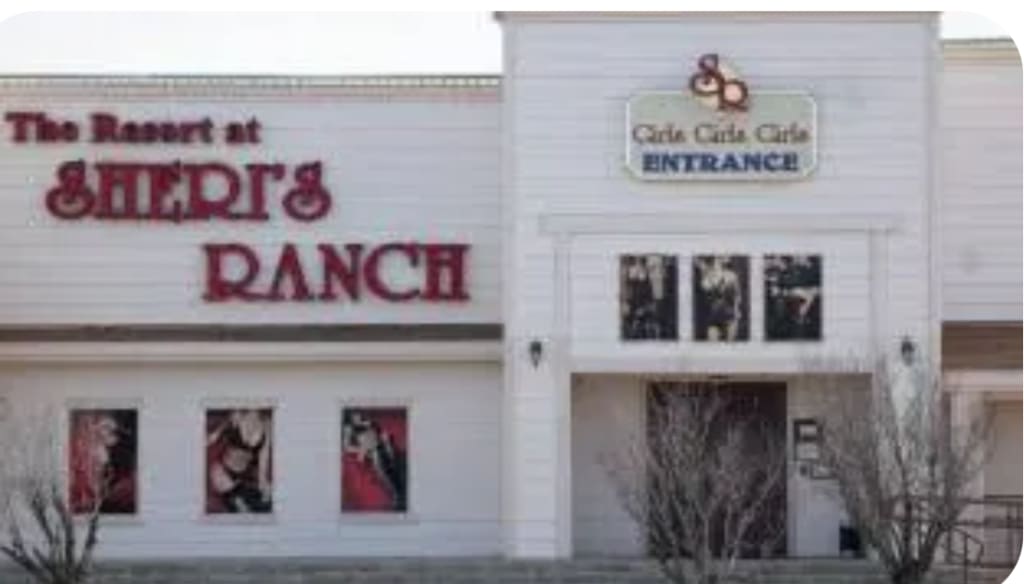
In a groundbreaking move that could reshape the legal sex industry in the United States, workers at a licensed Nevada brothel are pushing to form what would become the first union of its kind in the country. The effort represents a significant step in labor organizing within an industry that has long operated on the margins of public policy, even in states where it is legal.
Nevada remains the only U.S. state where prostitution is legal in certain counties, regulated under strict licensing laws. Brothels in rural counties operate as lawful businesses, but despite legalization, workers have historically lacked formal collective bargaining power. Now, a group of sex workers is seeking union recognition to advocate for better workplace protections, clearer policies, and a stronger voice in decisions affecting their livelihoods.
A Historic First
The brothel at the center of this effort is located in a rural Nevada county where licensed establishments operate legally under state law. Workers there argue that while their work is legal and regulated, they still face workplace challenges similar to those in other industries — including scheduling concerns, fee structures, and workplace policies.
By unionizing, workers hope to negotiate formal contracts covering wages, dispute resolution procedures, safety measures, and working conditions. Labor advocates describe this push as a potential milestone not only for Nevada but for the broader labor movement.
“This isn’t just about one brothel,” one organizer reportedly said. “It’s about recognizing that workers in every legal industry deserve a voice.”
Why Unionization Now?
The push for unionization comes amid a broader resurgence of labor activism across the United States. Over the past few years, workers in industries ranging from retail to hospitality to technology have sought collective bargaining rights to address concerns over compensation, safety, and job stability.
For sex workers in Nevada’s legal brothels, the issues are both familiar and unique. Workers often operate as independent contractors, paying house fees to brothel management and splitting earnings according to established agreements. However, some workers argue that clearer contractual protections and transparency would provide greater economic stability.
Organizers say they want:
Transparent fee structures
Defined dispute resolution processes
Clear workplace safety standards
Fair scheduling practices
Greater input into policy decisions
Supporters emphasize that unionization is not about challenging the legality of the work but about strengthening workplace protections within the legal framework already in place.
Legal and Regulatory Context
Nevada’s brothels operate under strict county regulations, including mandatory health checks, licensing requirements, and operational rules. However, state law does not specifically address collective bargaining for brothel workers, leaving questions about how union recognition would function in practice.
Labor law experts note that unionization could depend on whether workers are legally classified as employees or independent contractors. This classification plays a crucial role in determining eligibility under federal labor laws.
If successful, the effort could create a precedent for similar organizing efforts in other regulated industries that operate under unique legal frameworks.
Mixed Reactions
Reactions to the unionization push have been mixed.
Some labor rights advocates applaud the effort as a logical extension of workers’ rights principles. They argue that legal workers in any field should have access to collective bargaining tools, regardless of industry stigma.
Others raise questions about the potential impact on brothel operations. Management representatives have indicated they are reviewing the proposal and considering its implications for business structure and regulatory compliance.
Community members in Nevada counties where brothels operate have also expressed varying views. Some see the move as a progressive step that modernizes an existing industry, while others worry about potential legal complications.
The Broader Conversation About Labor Rights
The unionization effort highlights a broader societal shift in conversations about labor rights, worker protections, and economic fairness. Across industries, workers are increasingly advocating for collective representation to ensure transparency and stability.
This development also reflects changing attitudes toward legal sex work in Nevada. While the industry has long been regulated, public discussion about workers’ rights within it has been limited. The current push places those concerns front and center.
Labor scholars note that the case may serve as an important study in how labor law adapts to evolving industries. If recognized, the union could establish standards for contracts, working hours, and grievance procedures in a sector that has historically relied on individualized agreements.
Potential Impacts
If the unionization effort succeeds, the implications could extend beyond one brothel. Potential impacts include:
Greater formalization of labor standards within Nevada’s legal sex industry
Increased public scrutiny of workplace practices
Possible ripple effects in other regulated industries
Expanded dialogue around labor classifications and independent contractors
On the other hand, the process may face legal hurdles, particularly regarding worker classification and federal labor protections.
What Comes Next?
The next steps likely involve formal union recognition procedures, possible elections, and negotiations with management. The timeline remains uncertain, but organizers appear determined to move forward.
Regardless of the outcome, the effort represents a notable moment in labor history. It underscores the evolving nature of workers’ rights discussions and reflects a growing willingness among workers in diverse industries to pursue collective bargaining.
Conclusion
The push by Nevada brothel workers to unionize marks a historic and complex moment in American labor history. Operating within the only state where certain forms of sex work are legal, these workers are seeking to secure the same rights and protections available to many other professions.
Whether the unionization effort ultimately succeeds or not, it has already sparked important conversations about workplace rights, legal frameworks, and the role of collective bargaining in unconventional industries.
As labor movements continue to gain momentum nationwide, this development serves as a reminder that the desire for representation and fairness in the workplace can emerge in even the most unexpected sectors of the economy.
About the Creator
Why Black History Matters in America?
The United States of America is celebrating their 250th anniversary in 2026. I'm proud to be an American and as someone who was born here, I wouldn't imagine myself living anywhere else. This is a country where opportunities are possible. Where anyone can be successful in anything they desire to do. Equality, community, and togetherness are the backbones of what America is and should be about. However, we have an administration who wants to erase and disregard those who have made positive, meaningful impacts in our country, specifically Black figures, such as Martin Luther King, Jr., Rosa Parks, and Maya Angelou. President Trump and his administration have been constantly complaining and fighting against what they call the "Woke agenda". They use this excuse as a distraction from other issues they refuse to address, such as the high cost of living, climate change, and inflation. That equality is dividing America, when in reality, it's bringing us together. Being woke is not tied to a specific political party. No matter where you stand on the political spectrum, you can still care about other people and their plights. Compassion and empathy for others isn't tied to a political party, either. We were taught as children to treat others the way we want to be treated and not judge others because they're different from us. Caring about others isn't a personal attack on your beliefs. It doesn't make you any less of a person. People who are easily offended over African American figures, past or present, or anything related to it, are grasping at straws. Current and future generations need to know who people like Harriet Tubman and Shirley Chisholm were, especially in the classroom. Black History is part of American History. It should be recognized, not hidden or forgotten. Besides, you can't shield children from everything, just because your feelings are easily hurt.
By Mark Wesley Pritchard 14 days ago in The Swamp
Super Bowl LX Recap: A Team Called Hawks
Sixty. The Super Bowl turned 60! Still amazes me that this was the sixtieth Super Bowl played in NFL history. It seems like yesterday that I watched Super Bowl XXVII, the first SB I ever watched. The QB who won Super Bowl XXVII has since called a few SBs, and will call next year's game, but that's another story. Super Bowl LX took place at Levi's Stadium in Santa Clara, California, the home stadium of the San Francisco 49ers. However, it was one of their division foes who represented the NFC, as the Seattle Seahawks faced off against the New England Patriots.
By Clyde E. Dawkins6 days ago in Unbalanced




Comments
There are no comments for this story
Be the first to respond and start the conversation.