
The Future of Naval Autonomy: Boats and Drone Swarms
Formal / News style: Advances in artificial intelligence and robotics are transforming maritime warfare and surveillance operations. Navies worldwide accelerate deployment of unmanned vessels and coordinated drone systems. Autonomous platforms reshape naval strategy in an era of high-tech conflict. Professional & engaging: How robotic boats and intelligent swarms are redefining control of the seas. A new generation of unmanned fleets is changing the balance of maritime power. Short & impactful: From ships to swarms: the next evolution of naval warfare. Algorithms take the helm at sea.

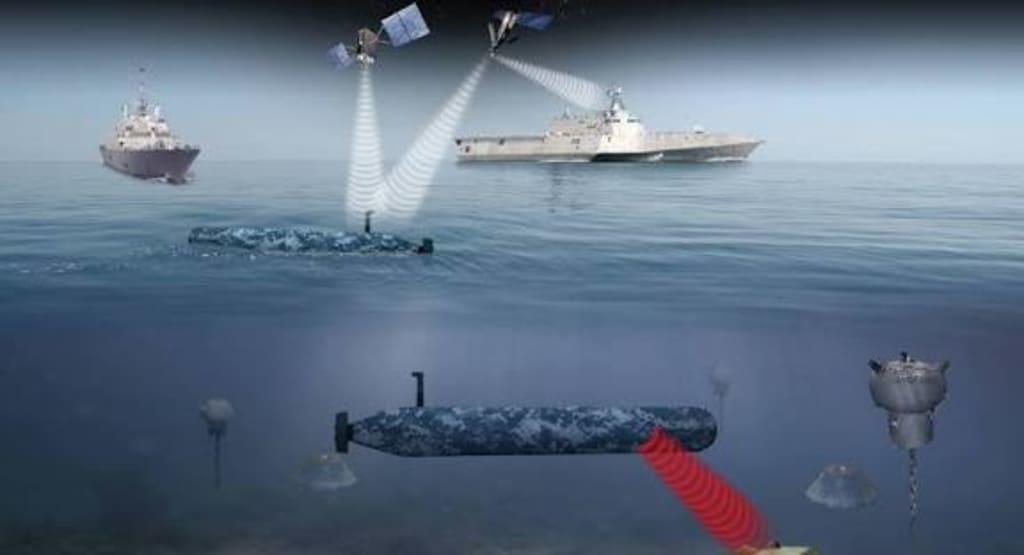
Naval warfare is entering a transformative era as autonomous boats and coordinated drone swarms begin to reshape how maritime operations are conducted. Advances in artificial intelligence, robotics and sensor technology are enabling navies to deploy unmanned surface vessels (USVs) and aerial drones capable of operating independently or in tightly coordinated groups. Defense analysts say this shift toward autonomy represents one of the most significant changes in naval strategy since the introduction of aircraft carriers.
Autonomous naval systems are designed to perform missions that traditionally required crewed ships, including surveillance, mine detection, reconnaissance and even combat support. These platforms reduce risk to human sailors while expanding the reach and persistence of naval forces. With global tensions rising in contested maritime regions, particularly in the Indo-Pacific and the Black Sea, many countries are accelerating investment in autonomous fleets.
Rise of Unmanned Surface Vessels
Unmanned surface vessels are at the center of this evolution. These robotic boats range from small, fast patrol craft to large, ship-sized platforms capable of operating for weeks without human intervention. Equipped with radar, sonar and electro-optical sensors, USVs can monitor shipping lanes, track submarines and gather intelligence in dangerous waters.
The United States Navy has already tested large autonomous vessels such as Sea Hunter and Sea Hawk, designed for anti-submarine warfare and long-duration patrol missions. Similarly, the United Kingdom, Israel and several European nations have deployed experimental or operational unmanned boats for coastal defense and mine countermeasures.
Ukraine’s use of explosive-laden sea drones during the conflict with Russia has further demonstrated the tactical impact of autonomous naval platforms. These systems have successfully damaged or disabled large warships at a fraction of the cost of traditional weapons, proving that smaller autonomous craft can challenge conventional naval power.
Drone Swarms at Sea
Beyond individual unmanned vessels, the concept of drone swarms is gaining attention. Swarms consist of dozens or even hundreds of drones that communicate with one another and coordinate their actions using artificial intelligence. Unlike traditional systems controlled by a single operator, swarms can adapt to threats, share data and continue missions even if some units are destroyed.
In naval operations, drone swarms could be used to overwhelm enemy defenses, conduct wide-area surveillance or escort larger ships through hostile waters. A swarm of small surface drones might screen a fleet against incoming threats, while aerial drones could provide real-time intelligence across vast ocean areas.
China has invested heavily in swarm technology, testing coordinated drone launches from ships and submarines. The U.S. Defense Department is also pursuing swarm programs under initiatives such as the Replicator project, which aims to field large numbers of autonomous systems quickly and at low cost.
Strategic and Economic Advantages
Autonomous naval systems offer several strategic benefits. First, they significantly reduce operational costs. Unmanned boats are cheaper to build and maintain than crewed warships and can be produced in large numbers. This allows navies to adopt a “distributed force” model, spreading capability across many small platforms instead of relying on a few expensive ships.
Second, autonomy improves endurance. Without the need for crew accommodations, food or rest, unmanned vessels can remain at sea for extended periods. This is particularly valuable for surveillance missions in remote or contested areas.
Third, autonomous systems change the risk equation. Commanders can deploy robotic platforms into dangerous zones without endangering human lives, enabling more aggressive or persistent operations.
Challenges and Risks
Despite their promise, naval autonomous systems face serious challenges. One major concern is cybersecurity. Because these platforms rely heavily on software and communications networks, they are vulnerable to hacking, jamming and spoofing. An enemy that takes control of an autonomous vessel could turn it into a weapon against its own fleet.
Ethical and legal questions also remain unresolved. International law governing the use of force at sea was developed for human decision-makers, not algorithms. Determining accountability for actions taken by autonomous weapons systems is a complex issue that policymakers have yet to fully address.
There are also technical hurdles. Operating in harsh maritime environments requires reliable navigation, collision avoidance and decision-making under unpredictable conditions. While artificial intelligence has made significant progress, fully autonomous combat decision-making remains controversial and limited.
The Road Ahead
Experts agree that the future navy will be a hybrid force combining crewed ships with autonomous boats and drone swarms. Rather than replacing sailors entirely, autonomous systems will act as force multipliers, extending the reach and effectiveness of traditional fleets.
Over the next decade, naval warfare is likely to become more networked and data-driven, with swarms of drones feeding information to command centers in real time. As countries race to develop these technologies, maritime security will increasingly depend on algorithms as much as armor.
The rise of naval autonomy marks a fundamental shift in how power is projected at sea. Boats and drone swarms are no longer experimental concepts but emerging tools of modern warfare, redefining strategy, deterrence and the balance of power on the world’s oceans.
About the Creator
Fiaz Ahmed
I am Fiaz Ahmed. I am a passionate writer. I love covering trending topics and breaking news. With a sharp eye for what’s happening around the world, and crafts timely and engaging stories that keep readers informed and updated.
Keep reading
More stories from Fiaz Ahmed and writers in The Swamp and other communities.
U.K. Police Consult Criminal Prosecutors About Andrew–Epstein Allegations
British police have confirmed they are consulting with criminal prosecutors regarding allegations linking Prince Andrew to the late convicted sex offender Jeffrey Epstein, renewing public scrutiny over the royal’s past association with the disgraced financier and raising fresh questions about whether criminal charges could be pursued in the United Kingdom. The Metropolitan Police Service said it is reviewing material and liaising with the Crown Prosecution Service (CPS) to determine whether any new evidence meets the legal threshold for further investigation. The move follows renewed attention to Epstein-related court documents and testimony that have emerged in the United States, prompting British authorities to reassess whether domestic legal action is warranted. Prince Andrew, the younger brother of King Charles III, has long denied any wrongdoing and has consistently said he has no recollection of meeting Virginia Giuffre, one of Epstein’s most prominent accusers. Giuffre has alleged that Epstein trafficked her to Prince Andrew when she was 17, claims that Andrew has rejected as false. Renewed Review of Evidence The Metropolitan Police previously closed its inquiry into Prince Andrew in 2022, stating at the time that no further action would be taken after reviewing available evidence. However, officials now say that developments in U.S. civil litigation and the unsealing of additional court documents have led them to reassess whether any material could be relevant under U.K. criminal law. A spokesperson for the Metropolitan Police said the force was “aware of reports and is considering information that has been made available,” adding that it is working with prosecutors to determine if the legal criteria for a criminal investigation are met. Under British law, prosecutors must establish that there is sufficient evidence to provide a realistic prospect of conviction before charges can be considered. The Crown Prosecution Service declined to comment on the specifics of the consultation but confirmed it routinely provides legal advice to police on complex and high-profile cases. Background of the Allegations Prince Andrew’s association with Epstein became a major public controversy after Epstein was arrested in the United States in 2019 on federal sex trafficking charges. Epstein later died in prison while awaiting trial. His case exposed a network of wealthy and powerful individuals who had social ties to him, triggering global investigations and civil lawsuits. In 2022, Prince Andrew reached an out-of-court settlement with Giuffre in a U.S. civil case, agreeing to pay an undisclosed sum while maintaining his innocence. The settlement did not include an admission of liability, but it effectively ended the civil proceedings against him. Following that case, Andrew was stripped of his military titles and royal patronages and withdrew from public duties, becoming a largely private figure within the royal family. Legal and Political Implications Legal experts say the renewed consultation with prosecutors does not automatically mean charges will follow. Instead, it reflects a procedural step to evaluate whether any newly surfaced information changes the legal position. “In cases of this sensitivity and public interest, police are obligated to examine whether new material could justify reopening an inquiry,” said one former senior prosecutor. “But the evidentiary bar remains very high, particularly when alleged conduct took place years ago and across international jurisdictions.” The situation also presents challenges due to jurisdictional issues. Many of the alleged incidents occurred outside the United Kingdom, primarily in the United States and on Epstein’s private properties. Any potential prosecution in Britain would require clear evidence that offenses took place within U.K. legal jurisdiction. Public Reaction and Royal Impact The renewed scrutiny has reignited debate in Britain about accountability and transparency within powerful institutions. Advocacy groups for survivors of sexual abuse have welcomed the police review, arguing that all allegations must be examined thoroughly regardless of the status of those involved. Buckingham Palace has not issued a new statement regarding the latest development, but previously said that Prince Andrew has denied the allegations and is cooperating with legal authorities where appropriate. The issue remains sensitive for the monarchy, which has sought to distance itself from the scandal. King Charles III has made efforts to modernize the institution and restore public trust following years of controversy involving multiple members of the royal family. Next Steps The Metropolitan Police said no timeline has been set for a decision on whether a new investigation will be launched. Any determination will depend on the assessment of evidence and advice from prosecutors. For now, the consultation process signals that British authorities are taking renewed allegations seriously, even as the legal hurdles remain substantial. The outcome could have significant implications not only for Prince Andrew but also for broader questions of how high-profile individuals are treated under the law. As international attention continues to focus on Epstein-related revelations, the case underscores the enduring impact of one of the most notorious scandals in recent history and the continuing search for accountability.
By Fiaz Ahmed 4 days ago in The Swamp
Why Black History Matters in America?
The United States of America is celebrating their 250th anniversary in 2026. I'm proud to be an American and as someone who was born here, I wouldn't imagine myself living anywhere else. This is a country where opportunities are possible. Where anyone can be successful in anything they desire to do. Equality, community, and togetherness are the backbones of what America is and should be about. However, we have an administration who wants to erase and disregard those who have made positive, meaningful impacts in our country, specifically Black figures, such as Martin Luther King, Jr., Rosa Parks, and Maya Angelou. President Trump and his administration have been constantly complaining and fighting against what they call the "Woke agenda". They use this excuse as a distraction from other issues they refuse to address, such as the high cost of living, climate change, and inflation. That equality is dividing America, when in reality, it's bringing us together. Being woke is not tied to a specific political party. No matter where you stand on the political spectrum, you can still care about other people and their plights. Compassion and empathy for others isn't tied to a political party, either. We were taught as children to treat others the way we want to be treated and not judge others because they're different from us. Caring about others isn't a personal attack on your beliefs. It doesn't make you any less of a person. People who are easily offended over African American figures, past or present, or anything related to it, are grasping at straws. Current and future generations need to know who people like Harriet Tubman and Shirley Chisholm were, especially in the classroom. Black History is part of American History. It should be recognized, not hidden or forgotten. Besides, you can't shield children from everything, just because your feelings are easily hurt.
By Mark Wesley Pritchard 14 days ago in The Swamp
I've Just Realized
The President doesn't understand music. There. It felt very good to write that; it's some thing I just realized today. Oh , yes; he plays it. He TRUMPets it in rallies and meetings, pumps it across the airwaves when he gathers up our minutes waiting for his late arrival.
By Judey Kalchik 7 days ago in Beat



Comments
There are no comments for this story
Be the first to respond and start the conversation.