
UAE Rejects Saudi Allegations and Announces End to Military Operations in Yemen: A Turning Point in the Conflict
UAE Rejects Saudi Allegations and Announces End to Military Operations in Yemen: A Turning Point in the Conflict
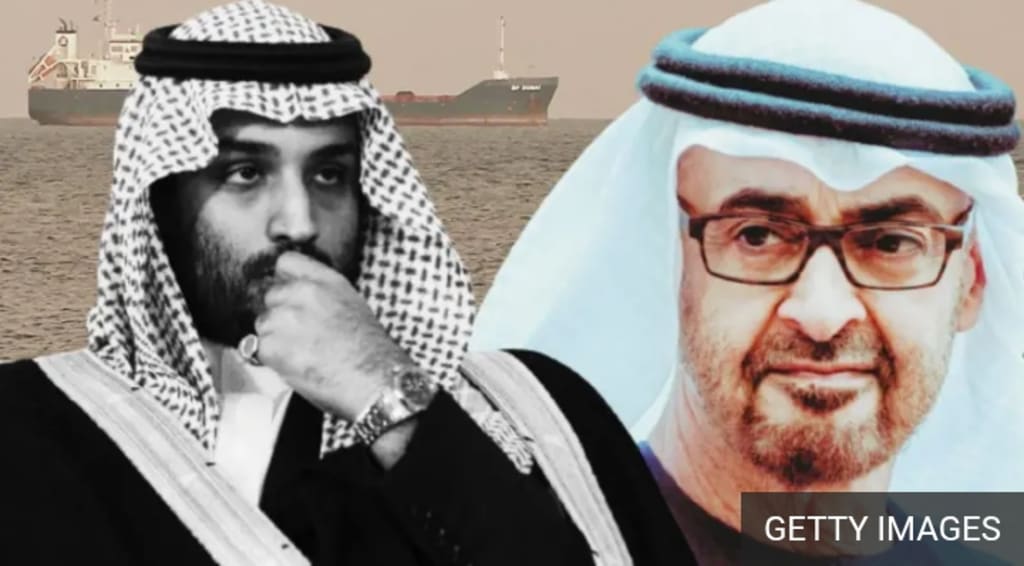
The United Arab Emirates’ recent decision to reject Saudi allegations of arming factions in Yemen while simultaneously announcing the end of its military operations marks a significant moment in Middle Eastern geopolitics. This development not only reshapes the dynamics of the Yemen conflict but also raises broader questions about regional alliances, shifting strategies, and the future of one of the world’s most devastating humanitarian crises.
For years, Yemen has been the center of a complex proxy war involving regional powers, local factions, and international interests. The UAE’s announcement signals a strategic recalibration that could alter the trajectory of the conflict—or expose deeper fractures within the Saudi-led coalition.
Background: The Yemen War and the Saudi-Led Coalition
The war in Yemen began in earnest in 2014 when Houthi rebels seized control of the capital, Sana’a, forcing the internationally recognized government into exile. In response, Saudi Arabia formed a coalition in 2015 to restore the Yemeni government, citing national security concerns and Iran’s alleged backing of the Houthis.
The UAE quickly emerged as a key member of this coalition, contributing troops, air power, and logistical support. While Saudi Arabia focused primarily on confronting the Houthis, the UAE concentrated on southern Yemen, targeting extremist groups such as Al-Qaeda in the Arabian Peninsula (AQAP) and supporting local forces.
Over time, however, differences in priorities and methods between Saudi Arabia and the UAE became increasingly visible.
Saudi Allegations and UAE’s Firm Rejection
Tensions escalated when Saudi-linked sources alleged that the UAE was indirectly supporting armed groups in Yemen, including factions that did not align with Riyadh’s objectives. Some claims suggested that Emirati-backed militias were undermining the unity of Yemen and complicating the coalition’s mission.
The UAE responded forcefully, dismissing the allegations as unfounded and misleading. Emirati officials emphasized that their involvement in Yemen had always been focused on counterterrorism, regional stability, and humanitarian support—not fueling further conflict.
According to the UAE, such accusations ignore the reality of its contributions, including securing key ports, combating extremist networks, and delivering large-scale humanitarian aid to Yemeni civilians.
Announcement to End Military Operations
Alongside rejecting Saudi allegations, the UAE announced that it was ending its direct military operations in Yemen. Officials described the move not as a withdrawal under pressure, but as a strategic transition from military engagement to diplomacy and stabilization.
The UAE clarified that:
It would reduce its military footprint significantly
Local Yemeni forces would take greater responsibility for security
Efforts would shift toward political dialogue and humanitarian assistance
This announcement came amid growing international pressure to end the war and mounting criticism over civilian casualties and infrastructure destruction.
Strategic Recalculation or Diplomatic Rift?
Analysts are divided on what the UAE’s decision truly represents. Some view it as a pragmatic recalculation—recognizing that military intervention has failed to produce a decisive victory and has instead deepened the humanitarian catastrophe.
Others see the move as evidence of a widening rift between Riyadh and Abu Dhabi. While the two countries remain strategic partners, their visions for Yemen’s future appear increasingly divergent. The UAE has shown support for southern Yemeni groups seeking autonomy, while Saudi Arabia continues to emphasize Yemen’s territorial unity under a central government.
This divergence complicates coalition cohesion and raises questions about how long Saudi Arabia can sustain the conflict without full Emirati backing.
Humanitarian Implications
Yemen’s humanitarian crisis is among the worst in the world. Millions face food insecurity, disease outbreaks, and displacement. Years of fighting have destroyed hospitals, schools, and vital infrastructure.
From a humanitarian perspective, the UAE’s decision to end military operations could reduce violence in certain regions, creating space for aid delivery and reconstruction. Emirati officials have highlighted their continued commitment to humanitarian programs, including food aid, medical assistance, and rebuilding efforts.
However, critics caution that unless all major parties commit to de-escalation, one actor’s withdrawal may not be enough to bring meaningful relief to civilians.
International and Regional Reactions
The announcement has drawn mixed reactions globally. The United Nations and several humanitarian organizations welcomed the move as a positive step toward de-escalation. Some Western diplomats described it as an opportunity to reinvigorate peace talks.
At the same time, regional observers warn that power vacuums left by withdrawing forces could be exploited by militias or extremist groups. The success of the UAE’s strategy will depend heavily on whether political solutions replace military ones.
Iran, often accused of backing the Houthis, has so far responded cautiously, while other Gulf states are watching closely to see how the balance of power shifts.
Saudi Arabia’s Position Going Forward
For Saudi Arabia, the UAE’s announcement creates both challenges and opportunities. On one hand, it may increase pressure on Riyadh to reassess its own military strategy and seek a negotiated settlement. On the other hand, Saudi Arabia could face greater operational burdens if it continues the conflict largely on its own.
The Saudi leadership has recently signaled openness to diplomacy, engaging in indirect talks and supporting ceasefire initiatives. The UAE’s move may accelerate this trend—or expose disagreements over the terms of peace.
Yemen’s Fragmented Political Landscape
Beyond regional politics, Yemen itself remains deeply divided. The Houthis control large parts of the north, while various factions dominate the south. Years of war have weakened central authority and empowered local actors.
The UAE’s reduced military role may strengthen some southern groups it previously supported, potentially reshaping internal power dynamics. Whether this leads to stability or further fragmentation remains uncertain.
Without an inclusive political process involving all major Yemeni stakeholders, military withdrawals alone are unlikely to secure lasting peace.
A Shift from War to Diplomacy?
The UAE insists that its decision reflects a belief that Yemen’s conflict cannot be solved through force alone. This sentiment echoes growing international consensus that diplomacy, not warfare, offers the only viable path forward.
Ending military operations does not automatically mean peace—but it does signal recognition that the costs of continued fighting outweigh the benefits. If followed by meaningful negotiations, confidence-building measures, and reconstruction efforts, this shift could mark the beginning of a new phase.
Conclusion: A Defining Moment for the Region
The UAE’s rejection of Saudi allegations and its announcement to end military operations in Yemen represent a defining moment in the long-running conflict. Whether this move becomes a catalyst for peace or merely another chapter in a complex war depends on the actions of all parties involved.
For Yemen’s suffering population, the hope is simple: that regional powers choose compromise over confrontation, diplomacy over destruction, and humanity over strategy.
The world will be watching closely to see whether this decision leads to genuine progress—or whether the conflict continues under a different form. In a war that has already taken too much, the opportunity for peace must not be squandered.
About the Creator
Keep reading
More stories from Zahid Hussain and writers in The Swamp and other communities.
President Asif Ali Zardari Meets Iraq’s Caretaker Prime Minister Mohammed Shia Al-Sudani at Government Palace
The meeting between President Asif Ali Zardari of Pakistan and Mr. Mohammed Shia Al-Sudani, the Caretaker Prime Minister of Iraq, held at the Government Palace, marks a significant moment in the evolving diplomatic relationship between Pakistan and Iraq. This high-level interaction reflects both nations’ commitment to strengthening bilateral ties, fostering regional cooperation, and addressing shared challenges in an increasingly complex geopolitical landscape. Such meetings are more than ceremonial gestures; they represent a convergence of political vision, strategic dialogue, and mutual respect between two important Muslim-majority countries with deep historical, cultural, and diplomatic roots. A Meeting of Diplomatic Significance President Asif Ali Zardari, known for his experience in statecraft and diplomacy, arrived at the Government Palace amid official protocols and warm reception. His meeting with Prime Minister Mohammed Shia Al-Sudani was characterized by cordiality and constructive dialogue, symbolizing the mutual desire to enhance cooperation between Pakistan and Iraq. Both leaders acknowledged the importance of maintaining regular high-level engagements, especially at a time when the Middle East and South Asia face evolving political, economic, and security challenges. Strengthening Pakistan–Iraq Relations Pakistan and Iraq share longstanding ties rooted in shared religious, cultural, and historical connections. Over the years, both countries have supported each other at various international forums, including the Organization of Islamic Cooperation (OIC) and the United Nations. During the meeting, discussions reportedly focused on: Enhancing bilateral trade and economic cooperation Expanding energy collaboration Strengthening people-to-people exchanges Cooperation in education, health, and cultural sectors President Zardari emphasized Pakistan’s willingness to support Iraq’s reconstruction and development efforts, particularly in areas where Pakistan has expertise, such as infrastructure development, healthcare services, and skilled manpower. Regional Stability and Shared Concerns One of the key themes of the discussion was regional stability. Both leaders expressed concern over ongoing conflicts, political uncertainty, and security challenges affecting the broader region. President Zardari reaffirmed Pakistan’s stance in favor of dialogue, peaceful coexistence, and respect for sovereignty as guiding principles in international relations. Prime Minister Mohammed Shia Al-Sudani highlighted Iraq’s efforts to stabilize its internal political landscape and rebuild institutions after years of conflict. He acknowledged Pakistan’s constructive role in promoting peace and moderation in the Muslim world. Economic Cooperation and Trade Opportunities Economic collaboration featured prominently in the talks. Both sides recognized that bilateral trade between Pakistan and Iraq remains below its true potential. The leaders discussed ways to encourage private-sector engagement, ease trade regulations, and explore joint ventures. Key sectors identified for cooperation included: Energy and petroleum Agriculture and food security Pharmaceuticals Construction and engineering services President Zardari noted that Pakistan’s growing industrial base and skilled workforce could contribute positively to Iraq’s economic revival. Cultural and Religious Ties Cultural and religious connections between Pakistan and Iraq hold deep significance, particularly due to religious tourism. Every year, thousands of Pakistani pilgrims travel to Iraq to visit holy sites. Both leaders discussed measures to improve facilities, security, and coordination for pilgrims, ensuring a smoother and safer experience. Strengthening cultural exchanges, academic cooperation, and media collaboration were also highlighted as ways to bring the people of both nations closer together. Pakistan’s Vision for Diplomatic Engagement President Asif Ali Zardari reiterated Pakistan’s broader diplomatic vision—one rooted in peaceful coexistence, economic diplomacy, and regional connectivity. He stressed that Pakistan seeks to build partnerships based on mutual respect and shared interests, rather than short-term political gains. His engagement with Iraq’s caretaker leadership underscores Pakistan’s intent to remain actively involved in Middle Eastern affairs while maintaining balanced relations with all regional stakeholders. A Message of Unity and Cooperation The meeting concluded on a positive note, with both leaders expressing optimism about the future of Pakistan–Iraq relations. The exchange of views at the Government Palace served as a reminder that diplomacy remains a powerful tool for addressing challenges, building trust, and shaping a cooperative future. In an era marked by uncertainty and rapid geopolitical shifts, such high-level engagements reinforce the importance of dialogue, understanding, and collaboration among nations. Conclusion The meeting between President Asif Ali Zardari and Caretaker Prime Minister Mohammed Shia Al-Sudani was not merely a diplomatic formality—it was a reaffirmation of shared values, mutual respect, and a collective vision for peace and development. As Pakistan and Iraq continue to navigate regional and global challenges, such interactions pave the way for stronger partnerships, deeper cooperation, and a more connected Muslim world built on dialogue and diplomacy.
By Zahid Hussain2 months ago in The Swamp
Why Black History Matters in America?
The United States of America is celebrating their 250th anniversary in 2026. I'm proud to be an American and as someone who was born here, I wouldn't imagine myself living anywhere else. This is a country where opportunities are possible. Where anyone can be successful in anything they desire to do. Equality, community, and togetherness are the backbones of what America is and should be about. However, we have an administration who wants to erase and disregard those who have made positive, meaningful impacts in our country, specifically Black figures, such as Martin Luther King, Jr., Rosa Parks, and Maya Angelou. President Trump and his administration have been constantly complaining and fighting against what they call the "Woke agenda". They use this excuse as a distraction from other issues they refuse to address, such as the high cost of living, climate change, and inflation. That equality is dividing America, when in reality, it's bringing us together. Being woke is not tied to a specific political party. No matter where you stand on the political spectrum, you can still care about other people and their plights. Compassion and empathy for others isn't tied to a political party, either. We were taught as children to treat others the way we want to be treated and not judge others because they're different from us. Caring about others isn't a personal attack on your beliefs. It doesn't make you any less of a person. People who are easily offended over African American figures, past or present, or anything related to it, are grasping at straws. Current and future generations need to know who people like Harriet Tubman and Shirley Chisholm were, especially in the classroom. Black History is part of American History. It should be recognized, not hidden or forgotten. Besides, you can't shield children from everything, just because your feelings are easily hurt.
By Mark Wesley Pritchard 16 days ago in The Swamp
Trump revokes landmark ruling that greenhouse gases endanger public health
Subtitle: The rollback of the Obama-era “endangerment finding” signals a dramatic shift in U.S. climate policy and sets the stage for legal and political battles over the nation’s responsibility to curb emissions.In a move that reshapes the foundation of U.S. climate regulation, Donald Trump has formally revoked the landmark federal ruling that classified greenhouse gases as a threat to public health and welfare. The decision overturns the 2009 “endangerment finding,” which empowered the Environmental Protection Agency to regulate carbon dioxide and other heat-trapping emissions under the Clean Air Act. Administration officials described the action as a correction of what they called regulatory overreach. They argued the original finding relied on “uncertain climate projections” and imposed unnecessary costs on U.S. industries and consumers. The new directive instructs the EPA to withdraw the scientific and legal basis for treating greenhouse gases as pollutants that threaten human health. “This is about restoring balance and protecting American jobs,” a senior official said during the announcement. “We are ensuring that environmental policy does not become a weapon against economic growth.” The endangerment finding, introduced during the Obama administration, was a cornerstone of federal climate policy. It provided the legal justification for limits on emissions from power plants, automobiles, and industrial facilities. By rescinding it, the Trump administration effectively removes the EPA’s authority to regulate greenhouse gases nationwide unless Congress passes new legislation. Environmental groups and public health advocates reacted with alarm. They warned that the decision ignores decades of scientific research linking climate change to rising heat deaths, worsening air quality, stronger storms, and the spread of infectious diseases. Several organizations vowed to challenge the move in court, arguing that the EPA is legally obligated to consider scientific evidence and protect public welfare. “This is not just a policy change—it is a rejection of established science,” said one environmental lawyer involved in preparing litigation. “The courts have already affirmed that greenhouse gases can be regulated when they endanger health. Undoing that will not be easy.” Legal experts expect a protracted battle. The original endangerment finding was upheld by federal courts, and any attempt to withdraw it must survive judicial review. Critics say the administration must provide stronger scientific justification than it has so far presented, or risk having the reversal blocked. Industry groups, however, welcomed the announcement. Energy producers and manufacturing associations have long complained that climate regulations increase operating costs and put U.S. companies at a disadvantage compared with foreign competitors. They argue that market forces and innovation, rather than federal mandates, should drive emissions reductions. Internationally, the decision has drawn sharp criticism from U.S. allies and climate diplomats. Observers say it weakens American credibility in global climate negotiations and could slow momentum toward collective action. Several European officials expressed concern that the U.S. is retreating from commitments to address a problem that scientists describe as accelerating. Public reaction at home has been divided. Supporters of the move see it as consistent with Trump’s campaign promises to dismantle what he called burdensome environmental rules. Opponents view it as a step backward that puts vulnerable communities at greater risk from pollution and extreme weather. The rollback comes amid increasing evidence of climate impacts across the United States, including record-breaking heat waves, more intense wildfires, and rising coastal flooding. Health organizations warn that these trends disproportionately affect the elderly, children, and low-income populations. Whether the revocation ultimately stands will depend on the courts and future administrations. For now, the decision marks one of the most consequential reversals of environmental policy in modern U.S. history—one that reopens a fundamental question: should greenhouse gases be treated as a public health threat, or as an economic variable beyond the reach of federal regulation?
By Fiaz Ahmed 5 days ago in The Swamp
'Till Death We Do Art
There would be nothing divine in this world without art. Nature may surpass the divine to all intents and purposes, but like everything it absorbs and is absorbed by, it remains here, stuck on the surface of this world, ever-present, physically bound to the universe.
By Avocado Nunzella BSc (Psych) -- M.A.P about 20 hours ago in Art



Comments
There are no comments for this story
Be the first to respond and start the conversation.