
US Slips to Its Lowest-Ever Rank in Global Corruption Index
Decline Raises Concerns Over Transparency, Political Polarization, and Public Trust in American Institutions
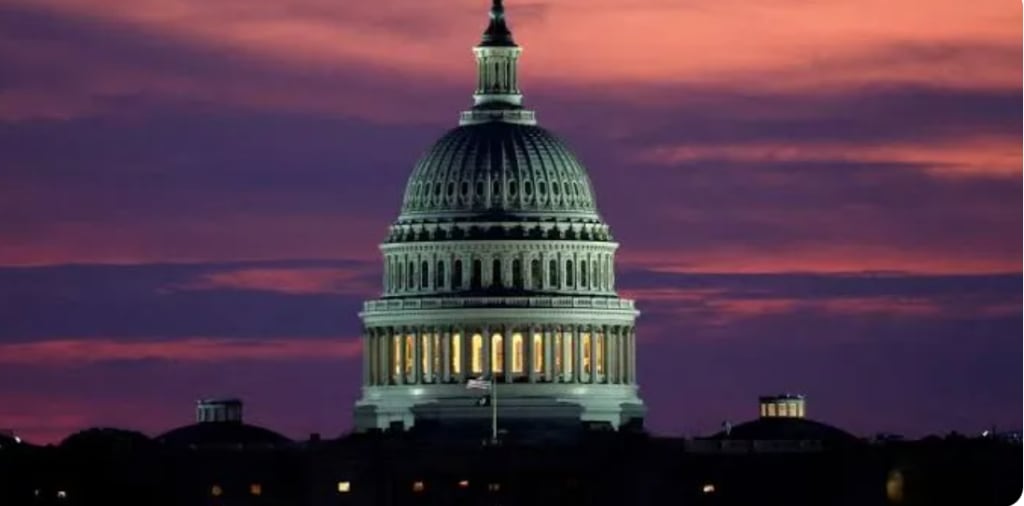
The United States has fallen to its lowest position ever in a prominent global corruption index, marking a significant moment for a country long viewed as a benchmark for democratic governance and institutional accountability. The drop has sparked debate among policymakers, watchdog organizations, and citizens alike about the health of American democracy and the integrity of its public institutions.
The annual global corruption index, widely referenced by governments, investors, and advocacy groups, evaluates countries based on perceived levels of public sector corruption. It draws from expert assessments, business surveys, and governance indicators to provide a comparative ranking of nations around the world. Historically, the US has maintained a strong standing, often ranking among the top 25 least corrupt countries. However, its recent decline signals growing concerns over transparency, accountability, and political ethics.
A Troubling Trend
The latest ranking reflects a continuing downward trend for the United States over the past several years. Analysts point to multiple factors contributing to the slide, including political polarization, concerns about campaign finance practices, challenges to electoral integrity, and perceived weaknesses in enforcing ethics laws.
Experts argue that corruption is not solely about bribery or overt criminal activity. Instead, it often manifests in more subtle forms, such as undue influence in policymaking, opaque lobbying practices, and regulatory capture. In the US context, the role of money in politics remains a central concern. The increasing cost of election campaigns and the influence of political action committees (PACs) and special interest groups have led to perceptions that policymaking may be disproportionately shaped by wealthy donors and corporate interests.
Furthermore, high-profile investigations involving public officials, ongoing debates over judicial ethics, and concerns about conflicts of interest have contributed to a perception that accountability mechanisms may not be functioning as effectively as intended.
Impact on Public Trust
One of the most significant consequences of declining performance in corruption rankings is the erosion of public trust. Surveys consistently show that Americans’ confidence in government institutions has weakened over the past decade. When citizens perceive that leaders are not held accountable or that political systems favor elites, it undermines faith in democratic processes.
Public trust is essential not only for political stability but also for economic performance. Investors often rely on corruption indices as indicators of risk. A lower ranking can influence foreign investment decisions, affect credit ratings, and shape global perceptions of a country's business environment.
Transparency advocates warn that even the perception of corruption can be damaging. “Perception matters,” governance experts frequently note, because it influences how citizens engage with institutions and whether they believe their voices matter.
Political Polarization and Institutional Strain
Political polarization has also been cited as a key factor behind the United States’ decline. Deep divisions between political parties have led to legislative gridlock, contentious confirmation processes, and heated disputes over the independence of institutions such as the judiciary and law enforcement agencies.
In recent years, disputes over election administration and allegations of voter suppression or election interference have further intensified scrutiny of democratic safeguards. While the US continues to hold regular elections and maintain constitutional processes, critics argue that persistent challenges to electoral outcomes and voting systems have weakened confidence in governance.
Institutional strain extends beyond elections. Oversight bodies, inspector generals, and ethics watchdogs have faced increased pressure in a polarized environment. When oversight mechanisms are perceived as politicized, their credibility—and the broader integrity framework—can suffer.
Campaign Finance and Lobbying Concerns
Campaign finance remains a particularly contentious issue. Supreme Court decisions over the past decade have expanded the scope of political spending by corporations and interest groups. While supporters argue that such rulings protect free speech, critics contend they have amplified the influence of money in politics.
Lobbying practices in Washington also draw scrutiny. The “revolving door” phenomenon—where public officials transition into lobbying roles after leaving office—raises concerns about conflicts of interest and regulatory capture. Although lobbying is legal and regulated, critics argue that disclosure requirements and enforcement mechanisms need strengthening to maintain public confidence.
Comparisons with Global Peers
The US decline stands in contrast to some other advanced democracies that have maintained or improved their rankings by implementing stronger transparency laws, independent anti-corruption agencies, and stricter campaign finance regulations.
Nordic countries, for example, consistently rank among the least corrupt nations due to robust public access to information laws, transparent procurement systems, and strong social trust. Analysts suggest that reinforcing similar mechanisms could help the United States reverse its downward trajectory.
However, experts caution against oversimplifying comparisons. The US federal system, with its division of powers among federal, state, and local governments, creates complexity in oversight and enforcement. Corruption risks and accountability standards can vary significantly across states and municipalities.
Path Forward: Reform and Accountability
Despite the concerning ranking, governance specialists emphasize that the United States retains strong institutions, an independent judiciary, and a vibrant civil society. Investigative journalism, watchdog organizations, and active citizen engagement continue to play critical roles in exposing misconduct and advocating for reform.
Policy recommendations to address corruption perceptions include strengthening ethics rules for public officials, enhancing transparency in political donations, tightening lobbying regulations, and improving protections for whistleblowers. Expanding digital transparency initiatives—such as accessible public databases for government spending—could also increase accountability.
Some lawmakers have proposed bipartisan reforms aimed at restoring trust, including measures to limit stock trading by members of Congress and stricter financial disclosure requirements. However, passing such reforms in a polarized political climate remains a challenge.
Broader Implications
The United States’ position in global corruption rankings carries symbolic and practical significance. As a leading global power that often advocates for anti-corruption reforms abroad, its domestic performance influences its credibility on the world stage.
Diplomatic initiatives promoting transparency and rule of law can be undermined if the US is perceived as struggling with similar issues at home. Conversely, meaningful reforms could reinforce its standing as a democratic model.
Ultimately, the decline in ranking serves as a warning sign rather than a definitive judgment. Corruption indices measure perceptions, which can shift over time in response to policy changes and institutional improvements. Addressing the underlying concerns—political polarization, campaign finance transparency, and institutional accountability—will require sustained commitment from leaders across the political spectrum.
As debates continue, one reality is clear: restoring public trust and strengthening democratic integrity are essential not only for improving international rankings but also for ensuring the resilience of American democracy in the years ahead.
About the Creator
Keep reading
More stories from Aqib Hussain and writers in The Swamp and other communities.
Herzog Attends Bondi Memorial Ceremony with Australia’s Albanese, Who Doesn’t Give Speech
In a solemn display of solidarity and remembrance, Israeli President Isaac Herzog attended the Bondi memorial ceremony alongside Australian Prime Minister Anthony Albanese. The event, held at the iconic Bondi Beach, honored the victims of the recent tragedy that shook both Australia and the global community. While Herzog addressed attendees with heartfelt remarks, Albanese’s decision not to give a speech became a focal point of discussion surrounding the ceremony. The memorial drew political leaders, community representatives, faith leaders, and grieving families together in a powerful moment of unity. Against the backdrop of Bondi’s coastline — a location symbolic of Australian culture and openness — the ceremony underscored themes of resilience, remembrance, and shared humanity. A Moment of International Solidarity Herzog’s attendance at the Bondi memorial ceremony signified more than diplomatic courtesy. It reflected the close ties between Israel and Australia and highlighted a shared condemnation of violence and extremism. Standing beside Australia’s Albanese, Herzog expressed condolences to the victims’ families and emphasized the importance of standing firm against hatred. In his address, Herzog spoke about the universal pain of terror and violence, noting that grief transcends borders. He stressed that democratic nations must stand united in defense of their values and protect the safety of their citizens. “Today, we stand together in mourning,” Herzog stated, reinforcing the idea that tragedy in one nation reverberates globally. His remarks were measured, empathetic, and forward-looking, focusing on healing and solidarity rather than politics. Observers noted that Herzog’s presence elevated the international significance of the Bondi memorial ceremony. Albanese’s Silent Presence While Herzog delivered formal remarks, Australia’s Prime Minister Anthony Albanese did not give a speech. His decision not to address the crowd drew attention both during and after the ceremony. Albanese’s office did not immediately provide detailed reasoning for the choice. However, some political analysts suggested that the Prime Minister may have intended to keep the focus on the victims and their families rather than on political leadership. Others interpreted the silence as a deliberate gesture of reflection and respect. Despite not giving a speech, Albanese played an active role in the ceremony. He met privately with victims’ families, laid flowers at the memorial site, and stood alongside community leaders during moments of silence. His visible emotion and direct engagement conveyed empathy without words. Supporters argued that in moments of profound grief, presence can speak louder than rhetoric. Critics, however, questioned whether a formal address might have offered reassurance to a shaken public. Bondi: A Symbolic Setting Bondi Beach holds a unique place in Australia’s national identity. Known worldwide for its vibrant surf culture and multicultural atmosphere, it represents openness and diversity. Hosting the memorial ceremony at Bondi amplified the symbolism of unity in the face of violence. The atmosphere at the ceremony was solemn yet dignified. Floral tributes lined the beachfront, and candles flickered as attendees observed moments of silence. Faith leaders from multiple traditions offered prayers, reinforcing a message of interfaith solidarity. Community members described the gathering as both heartbreaking and healing. Many expressed appreciation for Herzog’s attendance and for the support shown by international leaders. Strengthening Australia–Israel Relations Herzog attending the Bondi memorial ceremony alongside Australia’s Albanese also highlighted the broader diplomatic relationship between the two countries. Australia and Israel have long maintained cooperative ties across trade, defense, technology, and education. Political commentators noted that Herzog’s visit could reinforce bilateral engagement at a time when global tensions remain high. By appearing together at a moment of mourning, both leaders demonstrated shared democratic values and mutual respect. Though Albanese did not give a speech, his participation signaled Australia’s commitment to standing with allies against violence and extremism. Herzog’s remarks further underscored the importance of international cooperation in addressing security threats. Public and Political Reactions Reactions to the ceremony were largely respectful, though discussions around Albanese’s silence continued in media coverage. Some members of the public felt that a speech from the Prime Minister could have provided additional comfort or clarity. Others praised the understated approach, suggesting that it kept the focus squarely on remembrance rather than political messaging. Social media reflected a mix of perspectives. Many users shared images of the ceremony, highlighting the dignified tone and the unity displayed. Herzog’s speech received attention for its emotional depth and emphasis on shared humanity. Political analysts pointed out that memorial ceremonies often carry complex expectations. Leaders must balance empathy, symbolism, and diplomacy while avoiding politicization of tragedy. In that context, Albanese’s choice not to speak may have been a calculated effort to maintain solemnity. The Broader Message Ultimately, the Bondi memorial ceremony conveyed a powerful message: acts of violence cannot fracture communal bonds or international partnerships. Herzog’s presence alongside Australia’s Albanese reinforced the idea that grief and resilience are shared experiences. While headlines focused on the fact that Albanese did not give a speech, the broader takeaway from the event was unity. The image of the two leaders standing together in silence may prove as impactful as any spoken address. The ceremony also served as a reminder of the role leaders play during times of national trauma. Whether through words or quiet presence, their actions shape public healing and collective memory. Looking Ahead As investigations and recovery efforts continue, the Bondi memorial ceremony will likely remain a defining moment in the public response to the tragedy. Herzog attending the ceremony alongside Australia’s Albanese demonstrated international solidarity at a critical time. Though Albanese did not give a speech, his participation reflected a commitment to honoring victims and supporting affected families. Herzog’s address, meanwhile, underscored the importance of unity across borders. In the end, the ceremony was less about political statements and more about remembrance. Against the vast horizon of Bondi Beach, leaders and citizens alike stood together — not divided by nationality, but united in grief and hope for a safer future. As Australia continues to process the tragedy, the images from Bondi — of flowers, candlelight, and two leaders standing side by side — will remain etched in the national consciousness, symbolizing resilience, compassion, and shared resolve.
By Aqib Hussain3 days ago in The Swamp
The Saddest Thing - The Billionaires Who Rule America Aren't Even Enjoying Themselves
This single post says more about our ruling class than a thousand policy papers. The saddest thing about today's system is that the men robbing the rest of us - sabotaging our economic prospects, our pensions, our access to affordable healthcare - are not even happy.
By Scott Christenson🌴8 days ago in The Swamp
Navalny Was Poisoned With Frog Toxin, European Governments Say
European governments say that Russian opposition leader Alexei Navalny was killed with a rare poison taken from a frog toxin. The claim comes after new laboratory tests were done on samples from his body. Leaders from the United Kingdom, France, Germany, Sweden, and the Netherlands say the evidence shows he was poisoned with a substance called epibatidine. This chemical is found in certain poison dart frogs from South America.
By sehzeen fatimaabout 2 hours ago in The Swamp
When True Love Never Questions Your Soul
“And she’s going to learn that this life will hit you, hard, in the face, wait for you to get back up, just so it can kick you in the stomach but getting the wind knocked out of you is the only way to remind your lungs how much they like the taste of air.” — Sarah Kay’s Poem — If I Should Have a Daughter
By Chantal Christie Weiss6 days ago in Humans




Comments
There are no comments for this story
Be the first to respond and start the conversation.