
Australia Isobutanol Market: Precision Chemicals Fueling Sustainable Growth
A detailed examination of how Australia’s isobutanol market is evolving — from USD 30 million in 2024 to nearly USD 48 million by 2033 — driven by automotive, coatings, and green chemistry trends.

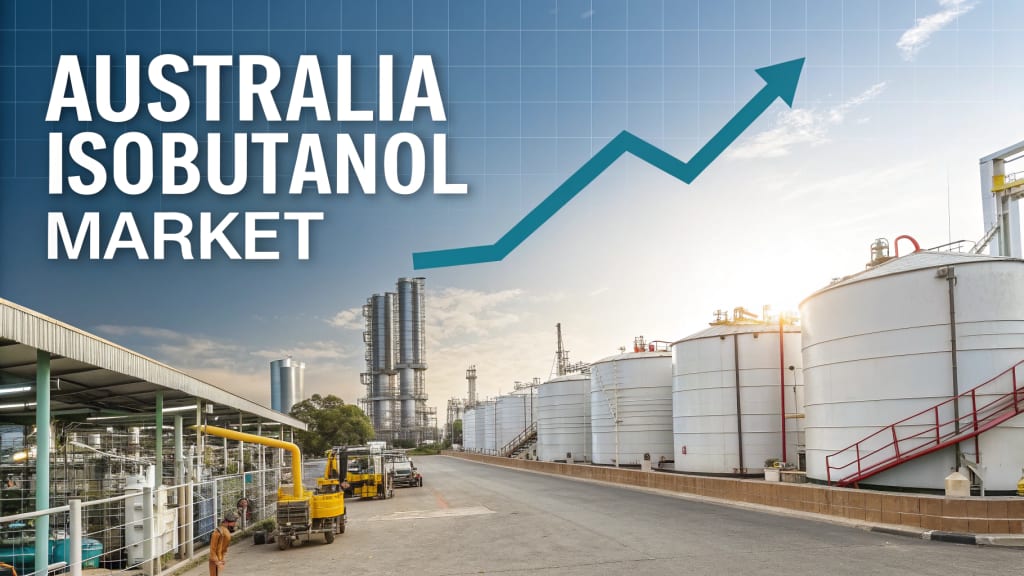
The Australia isobutanol market is steadily building momentum as industrial sectors increasingly adopt this versatile chemical intermediate. According to IMARC Group, the market size reached USD 30.00 million in 2024 and is forecast to grow to USD 47.95 million by 2033, representing a compound annual growth rate (CAGR) of 5.35 % between 2025 and 2033. This growth reflects robust demand from automotive and industrial applications, alongside a broader shift toward bio-based and sustainable solvent solutions.
Isobutanol — a four-carbon alcohol — is valued in multiple industrial segments, including solvents, coatings, fuel additives, and as a chemical building block for complex derivatives. Its balanced physical and chemical properties, such as controlled evaporation rates and compatibility with diverse formulations, make it a preferred choice in both conventional and emerging use cases. In Australia, the interplay of industrial demand, environmental priorities, and innovation has shaped a distinct growth path for isobutanol across the forecast period.
Why the Market Is Growing So Rapidly
1. Automotive Coatings and Solvents Demand
One of the primary growth drivers for isobutanol in Australia is its use as a high-performance solvent and intermediate in automotive coatings and paints. As the automotive industry prioritises quality, durability, and compliance with environmental standards, isobutanol-based solvents are increasingly employed to deliver advanced performance characteristics. The expansion of vehicle production — including electric vehicle (EV) segments where specialised coatings are essential — underpins steady uptake across this segment.
2. Chemical and Industrial Use Cases
Beyond automotive coatings, isobutanol serves as a valuable chemical intermediate in producing esters, additives, and specialty chemicals used across industrial applications. Its role in formulating adhesives, plasticisers, and industry-specific solvents expands market reach beyond traditional end uses. These versatile applications are crucial in sectors like industrial manufacturing and construction, where performance criteria and tailored solvent properties matter.
3. Transition to Bio-Based Variants
Environmental concerns and regulatory pressures are prompting shifts from petroleum-based to bio-based isobutanol. Bio-based isobutanol — derived from renewable feedstocks such as corn or sugarcane — is positioned as a greener alternative that aligns with sustainability goals and emissions reduction policies. Government green initiatives and industry commitments to low-carbon solutions further enhance the appeal of bio-derived isobutanol in industrial applications.
4. Sustainable Feedstock Innovation
Technological advances in bio-manufacturing processes — such as enzymatic and cell-free conversion methods — are increasing the commercial viability of bio-based isobutanol. These innovations can improve yields, reduce production costs, and minimise environmental impacts compared to traditional petrochemical routes. Such developments are likely to accelerate adoption and broaden market applications.
5. Regulatory and Environmental Landscape
Australia’s regulatory environment increasingly favours sustainable industrial practices and low-VOC (volatile organic compound) formulations. As businesses comply with stringent environmental and workplace safety standards, demand for cleaner and greener chemicals — including bio-based isobutanol — is expected to rise. This regulatory push catalyses investment in sustainable production technologies and market expansion.
What the Opportunities Are
A range of strategic opportunities stands out for stakeholders in Australia’s isobutanol market:
1. Scaling Bio-Based Production Capacity
With sustainability gaining priority, investment in bio-based isobutanol production infrastructure presents a significant opportunity. Advances in bio-reactor design and biocatalysis could make commercial scalability more attainable, reducing reliance on imported petrochemical feedstocks.
2. Diversifying End-Use Applications
Beyond coatings and solvents, isobutanol has potential in fuel additives, plastics precursors, and performance chemical intermediates. Targeting emerging industrial segments, such as advanced materials and specialty formulations, could unlock new revenue paths.
3. Enhancing Local Supply Chains
Australia currently relies on imports for many chemical intermediates. Developing local or regional production and distribution networks for isobutanol — particularly bio-based variants — can strengthen supply resilience, reduce costs, and capture downstream value.
4. Collaborative R&D Initiatives
Partnerships between industry players, research institutions, and government agencies can accelerate innovation in isobutanol production and application technologies. Joint efforts towards improved efficiency, sustainability, and performance can differentiate offerings in domestic and export markets.
5. Regulatory Alignment and Certification
Securing certifications that recognise sustainability credentials — such as low-carbon or renewable content ratings — can help suppliers position bio-based isobutanol as a premium, compliant input for environmentally sensitive industries.
6. Industrial End-User Education
Many potential end users are still exploring bio-based solvent benefits. Education campaigns and technical support can expand adoption among formulators, coatings manufacturers, and industrial chemists.
7. Export Market Penetration
Given broader regional growth in Asia-Pacific markets, Australian producers of bio-derived isobutanol may find export opportunities, particularly where regulatory favourability and sustainability demands align.
March 2025: The Australian government introduced new sustainability incentives aimed at stimulating renewable chemical production. The policy package included tax credits for companies increasing bio-based chemical output, with funding earmarked for advanced fermentation research and commercialisation partnerships. This move is expected to enhance bio-based isobutanol competitiveness and attract investment from chemical manufacturers eyeing long-term sustainable growth.
June 2025: A leading specialty chemicals company announced an expansion of its domestic solvent production facilities, doubling capacity for high-performance isobutanol and related intermediates. The investment reflects confidence in rising industrial demand from automotive, coatings, and chemical sectors, and positions the company to serve growing regional markets with shorter supply chains and faster delivery times.
October 2025: Industry data revealed that demand for eco-friendly industrial solvents — including bio-based isobutanol — has surged across coatings and intermediate chemical sectors. Market uptake increased by more than 12 % year-on-year in the first nine months of 2025, underscoring the growing appetite for renewable, high-performance chemical solutions in Alberta’s industrial landscape.
Why Should You Know About Australia Isobutanol Market?
The Australia isobutanol market is a compelling indicator of how traditional chemical sectors are adapting to environmental and industrial trends. For investors and producers, the stable growth forecast — underpinned by steady industrial demand and sustainability imperatives — signals long-term opportunities in both conventional and bio-based chemical portfolios. Industrial formulators and end users can benefit from tailored solvent solutions that balance performance with regulatory compliance. Policy makers increasingly view bio-based chemicals as strategic assets in national sustainability frameworks, helping reduce carbon intensity while strengthening domestic supply chains. As global chemical markets embrace greener pathways, Australia’s isobutanol sector stands poised to play a meaningful role in the regional and global value chain.
About the Creator
Rashi Sharma
I am a market researcher.
Keep reading
More stories from Rashi Sharma and writers in Trader and other communities.
Australia Toys Market: Playtime Meets Sustainable Innovation and Tech-Driven Growth
The Australia toys market continues to expand in line with changing consumer preferences and evolving play patterns, blending tradition with innovation. According to the latest IMARC Group analysis, the market reached USD 2,352.4 million in 2025 and is forecast to grow to USD 3,122.8 million by 2034, registering a compound annual growth rate (CAGR) of 3.10 % during 2026–2034.
By Rashi Sharmaabout 23 hours ago in Trader
Nifty 50 & Sensex: Insider Tips That Can Boost Your Investment Success
Nifty 50 & Sensex are key indicators of India’s stock market. Every move they make tells a story about the economy and investor confidence. Understanding these indexes can help you make smarter investment choices. Even beginners can benefit from knowing how Nifty 50 & Sensex behave. This article reveals insider tips and strategies that most people overlook but can improve your investment outcomes.
By hamza mirza6 days ago in Trader




Comments
There are no comments for this story
Be the first to respond and start the conversation.