
Japan Smartphone Market Projected to Reach 51.3 Million Units by 2034, Driven by Rising Demand for Advanced Mobile Technologies
How Advanced Mobile Technologies, AR/VR Integration, and AI Capabilities Drive Japan's Smartphone Sector

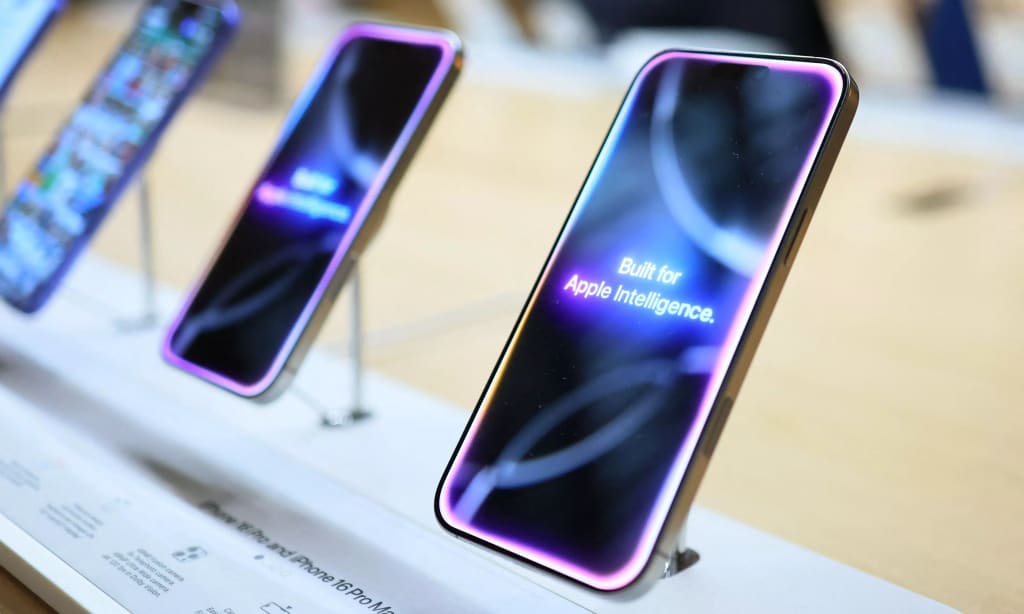
Market Overview
Smartphones represent mobile devices combining cellular phone functionalities with handheld computing capabilities, offering voice calls, text messaging, internet browsing, email, multimedia, and extensive applications. Advanced operating systems enable personalized user experiences through application installation and customization. Touchscreen interfaces facilitate intuitive interactions while connecting through cellular networks or Wi-Fi ensuring seamless information access. Smartphones have become integral to modern life enabling individuals and businesses to stay connected, productive, and informed. Modern smartphones integrate mobile payment capabilities using NFC technology enabling secure contactless transactions through platforms like Apple Pay and Google Pay, transforming financial interactions.
The Japan smartphone market size reached 33.5 Million Units in 2025, reflecting robust demand driven by advanced mobile technologies, growing connectivity requirements, and AR/VR integration. Looking ahead, the market is projected to reach 51.3 Million Units by 2034, exhibiting steady growth rate (CAGR) of 4.70% during 2026-2034. Expansion is supported by widespread adoption of advanced technologies, growing connectivity demand, AR/VR integration in smartphones, AI capability integration, mobile payment adoption, enterprise mobility solutions, and environmental sustainability consciousness.
Request PDF Sample for more detailed market insights:
Role of Innovation in Market Development
• Augmented Reality and Virtual Reality Integration: AR and VR technologies transform gaming, entertainment, and real-world applications. Spatial computing enables immersive experiences. Camera systems optimize AR object detection and tracking. Processing power supports complex VR environments. Display innovations enhance immersive visual experiences. Innovation drives consumer engagement and upgrade cycles.
• Artificial Intelligence and Machine Learning: AI personal assistants enhance device functionality. Machine learning optimizes battery consumption and performance. Computational photography improves image quality. Predictive algorithms anticipate user needs. On-device AI processing protects privacy. Continuous AI advancement ensures competitive differentiation.
• Advanced Display Technology: OLED displays offer superior color accuracy and contrast. High refresh rate displays enhance user experience. Foldable screen technology creates new form factors. Display innovation improves visual appeal and functionality.
Japan Smartphone Market Trends and Drivers
• Advanced Mobile Technology Adoption: Continuous innovation drives consumer upgrades. 5G connectivity enables high-speed data access. Advanced features attract technology-conscious consumers. Innovation cycle supports sustained market demand.
• Mobile Workforce and Enterprise Solutions: Business demand for mobile connectivity increases. Work-from-home adoption drives smartphone utilization. Mobile-centric applications support productivity. Enterprise market provides stable demand.
• Environmental Consciousness and Sustainability: Eco-friendly materials appeal to conscious consumers. Energy-efficient designs reduce power consumption. Recycling programs support sustainability goals. Environmental focus drives premium positioning.
Key Growth Drivers of Japan Smartphone Market
- 5G Connectivity Expansion and High-Speed Data Demand
5G network expansion represents a significant market growth driver. High-speed data connectivity enables bandwidth-intensive applications including video streaming, gaming, and AR/VR experiences. Ultra-low latency supports real-time communication and interactive applications. Network reliability improvements enable mission-critical business applications. 5G infrastructure deployment across urban and rural regions improves connectivity accessibility. Enhanced mobile video quality supports streaming service adoption. Virtual reality applications benefit from low-latency 5G connections. Autonomous vehicle support requires reliable low-latency connectivity. Internet of Things device connectivity extends smartphone ecosystem integration. 5G expansion ensures sustained smartphone utility and market demand. Connectivity improvement provides fundamental growth catalyst.
- Gaming and Entertainment Evolution
Gaming and entertainment represent major smartphone use cases driving feature demand. High-performance processors and graphics capabilities support console-quality gaming. Large-screen displays with high refresh rates enhance gaming experiences. Advanced cooling systems prevent thermal throttling during extended gaming sessions. Haptic feedback technologies provide tactile gaming feedback. Multiplayer gaming requires robust connectivity infrastructure. Streaming entertainment platforms drive content consumption. Social gaming connects users globally. Gaming tournaments and esports create community engagement. Entertainment focus attracts younger demographics. Gaming evolution drives premium segment demand supporting market expansion.
- Mobile Payment and Financial Services Integration
Mobile payment adoption and financial services integration drive smartphone utility expansion. NFC technology enables contactless transactions at retail locations. Digital wallet platforms consolidate payment methods and financial information. Banking applications provide account management and financial services. Investment applications enable trading and portfolio management. Insurance services integrate with smartphone platforms. Loyalty program integration rewards frequent customers. Cryptocurrency support expands financial service offerings. Payment security features protect financial transactions. Financial integration transforms smartphones into comprehensive financial platforms. Payment adoption drives smartphone necessity and market expansion.
Opportunities of Japan Smartphone Market
- Premium and Flagship Segment Expansion
Substantial opportunities exist in premium and flagship smartphone segments targeting affluent consumers. Ultra-high-end processors and advanced cameras justify premium pricing. Luxury materials and craftsmanship appeal to status-conscious consumers. Exclusive features including advanced AI and specialized hardware command premium prices. Limited production editions create exclusivity and collectibility. Brand collaborations with luxury goods companies elevate prestige. Premium customer service and support justify pricing. Trade-in programs reduce upgrade costs supporting customer retention. Premium segment margins support research and development investment. Luxury expansion opportunities support brand elevation and market differentiation.
- Mid-Range Market Optimization and Value Positioning
Significant opportunities exist in mid-range smartphone optimization providing excellent value. Mid-range processors deliver adequate performance for mainstream applications. Display quality improvements enhance user experience without premium pricing. Camera capabilities improve significantly benefiting photography enthusiasts. Battery capacity and charging speed improvements address practical concerns. Software optimization ensures smooth performance with adequate specifications. Pricing sweet spot balances features and affordability. Market volume in mid-range segments supports scale economies. Value perception drives purchase decisions and market volume. Mid-range optimization captures largest consumer market segment supporting substantial revenue.
- Emerging Market Expansion and Affordability Focus
Emerging opportunities exist in budget smartphone segments serving cost-conscious consumers. Essential features at minimal pricing enable market accessibility. Durability and repairability reduce lifetime costs. Simple interfaces appeal to less technical users. Offline functionality supports areas with connectivity limitations. Local payment methods support regional preferences. Emerging market expansion reaches untapped consumer populations. Volume growth in budget segments supports manufacturing scale. Budget market accessibility ensures market penetration. Affordability focus democratizes smartphone access supporting universal market growth.
Japan Smartphone Market Segmentation
By Operating System
- Android
- iOS
- Others
By Display Technology
- LCD Technology
- OLED Technology
By RAM Capacity
- Below 4GB
- 4GB - 8GB
- Over 8GB
By Price Range
- Ultra Low-End (Less Than $100)
- Low-End ($100-<$200)
- Mid-Range ($200-<$400)
- Mid- to High-End ($400-<$600)
- High-End ($600-<$800)
- Premium ($800-<$1000)
- Ultra-Premium ($1000 and Above)
By Distribution Channel
- OEMs
- Online Stores
- Retailers
By Region
- Kanto Region
- Kinki Region
- Central/Chubu Region
- Kyushu-Okinawa Region
- Tohoku Region
- Chugoku Region
- Hokkaido Region
- Shikoku Region
This comprehensive segmentation reflects the diverse structure of Japan's smartphone market, encompassing competing operating systems addressing different user preferences, diverse display technologies balancing quality and cost, RAM capacity options supporting varied application requirements, broad price range spanning accessibility to luxury, diverse distribution channels reaching varied consumer preferences, and geographic distribution across all major Japanese regions. Each segment demonstrates distinct growth trajectories influenced by consumer preferences, price sensitivity, technological adoption, and regional characteristics.
Competitive Landscape
The Japan smartphone market includes global technology giants including Apple and Samsung, Chinese manufacturers including Xiaomi and OPPO, established Japanese manufacturers including Sony and Sharp, and emerging brands competing on value and innovation. Competitive positioning is influenced by technology innovation, design excellence, brand reputation, price competitiveness, ecosystem strength, and customer support quality. Apple leverages premium positioning and loyal customer base. Samsung dominates through diverse product range and marketing. Chinese manufacturers compete aggressively on price and features. Japanese manufacturers emphasize quality and reliability. Emerging brands differentiate through innovation and value. Successful competitors balance technology, design, price, and brand strength. Strategic partnerships enable market expansion and ecosystem development.
Market Outlook
The Japan smartphone market is expected to witness steady and sustained growth as technology innovation continues, AI capabilities expand, and connectivity demands increase. Augmented reality and virtual reality applications will drive consumer engagement and entertainment. Premium segments will continue capturing affluent consumer spending. Artificial intelligence integration will enhance smartphone utility and personalization. 5G expansion will enable new applications and use cases. Mobile payment adoption will increase financial services integration. Enterprise mobility solutions will expand business smartphone applications. Foldable technology will create new form factors and experiences. Sustainability focus will drive eco-conscious purchasing. Gaming evolution will push performance requirements. Cloud computing integration will enable distributed processing. As Japan maintains technological leadership and consumer wealth supports premium smartphone adoption, smartphones will remain central to digital life and business productivity. Market expansion from 33.5 Million Units in 2025 to 51.3 Million Units by 2034 reflects sustained demand across consumer and enterprise segments. Smartphones will continue evolving as essential technology platforms supporting communication, entertainment, productivity, and financial services through sustained innovation and market expansion.
About IMARC Group
IMARC Group is a leading market research and consulting firm providing strategy development, industry analysis, feasibility studies, and data-driven insights across global markets. The firm supports businesses, investors, and governments in making informed decisions through reliable and actionable research.
About the Creator
Yoshio
Market Research Analyst with 5+ years of experience in consumer insights and market segmentation. Skilled in data analysis and qualitative research.
Top 12 Digital Marketing Companies in India 2026
India’s digital marketing landscape continues to evolve rapidly as businesses move toward performance-driven online strategies. In 2026, companies are investing in data-led campaigns, automation tools, search optimization, and audience-focused content to remain competitive across crowded digital channels.
By Jane Smitha day ago in 01
Boundless
A geographical map could take you there. To the places I've been, to the sights I've seen, to the landscapes I've climbed. But no compass could point you in the direction of my memories. To the experiences I've lived, to the happiness I've felt, to the wonder I've held so close to my heart.
By Alyssa Mussoa day ago in Writers



Comments
There are no comments for this story
Be the first to respond and start the conversation.