Fiaz Ahmed
Bio
I am Fiaz Ahmed. I am a passionate writer. I love covering trending topics and breaking news. With a sharp eye for what’s happening around the world, and crafts timely and engaging stories that keep readers informed and updated.
Stories (951)
Filter by community
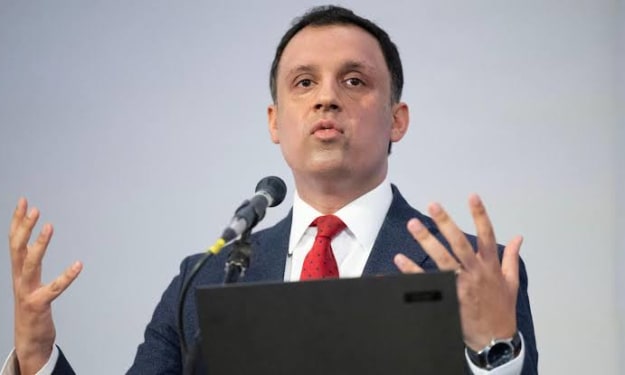
Scottish Labour Leader Anas Sarwar Expected to Call for Prime Minister to Resign. AI-Generated.
Scottish Labour leader Anas Sarwar is expected to call for the Prime Minister to resign, intensifying political pressure on the UK government amid mounting criticism over leadership and accountability. The move comes as opposition parties seek to capitalize on public dissatisfaction and renewed scrutiny of Westminster following a series of controversies that have weakened confidence in the Prime Minister’s authority. Sources close to Scottish Labour say Sarwar will use an upcoming speech to argue that the Prime Minister has lost the trust of the public and can no longer effectively lead the country. His remarks are expected to echo wider concerns raised by Labour figures across the UK, who have accused the government of failing to address key issues such as the cost-of-living crisis, public services, and political integrity. Growing Political Pressure Sarwar has previously positioned Scottish Labour as a party focused on stability and reform, contrasting his leadership with what he describes as “chaos and drift” at Westminster. In recent weeks, he has sharpened his tone, signaling that the time has come for decisive political change. “The country deserves leadership that restores confidence and puts people first,” Sarwar is expected to say, according to party insiders. “When a Prime Minister loses the trust of Parliament and the public, resignation becomes a matter of responsibility, not politics.” The anticipated call adds to a chorus of opposition voices demanding accountability, with senior Labour figures in London also questioning the Prime Minister’s ability to govern effectively. The Scottish National Party (SNP) and Liberal Democrats have similarly urged the government to explain its handling of recent crises. Impact in Scotland In Scotland, Sarwar’s stance is also seen as part of a broader effort to reassert Scottish Labour’s relevance ahead of future elections. Polling has suggested shifting political dynamics, with Labour seeking to challenge the SNP’s dominance while presenting itself as a credible alternative both in Holyrood and Westminster. Political analysts note that Sarwar’s call for resignation could resonate with voters frustrated by political turmoil at the UK level. “Scottish Labour is trying to show that it is willing to take a firm stand on leadership and standards,” said Dr. Fiona McKenzie, a political scientist at the University of Edinburgh. “This is about drawing a clear line between what Sarwar says is responsible government and what he characterizes as failure at Westminster.” However, some critics argue that the move risks being seen as opportunistic rather than constructive, particularly at a time when economic and social challenges remain acute. Government Response Downing Street has dismissed opposition calls for resignation, insisting that the Prime Minister retains the confidence of his party and is focused on delivering policies aimed at economic growth and national stability. A government spokesperson said the administration would not be distracted by what it described as “political grandstanding.” “The Prime Minister is committed to serving the British people and addressing the challenges facing the country,” the spokesperson said. “We remain focused on delivering results rather than engaging in political theatre.” Conservative Party officials have also rallied behind the Prime Minister, emphasizing the importance of unity and warning that further leadership disputes could undermine confidence in the UK’s political system. Broader Political Context Sarwar’s expected intervention comes at a time when trust in political institutions is under strain. A series of scandals and policy reversals has fueled public skepticism, while opposition parties have seized the moment to demand reforms and leadership change. Within Labour, the message has been carefully coordinated to present a united front across the UK. While Sarwar speaks for the party in Scotland, his stance aligns with broader Labour calls for higher standards in public office and renewed accountability at the top of government. Observers say the pressure on the Prime Minister is unlikely to ease in the coming weeks, especially if further criticism emerges from within Parliament or among senior political figures. What Happens Next Whether Sarwar’s call will have a tangible impact remains uncertain. While opposition demands for resignation can influence public debate, the decision ultimately rests with the Prime Minister and their party. Still, the intervention underscores the growing sense of political instability and the deepening divide between the government and its critics. As Sarwar prepares to make his statement, the spotlight will once again fall on Westminster leadership and the question of whether the Prime Minister can survive the latest wave of opposition pressure. For Scottish Labour, the move represents both a challenge to the government and a strategic effort to define its role in shaping the future of UK politics.
By Fiaz Ahmed 2 days ago in The Swamp
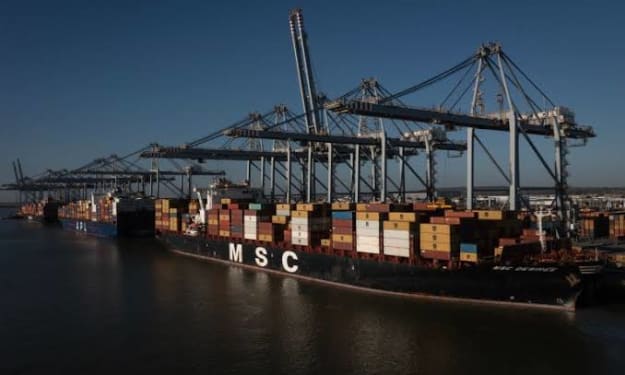
Shipping Giant MSC Facilitates Trade From Israeli Settlements Through EU. AI-Generated.
A major international shipping company, Mediterranean Shipping Company (MSC), has come under renewed scrutiny following reports that its logistics network is being used to transport goods originating from Israeli settlements in the occupied West Bank into European Union markets. Human rights groups and trade watchdogs say the practice raises serious legal and ethical concerns, as EU policy does not recognize Israeli settlements as part of Israel and considers them illegal under international law. According to investigative findings shared with European regulators, cargo linked to settlement-based agricultural and industrial producers has been shipped through MSC’s Mediterranean routes and distributed via ports in Italy, Spain, and the Netherlands. The shipments allegedly entered the EU supply chain without clear labeling of their true origin, making it difficult for customs officials and consumers to distinguish settlement products from those produced within Israel’s internationally recognized borders. Legal and Political Sensitivities The European Union has long maintained that products from Israeli settlements must be labeled differently from those made in Israel. In a 2019 ruling, the European Court of Justice required settlement goods to be clearly identified so that consumers could make informed purchasing decisions. However, campaigners argue that shipping companies play a critical role in enabling settlement trade by providing transport services that obscure the origin of goods. “Without global shipping firms, these products could not reach European markets at this scale,” said Marie Keller, a spokesperson for a Brussels-based trade ethics organization. “This is not just a commercial issue. It has direct political and legal consequences.” MSC has not been accused of violating EU sanctions, but critics say its involvement demonstrates gaps in enforcement and oversight within international supply chains. Company Response In a brief statement, MSC said it complies with all applicable international and local regulations and does not knowingly transport prohibited goods. “MSC operates as a neutral carrier and does not determine the origin of the cargo beyond the documentation provided by exporters and authorities,” the company said. “We adhere strictly to customs and trade laws in all jurisdictions in which we operate.” The company also stressed that responsibility for labeling rests with exporters and importers, not with shipping firms. Despite this, activists argue that large logistics providers have a responsibility to conduct due diligence on the origin of goods, especially in conflict zones where trade may contribute to violations of international law. Pressure From Rights Groups Several European human rights organizations have urged EU governments to investigate whether shipping routes from Israeli ports indirectly serve settlement producers. They claim that some settlement companies use Israeli-based intermediaries to export goods, allowing them to bypass labeling requirements. “These are not isolated cases,” said Omar Haddad, a researcher specializing in supply chain transparency. “There is a systemic problem where settlement goods are integrated into Israel’s export system and then shipped worldwide.” Advocacy groups have called for stricter customs checks and for shipping firms to publish more transparent data about their cargo origins. Diplomatic Impact The issue comes amid growing tensions between European governments and Israel over settlement expansion. Several EU member states have reaffirmed their opposition to settlement activity and expressed concern that commercial ties may indirectly support it. A senior EU official, speaking on condition of anonymity, said Brussels was reviewing trade compliance mechanisms. “We expect companies operating within the EU to respect both the letter and the spirit of European law,” the official said. “This includes ensuring that goods from disputed territories are not misrepresented.” Broader Trade Implications The controversy highlights the complexity of modern global trade, where goods often pass through multiple countries and intermediaries before reaching consumers. Experts say this makes enforcement of ethical trade policies difficult, especially when shipping companies handle millions of containers each year. “Supply chains are opaque by design,” said Dr. Elena Rossi, an international trade analyst in Milan. “Unless there is mandatory disclosure and digital tracking, it is extremely hard to verify where products truly come from.” The European Commission is reportedly considering new measures that would require greater transparency from logistics companies and importers, particularly for goods originating in conflict-affected regions. Looking Ahead For now, MSC continues to operate its Mediterranean routes as usual, while pressure mounts from activists and lawmakers for greater accountability. The debate underscores a broader question about the role of multinational corporations in politically sensitive trade and whether neutrality is possible in deeply contested regions. As investigations continue, the case is likely to fuel calls for tighter regulation of shipping firms and renewed scrutiny of EU-Israel trade relations. The outcome could set an important precedent for how international logistics companies are held responsible for the origins of the goods they transport.
By Fiaz Ahmed 2 days ago in The Swamp
Five Remain Displaced After Roof Damaged in Storm. AI-Generated.
Five people remain displaced after a powerful storm tore through a residential neighborhood, severely damaging the roof of a family home and forcing emergency services to declare the property unsafe. The incident occurred late in the evening as heavy rain and strong winds swept across the area, leaving behind structural damage that residents say happened within minutes.
By Fiaz Ahmed 2 days ago in Earth
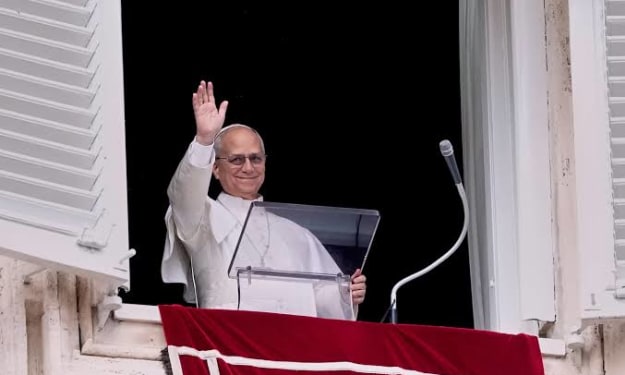
Vatican Announces Pope Leo Will Not Visit the United States This Year. AI-Generated.
The Vatican has confirmed that Pope Leo will not make a planned visit to the United States this year, citing scheduling constraints and health considerations as the pontiff continues to focus on domestic church priorities and diplomatic missions closer to Rome. The announcement, made through an official statement from the Holy See Press Office, has prompted disappointment among American Catholics who had hoped for the Pope’s first pastoral trip to the U.S. since his election. Vatican spokesperson Matteo Bruni said the decision was reached after careful review of the Pope’s international travel calendar. “Given the demanding nature of the Holy Father’s pastoral commitments in 2026 and the need to prioritize regional visits and internal church affairs, a journey to the United States will not take place this year,” Bruni said. The Vatican emphasized that the decision does not reflect any diplomatic tension between Washington and the Holy See but rather practical and pastoral considerations. High Expectations for a U.S. Visit Speculation about a U.S. visit had grown over recent months following invitations from American bishops and senior political figures. The Catholic Church in the United States, which counts more than 70 million members, had hoped to host Pope Leo for major events, including youth gatherings and interfaith meetings. Several dioceses had begun preliminary planning for possible large-scale Masses and public appearances, particularly in cities such as New York, Washington, and Los Angeles. Church leaders said they respected the Vatican’s decision but expressed hope that a visit could take place in the near future. Cardinal Timothy Dolan of New York said in a statement that American Catholics “remain eager to welcome the Holy Father when circumstances allow,” adding that the Pope’s message of unity and peace would be warmly received. Health and Travel Demands Although the Vatican has not disclosed specific medical concerns, officials acknowledged that Pope Leo has faced a demanding schedule since taking office. In recent months, he has undertaken trips to Latin America, Eastern Europe, and parts of Africa, focusing on conflict resolution, humanitarian issues, and strengthening ties with developing nations. Sources within the Vatican said advisers urged caution regarding long-haul travel, particularly to destinations that would require multiple large public events and extensive security arrangements. “International trips, especially to countries as large as the United States, require enormous physical and logistical effort,” said one Vatican official familiar with the planning process. “The Pope wants to conserve his strength for regions where his presence is most urgently needed.” Diplomatic Implications The absence of a U.S. visit this year also has diplomatic significance. Traditionally, papal visits to the United States include meetings with the president and appearances before Congress or at the United Nations, offering an opportunity for the pontiff to address global issues such as climate change, migration, and nuclear disarmament. Analysts noted that Pope Leo has so far focused his diplomacy on regions affected by war and economic instability, reflecting his emphasis on what he has called a “Church of the periphery.” “Not going to the U.S. this year fits his pattern of prioritizing countries that feel forgotten or marginalized,” said Lucia Ferrante, a Vatican affairs expert based in Rome. “It is a symbolic choice as much as a practical one.” Reaction from U.S. Catholics The announcement was met with mixed reactions among American Catholics. Some expressed disappointment, while others said they understood the Pope’s need to limit travel. “I was hoping to see him in person,” said Maria Sanchez, a parishioner in Texas. “But I respect his decision and pray for his health.” Catholic advocacy groups also pointed out that the Pope remains connected to U.S. faithful through regular messages and virtual addresses. In recent months, he has sent letters to American bishops addressing issues such as gun violence, racial justice, and the role of young people in the Church. Future Possibilities The Vatican made clear that the decision does not rule out a U.S. visit in 2027 or beyond. Officials said discussions with American church leaders would continue and that a future visit remains “very much desired.” In the meantime, Pope Leo is expected to travel later this year to several European and Middle Eastern countries, including a possible visit to Lebanon and Greece, as well as participation in major Vatican events marking the Church’s jubilee celebrations. As the Catholic world adjusts to the Pope’s evolving priorities, the message from Rome remains one of patience and continuity. “The Holy Father carries the United States in his prayers,” Bruni said. “When the time is right, he looks forward to visiting and strengthening the bonds of faith with the American people.” For now, U.S. Catholics will have to wait, watching from afar as Pope Leo continues to shape his global mission from Rome and beyond.
By Fiaz Ahmed 2 days ago in The Swamp
Italy Prime Minister Condemns Anti-Olympics Acts, Including Alleged Sabotage of Railway Line. AI-Generated.
Italy’s Prime Minister has strongly condemned what she described as “unacceptable and dangerous acts” targeting infrastructure and public order as the country hosts the Winter Olympics, following reports of alleged sabotage on a key railway line serving northern regions and Olympic venues. Speaking at a press conference in Rome, Prime Minister Giorgia Meloni said the government would respond with the “maximum firmness” to any attempt to disrupt the Games or endanger public safety. Her remarks came after transport authorities confirmed that damage had been detected on railway signaling equipment, causing delays and disruptions to train services on routes connecting Milan with Alpine areas hosting Olympic events. “This is not protest, this is criminal behavior,” Meloni said. “Anyone who attacks infrastructure and risks the safety of citizens and visitors will be pursued and punished according to the law.” Railway Disruption Raises Security Concerns The disruption was first reported early in the morning when rail operators noticed abnormal failures in signaling systems on a section of track in Lombardy. Engineers sent to investigate found evidence of tampering, prompting authorities to suspend traffic temporarily while safety checks were carried out. Although no injuries were reported, hundreds of passengers were affected, including Olympic spectators, journalists, and volunteers traveling to venues. Train services resumed later in the day after emergency repairs, but delays continued throughout peak hours. Interior Ministry officials said the incident is being treated as suspected sabotage rather than a technical malfunction. Prosecutors have opened an investigation into damage to public infrastructure, a serious criminal offense under Italian law. Security around major railway hubs and Olympic transport routes was immediately increased, with additional police patrols and surveillance deployed at stations, tunnels, and bridges. Wider Anti-Olympics Activity The alleged sabotage is part of a broader wave of protests and disruptive actions linked to opposition to the Olympics. Environmental groups and anti-capitalist activists have staged demonstrations in several northern cities, criticizing the Games for their environmental impact, rising public costs, and pressure on local communities. In recent weeks, activists have vandalized billboards, blocked roads leading to construction sites, and organized marches calling for a halt to Olympic development projects. While most protests have been peaceful, authorities say a small number of individuals have crossed into criminal acts. Meloni accused radical elements of exploiting legitimate concerns to justify illegal behavior. “Criticism and debate are part of democracy,” she said. “But damaging railways and threatening people’s safety is something entirely different. It cannot be tolerated.” Political and Public Reaction Opposition parties condemned the alleged sabotage but also urged the government to address the social and environmental grievances behind the protests. Some lawmakers called for dialogue with local communities affected by Olympic construction projects, particularly in mountainous regions where residents fear long-term ecological damage. Transport Minister Matteo Salvini said the incident demonstrated the need for tougher protection of critical infrastructure. “Our railways are essential for daily life and for the success of the Games,” Salvini said. “Any attack on them is an attack on the country.” Passengers expressed frustration and concern after being stranded for hours at major stations. “We were told it was a technical problem, then later they said it might be sabotage,” said Lucia Ferraro, a commuter traveling from Milan to Turin. “It makes you feel unsafe.” International Spotlight The Winter Olympics place Italy under intense global scrutiny, with millions of viewers and thousands of athletes and visitors arriving from around the world. Security experts note that large international events often attract both peaceful protest and attempts at disruption because of their symbolic importance. Italian authorities have already deployed thousands of police officers and soldiers to protect venues, airports, and transport networks. Following the railway incident, officials said security measures would be reviewed and strengthened further. An Olympic organizing committee spokesperson said the disruption had no impact on competition schedules and that contingency transport plans were activated immediately. “All events are proceeding as planned,” the spokesperson said. “We are working closely with national authorities to ensure safe and reliable transport for athletes and spectators.” Investigation Continues Police are examining surveillance footage and forensic evidence from the damaged railway equipment. No arrests have yet been announced, and authorities have not confirmed whether the act was linked to a specific protest group. Officials stressed that the investigation remains open and that all possible motives, including political extremism or organized vandalism, are being considered. As Italy continues to host the Games, the government has sought to project an image of control and resilience. Meloni concluded her remarks by emphasizing that the Olympics would not be overshadowed by what she called “minority violence.” “These Games belong to athletes and to the people,” she said. “They will not be derailed by those who choose destruction over dialogue.”
By Fiaz Ahmed 2 days ago in The Swamp
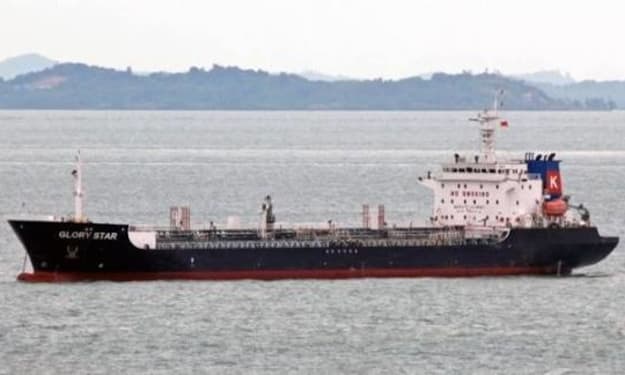
Indian Coast Guard Busts Three Iran-Linked Shadow Fleet Tankers. AI-Generated.
The Indian Coast Guard intercepted and detained three oil tankers linked by analysts to Iran’s so-called “shadow fleet” in a major maritime security operation in the Arabian Sea, officials and maritime tracking sources say. The coordinated interdiction near 100 nautical miles west of Mumbai underscores India’s growing role in policing illicit oil trafficking and enforcing global sanctions regimes amid complex geopolitical pressures. maritime-executive.com +1 The tankers — identified by shipping investigators as Al Jafzia, Asphalt Star, and Stellar Ruby — were boarded on February 5–6, 2026 after the Coast Guard tracked suspicious vessel movements using digital surveillance and pattern analysis. The ships are on the U.S. Treasury Department’s sanctions list for involvement in transporting Iranian petroleum through deceptive practices at sea. Baird Maritime / Work Boat World A High-Sea Interception Indian Coast Guard patrol vessels and aircraft located and intercepted the trio of tankers in international waters off India’s west coast, with boarding teams conducting extensive searches and document verification. Authorities described the operation as a blend of real-time maritime intelligence, satellite tracking, and long-range surveillance. The Week “The use of technology to detect anomalous vessel behavior enabled us to disrupt what appears to be a coordinated smuggling syndicate,” an Indian Coast Guard spokesperson said, highlighting the agency’s enhanced digital capabilities. The vessels are now being escorted toward Mumbai for formal legal proceedings and further investigation by customs and law enforcement agencies. India Today Shadow Fleet and Sanctions Evasion The term “shadow fleet” refers to a network of tankers and associated shell companies used to transport Iranian petroleum in defiance of international sanctions — primarily those imposed by the United States. Ships in this fleet often engage in ship-to-ship transfers, disabling their Automatic Identification System (AIS) transponders, broadcasting false flags, or changing identities to conceal the origin and destination of cargoes. According to tracking consultancy TankerTrackers.com, the seized vessels have histories of falsifying location data and shifting flags to mask their activities. Stellar Ruby, for instance, was flagged as an Iranian vessel, while Al Jafzia and Asphalt Star broadcast false identities and flags such as Guyana and Mali, respectively. All three are listed under the U.S. Treasury’s Office of Foreign Assets Control (OFAC) sanctions for Iran-linked maritime operations. maritime-executive.com U.S. authorities say the shadow fleet plays a crucial role in helping Tehran maintain oil revenues despite economic curbs, using intermediaries and deceptive logistics networks to bring crude and refined products to foreign buyers — including in Asia — without detection by regular shipping registries. U.S. Department of the Treasury Investigative Findings and Modus Operandi Indian investigators uncovered evidence that the tankers were engaged in mid-sea transfers — a common tactic in illicit oil trades where cargo is moved at sea from larger tankers to smaller “motor” vessels to obfuscate cargo origin and avoid customs duties. Electronic records and crew interrogations indicated that the vessels repeatedly changed names, registry flags, and tracking patterns to evade maritime law enforcement and regulatory scrutiny. India Today Officials noted that the use of mid-sea transfers in international waters is not inherently illegal, but becomes unlawful when employed to conceal sanctions violations, evade taxes, or misrepresent cargo details. The Coast Guard’s search teams examined onboard documents, digital logs, and navigational data to piece together the syndicate’s methods and network connections. Baird Maritime / Work Boat World Strategic Implications The bust marks one of the most significant maritime interdictions involving Iran-linked vessels near India’s coast, reinforcing New Delhi’s self-described role as a “net security provider” in the Indian Ocean Region. Indian authorities, who have been expanding their maritime surveillance footprint, said the operation illustrated their capability to act on complex intelligence and safeguard maritime trade routes against illicit actors. The Week While Indian officials have not publicly confirmed Iranian state involvement, analysts note that Iran’s shadow fleet activities have global reach, underpinning Tehran’s efforts to sustain oil export revenues and circumvent sanctions imposed by Washington and its allies. The interdiction also aligns with U.S. pressure on international partners to enforce sanctions regimes and cut off revenue streams linked to prohibited oil sales. Regional and International Responses News of the bust drew attention from international maritime security experts and analysts tracking shadow fleet movements. Some analysts argued that the action could signal broader cooperation between India and Western agencies on enforcing sanctions and curbing illicit oil flows, though direct diplomatic coordination has not been officially confirmed. Observers also warned that such enforcement efforts could pose diplomatic tensions with oil-producing states that rely on non-traditional shipping networks to reach markets otherwise closed by sanction Iran International Industry watchers said the interdiction highlights evolving risks in global oil logistics, where sanctioned entities increasingly resort to opaque shipping arrangements, turning the high seas into semi-regulated environments where illicit trades can thrive under the radar of global authorities. Next Steps and Legal Proceedings The three tankers — now under escort — are expected to face legal proceedings in India, where authorities will examine the full extent of sanctions violations, cargo manifests, and ownership ties. Customs investigators and prosecutors will likely pursue charges related to smuggling, misrepresentation of cargo, and sanctions evasion under Indian and international maritime law. The investigation’s findings may also feed into wider international efforts to monitor and disrupt shadow fleet activities, dovetailing with sanctions enforcement and maritime security cooperation across multiple jurisdictions. As the vessels make their way to port, the case stands as a reminder of how maritime trade and sanctions enforcement intersect in an increasingly complex geopolitical landscape, where naval patrols, digital surveillance, and legal frameworks converge to tackle illicit global networks.
By Fiaz Ahmed 2 days ago in The Swamp
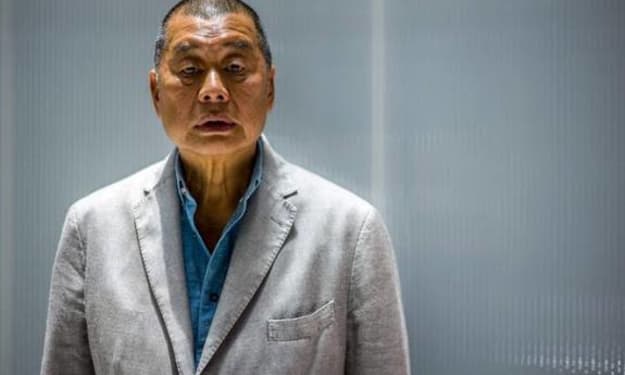
Hong Kong Court Jails Pro-Democracy Media Tycoon Jimmy Lai for 20 Years. AI-Generated.
A Hong Kong court has sentenced pro-democracy media tycoon Jimmy Lai to 20 years in prison, marking one of the most severe penalties handed down under the city’s national security framework and delivering a powerful blow to press freedom and political dissent in the former British colony. Lai, the 76-year-old founder of the now-defunct newspaper Apple Daily, was convicted on multiple charges including collusion with foreign forces and conspiracy to publish seditious materials. The verdict concludes a years-long legal battle that has drawn intense international scrutiny and condemnation from human rights groups and Western governments. The ruling was delivered after months of closed-door hearings in a case widely viewed as a test of Hong Kong’s judicial independence under Beijing’s sweeping national security law imposed in 2020. A Symbol of the Democracy Movement Once one of Hong Kong’s most outspoken critics of the Chinese Communist Party, Lai built his media empire into a platform for democratic activism. Apple Daily became famous for its tabloid style, aggressive reporting, and open support for pro-democracy protests, especially during the massive demonstrations of 2019. Authorities accused Lai of using his media influence to encourage foreign governments to impose sanctions on China and Hong Kong officials, actions prosecutors said amounted to “collusion with external forces.” In court, Lai maintained his innocence and argued that his journalism and public statements were protected forms of expression. “I have always believed in freedom of speech and the rule of law,” he told the court in a previous hearing. The Charges and Sentence Judges ruled that Lai’s activities constituted a serious threat to national security and justified the lengthy sentence. The court cited articles published by Apple Daily, meetings with foreign officials, and public interviews in which Lai criticized Beijing as evidence of intent to undermine state authority. Prosecutors had sought a life sentence, while defense lawyers argued that Lai’s actions were political expression rather than criminal conduct. The final ruling of 20 years represents one of the harshest penalties imposed on a media figure in Hong Kong’s history. Lai has already spent several years in detention while awaiting trial, meaning he is unlikely to be released until his late 90s. International Reaction The sentencing sparked swift reactions from abroad. The United States, Britain, and the European Union issued statements expressing deep concern and calling the verdict a further erosion of freedoms guaranteed under the “one country, two systems” framework that governed Hong Kong after its return to Chinese rule in 1997. A spokesperson for the U.S. State Department said the sentence demonstrated “the ongoing dismantling of press freedom and political pluralism in Hong Kong.” Amnesty International described the ruling as “a chilling signal to journalists everywhere,” warning that the case sets a precedent for criminalizing criticism of the government. China’s Foreign Ministry rejected the criticism, insisting that the trial was conducted according to law and that no one is above national security regulations. Closure of Apple Daily Lai’s conviction follows the forced closure of Apple Daily in 2021 after authorities froze the newspaper’s assets and arrested senior editors. The shutdown left more than 1,000 employees jobless and removed one of the last openly pro-democracy voices from Hong Kong’s media landscape. Since then, dozens of civil society groups, unions, and opposition parties have dissolved, citing legal pressure and fear of prosecution. Several journalists and activists have either been arrested or gone into exile. Media analysts say Lai’s sentencing cements a transformation of Hong Kong from a vibrant center of free expression into a tightly controlled political environment. “This case shows that even the most prominent figures are not immune,” said one former Hong Kong editor now living abroad. “It sends a clear warning to the entire press community.” Impact on Hong Kong’s Future The ruling deepens concerns about Hong Kong’s role as an international financial and media hub. Foreign companies and governments have increasingly questioned whether the city can still be trusted to uphold free speech and the rule of law. Legal experts note that the national security law allows cases to be heard by handpicked judges and permits closed trials under certain conditions, fueling criticism that the system lacks transparency. Supporters of Beijing argue that the law has restored stability after years of unrest. Officials say press freedom still exists but must operate within boundaries defined by national security. Family and Supporters React Outside the courthouse, Lai’s supporters gathered quietly, many holding signs reading “Free Jimmy Lai” and “Journalism is not a crime.” His family released a short statement saying they were “heartbroken” but proud of his principles. “My father stood for truth and freedom,” the statement said. “We hope the world will not forget him.” A Defining Moment Jimmy Lai’s 20-year sentence marks a defining moment in Hong Kong’s political history. Once celebrated as Asia’s freest city, Hong Kong now faces a future in which dissent and independent journalism carry severe consequences. For many observers, the case symbolizes the end of an era — one in which outspoken media voices could challenge power without fear of imprisonment. As Lai was led away from court, he raised his hand briefly in a gesture of acknowledgment toward supporters. It was a small moment of defiance in a case that has reshaped Hong Kong’s media and political landscape.
By Fiaz Ahmed 2 days ago in The Swamp
Luxury Travel Takes Off as Plane Makers Chase Asia’s Super-Rich. AI-Generated.
Luxury air travel is soaring across Asia as aircraft manufacturers and private jet companies compete to capture the attention of the region’s rapidly growing population of ultra-wealthy travelers. With business fortunes rising and leisure travel rebounding strongly after the pandemic, Asia has become the world’s most promising market for private aviation and high-end commercial aircraft cabins. Industry executives say demand for private jets, customized aircraft interiors, and premium long-haul travel experiences has surged in countries such as China, India, Singapore, Indonesia, and Thailand. Wealthy individuals increasingly want faster, more flexible ways to travel, avoiding crowded airports and commercial flight schedules. “Asia is now the center of growth for luxury aviation,” said one senior executive at a European aircraft manufacturer. “We are seeing first-time buyers alongside experienced customers upgrading to larger, longer-range aircraft.” A Growing Market of High-Net-Worth Travelers According to aviation industry data, Asia-Pacific now accounts for one of the fastest-growing private jet fleets in the world. The number of high-net-worth individuals in the region has expanded sharply over the past decade, driven by technology, finance, real estate, and manufacturing fortunes. Private jet ownership, once rare in Asia, is becoming more common among billionaires and multinational executives who value privacy, time efficiency, and control over their travel environment. Charter services have also grown rapidly, allowing wealthy travelers to rent luxury aircraft without purchasing them outright. Luxury airlines have taken note as well. Several carriers have invested heavily in first-class suites and business-class cabins designed to resemble hotel rooms in the sky. Features such as private bedrooms, showers, gourmet dining, and personal butler-style service are becoming major selling points. Plane Makers Redesign for Comfort and Status Aircraft manufacturers including Airbus, Boeing, and leading business jet producers are tailoring designs specifically for Asian customers. These include wide-body jets converted into flying palaces with meeting rooms, entertainment lounges, and master bedrooms. Customization has become a key part of the sales pitch. Buyers can choose everything from marble bathrooms to gold-accented interiors, as well as advanced communication systems for in-flight business operations. “Customers don’t just want transportation,” said a luxury aircraft interior designer based in Singapore. “They want a symbol of success and a private space that reflects their lifestyle.” In response, plane makers have opened design centers in Asia to work directly with clients. These studios allow customers to preview cabin layouts and select materials and technologies before committing to purchases that can exceed $100 million per aircraft. Business Travel Meets Leisure A major driver of the trend is the blending of business and leisure travel, often called “bleisure.” Executives want aircraft that can serve as both office and retreat, allowing them to hold meetings in the air and then relax with family on the same trip. Destinations such as the Maldives, Bali, Japan, and Europe’s luxury resorts have seen an influx of travelers arriving on private or semi-private flights. The flexibility allows travelers to avoid busy hubs and fly directly to smaller airports closer to their final destinations. Luxury travel agencies report a sharp rise in bookings for bespoke itineraries that combine private flights, exclusive hotels, and curated experiences such as private island stays or access to cultural landmarks after hours. Environmental and Social Questions The boom in luxury aviation also raises environmental concerns. Private jets produce significantly higher carbon emissions per passenger than commercial flights. As climate awareness grows, critics argue that expanding private aviation sends the wrong message in a region already struggling with pollution and rising temperatures. Some aircraft makers are promoting newer, more fuel-efficient engines and the use of sustainable aviation fuel (SAF). Several luxury operators have begun offering carbon offset programs, though environmental groups say these measures do not fully address the issue. “There is a clear contradiction between climate goals and the expansion of private aviation,” said an environmental policy expert. “The industry must demonstrate real commitment to sustainability.” Competition Intensifies With Asia now seen as the next frontier, competition among manufacturers and charter operators is intensifying. Companies are hosting exclusive showcase events in cities such as Shanghai, Hong Kong, and Dubai to attract elite customers. These events feature luxury interiors, virtual tours, and private demonstrations of aircraft capabilities. Financial institutions have also entered the market, offering specialized leasing and financing packages for high-end aircraft buyers. This has lowered barriers to entry for wealthy entrepreneurs who prefer not to pay the full cost upfront. Meanwhile, regional governments are expanding private aviation infrastructure by upgrading airports and building dedicated terminals for business jets. Singapore, for example, has invested heavily in private aviation facilities to strengthen its role as a regional hub. A Symbol of Post-Pandemic Wealth Analysts say the rise of luxury aviation reflects broader economic shifts in Asia. While many ordinary travelers remain sensitive to airfare prices, the ultra-rich are spending more freely than ever on premium experiences. “Luxury travel has become a statement of recovery and power,” said a travel economist. “It shows who benefited most from the post-pandemic economy.” Looking Ahead Industry forecasts suggest Asia’s luxury aviation market will continue growing over the next decade, driven by rising wealth, expanding tourism, and a desire for exclusive travel experiences. For plane makers, the challenge will be balancing luxury with sustainability while adapting to cultural preferences across diverse Asian markets. As the world’s super-rich take to the skies in ever more elaborate aircraft, luxury travel is no longer just about reaching a destination. In Asia, the journey itself has become the ultimate display of status, comfort, and global ambition.
By Fiaz Ahmed 2 days ago in Longevity
Flooding in Midlands After Days of Heavy Rain. AI-Generated.
Large parts of the Midlands have been hit by flooding following several days of persistent rainfall, prompting road closures, evacuations, and warnings from emergency services as rivers burst their banks and drainage systems struggled to cope. The Environment Agency issued multiple flood alerts and flood warnings across the region, affecting areas in Worcestershire, Warwickshire, Staffordshire, and parts of the West Midlands. Residents in low-lying communities were urged to remain vigilant as water levels continued to rise overnight. Local authorities said the rainfall, which began earlier in the week, had saturated the ground, leaving little capacity for further water absorption. As a result, even moderate additional rainfall caused rapid surface flooding and swelling of nearby rivers. Roads and Homes Affected Several major and minor roads were closed after becoming impassable. In Worcestershire, parts of the A44 and A4103 were shut due to standing water, while in Warwickshire, sections of rural routes near Stratford-upon-Avon were submerged. Emergency crews assisted stranded motorists and helped residents protect homes using sandbags and temporary barriers. In some villages, water entered ground-floor rooms, damaging furniture and electrical systems. “It came up so fast,” said one resident of a village near the River Severn. “Within an hour the garden was underwater, and then it was coming through the back door. We’ve lived here for 20 years and haven’t seen it this bad.” Fire and rescue services reported dozens of callouts related to flooding, including rescues of people trapped in vehicles and homes. No fatalities were reported, but several people were treated for minor injuries and hypothermia. Schools and Services Disrupted Flooding forced the closure of several schools and disrupted public transport services. Bus routes were diverted, and some rail services experienced delays due to waterlogged tracks and safety inspections. Hospitals and care homes were placed on alert, with contingency plans activated to ensure patients and vulnerable residents could be moved if conditions worsened. Councils opened temporary rest centers for people unable to remain in their homes. Local businesses, particularly farms and small shops in rural communities, reported losses as floodwater damaged stock and equipment. Farmers said crops planted earlier in the season may be ruined if water remains on fields for several more days. Weather Conditions Behind the Flooding Meteorologists said the flooding was caused by a slow-moving weather system that brought prolonged rain rather than short, intense downpours. In some parts of the Midlands, rainfall totals over three days exceeded the average for an entire month. “The key factor is duration,” a weather forecaster explained. “The ground is completely saturated, so any additional rain simply runs off into rivers and streams.” Forecasters warned that although rainfall was expected to ease slightly, further showers could prolong flooding and delay recovery efforts. Environmental and Infrastructure Concerns Environmental experts said the flooding highlights ongoing challenges linked to climate change and urban development. More frequent heavy rainfall events combined with paved surfaces and reduced green spaces increase the risk of flash flooding. River management groups also warned that aging drainage and flood defense infrastructure may need further investment. “This event shows the importance of maintaining flood defenses and updating them for changing weather patterns,” said a representative from a regional water authority. “What used to be considered a rare flood is becoming more common.” The Environment Agency said engineers were monitoring key river levels and operating flood barriers where necessary. Portable pumps were deployed in some communities to help remove excess water. Community Response Despite the disruption, local communities rallied to support those affected. Volunteers helped distribute sandbags and food, while neighbors checked on elderly residents and those living alone. Community centers and churches opened their doors to provide warm drinks and shelter. Social media groups shared updates on road conditions and offered assistance to those needing transport or supplies. “We’ve seen an incredible response from people helping each other,” said a council spokesperson. “It’s a difficult time, but communities are pulling together.” Government and Council Action Local councils said they were working closely with emergency services and utility companies to manage the situation. Drainage crews were clearing blocked gullies and inspecting vulnerable flood points. The Department for Environment, Food and Rural Affairs said it was in contact with regional authorities and would assess damage once floodwaters recede. Residents in flood-prone areas were advised to keep emergency kits ready and to follow official guidance. Motorists were urged not to drive through floodwater due to the risk of hidden hazards and strong currents. Looking Ahead As water levels slowly begin to stabilize, attention is turning to cleanup and recovery. Insurance assessors are expected to visit affected properties in the coming days, while councils prepare to repair damaged roads and public infrastructure. Experts warn that similar weather events could become more frequent in the future, making long-term planning essential. For now, many families in the Midlands face the difficult task of drying out homes and replacing damaged belongings. While the rain may ease, the impact of the flooding will be felt for weeks to come. “This isn’t just about today’s weather,” one resident said. “It’s about how we prepare for the next time it happens.”
By Fiaz Ahmed 2 days ago in The Swamp
Italy Says Railways Hit by ‘Serious Sabotage’ as Winter Olympics Begin. AI-Generated.
Italian authorities have launched a major investigation after what officials described as a “serious act of sabotage” disrupted parts of the country’s railway network on the opening day of the Winter Olympics, raising security concerns at a moment when Italy is hosting one of the world’s largest sporting events. Transport officials confirmed that damage was discovered on several key rail lines linking northern cities to Olympic venues in the Alpine region. The incident caused delays to high-speed and regional services, affecting thousands of passengers, including spectators, journalists, and staff traveling to attend the opening ceremonies. Italy’s interior ministry said the incident appeared to be deliberate and coordinated, with technical equipment and signaling systems targeted overnight. No injuries were reported, but the disruption sparked fears of wider attempts to undermine public safety and international confidence during the Games. “This was not an accident or a technical failure,” Interior Minister Matteo Piantedosi said at a press briefing. “It was a calculated act intended to cause disruption at a sensitive moment for our country.” Disruption on a Critical Day Rail operator Trenitalia reported that multiple lines in Lombardy and Veneto experienced sudden signal failures and power interruptions early in the morning. Engineers later found signs of tampering with cables and trackside control boxes. The damage forced authorities to reduce train speeds and suspend services on certain routes while safety checks were carried out. Major stations in Milan and Verona were crowded with delayed passengers as police and railway staff worked to manage the situation. Officials said services were gradually restored by mid-afternoon, but delays continued throughout the day. The sabotage came just hours before the Winter Olympics opening ceremony, which was attended by international dignitaries and broadcast worldwide. Security around transport hubs was immediately increased, with armed patrols deployed to major stations and along sections of railway considered vulnerable. Investigation Underway Italy’s counterterrorism unit and national police are leading the investigation. Prosecutors have opened a criminal case for sabotage of public infrastructure, a serious offense under Italian law that carries heavy prison sentences. Authorities have not yet identified suspects or stated whether the incident is linked to extremist groups, organized crime, or political activism. However, intelligence officials said the timing strongly suggested an attempt to draw attention during the high-profile global event. “This kind of act requires technical knowledge and careful planning,” said a senior security official speaking on condition of anonymity. “It was designed to cause maximum disruption without necessarily causing casualties.” Surveillance footage from railway facilities and nearby roads is being reviewed, and forensic teams are examining damaged equipment for fingerprints and tools used in the attack. Government Reaction Prime Minister Giorgia Meloni condemned the sabotage and pledged that those responsible would be brought to justice. “Anyone who tries to strike our infrastructure and intimidate our citizens will fail,” she said in a statement. “Italy will not allow criminals or extremists to overshadow a celebration of sport and international unity.” Meloni also reassured the public that Olympic venues remained secure and that the incident did not pose a direct threat to athletes or spectators. The transport ministry announced immediate inspections of rail lines across northern Italy and ordered additional security patrols at strategic points, including tunnels, bridges, and signal stations. Impact on the Olympics Olympic organizers said the disruption had minimal impact on competition schedules, though some spectators arrived late for early events. Shuttle buses were deployed to transport people from affected train stations to venues. “We have contingency plans for transport disruptions,” an Olympic spokesperson said. “All events will go ahead as scheduled.” However, the sabotage has cast a shadow over what was meant to be a celebration of Italy’s organizational capabilities and hospitality. The Winter Olympics are expected to draw millions of visitors and billions in tourism revenue over the coming weeks. Security experts noted that large international sporting events are often viewed as symbolic targets due to their global visibility. Public and Political Response Opposition politicians called for a full review of infrastructure protection, arguing that the incident exposed vulnerabilities in Italy’s transport network. “This shows how easily critical systems can be targeted,” said one opposition lawmaker. “We must invest more in surveillance and preventive measures.” Passengers expressed frustration but also concern about safety. “I was angry about missing my train,” said Marco Rinaldi, a commuter traveling to Milan. “But when they said it was sabotage, that made it much more frightening.” Local residents near affected rail lines reported seeing police helicopters and forensic teams working throughout the day. Broader Security Concerns The incident comes amid heightened security across Europe due to geopolitical tensions and fears of hybrid attacks targeting infrastructure. Rail networks, energy grids, and communication systems have increasingly been viewed as vulnerable to both physical and cyber interference. In recent years, European countries have experienced incidents involving damaged undersea cables, power outages, and unexplained disruptions to transport systems, often triggering investigations into possible foreign or extremist involvement. Italian officials stressed that there was no immediate evidence linking the sabotage to international actors but said all possibilities were being examined. Restoring Confidence By evening, most train services had resumed normal operations, though police remained on alert. Additional checks were planned for the coming days, especially during peak travel times for Olympic events. Authorities urged the public to report any suspicious activity near railway lines or stations. “Our message is clear,” said the head of Italy’s railway police. “The network is safe, and we will protect it with every resource available.” A Test for Italy’s Preparedness As athletes compete and ceremonies continue, the sabotage incident stands as an early test of Italy’s ability to safeguard its infrastructure during a major international event. While no injuries occurred, the timing and nature of the attack have intensified debate about security and resilience. For now, the Games go on, but investigators are racing to determine who was responsible and why. The outcome of the inquiry will likely shape future policies on protecting transport systems during major global gatherings. Italy’s leaders insist the message to the world remains unchanged: the Winter Olympics will proceed in safety, and those who sought to disrupt them will not succeed.
By Fiaz Ahmed 2 days ago in The Swamp
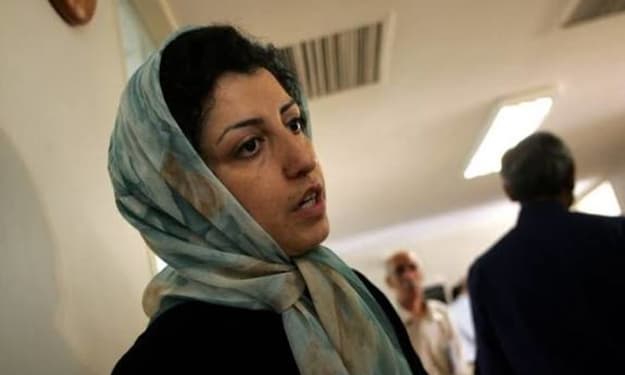
Iran Sentences Nobel Laureate Mohammadi to Seven More Years in Prison. AI-Generated.
Iran has handed down a new prison sentence of more than seven years to Narges Mohammadi, the Iranian human rights activist and 2023 Nobel Peace Prize laureate, in a move that has drawn sharp international criticism and raised further concerns about the country’s crackdown on dissent. Reuters Supporters and legal representatives say the sentence was issued on February 8, 2026, by a Revolutionary Court in the northeastern city of Mashhad, where Mohammadi has been held since her arrest in December. It comes amid a broader government effort to silence critics and activists at a time of heightened political sensitivity in Iran. A New Sentence and Its Conditions According to Mohammadi’s lawyer, Mostafa Nili, Mohammadi was sentenced to: 6 years in prison on charges of “assembly and collusion against national security” 1.5 years for “propaganda against the government” A two-year ban on travel Two years of internal exile to the city of Khusf in South Khorasan province Reuters The combined sentence amounts to approximately 7½ years of additional imprisonment, on top of a previous sentence that has kept Mohammadi behind bars for extensive periods over the past decade. Iran’s foreign ministry has not publicly acknowledged the new sentencing. Geo News Detention and Hunger Strike Mohammadi, who is now 53, was arrested on December 12, 2025 after speaking out at a memorial ceremony for human rights lawyer Khosrow Alikordi, whose death under unclear circumstances earlier in the year had sparked protests among activists. The authorities accused her of encouraging “norm-breaking slogans” at the event — allegations her supporters describe as politically motivated. Reuters In early February, Mohammadi launched a week-long hunger strike to protest prison conditions and her inability to contact her lawyers and family. Her health deteriorated significantly during the hunger strike, prompting concerns among rights advocates about her safety. Al Jazeera A Life of Activism and Imprisonment Narges Mohammadi has long been a prominent figure in Iran’s human rights movement. She has campaigned tirelessly against the death penalty, for women’s rights, and in opposition to state repression. Mohammadi is deputy director of the Defenders of Human Rights Center (DHRC) and has been detained repeatedly since the late 1990s for her activism. AIPDHE She was awarded the Nobel Peace Prize in 2023 in recognition of her decades-long struggle for human rights under challenging and often dangerous conditions. When the prize was announced, Mohammadi was already in prison, and her children accepted the award on her behalf. Geo News Despite her international recognition, Mohammadi has spent much of the past decade in and out of prison. Even during previous periods of ill health, including after surgeries and hunger strikes, authorities have either returned her to detention or denied requests for extended medical leave. hrw.org Domestic and International Reaction The latest sentence has drawn sharp reactions from rights groups and foreign governments. Human rights organizations describe the ruling as part of a systematic crackdown on dissent in Iran, especially following nationwide protests that began in late December 2025. These demonstrations were fuelled by public anger over political repression and the suspicious death of activists like Alikordi. International figures have called for Mohammadi’s release and urged Iran to respect its obligations under international human rights law, including freedom of expression and fair trial standards. Critics argue that the additional prison term exemplifies how authorities use national security laws to stifle peaceful activism. hrw.org Legal Context in Iran The sentence was issued by a Revolutionary Court, a parallel judicial system in Iran that handles cases involving “national security” and political charges. These courts have been criticised by rights groups for opaque procedures, limited defence rights, and close alignment with security agencies. PBS Revolutionary Courts often try political activists, journalists, and dissidents on charges such as “collusion against national security” and “propaganda against the system,” both of which carry heavy sentences. The new sentence against Mohammadi follows this pattern of legal practice, which critics assert is used to suppress dissenting voices. Geo News Health and Human Rights Concerns Mohammadi’s health has been a subject of ongoing concern. During her imprisonment, she has suffered serious medical issues and has at times been denied adequate treatment, rights groups say. The hunger strike in early February further aggravated those concerns, with supporters warning that continued detention in harsh conditions could be life-threatening. Al Jazeera Human rights advocates have urged that she be granted medical parole or transferred to proper care facilities, arguing that her deteriorating condition underscores the humanitarian dimensions of her case. hrw.org The Broader Climate of Repression Mohammadi’s sentencing comes amid an intensifying pattern of suppression targeting critics and reformists in Iran. Authorities have detained other political figures and activists in recent weeks, tightening restrictions on civil society and political expression while negotiating with the United States over sensitive issues like Iran’s nuclear programme. The sentencing highlights the complex and often conflicting dynamics in Iranian politics: on one hand, Tehran seeks to project strength on the international stage; on the other, it continues a robust internal crackdown against voices calling for greater rights and accountability. As the legal avenues narrow for activists within Iran, international attention and pressure are likely to remain focused on cases like Mohammadi’s, where issues of human rights, national security, and political dissent intersect in a highly contentious environment.
By Fiaz Ahmed 2 days ago in The Swamp
Psychiatrist Says Kennedy Was ‘Not Accurate’ in Discussing His Keto Studies. AI-Generated.
A prominent psychiatrist has publicly challenged recent claims made by Robert F. Kennedy Jr. regarding his research into the ketogenic diet, saying Kennedy’s statements about the findings were “not accurate” and risk misleading the public about the science behind nutrition and mental health. The dispute centers on Kennedy’s comments in a recent interview in which he cited his own studies to argue that the ketogenic diet could dramatically improve mental health conditions, including depression and anxiety. While Kennedy described the results as groundbreaking, a psychiatrist involved in reviewing the research said his interpretation overstated the evidence and simplified complex findings. Scientific Concerns Raised Dr. Alan Mercer, a psychiatrist and clinical researcher who examined the data referenced by Kennedy, said the conclusions presented to the public did not fully reflect what the studies actually showed. “The results were preliminary and limited,” Mercer said in a statement. “Mr. Kennedy portrayed them as definitive proof that keto diets can treat psychiatric disorders. That is simply not accurate.” Mercer emphasized that the studies involved small sample sizes and short observation periods, making them insufficient to support broad claims about mental health treatment. He warned that presenting early-stage research as settled science could encourage vulnerable individuals to abandon established medical care. What Kennedy Claimed Kennedy, a long-time advocate of alternative health approaches, said in interviews and public appearances that ketogenic diets had produced “remarkable improvements” in mental well-being among participants in his studies. He suggested that shifting the brain’s energy source from glucose to ketones could stabilize mood and reduce symptoms of mental illness. He also implied that pharmaceutical treatments for mental health were often unnecessary if patients adopted dietary changes. These remarks quickly drew criticism from medical professionals who argued that such claims require far stronger clinical evidence. A spokesperson for Kennedy responded by saying that he never intended to replace professional medical advice and that his remarks were meant to highlight “promising avenues for further research.” The Keto Diet and Mental Health The ketogenic diet, which is high in fat and extremely low in carbohydrates, has long been used to treat epilepsy in children and is increasingly popular for weight loss. In recent years, researchers have explored whether it might have benefits for certain neurological and psychiatric conditions. Some small studies suggest potential improvements in mood and cognitive function, but experts stress that these findings remain experimental. Larger, controlled trials are still needed before keto can be recommended as a mental health therapy. “Nutrition absolutely plays a role in brain health,” said Dr. Leila Harmon, a nutrition psychiatrist not involved in the dispute. “But claiming a single diet can replace therapy or medication is dangerous and misleading.” Risk of Public Misinformation Health experts worry that Kennedy’s statements could spread confusion at a time when misinformation about diet and medicine already circulates widely online. Social media platforms amplified his comments, with some users promoting keto as a cure-all for mental illness. “This kind of messaging can be harmful,” Mercer said. “People struggling with depression or bipolar disorder might stop taking their medication because they believe diet alone will fix everything. That puts lives at risk.” Mental health organizations echoed those concerns, urging the public to consult licensed professionals before making drastic changes to treatment plans. Political and Cultural Context Kennedy’s remarks also carry political weight, as he remains a controversial public figure whose statements often blur the line between science and advocacy. Critics argue that his influence gives his health claims greater reach than those of ordinary researchers. “This is not just a scientific disagreement,” said one public health analyst. “It’s about responsibility when speaking to millions of people.” Supporters, however, argue that Kennedy is encouraging innovation and questioning entrenched medical practices. They accuse mainstream psychiatry of being resistant to new ideas and overly dependent on pharmaceutical solutions. Call for Clearer Communication The psychiatrist who criticized Kennedy said the issue is not about silencing debate but about presenting research honestly. “There’s nothing wrong with saying, ‘We’re exploring this and the results are interesting,’” Mercer explained. “The problem comes when those results are portrayed as proven therapies.” Medical associations are now calling for clearer guidelines on how preliminary health research should be discussed in public forums. Some experts suggest that journalists and influencers should be more careful when translating complex scientific findings for mass audiences. What Comes Next Further studies on ketogenic diets and mental health are underway at several universities, but researchers say it will take years before firm conclusions can be drawn. Until then, doctors recommend that patients treat such claims cautiously. For now, the controversy highlights a familiar tension between scientific rigor and popular health messaging. As diets and wellness trends gain attention, the line between hope and hype becomes increasingly thin. “The science is evolving,” Mercer said. “But accuracy matters. People deserve facts, not exaggerated promises.” As debate continues, one point remains clear: while nutrition may play a supportive role in mental health, experts agree it should complement — not replace — professional psychiatric care.
By Fiaz Ahmed 3 days ago in Longevity