Zahid Hussain
Stories (101)
Filter by community
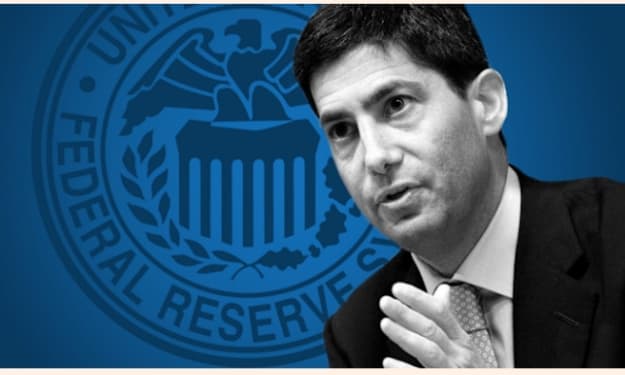
US Dollar Strengthens as Trump Nominates Kevin Warsh as Federal Reserve Chair. AI-Generated.
A Pivotal Moment for the Fed and the Dollar In a move that has captured global attention, President Donald Trump nominated Kevin Warsh to serve as Chair of the U.S. Federal Reserve. The decision immediately sent ripples through the financial markets, with the U.S. dollar strengthening sharply, treasury yields rising, and investors reassessing their expectations for monetary policy in the coming months. The Fed, the United States’ central bank, plays a critical role in shaping the economy, controlling inflation, and influencing global financial markets. As such, the nomination of a new Fed Chair is more than a political decision—it is a signal to markets, businesses, and international observers about the future direction of U.S. monetary policy. Kevin Warsh, known for his experience during the 2008 financial crisis and his reputation as a market-savvy economist, brings a particular philosophy to the role, which investors believe will influence the dollar and broader markets. Kevin Warsh: Background and Experience Kevin Warsh’s career has been defined by high-stakes financial environments and navigating economic crises. His background includes: Education at Harvard University, where he earned a degree in Economics Early experience in investment banking and financial consulting, providing him insights into market mechanics Senior advisory roles in the Federal Reserve, where he contributed to policy decisions during periods of market volatility Warsh’s professional trajectory has made him well-versed in the mechanics of monetary policy and risk management, positioning him as a credible choice for a Fed Chair during a period of global economic uncertainty. Why Markets Reacted to the Nomination 1. Dollar Strengthening The most immediate market reaction to Warsh’s nomination was a strengthening of the U.S. dollar against major currencies. Analysts attribute this to several factors: Hawkish Expectations: Warsh is perceived as more inclined toward tightening monetary policy, controlling inflation, and maintaining the strength of the dollar Investor Confidence: Markets interpret his experience during previous financial crises as an ability to maintain economic stability, which increases confidence in U.S. assets Interest Rate Anticipation: A stronger dollar typically reflects expectations of higher interest rates relative to other economies The dollar’s movement has implications for imports, exports, and global financial flows. A stronger dollar can reduce import costs for American consumers, but may also pressure emerging market economies and commodity prices. 2. Treasury Yields Rise Alongside the dollar, U.S. Treasury yields climbed, reflecting investor expectations that Warsh may advocate for interest rates that prevent overheating of the economy. Rising yields often: Make borrowing more expensive for corporations and consumers Attract foreign investment into U.S. government bonds Signal market confidence in the Fed’s ability to manage inflation The combination of higher yields and a stronger dollar underscores investor belief in Warsh’s commitment to financial stability. 3. Stocks and Risk Assets Equity markets showed mixed reactions. While some sectors, particularly financials, welcomed the prospect of a more predictable monetary policy, other risk assets, including technology stocks and cryptocurrencies, experienced modest declines. A tighter monetary policy can affect: Growth-sensitive sectors like tech and real estate Non-yielding assets such as gold and silver, which fell in value as investors moved toward interest-bearing assets These movements reflect the complex balance markets strike between stability, growth, and interest rate expectations. Kevin Warsh’s Policy Philosophy Warsh is known for a balanced, data-driven approach, combining market awareness with caution. Analysts highlight key aspects of his likely policy stance: Inflation Control: Warsh has historically emphasized preventing runaway inflation, which could strengthen the dollar and support long-term growth Financial Stability: His experience in crisis management suggests a focus on risk mitigation in banking and markets Measured Decision-Making: Warsh is not expected to make sudden or unpredictable policy moves, which markets typically favor This philosophy explains why traders and investors reacted with a positive sentiment for the dollar, seeing his nomination as a sign of steady and competent economic stewardship. Global Implications of the Nomination The Fed Chair’s decisions impact not only the U.S. economy but also the global financial system: Emerging Markets: Rising U.S. yields and a stronger dollar could pressure debt-servicing costs in countries with dollar-denominated debt Commodity Prices: Metals, oil, and other commodities often react to a stronger dollar, affecting global supply chains International Trade: Exporters may face challenges as their goods become more expensive for U.S. consumers Kevin Warsh’s leadership may therefore reshape international markets depending on his approach to interest rates and monetary policy. Historical Context: Fed Chairs and Market Confidence The Fed Chair’s role is unique because their statements and policy actions directly influence market psychology. For example: Alan Greenspan: Known for his careful guidance during volatile periods, instilled confidence in markets Ben Bernanke: Guided the Fed through the 2008 financial crisis, emphasizing crisis response Janet Yellen: Focused on gradual policy shifts, balancing growth and inflation Warsh, shaped by the 2008 crisis, is expected to combine analytical rigor with market prudence, reassuring investors that the Fed will act responsibly. Why the Dollar Reacted So Quickly Market participants often price in expectations long before policies take effect. Warsh’s nomination likely caused immediate reactions due to: Perceived hawkishness: Investors anticipate tighter monetary policy Crisis credibility: His past experience suggests a capable steward of the economy Market psychology: Traders adjust positions quickly to reflect potential Fed moves The speed of the reaction is typical for high-stakes financial news, where sentiment and perception can move markets faster than policy itself. Potential Risks and Challenges While the nomination has been positively received, there are risks: Global Economic Volatility: Rising rates could slow global growth and impact trade Political Pressures: The Fed must maintain independence, even as political narratives around Warsh’s appointment emerge Market Overreaction: Investors may have priced in too much optimism, risking a correction if policies differ from expectations These risks mean that Warsh will need to balance market expectations with real economic conditions, a delicate task for any Fed Chair. The Road Ahead for Investors Investors and financial planners are advised to: Monitor Treasury yields and dollar movements closely Prepare for potential interest rate adjustments affecting loans, mortgages, and investments Assess the impact on commodities, emerging markets, and equities Follow Warsh’s early speeches and Fed statements for guidance Long-term, Warsh’s tenure may stabilize the U.S. dollar, influence global markets, and reshape investor strategies worldwide. Conclusion: A Critical Juncture for U.S. Monetary Policy Kevin Warsh’s nomination as Federal Reserve Chair is more than a political choice—it is a market-moving event with immediate and far-reaching implications. The dollar’s strength, rising yields, and cautious equity responses reflect a combination of expectation, confidence, and strategic anticipation. As Warsh prepares to take the helm, the world watches closely. His decisions will not only influence domestic growth and inflation but also global financial stability, investor sentiment, and international trade flows. In a period marked by economic uncertainty and market sensitivity, Warsh’s leadership will be a key factor in determining whether markets remain calm or face volatility, making this nomination one of the most consequential for investors in recent years.
By Zahid Hussain3 days ago in The Swamp
Why Iran’s Response to a U.S. Attack Could Be Different This Time. AI-Generated.
As tensions rise between the United States and Iran — with U.S. warnings, military buildups, and political posturing on both sides — analysts are asking a key question: If a U.S. attack were to occur, why might Iran’s response differ from past patterns? The answer lies in an unprecedented blend of internal instability, external pressures, and strategic rethinking within Iran’s leadership. 1. A More Volatile Internal Political Landscape Unlike previous confrontations, Iran is currently grappling with significant domestic unrest. Massive anti‑government protests have shaken the country and led to thousands of deaths, according to activist reports. � albaniandailynews.com Previous military responses — such as the more measured retaliation after U.S. strikes in June 2025 — were partly designed to project resolve while avoiding immediate escalation. But today’s leaders face internal pressures that could encourage a faster and more forceful response if attacked. Some officials might see rapid retaliation as a way to unify public sentiment and distract from persistent domestic challenges. � albaniandailynews.com And at times of internal strain, political leaders may feel they have less room to maneuver — making sudden retaliation appear as the only viable way to demonstrate strength. 2. More Direct and Uncompromising Rhetoric from Iran’s Top Officials Iranian military and political statements have become significantly less restrained. In contrast to past conflicts where responses were calibrated to signal only limited retaliation, current official statements emphasize that any attack — limited or otherwise — would be treated as an “all‑out war.” � trtworld.com Brigadier General Mohammad Akraminia, a spokesperson for Iran’s army, said that any assault would be met with a “decisive and swift response,” stressing that Iranian forces have been instructed to react “in real time and without delay.” � Anadolu Ajansı This shift in tone indicates that Tehran may no longer prefer delayed or symbolic retaliation, as it has at times in the past, but instead could opt for an immediate, robust military response. 3. Strengthened Military Readiness and Broader Arsenal Since the previous confrontations, Iran has invested in expanding and upgrading its military capabilities — including missile systems, drones, and naval defenses. Reports suggest that Iran’s armed forces consider their level of readiness significantly heightened compared to previous years. � A News This improved readiness means Tehran may feel capable of responding swiftly and across multiple fronts if attacked. That includes: Missile and drone strikes against U.S. forces or bases in the Middle East Targeting U.S. naval assets, including aircraft carriers Cyber and asymmetric responses that could challenge U.S. infrastructure or regional interests � Anadolu Ajansı +1 The combination of expanded capabilities and ideological resolve suggests a response could be broader and more complex than what the United States has observed during previous stand‑offs. 4. Regional Considerations and Proxy Dynamics Iran no longer faces tensions with the U.S. as a solely bilateral issue. Its regional network — including allied militias and proxy forces — increases the potential scope of any retaliation. Gulf states, Israel, and U.S. partners in the region could be drawn into response scenarios indirectly or directly, heightening the risk that conflict spreads beyond Iran itself. � Le Monde.fr This dynamic means Tehran may be preparing not just a direct reply but a multi‑layered response involving both its conventional forces and allied groups — a stark contrast to earlier, more constrained exchanges. 5. Diplomatic Shifts and External Pressures The international environment also affects Iran’s calculus. The European Union’s designation of the Iranian Revolutionary Guard Corps (IRGC) as a terrorist organization has increased diplomatic isolation and pressure on Tehran. � The Guardian At the same time, Iranian officials have expressed conditional openness to diplomacy, preferring negotiations on an equitable footing rather than talks tied to defense‑capability restrictions. � Reuters This mix of harsher international pressure and limited diplomatic avenues could push Tehran toward a more assertive defensive posture, interpreting an attack as both a national and ideological threat. 6. Lessons from Past Conflicts and “Deterrence Signals” In the 2025 U.S. strikes on Iranian nuclear facilities, Iran retaliated with a missile attack on U.S. forces the next day — a response seen as both a warning and a signal that it would retaliate without triggering full‑scale war. � WHYY But current rhetoric from Iranian leaders suggests that narrow or symbolic retaliation may no longer suffice to preserve deterrence. They have repeatedly framed any attack as potentially equal to an act of war, hinting they may escalate more quickly than before to avoid appearing weak — a legacy of missed deterrence opportunities and the perceived costs of prolonged domestic unrest. � trtworld.com 7. Risk of Rapid Escalation: What Could Change the Game Past patterns of measured, delayed, or proportionate retaliation were rooted in a desire to avoid full‑blown conflict. Now, Tehran’s leaders may feel: They must reassert deterrence immediately Internal political legitimacy depends on a strong posture Regional allies expect decisive action That means Iran’s response — if faced with a U.S. attack — is more likely to be immediate, forceful, and multifaceted, involving simultaneous military, cyber, and proxy responses. Such escalation dynamics differ fundamentally from earlier periods when Tehran carefully calibrated its responses to avoid widening wars, making today’s potential conflict far more unpredictable and dangerous. Conclusion: A Turning Point in Strategic Calculus If the United States were to strike Iran, Tehran’s response could be dramatically different than in the past. The combination of: internal instability, harder official rhetoric, enhanced military capabilities, complex regional alliances, and heightened international isolation points toward a scenario where Iran might respond swiftly, decisively, and broadly. This shift heightens the stakes for U.S. policymakers and global security. In a world where miscalculation can quickly spiral into wider conflict, understanding these evolving dynamics isn’t just strategic — it’s essential.
By Zahid Hussain3 days ago in The Swamp
Older Women ‘Disappear’ from BBC Presenting Roles, Review Finds. AI-Generated.
The BBC and Representation Concerns A recent review has highlighted a troubling trend: older women are increasingly absent from BBC presenting roles. While younger presenters remain highly visible on prime-time television, women over a certain age appear to face systemic challenges in maintaining on-screen roles. This finding has sparked debate about ageism, sexism, and diversity in media, raising questions about how broadcasting organizations value experience and expertise. The Scope of the Review The review examined: BBC programming across television and radio The age and gender distribution of presenters Patterns in long-term career progression and on-screen visibility The results showed that women over 50 are significantly underrepresented, particularly in high-profile, front-facing presenting roles, while men of the same age continue to appear regularly. Why Older Women Disappear: Factors at Play Several factors contribute to this trend: 1. Societal Ageism and Beauty Standards Media industries often favor youthful appearance, disproportionately affecting women. This bias reflects wider societal attitudes that equate value with age and appearance. 2. Internal Broadcasting Policies Internal recruitment and promotion practices may unintentionally prioritize younger talent, leading to fewer opportunities for older women. 3. Audience Perceptions Some argue that broadcasters assume audiences prefer younger presenters, though research indicates that viewers value credibility, experience, and knowledge over age. 4. Lack of Support and Mentorship Older female presenters often lack career support or mentorship, limiting their ability to navigate internal promotions or new roles. Voices from the Industry Several former and current BBC presenters have shared their experiences: A veteran presenter noted, “I went from prime-time slots to less visible roles as I got older, despite maintaining high performance and audience approval.” Media analysts point out that men often face no such decline, highlighting a gender disparity in career longevity. These accounts underscore the systemic nature of the problem rather than it being the result of individual performance. Impact on Broadcasting and Audience The absence of older women in presenting roles has broader implications: Loss of Expertise: Experienced presenters bring nuanced insight that benefits programming quality. Reduced Representation: Audiences are deprived of diverse perspectives and role models, particularly for older female viewers. Cultural Message: The trend reinforces societal stereotypes that women’s visibility diminishes with age. Comparisons to Other Media Organizations The review suggests that the BBC is not alone in this pattern. Across global media: Older female journalists often face similar career stagnation Male presenters frequently maintain high-profile roles well into their 60s and 70s Efforts to diversify programming remain partial or inconsistent, particularly concerning age This indicates that the issue is industry-wide, reflecting deep-seated structural biases. Calls for Action In response to the review, advocates and media experts suggest several measures: Policy Reform: Implement policies to protect against age discrimination in hiring and promotion Mentorship Programs: Establish mentorship opportunities for women approaching mid-career or older Audience Engagement: Promote content that values experience and expertise, not just youth Regular Monitoring: Conduct regular diversity audits to track age and gender representation Such initiatives could help create a more equitable media landscape. Why This Matters Beyond the BBC The disappearance of older women from high-profile media roles sends a wider societal signal: Reinforces stereotypes about women, aging, and professional value Limits aspirational role models for younger women entering the media industry Reduces the diversity of voices in public discourse, which is essential for well-rounded journalism and storytelling Media representation is not just about aesthetics—it influences public perception, culture, and gender equality. Positive Examples and Progress Some broadcasters have begun addressing this issue: Highlighting seasoned presenters in prime roles regardless of age Offering flexible schedules to retain experienced female staff Celebrating women with expertise in specialized areas like science, economics, and politics These efforts demonstrate that change is possible when organizations prioritize inclusivity. Conclusion: Towards an Inclusive Broadcasting Future The review’s findings are a wake-up call: experience and expertise should not be overshadowed by age or gender. Older women have much to contribute to broadcasting, from credibility and depth to audience trust and continuity. For the BBC and other media organizations, the challenge is clear: ensure fair representation, recognize the value of experience, and dismantle ageist and sexist barriers. Doing so not only promotes equality but enriches programming quality for all viewers.
By Zahid Hussain3 days ago in The Swamp
Kevin Warsh: The Fed Chair Nominee Forged by the 2008 Financial Crisis. AI-Generated.
A New Chapter in Federal Reserve Leadership As the United States continues to navigate a complex economic landscape, Kevin Warsh has emerged as a prominent figure. Recently nominated to serve as Chair of the Federal Reserve, Warsh’s appointment is being closely watched by economists, investors, and policymakers alike. His career trajectory, shaped significantly by the 2008 financial crisis, offers insights into how crisis management can define a generation of economic leaders. Early Life and Education Kevin Warsh was born in the late 1970s and displayed early aptitude in economics and finance. His educational path includes: Harvard University, where he earned a degree in Economics Additional studies in public policy and finance, sharpening his understanding of macroeconomic systems These formative experiences equipped him with the analytical tools necessary to navigate volatile economic conditions later in his career. Career Beginnings: From Wall Street to Public Service Warsh’s professional journey began in investment banking and financial consulting, where he gained firsthand experience in financial markets. However, his move into public service marked a turning point: He joined key financial advisory roles, advising policymakers on banking regulation and economic policy His early experience during the dot-com bubble and the housing market fluctuations provided a solid foundation for understanding systemic risk By the time the 2008 financial crisis struck, Warsh was already positioned to play a significant role in shaping policy responses. The 2008 Financial Crisis: Defining Moment The 2008 global financial crisis tested the resilience of the U.S. economy and the world at large. Kevin Warsh became a key advisor in navigating the crisis: He worked on strategies to stabilize the banking system Contributed to the Federal Reserve’s emergency measures Provided input on monetary policy decisions, including interest rate adjustments and liquidity injections Observers note that this period was formative for Warsh, forging his reputation as a crisis-ready economist. His hands-on involvement gave him deep insights into systemic vulnerabilities and the importance of proactive policy intervention. Nomination to Federal Reserve Chair Kevin Warsh’s nomination as Fed Chair reflects confidence in his experience and strategic thinking. Analysts expect him to: Address inflationary pressures while supporting economic growth Oversee monetary policy adjustments with a keen understanding of market reactions Promote financial stability, drawing on lessons from previous crises His leadership style is described as analytical, cautious, and forward-looking, qualities shaped by the high-stakes environment of 2008. Economic Philosophy and Policy Approach Warsh is known for a balanced, data-driven approach to economic policy: Emphasis on financial stability: He prioritizes reducing systemic risk while supporting growth Pragmatic monetary policy: Decisions are guided by empirical data rather than ideological biases Focus on long-term planning: Recognizes the need to anticipate market shifts and structural changes This philosophy positions him as a Fed Chair capable of navigating both short-term shocks and long-term challenges. Challenges Ahead Warsh faces a complex economic environment: Inflation fluctuations post-pandemic Global economic uncertainty, including trade tensions and geopolitical risks Technological disruption in financial markets, including digital currencies and fintech innovations His experience during the 2008 crisis may provide a roadmap for managing unexpected economic turbulence while maintaining public and market confidence. Criticism and Public Perception While Warsh has strong credentials, some critics highlight potential concerns: Connections to Wall Street could raise perceptions of bias toward financial institutions His measured, analytical style may be seen as less bold during urgent crises Navigating political pressures from Congress and the Executive branch could challenge independence Supporters, however, argue that experience during past crises outweighs these concerns, positioning him as a competent and steady leader. Impact of His Leadership If confirmed, Kevin Warsh’s tenure could influence: Interest rates and borrowing costs for businesses and consumers Financial regulations, potentially strengthening safeguards against systemic risks Global confidence in U.S. economic policy, especially among international investors His leadership may also set precedents for how future Fed Chairs respond to economic shocks and crises. Lessons from Kevin Warsh’s Career Warsh’s journey offers several takeaways: Crisis shapes leaders: Real-world challenges provide practical experience that cannot be replicated in textbooks Analytical thinking is essential: Data-driven approaches are crucial for complex economic decisions Resilience matters: Long-term success in economic policy requires the ability to adapt under pressure For aspiring economists and policymakers, Warsh exemplifies how experience, preparation, and analytical rigor combine to form effective leadership. Conclusion: A Fed Chair Forged by Crisis Kevin Warsh’s nomination as Federal Reserve Chair is not just a career milestone—it symbolizes the rise of a generation of economic leaders molded by financial crises and global uncertainty. His experience, particularly during the 2008 financial meltdown, gives him a unique perspective on risk management, monetary policy, and systemic stability. As the U.S. faces new economic challenges, Warsh’s leadership will be closely watched, both domestically and internationally. The lessons from his career highlight the importance of preparedness, insight, and adaptability, qualities essential for navigating the complex world of modern finance.
By Zahid Hussain3 days ago in The Swamp
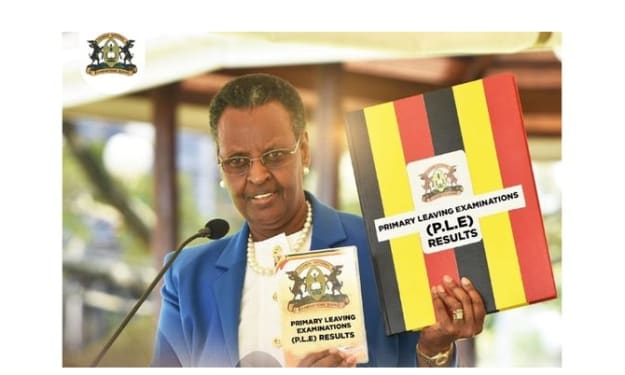
PLE Results: Girls Outsmart Boys in English Subject. AI-Generated.
A Surprising Trend in PLE Results The recent Primary Leaving Examination (PLE) results have revealed an interesting trend: girls have outperformed boys in the English subject. While both genders showed commendable performance overall, the data indicates that girls not only scored higher on average but also dominated the top achievers list. This trend raises questions about the factors contributing to girls’ success in English, the implications for teaching strategies, and what it means for future academic and career trajectories. Understanding the PLE and Its Importance The Primary Leaving Examination is a national assessment taken by students at the end of primary school. It is crucial because: Determines eligibility for secondary school Assesses students’ mastery of core subjects such as English, Mathematics, Science, and Social Studies Provides insights into educational performance trends across the country English, in particular, is a key subject because proficiency in it often correlates with future academic success and access to higher education. Girls Lead in English: What the Numbers Say According to official statistics: A larger proportion of girls scored in the Distinction and Credit categories compared to boys Girls accounted for the majority of top-scoring students in English across most districts The average score for girls in English was noticeably higher than that of boys This demonstrates a consistent pattern of female academic excellence in language skills. Why Are Girls Excelling in English? Several factors may explain this trend: 1. Reading and Comprehension Habits Studies suggest that girls are more likely to read extensively, which strengthens vocabulary, comprehension, and writing skills. In contrast, boys often engage less in reading outside the classroom. 2. Classroom Behavior and Focus Teachers report that girls tend to be more attentive, disciplined, and consistent in completing assignments, which positively impacts their English proficiency. 3. Motivation and Communication Skills English requires clear communication, both written and spoken. Girls often show higher motivation to communicate effectively, which translates into better performance in exams. 4. Support from Home and Community In many regions, parents encourage girls to excel academically, especially in language-related subjects, recognizing the long-term benefits for education and career opportunities. Implications for Boys’ Learning While girls are leading in English, this trend also highlights a need to support boys in language learning. Educators suggest: Encouraging boys to read more widely Using interactive and practical teaching methods to engage male students Mentoring programs to boost confidence in writing and communication Addressing these gaps ensures that boys can perform at their potential without being left behind. Teacher Perspectives Teachers nationwide have shared insights: “Girls tend to take their homework seriously and practice more at home,” said one English teacher. “Boys often excel in Mathematics and Science but struggle with reading and writing tasks,” noted another. Many educators suggest introducing innovative classroom strategies to make English more appealing to boys. Student Perspectives Students themselves have reflected on the trend: Female students credit regular reading, essay practice, and speaking exercises. Male students acknowledge the need to improve vocabulary and writing skills, with some stating they plan to read more books and newspapers. These perspectives provide a window into how study habits affect performance in English. Impact on Secondary Education Choices Excelling in English opens doors for students to: Join elite secondary schools with competitive entry requirements Pursue subjects that rely heavily on English proficiency, such as literature, journalism, law, and international studies Build a foundation for career advancement, as English remains a critical language in professional settings Therefore, girls’ success in English could have long-term benefits for their academic and career prospects. Regional Patterns and Variations The trend of girls outperforming boys is not uniform across all districts. Some regions showed smaller gaps, while others had significant differences. Factors contributing to these variations include: Quality of schools and teachers Access to learning resources such as libraries and English materials Community and parental support Understanding these patterns can help policymakers target interventions to improve English proficiency for all students. Government and Policy Response The Ministry of Education has noted this trend and plans to: Develop programs to support boys in language learning Promote reading culture among primary school students Provide training for teachers on innovative English teaching techniques These steps aim to ensure that all children, regardless of gender, have equal opportunities to excel in English. Conclusion: A Positive Shift in Education The PLE results underscore a positive development in girls’ education, highlighting their dedication and capability in mastering English. At the same time, the trend provides an opportunity to address gaps in boys’ learning, ensuring balanced educational outcomes. As schools, teachers, and communities respond to these findings, the future of English education looks promising, with potential for higher literacy, improved communication skills, and more equitable academic success.
By Zahid Hussain3 days ago in The Swamp
Small Heat Challenge Winners: Celebrating Creativity, Talent, and the Fire of Competition. AI-Generated.
A Platform for Creativity In the digital age, creative competitions have become a powerful way for artists, writers, and innovators to showcase their skills. Among these, the Small Heat Challenge stands out as one of the most inspiring platforms for emerging talent. Designed to encourage artistic exploration, storytelling, and experimentation, the challenge has grown exponentially in popularity. The latest round of the competition has just concluded, revealing a remarkable range of winners whose works reflect ingenuity, originality, and emotional depth. From thought-provoking short stories to visually striking art pieces, the Small Heat Challenge has once again proven that creativity knows no bounds. The Genesis of the Small Heat Challenge Before diving into the winners, it is important to understand the concept behind the challenge. The Small Heat Challenge was created to provide a level playing field for both emerging and seasoned creators. Its goals are simple but powerful: Inspire participants to experiment with new ideas Celebrate creative diversity across genres and media Provide recognition and rewards for talent often overlooked Over the years, the competition has evolved from a small, community-driven event into a globally recognized platform. It now attracts entries from multiple countries, each bringing unique cultural and stylistic perspectives. The Selection Process: From Hundreds to a Few Selecting winners in the Small Heat Challenge is no small feat. Judges consider creativity, originality, execution, and emotional impact. Submissions go through multiple rounds of evaluation: Preliminary Review: Initial screening to ensure adherence to the theme and quality standards Judging Panel Evaluation: Expert judges analyze technical skill, storytelling, and artistic expression Community Input: In many categories, audience votes influence the final decision Final Deliberation: Judges determine winners based on combined scores and impact This rigorous process ensures that the winners represent the best of the best, reflecting both skill and the spirit of creativity. Celebrating the Winners This year’s winners embody a range of talent, demonstrating that creativity can manifest in unexpected ways. Let’s explore some of the standout entries: 1. Fiction That Ignites the Mind The storytelling category produced entries that were both emotionally resonant and intellectually engaging. One winner crafted a short story that explored human resilience amid dystopian settings, earning praise for narrative depth and innovative structure. Another entry blended fantasy and contemporary reality, creating a world that captivated readers from the first sentence. 2. Visual Arts: The Power of Imagination In visual arts, winners pushed the boundaries of color, composition, and concept. From intricate digital illustrations to mixed-media masterpieces, these artworks reflected not only technical skill but also a distinct voice and perspective. One particular piece, which depicted a fusion of human emotion with natural elements, became a viral sensation within the challenge community. 3. Poetry and Spoken Word: Emotion in Motion The poetry and spoken word category saw entries that captured raw human emotion with brevity and power. Themes ranged from love and loss to hope and social commentary. Judges lauded winners for their ability to convey profound ideas through concise language, demonstrating that sometimes less is more when it comes to storytelling. 4. Innovative Multimedia Projects Some of the most remarkable entries came from creators who blended multiple mediums, combining animation, music, and interactive storytelling. These projects highlighted the challenge’s emphasis on experimentation and innovation, proving that creative expression is not limited by format. Interviews with the Winners: Insights and Inspiration Many winners shared their experiences and creative philosophies. Common themes emerged: Persistence: Almost all winners emphasized the importance of continuing to create despite obstacles or rejection Curiosity: Winners credited their ability to explore new techniques and ideas for their success Community Support: Many highlighted the role of peer feedback and mentorship in shaping their work These insights provide valuable lessons for aspiring creators: success is a combination of talent, effort, and openness to learning. The Role of the Small Heat Challenge in Career Growth Winning the Small Heat Challenge is more than just a badge of honor; it has tangible benefits: Exposure to a Global Audience: Winners often see their work shared widely, reaching new fans and collaborators Professional Opportunities: Recognition can lead to commissions, collaborations, and publishing deals Confidence and Validation: Receiving acknowledgment from a respected platform can boost confidence and fuel future projects Many past winners have gone on to launch successful careers in their fields, illustrating the challenge’s role as a springboard for creative professionals. Why the Small Heat Challenge Resonates The challenge resonates because it balances competition with community. Participants are not only vying for prizes but also engaging in meaningful dialogue with other creators, sharing feedback, and celebrating artistic achievement. This dual focus on individual excellence and community support sets the Small Heat Challenge apart from other contests. The Global Impact: Creativity Without Borders Entries in the Small Heat Challenge come from all corners of the globe, reflecting cultural diversity and unique perspectives. This global reach demonstrates that creativity is universal and that storytelling, art, and innovation can transcend borders and languages. Moreover, the challenge highlights emerging trends in digital art, literature, and multimedia storytelling, providing insight into the future of creative expression. Tips for Aspiring Participants For those looking to enter future challenges, winners often share actionable advice: Stay True to Your Voice: Originality and authenticity matter more than imitation Experiment Boldly: Try new techniques, formats, or genres Seek Feedback Early: Constructive criticism strengthens your work Be Persistent: Don’t be discouraged by initial rejection or setbacks Engage With the Community: Networking and collaboration can open unexpected doors Following these tips increases both the quality of submissions and the chances of success. Looking Ahead: The Future of the Small Heat Challenge With its growing popularity, the Small Heat Challenge is continuously evolving: Expanding categories to include emerging art forms Incorporating digital and interactive media Increasing scholarships, grants, and professional opportunities for winners The platform’s vision is clear: to empower creators worldwide, provide a stage for innovation, and celebrate creativity in all its forms. Conclusion: Celebrating Creativity in the Modern Age The latest Small Heat Challenge winners exemplify what it means to create fearlessly, imaginatively, and with passion. Their work is a testament to the power of human expression and the enduring importance of platforms that nurture talent. As the challenge continues to grow, it reminds us that creativity is not just a skill—it’s a movement, one that brings together artists, writers, and innovators from around the globe to inspire, challenge, and elevate each other. The Small Heat Challenge proves that, in a world of constant change, the spark of creativity is always worth celebrating.
By Zahid Hussain3 days ago in The Swamp
Man Posing as FBI Agent Tried to Secure Release of Luigi Mangione from Jail, Authorities Say. AI-Generated.
A Bizarre Attempt at Jailbreaking In an unusual and audacious incident, authorities report that a man impersonating an FBI agent tried to secure the release of Luigi Mangione from jail. The incident has captured public attention due to its unusual combination of impersonation, attempted jailbreak, and law enforcement intervention. Officials confirmed that the suspect attempted to use the prestige and authority of the FBI to influence jail personnel, highlighting both the creativity and brazenness of some criminal schemes. Who Is Luigi Mangione? Luigi Mangione is a figure of interest in local criminal circles, although details about the charges or ongoing investigations remain limited. According to law enforcement sources, Mangione was detained on pending legal matters, prompting the unusual attempt to secure his release. The incident has drawn media attention not only because of Mangione’s background but also due to the impersonator’s law enforcement deception, which adds a new layer of legal complexity. How the Impersonation Attempt Unfolded Authorities report that the impersonator: Presented himself at the jail as an FBI agent Claimed to have authority to take Mangione into federal custody Attempted to convince jail staff to release Mangione immediately Fortunately, jail personnel were alert to standard protocols, verified the individual’s credentials, and prevented any release. The impersonator was detained for questioning, and an investigation into his motives and possible accomplices is ongoing. The Legal Implications of Impersonating a Federal Agent Impersonating an FBI agent is a serious federal crime in the United States. Under federal law, individuals who falsely present themselves as law enforcement officials can face: Fines Imprisonment for up to three years or more Enhanced penalties if the impersonation is used to commit additional crimes Experts note that such crimes are particularly dangerous because they undermine public trust in law enforcement and can potentially compromise the integrity of detention procedures. Why This Case Matters This case is noteworthy for several reasons: 1. Creativity in Criminal Tactics The impersonation reflects a high level of planning and willingness to manipulate official channels, showing how criminals may exploit bureaucratic procedures to their advantage. 2. Law Enforcement Vigilance The fact that jail personnel did not release Mangione demonstrates the importance of strict verification procedures, especially when dealing with individuals claiming federal authority. 3. Public Awareness Incidents like this remind the public that not all individuals claiming to be law enforcement are genuine, highlighting the need for vigilance in interactions with authorities. Similar Cases in Recent History While rare, impersonation of law enforcement is not unprecedented. Recent cases include: Individuals posing as police officers to commit theft People impersonating federal agents to gain access to sensitive facilities Scams involving fraudulent warrants or arrests Each of these cases reinforces the importance of verification and the potential consequences of impersonation. Next Steps in the Investigation Authorities are currently investigating: The identity and background of the impersonator Whether the impersonator acted alone or had accomplices Any potential connections to organized crime networks Depending on the findings, prosecutors may pursue federal charges in addition to local legal actions. Public Safety Takeaways Experts recommend several safety measures for both law enforcement and the public: Verify credentials: Never assume someone claiming to be a federal agent is legitimate without confirmation Follow protocols: Jail and law enforcement staff should strictly follow procedures for release or custody transfers Report suspicious activity: Unusual claims of authority should be reported immediately to higher authorities These steps help prevent the misuse of law enforcement authority and maintain trust in the justice system. Conclusion: A Bold Attempt Foiled The attempt to impersonate an FBI agent to secure Luigi Mangione’s release illustrates both the creativity of some criminal actors and the importance of vigilant law enforcement procedures. While unusual, this case serves as a reminder that procedural integrity and verification are critical in maintaining public safety. As investigations continue, more details are expected to emerge about the impersonator’s motives, methods, and any broader criminal connections. For now, authorities credit alert jail personnel with preventing a potentially serious breach.
By Zahid Hussain3 days ago in The Swamp
Why the Cold War Pact Known as NORAD Is Making Headlines. AI-Generated.
A Relic of the Cold War Returns to the Spotlight For decades, the North American Aerospace Defense Command (NORAD) existed mostly in the background of global politics—a quiet, technical military partnership between the United States and Canada. Born during the Cold War to watch the skies for Soviet bombers, NORAD rarely made headlines unless Santa Claus was being “tracked” on Christmas Eve. But that has changed. In recent years—and especially amid renewed global tensions—NORAD has re-emerged as a key player in international security, prompting questions about why this Cold War pact suddenly matters again. The answer lies in a rapidly changing threat landscape, evolving warfare technologies, and a world edging closer to great-power competition. What Is NORAD? A Brief Overview NORAD was established in 1958 at the height of Cold War paranoia. Its mission was simple but critical: Detect incoming airborne threats Defend North American airspace Provide early warning of missile attacks Unlike most military alliances, NORAD is bi-national, jointly operated by the United States and Canada. It represents one of the deepest military partnerships in the world, with shared command structures, intelligence, and responsibilities. For much of the post–Cold War era, NORAD’s role faded from public view as traditional state-on-state threats seemed to diminish. That era is over. Why NORAD Is Back in the News NORAD is making headlines again for several interconnected reasons, all tied to the return of strategic rivalry in global politics. 1. Rising Tensions with Russia Russia’s military posture has shifted dramatically in recent years. Long-range bombers, missile tests, and aggressive air patrols near North American airspace have reignited concerns that once defined the Cold War. NORAD has increasingly: Scrambled fighter jets to intercept Russian aircraft Monitored long-range missile activity Enhanced early-warning capabilities Each interception makes headlines, reminding the public that Cold War-style deterrence is no longer theoretical. 2. China Enters the Strategic Equation While NORAD was originally designed to counter the Soviet Union, China has now become a central concern. China’s development of: Hypersonic missiles Long-range bombers Advanced space-based systems has forced NORAD to rethink its mission. The threat is no longer limited to one direction or one adversary. For the first time, NORAD planners openly discuss multi-theater threats, including missiles that could approach North America from unexpected trajectories. 3. The Missile Defense Revolution Modern warfare has transformed how threats emerge and how quickly they can strike. New challenges include: Hypersonic weapons that evade traditional radar Cruise missiles that fly low and avoid detection Space-based and cyber threats NORAD’s traditional early-warning systems are being upgraded to keep pace with these technologies. This modernization effort has placed the command at the center of defense debates and budget discussions. The Arctic: NORAD’s New Front Line One of the most important reasons NORAD is back in the spotlight is the Arctic. As climate change melts ice and opens new routes, the Arctic has become: More accessible to military forces Strategically valuable for missile trajectories A zone of competition among major powers Russia has heavily militarized its Arctic territory, and China has declared itself a “near-Arctic state.” NORAD now views the region as the most likely avenue for future threats. This shift has made NORAD less about legacy defense and more about future deterrence. Why NORAD Is Different from NATO NORAD is often confused with NATO, but the two serve very different purposes. NATO is a multilateral political-military alliance NORAD is a permanent operational command NORAD’s decisions are not debated among dozens of countries. They are executed rapidly, jointly, and with a narrow focus: defending North America itself. This operational efficiency is precisely why NORAD matters more now than ever. Domestic Politics and NORAD NORAD’s resurgence also reflects domestic political shifts in both the United States and Canada. Increased defense spending Renewed focus on border and airspace security Growing concern over foreign surveillance and espionage In both countries, NORAD has become a symbol of preparedness, reassuring the public that North America is not complacent in a dangerous world. From Bombers to Bytes: Cyber and Space Domains Modern conflict does not begin with missiles—it begins with data. NORAD’s mission now includes: Monitoring space-based threats Integrating cyber defense into early warning Coordinating intelligence across multiple domains This expansion reflects a broader truth: the next conflict may begin invisibly, long before a physical attack occurs. Why Headlines Matter: Messaging and Deterrence When NORAD intercepts aircraft or announces system upgrades, those headlines are not accidental. They serve a strategic purpose. Public visibility: Signals readiness to adversaries Reassures allies and citizens Reinforces deterrence without escalation In this sense, NORAD’s presence in the news is part of its mission—not a byproduct of it. Is This a Return to the Cold War? While comparisons to the Cold War are tempting, today’s reality is more complex. Then: Two superpowers Predictable lines of confrontation Clear rules of deterrence Now: Multiple competitors Blurred boundaries between war and peace Rapid technological escalation NORAD is adapting to a world that is more fragmented and less predictable than the one it was created to defend against. Criticism and Concerns Not everyone welcomes NORAD’s revival without reservations. Critics argue: Increased militarization fuels arms races Heavy defense spending diverts resources from domestic needs Heightened alertness risks miscalculation Supporters counter that deterrence only works when it is credible—and credibility requires readiness. What the Future Holds for NORAD Looking ahead, NORAD is likely to: Expand its space surveillance capabilities Invest heavily in Arctic infrastructure Integrate artificial intelligence into threat detection Play a central role in missile defense strategy Far from fading into history, NORAD appears poised to define the next era of North American defense. Conclusion: An Old Pact for a New Age NORAD’s return to the headlines is not about nostalgia—it is about necessity. In a world marked by renewed rivalry, advanced weapons, and blurred battlefields, the Cold War pact once designed to detect bombers now stands at the forefront of modern defense strategy. The lesson is clear: history does not disappear—it evolves. And NORAD, once a quiet sentinel of the Cold War, has become a central actor in shaping how North America prepares for an uncertain future.
By Zahid Hussain3 days ago in The Swamp
Trump-Blessed Deal to Keep Government Funded Gets Snagged in the Senate. AI-Generated.
When Keeping the Lights On Becomes a Political Crisis In a functioning democracy, keeping the government funded should be one of the most basic responsibilities of elected officials. Yet in the United States, even this foundational task has become a recurring political drama. The latest example is a Trump-blessed deal designed to keep the federal government funded, which has unexpectedly run into serious resistance in the U.S. Senate. What was meant to be a short-term solution to avoid a shutdown has instead exposed deep fractures within Congress, questioned Donald Trump’s grip on Republican lawmakers, and highlighted a broader crisis of governance in Washington. This snag is not just about budgets—it is about power, loyalty, ideology, and a political system increasingly driven by brinkmanship rather than cooperation. Understanding the Deal: What Was on the Table The agreement in question was a stopgap funding measure, often referred to as a continuing resolution. Its purpose was straightforward: Prevent a partial or full government shutdown Extend federal funding temporarily Allow more time for negotiations on long-term budget priorities Avoid immediate economic and administrative disruption Such measures are common in Congress, especially when lawmakers fail to agree on full-year budgets. What made this deal notable was that it received explicit approval from Donald Trump, a figure whose endorsement once ensured swift Republican alignment. Yet despite that backing, the deal stalled—raising questions about whether Trump’s influence has limits, or whether the political environment has simply become too fractured for any consensus to hold. Why the Senate Became the Battleground The Senate’s resistance did not come from a single source. Instead, it emerged from a convergence of political pressures that reflect the current reality of American politics. 1. Republican Fractures Beneath the Surface Within the Republican Party, unity has become increasingly difficult to maintain. While Trump remains the party’s most influential figure, not all GOP senators are willing to follow his lead unquestioningly. Some Republicans argue that continuing resolutions represent: Fiscal irresponsibility A failure to enforce spending discipline A surrender to what they call “Washington complacency” For these lawmakers, approving short-term funding deals feels like postponing tough decisions rather than confronting them. Trump’s endorsement, rather than calming opposition, has in some cases hardened resistance among those eager to distinguish themselves as more ideologically pure. 2. Democratic Skepticism and Strategic Resistance Democrats, though generally opposed to government shutdowns, are not eager to rubber-stamp deals shaped by Trump’s influence. Their concerns include: Hidden policy riders that could reshape immigration or border enforcement Budget compromises that prioritize defense or enforcement over social spending Setting precedents that reward political pressure tactics Even when Democrats agree with the outcome—keeping the government open—they remain wary of how such deals are constructed and who ultimately benefits. 3. The Senate’s Structural Incentive to Stall Unlike the House of Representatives, the Senate is designed to slow legislation down. Its rules allow: Extended debate Procedural objections Filibuster threats This structure means that a relatively small number of senators can delay or derail legislation, even when leadership support exists. In this case, that institutional friction magnified political disagreements and turned a routine vote into a high-stakes standoff. Trump’s Endorsement: Powerful but No Longer Absolute Donald Trump’s support was expected to unify Republicans and pressure hesitant lawmakers. Instead, it revealed a more complicated reality. Trump remains a dominant force in Republican politics, but: His endorsement no longer guarantees legislative discipline Some lawmakers fear being seen as too closely aligned with him Others believe defying Trump strengthens their standing with specific voter blocs This shift suggests that Trump’s influence, while still formidable, is no longer uncontested—especially when policy details clash with ideological commitments. The Politics of Shutdowns: A Dangerous Normalization Government shutdown threats have become so common that they risk losing their shock value. Yet their consequences are far from harmless. Shutdowns can lead to: Furloughs for federal workers Delays in public services Market instability Reduced public confidence in government Despite these costs, shutdowns are increasingly used as political leverage, a tactic that prioritizes short-term positioning over long-term stability. Why This Snag Matters Beyond the Budget This stalled deal is not just a procedural hiccup—it is a window into deeper systemic problems. A Crisis of Governance When Congress struggles to pass temporary funding, it signals an inability to manage even the most basic responsibilities. The repeated reliance on crisis-driven decision-making undermines institutional credibility. The Decline of Compromise Compromise, once a cornerstone of legislative success, is now often framed as weakness. Lawmakers face pressure to stand firm rather than collaborate, even when cooperation serves the public interest. The Rise of Personality-Driven Politics Instead of institutions guiding policy, individuals increasingly dominate the process. Trump’s role in this deal highlights how personal influence can both shape and destabilize governance. Election-Year Pressure and Political Calculation With elections approaching, every legislative decision carries added weight. Lawmakers consider not only policy outcomes but also how votes will be perceived by: Primary voters Party donors Media audiences In this environment, avoiding compromise can sometimes feel politically safer than supporting pragmatic solutions. The Senate’s Dilemma: Responsibility vs. Resistance Many senators find themselves torn between two competing priorities: Responsibility: Keeping the government funded and functional Resistance: Signaling ideological commitment and political independence This tension lies at the heart of the funding snag. Senators know the public generally opposes shutdowns, but they also fear backlash from vocal political bases. Public Reaction: Cynicism and Fatigue For the American public, the reaction is increasingly one of resignation. Shutdown threats no longer shock—they reinforce a sense that dysfunction is baked into the system. Voters see: Repeated brinkmanship Delayed solutions Political blame games Each funding crisis deepens cynicism and erodes trust in democratic institutions. Economic and Institutional Consequences Beyond politics, prolonged uncertainty has real-world effects: Federal agencies delay planning Contractors face financial instability State and local governments struggle to coordinate Even the threat of a shutdown can disrupt economic confidence, making these standoffs costly even when they are ultimately resolved. What Comes Next: Possible Outcomes Several scenarios could unfold: A revised deal that attracts broader Senate support A short-term extension followed by renewed conflict A last-minute compromise under shutdown pressure Or a brief government shutdown before resolution History suggests that Congress often acts only when deadlines become unavoidable—after damage has already occurred. A Broader Reflection on American Democracy This episode forces a larger question: Has the U.S. political system become too polarized to perform basic governance? When keeping the government open becomes a partisan battlefield, it suggests deeper structural and cultural problems—ones that cannot be solved by a single deal or endorsement. Conclusion: A Stalled Deal, a Revealed System The Senate snag of a Trump-blessed government funding deal is more than a legislative delay. It is a revealing moment that underscores: Fragmentation within political parties The limits of personal political power The erosion of cooperative governance Whether the deal eventually passes or collapses, the message is clear: governing has become secondary to positioning, and crisis has replaced consensus as the engine of decision-making. Until that dynamic changes, funding deadlines will continue to loom—not as emergencies, but as predictable chapters in an ongoing story of political dysfunction.
By Zahid Hussain3 days ago in The Swamp
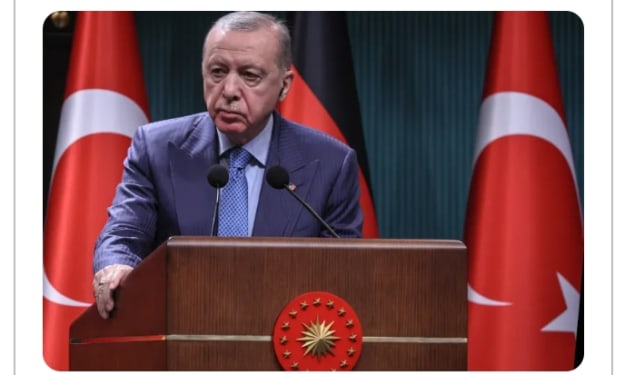
Türkiye Says It’s Ready to Play a Role in De-escalating US-Iran Tensions. AI-Generated.
A Volatile Moment in Global Politics As tensions between the United States and Iran escalate — with military posturing, diplomatic friction, and fears of broader conflict — Türkiye has stepped forward with a notable declaration: it’s ready to help reduce the risk of a wider confrontation between Washington and Tehran. Turkish President Recep Tayyip Erdoğan made this clear in a recent phone call with Iranian President Masoud Pezeshkian, emphasizing Ankara’s willingness to take on a facilitating role in easing the dispute. � trtworld.com +1 This development is significant not only because of the stakes involved in US-Iran relations but also because of Türkiye’s unique geopolitical position — a NATO member and neighbor to Iran with longstanding diplomatic influence across the Middle East. � Reuters What Türkiye Has Offered So Far During the call with Pezeshkian, Erdoğan communicated two key points: Türkiye is ready to serve as a mediator between Iran and the United States to help de-escalate tensions. � LBCIV7 Erdoğan will receive Iran’s foreign minister, Abbas Araghchi, in Ankara for further talks — a sign that diplomatic engagement is actively underway. � trtworld.com According to the Turkish Presidency’s communications, the leaders discussed the broader trajectory of Iran–Türkiye relations and the escalating regional tensions. Ankara’s stance underscores its desire to reduce hostilities rather than allow them to spiral into confrontation. � anews.com.tr Why Türkiye Wants to Mediate Türkiye’s readiness to step into the fray reflects several strategic and regional motivations: 1. Geopolitical Proximity and Risk Management Türkiye shares a long land border with Iran, making it highly sensitive to instability next door. Conflict in Iran could: Trigger refugee flows into Turkey Increase border security challenges Disrupt trade and energy transit Fuel regional instability For Ankara, promoting dialogue is also about protecting its own national security and economic interests. � caspianpost.com 2. Balancing Relations with Washington and Tehran Türkiye’s foreign policy under Erdoğan has often tried to strike a delicate balance between its NATO commitments (including ties with the US) and its partnerships in the Middle East, including with Iran. By positioning itself as a facilitator, Ankara is signaling diplomatic relevance to both sides — without fully aligning with any one power. This is a particularly nuanced diplomatic stance in a moment of rising US-Iran tensions that have drawn global attention. � Hürriyet Daily News 3. A Regional Power Broker Role In recent years, Turkey has increasingly portrayed itself as a regional power broker — engaging in conflict mediation and peace promotion across the Middle East, from Libya to Syria to the Gaza conflict. An offer to mediate US-Iran tensions is consistent with Ankara’s broader efforts to be seen as a stabilizing force rather than a passive observer. � Anadolu Ajansı Iran’s Response and Broader Diplomatic Movements Iran has not rejected the idea of mediation outright; instead, it has indicated a desire for diplomatic dialogue that recognizes its position and avoids humiliation. Iranian President Pezeshkian has said that progress with the United States hinges on an end to hostile behavior — including Washington’s military buildup in the Gulf. � Daily Sabah Iran’s foreign minister, Abbas Araghchi, is currently in Türkiye for talks with Turkish officials — another sign that diplomacy remains a priority amid rising regional tension. � Reuters Regional powers including Qatar, Oman, the UAE, and Pakistan are also reportedly engaged in last-ditch efforts to avert conflict, suggesting a broader coalition of states interested in preventing escalation. � Financial Times Why Mediation Matters Now The window for peaceful negotiation is narrow. Escalatory rhetoric from Washington — including warnings of potential military action — has heightened fears of conflict, while Tehran has simultaneously displayed military posturing and defensive messaging. � Al Jazeera In this volatile environment: Diplomatic facilitation offers a way to cool tensions Open channels reduce the risk of miscalculation Third-party mediation can build trust where direct talks are stalled Türkiye’s offer is not a guaranteed solution, but it does create a diplomatic opening at a moment when direct US-Iran messaging has been strained. Why the World Is Watching This potential mediation initiative is significant because it highlights how regional players are stepping into roles traditionally occupied by global powers. It also suggests that: The Middle East is not solely shaped by US-Iran dynamics Regional states have their own stakes in preventing conflict Diplomacy remains possible even in moments of rising rhetoric Whether Türkiye’s efforts succeed will depend on multiple factors: openness from both Washington and Tehran, alignment of incentives, and the willingness of other international actors to support (or at least not obstruct) a process of de-escalation. Conclusion: A Chance for Dialogue Amid Rising Tension In a moment where geopolitical rhetoric is heating up and military options are still being discussed, Türkiye’s renewed offer to play a facilitating role between the United States and Iran represents a noteworthy attempt at diplomacy. Ankara’s action underscores a broader truth: in times of crisis, regional voices often have the most to gain from dialogue and the most to lose from conflict. Whether this initiative blossoms into substantive negotiation — or fades into stalled diplomacy — remains to be seen. But for now, Türkiye has placed itself at the center of a critical geopolitical conversation that could shape the future of US-Iran relations and regional stability.
By Zahid Hussain3 days ago in The Swamp
The Meaning of Xi’s Military Purge. AI-Generated.
A Purge That Speaks Without Words When Chinese President Xi Jinping removes senior military officials, the world often hears only fragments of the story: corruption allegations, disciplinary violations, or vague accusations of disloyalty. But in China’s political system, a military purge is never just about misconduct. It is a language of power—spoken quietly, interpreted carefully, and felt deeply within the ranks of the People’s Liberation Army (PLA). Xi’s recent military purges are not isolated incidents. They are signals. They reveal how China’s leadership views loyalty, control, and the future of its armed forces in an increasingly unstable global environment. Why the Military Matters So Much to Xi Jinping In China, the military does not serve the state—it serves the Communist Party. This distinction is crucial. Xi Jinping has repeatedly emphasized that “the Party commands the gun.” For him, the PLA is not just a defense institution but the ultimate guarantor of regime survival. Historically, Chinese leaders who lost control of the military lost power altogether. Xi understands this lesson deeply, which is why he has invested more time and political capital into military restructuring than any Chinese leader since Mao Zedong. Corruption or Control? The Official Narrative vs. Reality Officially, military purges are framed as part of China’s anti-corruption campaign. Bribery, influence peddling, and misuse of authority are cited as reasons for dismissals. But corruption in the PLA did not suddenly emerge. What has changed is Xi’s tolerance for independent power centers. Many purged officials were not merely corrupt; they were: Loyal to previous factions Embedded in old patronage networks Associated with rapid military modernization projects In this context, corruption charges function as a politically acceptable tool—a clean justification for removing figures who may challenge centralized authority. Loyalty Over Experience: A Strategic Trade-Off One of the most striking aspects of Xi’s military purge is who replaces the removed officers. Promotions increasingly favor: Personal loyalty to Xi Ideological alignment Political reliability This raises a critical question: Does loyalty come at the expense of competence? Some analysts argue that prioritizing political trust may weaken operational effectiveness. Others believe Xi is intentionally reshaping the military into a force that will never question civilian—and specifically, personal—authority. In Xi’s worldview, an obedient military is safer than a brilliant but autonomous one. The Shadow of History: Lessons from the Soviet Collapse Xi Jinping frequently references the collapse of the Soviet Union as a warning. In his view, the Soviet Communist Party fell not because of economic failure alone, but because: The military lost ideological discipline Party control eroded Loyalty fractured Xi’s military purges can be read as preventive medicine—an effort to eliminate the conditions that allowed the Soviet system to unravel. From this perspective, purges are not signs of weakness but acts of preemptive consolidation. Modernization Under Pressure China is in the middle of one of the largest military modernization programs in history: Advanced missile systems Expanded naval power Cyber and space warfare capabilities Purging senior leadership during such a transformation is risky. It disrupts command continuity and institutional memory. Yet Xi appears willing to accept short-term disruption for long-term control. The message to the PLA is clear: Modernize—but never independently. Fear as a Tool of Discipline Purges create uncertainty, and uncertainty creates fear. Within the PLA, fear serves a function: Officers self-censor Decision-making becomes cautious Loyalty is constantly signaled However, excessive fear can also produce paralysis. Commanders may avoid initiative, delay decisions, or focus more on political correctness than battlefield effectiveness. This tension—between discipline and dysfunction—is one of the most significant risks of Xi’s approach. What This Means for Taiwan and Global Security Many outside China ask a critical question: Do these purges make China more or less likely to act militarily, especially regarding Taiwan? There are two competing interpretations: More likely – A loyal military may execute political orders without hesitation. Less capable – A purged, cautious command structure may struggle with complex operations. Both can be true at the same time. Xi may be building a military that is politically reliable but operationally untested under stress. A Message to the World—and to China Internationally, Xi’s military purge signals resolve and centralization. Domestically, it reinforces a deeper narrative: Power flows upward, not outward Authority is personal, not institutional Loyalty outweighs legacy This is not merely a military adjustment—it is a redefinition of governance. Conclusion: Purge as Policy Xi Jinping’s military purges are not accidents, overreactions, or temporary cleanups. They are policy instruments—used to reshape the PLA into a force that mirrors his political philosophy. The true meaning of Xi’s military purge lies not in who was removed, but in what kind of military is being built: Centralized Ideologically disciplined Personally loyal Whether this strategy strengthens China or plants the seeds of future instability remains an open question. What is certain is that Xi is willing to gamble military tradition, institutional autonomy, and even short-term effectiveness in pursuit of absolute control. And in modern China, that may be the most powerful message of all.
By Zahid Hussain3 days ago in The Swamp
Trump Is Expected to Announce Kevin Warsh as Federal Reserve Chair. AI-Generated.
A Potential New Era for the Fed President Donald Trump is widely expected to announce former Federal Reserve governor Kevin Warsh as his nominee for Federal Reserve chair, a move that would replace current Chair Jerome Powell when his term ends in May 2026. � Reuters +1 The selection could have major implications for U.S. monetary policy, financial markets, and the ongoing debate over the Fed’s independence from political influence. Who Is Kevin Warsh? A Profile of the Likely Nominee Kevin Warsh is a seasoned financial policymaker with deep experience inside the Federal Reserve system: He served as a member of the Federal Reserve Board of Governors from 2006 to 2011, including throughout the global financial crisis. � Wikipedia After leaving the Fed, Warsh took on academic and advisory roles, including at Stanford University’s Hoover Institution and Graduate School of Business. � Wikipedia He also serves on boards of major corporations and advises on economic strategy. � Wikipedia Known historically as a monetary policy hawk, Warsh has in recent public commentary signaled support for lower interest rates — reflecting an alignment with Trump’s economic priorities. � euronews Why Trump Is Leaning Toward Warsh Trump has been openly critical of Jerome Powell, who he previously appointed but later rebuked for resisting aggressive cuts in interest rates. � Reuters According to multiple reports: Trump told reporters he would make his Fed chair announcement Friday morning. � finance.yahoo.com Prediction markets shifted sharply in Warsh’s favor over the past week, indicating broad expectations he will be chosen. � finance.yahoo.com Trump and Warsh met at the White House shortly before the expected announcement. � Reuters What This Choice Signals About Monetary Policy Warsh’s nomination suggests several potential priorities: 1. Interest Rates and Growth Trump has repeatedly called for lower interest rates to stimulate economic growth, arguing that the Fed has been too cautious. Warsh’s recent commentary appears more receptive to this approach than Powell’s tenure. � euronews 2. Central Bank Independence at Stake Critics argue that the nomination illustrates pressure from the executive branch on the Federal Reserve — a traditionally independent institution charged with balancing inflation and economic stability. � Reuters Any move perceived as politicizing central banking could affect confidence in U.S. monetary policy over the long term. Market Reaction So Far Global financial markets have already shown signs of sensitivity: The U.S. dollar strengthened as betting markets weighted Warsh’s prospects, reflecting expectations of either steady or less dovish monetary policy. � Reddit Treasury yields also rose, suggesting traders are adjusting expectations for future rate paths. � Reddit These shifts reflect how closely markets monitor central bank leadership decisions long before formal confirmation. Controversies and Senate Dynamics Warsh’s potential nomination arrives amid broader tension over Fed leadership: A Justice Department investigation into Powell has fueled political scrutiny over the central bank’s actions. � Reuters Some lawmakers — including Republicans — have suggested they may withhold support until ongoing inquiries are resolved. � finance.yahoo.com Senate confirmation will be required for Warsh to assume the chairmanship, and opposition could influence the timeline or outcome. The Broader Context: Economic Policy and Politics This leadership decision comes at a time of economic uncertainty and political polarization in the United States. Key factors shaping the debate include: Inflation concerns Wage stagnation pressures Trade and tariff dynamics Uncertainty in global markets A Fed chair aligned with the presidential agenda may ease political friction — but could also raise questions about the bank’s institutional autonomy. Why This Matters Beyond Washington The Federal Reserve’s chair influences: Interest rates affecting mortgages, loans, and savings Inflation expectations for households and businesses Stock and bond market stability Global confidence in the U.S. economy A change in leadership invites fresh strategies and interpretations of the Fed’s dual mandate: stabilizing prices and maximizing employment. Conclusion: A Moment of Transition As President Trump prepares to announce Kevin Warsh’s nomination as the Federal Reserve chair, the world watches a consequential decision unfold — one with ripple effects across markets, politics, and everyday economic life. Whether Warsh’s leadership will steer the Fed toward lower rates, balance independence with political pressure, or reshape central banking practices remains to be seen. But one thing is clear: the choice of Fed chair is not just about the next four years — it’s about the future direction of the U.S. economy.
By Zahid Hussain3 days ago in The Swamp