Zahid Hussain
Stories (101)
Filter by community
Iran Warns of ‘Hazardous Consequences’ After EU Designates Revolutionary Guard as a Terrorist Organization. AI-Generated.
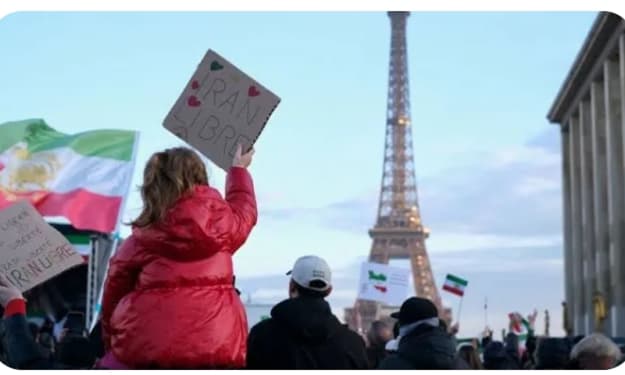
On January 29, 2026, the European Union formally designated Iran’s Islamic Revolutionary Guard Corps (IRGC) as a terrorist organization — a dramatic escalation of diplomatic pressure rooted in Iran’s suppression of domestic protests and its role in regional security dynamics. The move provoked an immediate and forceful condemnation from Tehran, which warned of “hazardous consequences” that could reverberate across European capitals and potentially destabilize broader regional relations. � Reuters +1 What the EU Decision Entails In a rare consensus among the EU’s 27 member states, foreign ministers in Brussels approved the terrorist designation of the IRGC — placing it alongside groups such as al-Qaeda, Hamas, and ISIL in terms of legal categorization. � The Guardian EU officials, including EU foreign policy chief Kaja Kallas, framed the decision as a response to human rights abuses — specifically the IRGC’s role in violently suppressing widespread protests in Iran, which authorities and human rights groups say resulted in thousands of deaths. “Repression cannot go unanswered,” Kallas wrote on social media, arguing that actors who engage in systematic brutality must face consequences. � News-Press NOW The designation also triggered sanctions: asset freezes on individuals and entities travel bans within the EU criminalization of material support or collaboration with the IRGC under EU law While largely symbolic in terms of direct economic impact, it intensifies legal and political pressure and aligns the EU with similar classifications by the United States, Canada, and Australia. � The Guardian +1 Iran’s Immediate Response: ‘Hazardous Consequences’ Iran’s reaction was swift and vehement. In statements carried by state media, including the Islamic Republic News Agency (IRNA), senior Iranian military authorities denounced the EU’s decision as “illogical, irresponsible, and spiteful,” accusing European leaders of acting under pressure from the United States and Israel rather than on objective grounds. They warned that the “hazardous consequences of this hostile and provocative decision will fall directly on the European policymakers.” � News-Press NOW Iranian Foreign Minister Abbas Araghchi echoed these sentiments on social media, calling the move a “major strategic mistake” that escalates tensions in the Middle East and undermines diplomatic engagement. He argued that European governments were “fanning the flames” rather than working to avert regional conflict and suggested that any future instability — including spikes in global energy prices — would be linked to this decision. � News Channel 3-12 Why the IRGC’s Designation Matters 1. A Shift in European Policy For years, major EU countries were divided on labeling the IRGC as a terrorist organization. Some governments feared such a move would sever diplomatic channels and undermine negotiations on other critical issues. That this designation was ultimately approved signals a major shift in EU attitudes toward Iran’s domestic repression and regional behavior. � Reuters 2. Human Rights as a Catalyst The crackdown on anti-government protests in Iran — triggered by economic grievances and rapidly expanding into broader calls for political change — has drawn unprecedented international condemnation. Rights groups have claimed death tolls far exceeding official figures, arguing that security forces, including the IRGC, have been disproportionately lethal. � www.ndtv.com 3. Legal and Diplomatic Implications While the designation may not immediately change on-the-ground dynamics within Iran, it empowers EU law enforcement and financial regulators to act against IRGC affiliates. It also creates a deeper rift in EU-Iran relations, complicating any future efforts at diplomacy. � Auswärtiges Amt Tehran’s Warning: What ‘Hazardous Consequences’ Could Mean Iran’s rhetoric has hinted at several possible areas of fallout: Political and diplomatic strain: Tehran may reduce cooperation with European states on nuclear discussions, regional diplomacy, or prisoner negotiations. � News-Press NOW Energy market implications: Iran suggested that conflict escalation could affect energy prices, a sensitive issue for European economies heavily dependent on global supplies. � News Channel 3-12 Heightened military posturing: While Iran has not clarified specific countermeasures, previous escalations have included military exercises and public shows of force — moves that risk miscalculation. � Gulf Today Analysts caution that unspecified “hazardous consequences” may ultimately be rhetorical signaling rather than concrete threats — but in a region already fraught with tensions involving the U.S., Israel, Saudi Arabia, and other actors, even ambiguous warnings can fuel uncertainty. Broader Geopolitical Context The EU’s designation does not occur in isolation. It follows a pattern of Western powers aligning their posture toward Tehran: The U.S. has listed the IRGC as a terrorist group since 2019. Canada and Australia followed with similar designations. The EU’s move is the most significant by a major multilateral bloc. � News-Press NOW At the same time, pressures over Iran’s nuclear program, regional influence, and proxy conflicts continue to shape international engagement. The Biden administration, Trump administration, and other global leaders have varied approaches — but consensus on adding the IRGC to a terrorist list reflects shared concern over both human rights abuses and regional stability. Can Diplomacy Still Work? Despite the sharp rhetoric, some officials — including those within Europe and the United Nations — emphasize the need for diplomatic channels to remain open. Without dialogue, tensions risk spiraling into unintended confrontations with broader consequences for global security. UN Secretary-General António Guterres urged restraint and diplomacy to “avoid a crisis that could have devastating consequences in the region,” emphasizing that escalatory moves on both sides could undercut efforts toward negotiated solutions. � The Guardian Conclusion: A Dangerous Turning Point The European Union’s terrorist designation of the IRGC marks a significant escalation in Western policy toward Iran, grounded in human rights concerns and broader geopolitical contestation. Iran’s warnings of “hazardous consequences” underscore how deeply this decision has aggravated Tehran and could influence diplomatic, economic, and security dynamics in the months ahead. Whether this leads to tangible retaliation or remains largely rhetorical, the episode highlights the fragility of international efforts to balance accountability, negotiation, and stability in an already complex Middle East landscape.
By Zahid Hussain3 days ago in The Swamp
Dr. Oz in Los Angeles: A Political Hunt for Fraud or a Dangerous Narrative?. AI-Generated.
When Dr. Mehmet Oz traveled to Los Angeles claiming he was “seeking fraud,” he likely expected attention. What he may not have expected was the fierce response from California Governor Gavin Newsom, who dismissed Oz’s assertions as “baseless and racist allegations.” The clash quickly escalated beyond a routine political disagreement. It exposed a deeper national conflict—one where public health, race, political ambition, and misinformation collide in an era already saturated with distrust. This is not just about Dr. Oz or Gavin Newsom. It’s about how narratives are built, who they target, and why they resonate. From Television Doctor to Political Provocateur Dr. Oz is no stranger to controversy. Once celebrated as a heart surgeon and trusted television health expert, Oz’s transition into politics has been anything but smooth. Critics argue that his recent actions reflect a shift from evidence-based medicine to headline-driven politics. His visit to Los Angeles—framed as an investigation into alleged fraud—was presented without publicly verifiable data, formal audits, or coordination with local authorities. Instead, it relied on broad claims, selective anecdotes, and emotionally charged language. That approach raised immediate red flags. Why Los Angeles Became the Target Los Angeles has long been a symbolic battleground in American politics. To supporters of conservative populism, it represents government overreach, immigration failure, and urban decay. To its defenders, it is a diverse, complex metropolis grappling with challenges common to major global cities. By choosing L.A., Oz wasn’t just picking a location—he was tapping into a pre-existing narrative. One that resonates with audiences already primed to believe that fraud, corruption, and chaos define certain communities. Newsom’s Sharp Rebuttal Governor Gavin Newsom wasted no time responding. Calling Oz’s claims “baseless”, Newsom emphasized the absence of credible evidence. But it was his use of the word “racist” that transformed the dispute into a national conversation. According to Newsom, Oz’s rhetoric echoed a familiar pattern: Allegations that disproportionately frame minority-heavy cities as inherently corrupt, without substantiation. This, Newsom argued, isn’t accountability—it’s scapegoating. When Allegations Become a Political Weapon Fraud is a serious accusation. When proven, it demands consequences. But when fraud claims are made without evidence, they risk becoming something else entirely: a political weapon designed to inflame fear rather than uncover truth. History shows that vague allegations often serve three purposes: Energizing a political base Delegitimizing institutions Distracting from policy substance Critics argue that Oz’s actions fit this pattern precisely. The Racial Undertones of “Urban Fraud” Narratives The word “racist” in political discourse is powerful—and often controversial. But scholars and civil rights advocates point out that claims of widespread fraud in cities like Los Angeles, Chicago, or Atlanta have historically been linked to racialized assumptions. The implication is subtle but damaging: That diversity equals dysfunction. That immigrant-heavy communities are less trustworthy. That urban poverty is evidence of moral failure. Newsom’s response suggests that Oz’s visit wasn’t just about fraud—it was about reinforcing these narratives. Evidence Matters More Than Optics One of the most troubling aspects of this episode is the lack of transparency. No documented findings. No independent verification. No collaboration with investigative bodies. In an age of viral clips and social media outrage, optics often replace substance. A camera crew can create the illusion of investigation without producing facts. That’s dangerous—especially when trust in institutions is already fragile. Public Health, Politics, and Lost Credibility Dr. Oz’s background makes this situation even more complex. As a physician, he once represented scientific authority. That authority carries ethical weight. When medical professionals enter politics, their words carry added credibility—whether deserved or not. Critics argue that making unsupported allegations risks eroding public trust not only in politics, but in science and medicine as well. Once credibility is lost, it’s nearly impossible to regain. A Symptom of a Larger Crisis This controversy reflects something larger than two men arguing. It highlights: The weaponization of misinformation The collapse of evidence-based discourse The rise of performative politics The deep racial fault lines in American narratives When accusations replace investigations, democracy suffers. Conclusion: Accountability Requires Proof, Not Provocation If fraud exists, it must be exposed—with facts, data, and due process. But accusations without evidence don’t strengthen democracy. They weaken it. Governor Newsom’s harsh response underscores a growing frustration with political theatrics masquerading as accountability. Whether one agrees with him or not, the message is clear: Truth requires proof. Justice requires fairness. And leadership requires responsibility. Anything less is just noise.
By Zahid Hussain3 days ago in The Swamp
The Secret Sauce in Heated Rivalry? Canada. AI-Generated.
In the crowded world of sports romance, very few stories manage to feel authentic, emotionally sharp, and culturally grounded all at once. Yet Heated Rivalry—a novel that has quietly become a phenomenon—does exactly that. While readers often praise its enemies-to-lovers tension, sharp dialogue, and unforgettable chemistry, there’s a subtler ingredient powering its success. That secret sauce is Canada. Not just as a setting, but as a sensibility. Canada’s hockey culture, emotional restraint, values of humility, and quiet intensity seep into the bones of Heated Rivalry, shaping its characters, pacing, and emotional payoff in ways that feel real rather than performative. Strip Canada away, and the story loses much of what makes it resonate so deeply. This is not just a romance set around hockey. It is a love story grown out of hockey culture—specifically, Canadian hockey culture. Hockey Isn’t a Sport in Canada—It’s an Identity To understand Heated Rivalry, you must first understand what hockey means in Canada. In many countries, sports are entertainment. In Canada, hockey is inheritance. It’s learned before walking, absorbed before language, and internalized as a code of behavior. Canadian hockey culture emphasizes discipline, endurance, and teamwork over flashiness. Emotions are controlled. Pain is endured quietly. Bragging is frowned upon. This cultural framework defines the emotional rhythm of Heated Rivalry. The characters don’t explode into dramatic confessions every chapter. Instead, their feelings simmer—pressed down by professionalism, rivalry, and unspoken rules. Desire isn’t just romantic; it’s something that threatens careers, reputations, and identities forged on frozen rinks. That slow burn isn’t accidental. It’s Canadian. Rivalry as a Love Language In Heated Rivalry, competition isn’t just external—it’s intimate. Canadian hockey culture trains players to measure themselves constantly: against teammates, opponents, expectations, and legacy. Winning isn’t only about trophies; it’s about proving worth. That mindset transforms rivalry into something deeply personal. The protagonists aren’t merely trying to beat each other on the ice. They’re challenging each other’s self-concepts. Every game, every clash, every stolen glance becomes a way of saying: “See me. Match me. Don’t let me disappear.” In many romances, rivalry is a plot device. Here, it’s emotional grammar. Emotional Restraint: The Canadian Way of Loving One of the most striking elements of Heated Rivalry is how long it takes for emotions to surface openly. This is where Canada’s cultural DNA shines. Canadian masculinity—especially in professional hockey—often values stoicism. Feelings are managed privately. Vulnerability is rationed. Love, when it appears, is shown through consistency rather than declarations. This makes every emotional breakthrough in Heated Rivalry land harder. A small gesture carries weight. A pause in dialogue becomes deafening. A single honest sentence feels monumental. Readers don’t fall in love with dramatic speeches; they fall in love with the accumulated restraint finally cracking. Canada as a Moral Compass Canada’s influence isn’t only emotional—it’s ethical. The story reflects Canadian ideals of fairness, respect, and quiet accountability. Characters make mistakes, but they’re rarely cruel without consequence. Power dynamics are acknowledged rather than ignored. Growth is slow, earned, and uncomfortable. Even fame is treated differently. In many sports narratives, stardom is glamorous. In Heated Rivalry, success is heavy. It isolates. It complicates relationships. It demands sacrifice. This grounded approach mirrors how Canadian sports culture often frames excellence: Not as entitlement—but as responsibility. The Cold That Sharpens Desire Canada’s climate plays an unspoken role in the story’s emotional intensity. Cold environments create intimacy through proximity. Winter compresses space. People huddle. Silences stretch longer. Touch becomes more meaningful because it’s scarce. Heated Rivalry thrives in that atmosphere. Desire feels sharper because it’s restrained. Loneliness feels deeper because it’s quiet. Connection feels precious because it’s rare. The cold doesn’t numb the story—it concentrates it. Why This Story Feels Different Readers often say Heated Rivalry feels “real” in a way many romances don’t. That realism isn’t just about sports accuracy or believable dialogue. It comes from cultural alignment. The emotional logic of the story matches the world it inhabits. The characters behave the way people raised in that system would actually behave. Nothing feels exaggerated for shock value. Nothing is rushed for convenience. Canada doesn’t just host the story. It disciplines it. The Universal Appeal of a Canadian Story Ironically, what makes Heated Rivalry so Canadian is also what makes it universal. Restraint. Yearning. Slow, earned vulnerability. Love expressed through action rather than words. These are experiences that transcend borders. Readers from everywhere recognize themselves in the silences, the almost-confessions, the moments where love is obvious to everyone except the people feeling it. Canada provides the structure—but the emotions belong to us all. Conclusion: Canada Is the Quiet Flame If Heated Rivalry were louder, flashier, or more dramatic, it might have blended into the crowd. Instead, it chose a different path—one shaped by Canadian values of patience, discipline, and emotional depth. That choice is its greatest strength. Canada is the quiet flame beneath the story. Not always visible. Never shouting. But absolutely essential. And that is the real secret sauce.
By Zahid Hussain3 days ago in The Swamp
Trump Sues IRS and Treasury for $10 Billion Over Leaked Tax Information. AI-Generated.
When news broke that former U.S. President Donald J. Trump had filed a $10 billion lawsuit against the Internal Revenue Service (IRS) and the U.S. Treasury Department, it instantly sent shockwaves through political, legal, and financial circles. The case centers on allegedly leaked tax information, a claim that reignites long-standing debates about privacy, political power, and government responsibility. This lawsuit is not just about money. It is about trust, confidentiality, and the boundaries of federal authority in an era where information is more powerful—and more vulnerable—than ever before. The Core of the Lawsuit: What Is Trump Claiming? At the heart of the case is the accusation that Trump’s confidential tax records were unlawfully disclosed by federal agencies or individuals connected to them. U.S. tax law is extremely strict when it comes to privacy. Under federal statutes, tax return information is among the most protected personal data in the country. Unauthorized disclosure can result in criminal penalties, civil damages, and career-ending consequences for government employees. Trump’s lawsuit alleges that: His tax information was accessed or shared without proper authorization Federal agencies failed to protect sensitive data The disclosure caused reputational, political, and financial harm The demand for $10 billion in damages reflects not only alleged losses but also punitive intent—meant to send a message. Why Tax Information Is So Sensitive Tax returns reveal far more than income. They can expose: Business relationships Investment strategies Debt structures Personal addresses and identifiers For public figures, especially politicians, leaked tax data can be weaponized—used to shape public narratives, influence elections, or damage credibility. That is why the IRS operates under some of the strictest confidentiality laws in the federal system. The Political Context Behind the Case Donald Trump’s taxes have been a source of controversy for years, even before his presidency. Unlike many modern presidents, Trump resisted public disclosure of his tax returns, citing ongoing audits. Over time, various legal and congressional efforts sought access to these records, arguing public interest. Supporters framed transparency as essential to democracy. Critics saw it as politically motivated targeting. This lawsuit brings that long-running conflict into a new phase—one where the government itself is the defendant. IRS and Treasury: A Rare Legal Position It is highly unusual for a former president to sue the IRS and Treasury at this scale. If the claims proceed in court, the government may have to: Explain how access to the tax data was managed Identify who viewed or handled the records Prove that safeguards were followed Even if the lawsuit does not succeed in full, discovery alone could expose uncomfortable truths about internal data controls. Legal Experts Weigh In: A Difficult but Serious Case Legal analysts are divided. Some argue that: Proving intentional wrongdoing will be extremely difficult Government agencies have broad legal protections Others counter that: Tax privacy laws are explicit and unforgiving Even negligence can trigger liability Precedent exists for damages in unauthorized disclosures What makes this case unique is not just who filed it—but the scale and symbolism of the claim. The $10 Billion Question: Why So Much? The staggering figure has sparked skepticism, but it serves multiple purposes: Punitive pressure – to deter future leaks Public signal – that privacy violations have consequences Negotiation leverage – high initial demands often lead to settlements In high-profile litigation, the number itself becomes part of the narrative. Implications for Government Data Security Regardless of political views, this case highlights a critical issue: Can the government truly protect the data it demands from citizens? If a former president’s tax information can allegedly be leaked, what about: Ordinary citizens? Small business owners? Political opponents? The outcome could force federal agencies to: Strengthen internal controls Increase oversight Reevaluate employee access privileges A Broader Debate: Privacy vs. Public Interest This lawsuit also reopens a philosophical question: Where does public interest end and personal privacy begin? Supporters of transparency argue that leaders should be held to higher standards. Privacy advocates warn that once confidentiality is broken for one group, it becomes easier to break it for all. The court’s handling of this case may shape how that balance is struck in the future. What Happens Next? The legal road ahead will likely include: Motions to dismiss Jurisdictional challenges Possible settlements Or prolonged litigation stretching for years Given Trump’s history of aggressive legal strategy, this case is unlikely to disappear quietly. Final Thoughts: More Than Just a Lawsuit This is not merely a legal fight between a former president and federal agencies. It is a test case for.
By Zahid Hussain3 days ago in The Swamp
Senate Reaches Deal Ahead of Shutdown Deadline to Fund Government, Continue ICE Talks. AI-Generated.
A Government on the Brink — Until Now As the clock ticked toward another federal shutdown, the U.S. Senate managed to strike a deal that averts immediate catastrophe — narrowly sidestepping the looming crisis that would have paused funding for key government operations.
By Zahid Hussain3 days ago in The Swamp
A Scientist Says Humans Will Reach the Singularity Within 19 Years. AI-Generated.
The Countdown Has Begun For centuries, humanity has measured progress in generations. Empires rose and fell, technologies evolved slowly, and knowledge passed from one lifetime to the next. But today, history is accelerating—and according to some scientists and futurists, we are approaching a moment unlike anything before it. A growing number of researchers now believe that humanity may reach the technological singularity within the next 19 years. This is not science fiction. It is a serious prediction grounded in exponential growth curves, artificial intelligence breakthroughs, and the rapid convergence of computing power, neuroscience, and biotechnology. If this prediction proves accurate, the world as we know it will not merely change—it will transform beyond recognition. What Is the Technological Singularity? The term technological singularity refers to a hypothetical point in time when artificial intelligence surpasses human intelligence and becomes capable of improving itself without human intervention. Once that threshold is crossed: Machines may design smarter machines Progress could accelerate beyond human comprehension Traditional concepts of work, creativity, and even consciousness may collapse The word “singularity” is borrowed from physics, describing a point where existing models break down—such as the center of a black hole. Similarly, the technological singularity represents a future so radically different that our current frameworks may no longer apply. Why Scientists Are Taking This Prediction Seriously In the past, predictions about superintelligent machines were dismissed as fantasy. Today, the tone has changed. Several trends are driving this shift: 1. Exponential Growth of Computing Power Moore’s Law may be slowing at the transistor level, but overall computational capability continues to explode through parallel processing, specialized AI chips, and cloud infrastructure. 2. Breakthroughs in Artificial Intelligence AI systems can now: Write code Diagnose diseases Create art and music Engage in complex reasoning These abilities were considered impossible just a decade ago. 3. Self-Improving Systems Machine learning models are increasingly used to optimize other machine learning models. This recursive improvement is a key ingredient for a future intelligence explosion. Why 19 Years? The Timeline Explained The “19 years” estimate is not arbitrary. It emerges from trend analysis rather than a fixed prophecy. Scientists observe that: AI capability is doubling faster than expected Training costs are dropping Data availability is exploding If current trajectories hold, artificial general intelligence (AGI)—machines that can think across domains like humans—could arrive within two decades. From there, the leap to superintelligence may take only months or years. Artificial Intelligence vs Human Intelligence Human intelligence evolved under biological constraints: Slow learning Limited memory Physical vulnerability Machines face none of these limitations. AI can: Copy itself instantly Learn continuously Operate 24/7 Scale across millions of systems Once AI reaches human-level reasoning, it may surpass us not gradually—but suddenly. The Economic Shockwave One of the earliest impacts of singularity-level AI will be economic disruption. Jobs at Risk: Data analysis Customer service Legal research Medical diagnostics Creative industries This does not mean human labor becomes useless—but it does mean the nature of work will fundamentally change. Some experts predict: Universal basic income Shorter workweeks Entirely new economic models Others warn of unprecedented inequality if power concentrates in the hands of those who control advanced AI. The Psychological Impact on Humanity Beyond economics lies a deeper question: What happens to human identity when machines outperform us at thinking? For centuries, intelligence defined human superiority. When machines exceed us: Will people feel obsolete? Will meaning need to be redefined? Will creativity still matter? Some philosophers argue that humanity’s role may shift from “problem solver” to “meaning maker.” The Ethics of Superintelligence The singularity is not just a technical problem—it is a moral one. Key ethical concerns include: Who controls AI? How are its goals aligned with human values? What happens if objectives conflict? A superintelligent system optimized incorrectly could cause catastrophic harm—not out of malice, but indifference. This is why AI alignment research has become one of the most urgent scientific fields today. Will AI Replace or Merge With Humans? There are two dominant visions of the future: 1. Replacement Scenario AI surpasses humans, making biological intelligence irrelevant. 2. Integration Scenario Humans merge with technology through: Brain-computer interfaces Neural implants Cognitive enhancement In this future, the singularity is not an endpoint—but a transition into a hybrid species. The Role of Consciousness One unanswered question looms above all others: Can machines become conscious? Intelligence does not automatically imply awareness. A system may reason brilliantly without subjective experience. If AI becomes conscious: Moral status becomes unavoidable Rights may need reconsideration The definition of “life” expands This debate is no longer philosophical—it is approaching practical relevance. Global Power and Geopolitical Risk Nations understand the stakes. AI supremacy may determine: Military dominance Economic leadership Cultural influence This has triggered a global race for AI development, increasing the risk of reckless deployment. Without international cooperation, the singularity could arrive in chaos rather than coordination. Could the Prediction Be Wrong? Yes. Forecasting the future is notoriously difficult. Potential limiting factors include: Energy constraints Regulatory intervention Unexpected technical bottlenecks Societal resistance However, even conservative estimates agree: AI will profoundly reshape civilization within our lifetime. Preparing for a Post-Singularity World Whether the singularity arrives in 19 years or 50, preparation matters. Key steps include: Education reform focused on adaptability Ethical AI governance Psychological resilience training Redefining success beyond productivity The future will favor those who understand systems, values, and humanity—not just code. The Human Question At its core, the singularity forces us to confront a timeless question: What does it mean to be human? When intelligence is no longer unique to us, we may rediscover: Empathy Wisdom Purpose Moral responsibility Technology may accelerate evolution—but meaning remains a human choice. Conclusion: Standing at the Edge of History If a scientist is right—and humanity reaches the singularity within 19 years—then we are living in the final chapter of a familiar world. This is not a story of doom or salvation. It is a story of transformation. The singularity will not ask for permission. It will not wait for consensus. It will arrive shaped by the choices we make today. Whether it becomes humanity’s greatest triumph or its most profound test depends not on machines—but on us.
By Zahid Hussain3 days ago in 01
Deadlines Aren’t to Be Trifled With. AI-Generated.
The Invisible Line Between Success and Excuses Deadlines are not suggestions. They are not flexible promises. And they are certainly not optional. In a world that moves faster every day, deadlines have become the invisible line separating those who build careers from those who explain why they couldn’t. While talent, creativity, and intelligence matter, they mean very little if they are not delivered on time. Deadlines are not about pressure. They are about trust. Miss one, and you don’t just delay a task—you weaken your credibility. Why Deadlines Exist (And Why They Matter More Than Ever) Deadlines exist because time is the one resource no one can recover. Money can be earned again. Opportunities can return. Energy can be restored. But time? Once gone, it is gone forever. Deadlines create structure in chaos. They allow collaboration to function, projects to move forward, and systems to stay reliable. In modern workplaces, remote environments, creative industries, and digital platforms like Vocal Media, deadlines are the backbone of professionalism. Without deadlines, progress collapses into intention. Deadlines Are a Measure of Character Meeting deadlines is not just about organization—it’s about integrity. When you commit to a deadline, you are making a promise. Not just to a manager, a client, or an editor—but to yourself. People who consistently meet deadlines demonstrate: Discipline Reliability Respect for others’ time Emotional maturity Those who constantly miss them often reveal: Poor planning Procrastination Lack of accountability Overconfidence without execution Talent without discipline is noise. The Myth of “I Work Better Under Pressure” Many people romanticize last-minute work. They claim pressure fuels creativity, urgency sharpens focus, and chaos brings brilliance. This is mostly a lie we tell ourselves to justify procrastination. While short bursts of pressure can spark energy, living deadline-to-deadline creates: Burnout Inconsistent quality Missed details Chronic stress True professionals don’t rely on panic. They rely on preparation. Deadlines and the Psychology of Respect Missing a deadline communicates something very specific—even if you don’t mean it to. It says: “My time matters more than yours.” This is why missed deadlines frustrate teams, clients, and editors more than mistakes. Errors can be corrected. Delays disrupt everyone else’s plans. When you respect deadlines, you show respect for: The workflow The people involved The process Deadlines are social contracts. Why Successful People Take Deadlines Personally High performers don’t see deadlines as external pressure. They internalize them. For them: A deadline is a target A commitment is a promise A delay is a personal failure This mindset is not about perfection—it’s about pride in execution. They understand a simple truth: Consistency beats intensity. The Cost of Ignoring Deadlines Missing deadlines doesn’t always bring immediate consequences. That’s what makes it dangerous. At first: People forgive Extensions are granted Explanations are accepted But slowly: Trust erodes Opportunities shrink Your name stops being mentioned You are not fired in one moment. You are forgotten over time. Deadlines in the Creative World: Freedom With Responsibility Creativity often rebels against structure. Artists, writers, and thinkers fear deadlines will suffocate inspiration. In reality, deadlines do the opposite. They: Force clarity Prevent endless overthinking Turn ideas into finished work A creative idea that never ships is not art—it’s potential. Platforms like Vocal Media thrive on creators who can balance imagination with discipline. Inspiration may be unpredictable, but publishing must be reliable. Why “Almost Done” Is Not Done One of the most dangerous phrases in professional life is: “It’s almost finished.” Almost finished still misses the deadline. Deadlines don’t care about effort—they care about results. This doesn’t mean quality should be sacrificed, but it does mean perfectionism must be controlled. Progress beats paralysis. The Hidden Power of Early Delivery Meeting a deadline is good. Beating it is powerful. Early delivery: Builds reputation Creates breathing room Allows revisions Signals excellence People remember those who make their lives easier. Deadlines and Self-Discipline Self-discipline is not about motivation. Motivation fades. Discipline remains. Meeting deadlines consistently requires: Planning backward Breaking tasks into stages Eliminating distractions Saying no when necessary Discipline is a muscle. The more you use it, the stronger it becomes. Why Excuses Don’t Age Well Everyone has reasons. Not everyone has results. Excuses may work once. Maybe twice. Eventually, they define you. The professional world is harsh in one way: It remembers patterns, not intentions. Deadlines in the Age of Digital Speed Technology has shortened attention spans and increased expectations. Responses are expected faster. Workflows move quicker. Deadlines shrink. This isn’t fair—but it is real. Those who adapt thrive. Those who resist complain. Time literacy is the new intelligence. How to Build a Deadline-Proof System To never fear deadlines again: Plan early – Start before you feel ready Break work into chunks – Small wins reduce overwhelm Set personal deadlines earlier than required Track time honestly – Guessing leads to delays Protect focus – Multitasking kills momentum Deadlines aren’t beaten by talent—they’re beaten by systems. The Emotional Side of Deadlines Deadlines also test emotional regulation. Stress, anxiety, and fear often cause delays more than laziness. Learning to work through discomfort is a skill. Professionals don’t wait to feel good to work. They work, and feeling good follows. Deadlines and Reputation: Your Silent Resume Your resume tells people what you can do. Your deadline history tells them whether they should trust you. In many careers, reputation matters more than credentials. People hire, promote, and recommend those who deliver. Why Deadlines Shape Identity Over time, how you handle deadlines becomes part of who you are. You become: “Reliable” “Difficult” “Always late” “Solid under pressure” These labels stick longer than you think. The Final Truth About Deadlines Deadlines are not enemies. They are mirrors. They show you: How you manage yourself How you value others How serious you are about your goals Respecting deadlines is not about obedience. It’s about ownership. Conclusion: Time Is Watching The world does not pause. Opportunities do not wait. Deadlines do not negotiate. You either meet them—or you explain why you didn’t. And over time, explanations lose value. Respect time, and time will reward you. Ignore it, and it will move on—without you.
By Zahid Hussain3 days ago in The Swamp
Cassidy’s Walkabout: When Losing Your Way Becomes the Only Way to Find Yourself. AI-Generated.
Cassidy didn’t plan the walkabout. There was no dramatic goodbye, no slammed door, no poetic last message left behind. It started as a normal morning—coffee half-finished, phone buzzing with notifications she didn’t want to answer, and a mirror reflection she barely recognized. Somewhere between obligation and exhaustion, Cassidy made a decision so quiet it almost didn’t feel like one at all. She walked away. Not from a place, not from a person—but from a version of life that felt loud, heavy, and wrong. This is Cassidy’s walkabout—and maybe, in some strange way, it’s yours too. What Is a Walkabout, Really? Traditionally, a walkabout refers to an Australian Aboriginal rite of passage—a journey into the wilderness, meant to discover identity, purpose, and belonging. But Cassidy’s walkabout wasn’t mapped on land. It was internal. A walk away from: Expectations she never agreed to Dreams she inherited but never chose A version of success that left her empty Cassidy’s walkabout was not about distance. It was about disconnection—from noise, pressure, and the constant demand to perform. The Quiet Burnout No One Talks About Cassidy looked “fine” from the outside. She had: A stable job A functioning social life A calendar full of plans But inside, she was burning out in silence. This is the most dangerous kind of burnout—the one that doesn’t collapse you all at once. It erodes you slowly, politely, invisibly. She wasn’t tired of working. She was tired of pretending. Pretending she cared about meetings that meant nothing. Pretending she knew where her life was going. Pretending she wasn’t deeply, profoundly lost. Why Walking Away Feels Like Failure (But Isn’t) Society teaches us that quitting is weakness. If you leave a job, you “couldn’t handle it.” If you leave a relationship, you “gave up too easily.” If you take a break, you’re “falling behind.” Cassidy believed this too—until the day she realized something terrifying: Staying was costing her more than leaving ever could. Walking away didn’t mean she failed. It meant she finally listened. The First Days of the Walkabout: Silence Is Loud The early days were uncomfortable. No schedules. No deadlines. No clear identity. Without constant noise, Cassidy was forced to sit with herself—and that’s harder than it sounds. Silence asked questions she had been avoiding: Who am I when I’m not productive? What do I want when no one is watching? Why am I afraid of slowing down? At first, the silence screamed. Then, slowly, it started to speak. When You Stop Performing, You Start Feeling Cassidy noticed something strange. Without the pressure to impress, she began to feel again. Small things mattered: The way sunlight hit the floor The weight of a book in her hands The relief of saying “no” without guilt For years, she had lived as a performance—measured by output, approval, and constant motion. The walkabout stripped all that away. What remained was raw, unfinished, and honest. Loneliness on the Road Inward Let’s be honest—Cassidy’s walkabout wasn’t romantic all the time. There were lonely nights. Moments of doubt. Days when she questioned everything. Walking away means losing familiar anchors, even unhealthy ones. And loneliness has a way of making old cages feel safe again. But Cassidy learned a difficult truth: Loneliness is not the enemy. Numbness is. The Myth of “Finding Yourself” Cassidy didn’t wake up one day fully healed, enlightened, or magically confident. There was no cinematic moment of clarity. Instead, she discovered something more real: You don’t find yourself. You build yourself—slowly, imperfectly, daily. Her walkabout wasn’t about answers. It was about better questions. Lessons Cassidy Learned Along the Way 1. You’re Allowed to Change Your Mind Who you were at 18 doesn’t get to decide your life forever. 2. Rest Is Not Laziness Rest is repair. Resistance. Survival. 3. Not Everyone Will Understand Your Walk And that’s okay. This journey isn’t for them. 4. Direction Is Overrated Sometimes, being lost is the point. The World Doesn’t Stop When You Step Away One of Cassidy’s biggest fears was that life would move on without her. It did. And that was strangely comforting. The world didn’t collapse. People adapted. Opportunities didn’t disappear. What did change was Cassidy’s relationship with time. She stopped racing it. She started inhabiting it. Returning—But Not the Same A walkabout doesn’t mean disappearing forever. Eventually, Cassidy returned—to work, to people, to responsibilities. But she returned different. She set boundaries. She chose slower paths. She valued meaning over momentum. The world looked the same. She didn’t. Why Cassidy’s Walkabout Resonates With Millions Because this isn’t just Cassidy’s story. It’s the story of: People trapped in lives they didn’t choose Dreamers exhausted by survival mode Souls craving permission to pause In an age of hustle culture, Cassidy’s walkabout is an act of quiet rebellion. Maybe You’re Already on Your Own Walkabout You don’t need to quit your job. You don’t need to disappear. You don’t need a dramatic escape. Sometimes, a walkabout begins with: One honest boundary One brave “no” One moment of listening to yourself The journey doesn’t require distance. It requires courage. Final Thoughts: Walking Away to Walk Toward Yourself Cassidy’s walkabout wasn’t about running from life. It was about running toward truth. Toward presence. Toward self-respect. Toward a life that feels lived—not endured. And maybe the most powerful thing about a walkabout isn’t where it takes you… …but who you stop being along the way.
By Zahid Hussain6 days ago in Humans
A Matter of Time. AI-Generated.
The Quiet Power We All Ignore Time is strange. We complain about not having enough of it, yet we waste it without noticing. We chase it when it’s gone and ignore it when it’s present. We say “one day”, “someday”, “later” — as if time owes us a future. But everything in life — success, failure, love, healing, regret — is ultimately a matter of time. Time doesn’t knock. It doesn’t warn. It doesn’t wait. It simply moves forward, shaping us silently while we’re distracted by life. Time Is Invisible, Yet It Controls Everything You can’t touch time. You can’t stop it. You can’t store it. Yet it decides: When opportunities arrive When relationships grow or fade When dreams feel possible or impossible Time is the only currency that treats everyone equally. The rich don’t get extra hours. The powerful don’t get rewinds. The lucky don’t get extensions. Every human being wakes up with 24 hours, but what we do with them separates ordinary lives from extraordinary ones. Why We Always Think We Have More Time One of the biggest lies we tell ourselves is: “I’ll do it later.” Later I’ll follow my passion Later I’ll tell them I love them Later I’ll forgive Later I’ll start again Later feels safe because it doesn’t demand courage today. But time doesn’t care about our comfort. It keeps moving — and one day, later becomes never. The Illusion of the Perfect Moment We wait for the “right time”: When we’re more confident When life is more stable When conditions are perfect But here’s the truth no one likes to admit: The perfect moment is a myth. Time never arrives wrapped in certainty. Growth happens in chaos. Change begins in discomfort. Most successful stories didn’t start at the right time — they started because someone acted despite the wrong time. Time and Regret: A Painful Relationship Regret is born when time passes and courage doesn’t. People rarely regret what they tried. They regret: The words they never said The risks they never took The chances they ignored Time has a cruel way of turning missed moments into lifelong questions: “What if I had tried?” And the saddest part? Time gives no answers — only silence. How Time Heals, But Also Reveals We often hear: “Time heals everything.” That’s only half true. Time heals wounds — but it also reveals truths: About people About ourselves About what truly mattered With time, masks fall. Illusions fade. What’s real remains. Time doesn’t change people — it exposes them. Success Is Rarely About Talent — It’s About Timing Some people call it luck. Others call it destiny. But often, success is simply understanding time: Knowing when to act Knowing when to wait Knowing when to let go The same idea can fail today and succeed tomorrow. The same effort can feel useless for years — until suddenly, time aligns and everything changes. Overnight success is almost always: Years of patience meeting the right moment. Time in Relationships: The Most Fragile Investment People assume relationships will always be there. But relationships are living things — they grow or decay with time and attention. Time ignored creates distance Time invested creates connection Sometimes, it’s not betrayal that ends relationships — it’s neglect over time. One day, you realize: The person you once talked to every day is now a stranger — not because of a fight, but because time passed without care. The Fear of Running Out of Time At some point in life, everyone feels it: That quiet panic — “Am I too late?” Too late to start over? Too late to change? Too late to dream again? But here’s something powerful: As long as time is still moving for you, it’s not over. The clock only stops when life does. Why Small Actions Matter More Than Big Plans People overestimate what they can do in a day and underestimate what they can do in a year. Time rewards consistency, not intensity. A few minutes daily beats hours once a month Small steps compound into massive change Time is patient — but only with those who show up regularly. Living With Time, Not Against It The secret isn’t to fight time. It’s to align with it. Use time to: Learn instead of rush Build instead of compare Grow instead of fear When you respect time, it works with you. When you waste it, it teaches harsh lessons. A Final Thought: This Moment Is All You Have Right now — this exact moment — is already becoming the past. Time isn’t asking you to be perfect. It’s asking you to be present. Say the thing. Start the thing. Forgive. Try. Risk. Live. Because in the end, life isn’t about how long it was — it’s about what you did with the time you were given. And everything you’ll ever become… is a matter of time. Author’s Note (Optional for Vocal Bio) This article is written for those who feel stuck between yesterday and tomorrow — a reminder that time is not our enemy, but our most honest teacher.
By Zahid Hussain6 days ago in Journal
Prisoner of Spasms. AI-Generated.
A Silent Sentence Pain is not always loud. Sometimes it does not scream—it whispers, repeatedly, mercilessly. For millions of people around the world, spasms are not just medical symptoms; they are life sentences. Invisible shackles that tighten without warning, turning ordinary moments into battles for control. To be a Prisoner of Spasms is to live inside a body that rebels against its own owner. It is waking up unsure whether today you will walk freely or negotiate every step. It is smiling in public while privately counting the seconds between waves of pain. This is not just a story about muscles contracting. It is about dignity, fear, resilience, and the unseen war between the body and the mind. Understanding Spasms: More Than Just a Medical Term A spasm is commonly defined as a sudden, involuntary contraction of a muscle or group of muscles. On paper, it sounds clinical and simple. In reality, it is chaotic, unpredictable, and often cruel. Spasms can occur due to: Neurological disorders Spinal cord injuries Multiple sclerosis Cerebral palsy Chronic stress and trauma Electrolyte imbalances Medication side effects But no definition truly captures what it feels like. A spasm can strike like lightning—fast, sharp, and unforgiving. Or it can linger, turning minutes into hours of stiffness, burning, and helplessness. For those who experience them daily, life becomes a continuous calculation: What will trigger it? When will it stop? Will it happen in public? The Body as a Cell Imagine being locked in a prison where the walls are your own muscles. Your intentions are clear—you want to move, rest, sleep, or simply exist peacefully. But your body refuses to cooperate. Muscles tighten without permission. Limbs jerk or freeze. Pain hijacks your focus. This is the cruel paradox: Your body is supposed to protect you, yet it becomes your jailer. For many sufferers, the worst part is not even the pain—it is the loss of control. Independence slowly erodes. Tasks once taken for granted—buttoning a shirt, holding a cup, climbing stairs—become achievements or impossibilities. Mental Health: The Hidden Sentence Physical pain is only half the punishment. Chronic spasms often drag mental health into the cell as well. Anxiety grows from unpredictability. Depression follows loss of independence. Shame creeps in when others stare or misunderstand. Many prisoners of spasms report: Constant fear of public episodes Social withdrawal Sleep deprivation Emotional numbness Suicidal thoughts And yet, because spasms are often invisible, the suffering is dismissed. “You look fine.” “It can’t be that bad.” “Just relax.” These phrases hurt more than the spasms themselves. The Loneliness of Invisible Pain Pain that cannot be seen is pain that is rarely believed. A person writhing in spasms may appear calm from the outside. No bleeding. No bandages. No wheelchair—at least not always. This invisibility creates isolation. Friends drift away. Employers lose patience. Society rewards productivity, not endurance. The prisoner learns to suffer quietly. Triggers: Living on a Minefield Spasms do not need an invitation. But certain triggers open the door wider: Stress and emotional overload Sudden temperature changes Fatigue Dehydration Loud noises or bright lights Even happiness or excitement Living with spasms means walking on a mental minefield. Every decision is filtered through fear of consequences. Can I go out today? Can I sit here too long? What if it starts now? Freedom becomes conditional. Medical Treatment: Relief or Compromise? Modern medicine offers options, but not miracles. Common treatments include: Muscle relaxants Anti-spasticity drugs Physical therapy Botox injections Nerve blocks Surgical interventions While these can reduce intensity, they often come with side effects: drowsiness, weakness, memory fog, emotional blunting. Many patients face an impossible choice: Less pain, less life — or more pain, more awareness. The Financial Cost of Being a Prisoner Chronic illness is expensive. Doctor visits, medications, therapy sessions, mobility aids—all add up. Many prisoners of spasms cannot work full-time, or at all. Disability benefits, where available, are often insufficient. Poverty becomes another cell. Pain limits earning. Lack of money limits treatment. The cycle tightens. Resilience: The Quiet Rebellion Yet, even in confinement, resistance exists. Resilience does not always look heroic. Sometimes it looks like getting out of bed. Sometimes it looks like laughing through pain. Sometimes it looks like surviving another day without giving up. Many prisoners of spasms develop: Deep empathy Emotional intelligence Creative outlets (writing, art, music) Spiritual strength They learn to negotiate with pain instead of defeating it. The Role of Support: Keys to the Cell One person cannot unlock this prison alone. Support systems matter: Family who listens without minimizing Friends who stay, even when plans are cancelled Doctors who treat patients, not symptoms Communities that believe invisible pain Validation does not cure spasms—but it eases the sentence. Society’s Responsibility: Seeing the Unseen We live in a world designed for able bodies. Spasms disrupt that design. Accessibility is not charity—it is justice. Flexible work hours, medical empathy, public awareness, and inclusive policies can turn confinement into coexistence. The question is not “Why can’t they cope?” The question is “Why do we make it so hard to live?” Identity Beyond the Pain One of the greatest fears of any prisoner is losing identity. When spasms dominate life, a person risks becoming “the condition” instead of the human. But pain does not erase personality, dreams, or worth. A prisoner of spasms is still: A thinker A lover A creator A survivor The body may betray—but the soul resists definition. Hope: Not a Cure, but a Companion Hope does not promise freedom. Hope promises endurance. It lives in small victories: A pain-free hour A kind conversation A body that cooperates today Hope is not loud. It sits quietly beside pain and says, “You are still here.” Conclusion: Redefining Freedom To be a Prisoner of Spasms is to understand a different definition of freedom. Freedom is not the absence of pain—it is the presence of meaning despite it. Until science advances, until society learns, until empathy becomes instinct, millions will remain confined in their own bodies. But even in captivity, the human spirit stretches beyond muscle, beyond nerves, beyond pain. And sometimes, that is enough to survive.
By Zahid Hussain7 days ago in Lifehack
Winter Teaches Us Who We Really Are. AI-Generated.
Winter never announces itself loudly. It arrives quietly— in shorter days, longer nights, and a cold that slips under doors and into thoughts. And before we realize it, winter has changed the way we move, think, and feel. Winter Is Not Just a Season—It’s a State of Mind People often describe winter as cruel, harsh, or unforgiving. But winter is not heartless. Winter is honest. It strips life down to its essentials. Trees lose their leaves. Streets empty faster. Conversations become fewer but deeper. There is no excess warmth, no easy comfort. Everything unnecessary falls away. And in that bareness, we meet ourselves. Why Winter Feels So Personal There is a reason memories hit harder in winter. A cup of tea tastes warmer. Silence feels louder. Loneliness feels closer. Winter slows the world down enough for emotions to catch up. In summer, life distracts us. In winter, it confronts us. We remember old loves, unfinished conversations, people who once sat beside us during cold nights but are no longer there. Winter does not create pain—it simply refuses to hide it. The Beauty of Winter’s Quiet Winter is the season of quiet courage. The courage to wake up when the world is dark. The courage to keep moving when warmth feels far away. The courage to sit with thoughts we usually avoid. Snow muffles sound. Fog blurs distance. Cold keeps people indoors. And suddenly, silence becomes unavoidable. But silence is not emptiness. It is where clarity lives. Winter and the Art of Survival Survival looks different in winter. It is not about speed or ambition—it is about endurance. You don’t rush through winter. You layer up. You conserve energy. You wait. Winter teaches us patience in a world obsessed with urgency. It reminds us that rest is not weakness and stillness is not failure. Sometimes, surviving is enough. Not Everyone Experiences Winter the Same Way For some, winter is cozy. Warm rooms. Soft blankets. Hot meals. Shared laughter. For others, winter is brutal. Cold streets. Thin jackets. Empty nights. Winter exposes inequality more clearly than any other season. It asks uncomfortable questions: Who has shelter? Who has warmth? Who is forgotten? And it quietly challenges us to be kinder—to notice, to help, to care. Why Writers and Thinkers Love Winter There is a reason some of the most powerful ideas are born in winter. Long nights invite reflection. Cold air sharpens thought. Isolation encourages honesty. Winter does not demand productivity—it allows depth. This is why poets, writers, artists, and philosophers often create their best work when the world slows down. Winter gives permission to feel without rushing toward resolution. Winter and Love: A Complicated Relationship Love feels different in winter. It can feel warmer—hands held tighter, words spoken softer. Or colder—distance more noticeable, absence more painful. Winter does not create love or loss; it magnifies what already exists. Strong relationships grow closer. Weak ones feel fragile. Winter has no patience for pretense. The Lesson Hidden in the Cold Winter teaches us a lesson most seasons ignore: You are allowed to slow down. You don’t have to bloom all the time. You don’t have to be bright to be valuable. You don’t have to produce to be worthy. Sometimes, surviving the cold is growth enough. Just like nature rests before spring, humans need winters too. Why We Need Winter More Than We Admit Without winter, spring would mean nothing. Without cold, warmth would feel ordinary. Without silence, words would lose meaning. Without struggle, comfort would feel empty. Winter humbles us. It reminds us that we are not in control of everything—and that’s okay. There is strength in adapting. There is beauty in endurance. When Winter Ends, Something Inside Us Changes When winter finally loosens its grip, we notice the difference. Light feels brighter. Warmth feels earned. Life feels softer. But we are not the same people who entered the cold months. We are quieter. Stronger. More aware. Winter leaves marks—not scars, but lessons. Final Thoughts: Let Winter Teach You Don’t rush through winter. Listen to it. Let it teach you patience. Let it show you what truly matters. Let it reveal who stays, who fades, and who you become when comfort is stripped away. Winter is not here to punish you. It is here to prepare you. And when spring comes, you’ll understand why you needed the cold.
By Zahid Hussain7 days ago in Styled
The Dawn of the Intelligence Revolution: Can Humanity Coexist with the Singularity. AI-Generated.
The Threshold of Change For decades, science fiction writers like Gene Roddenberry (the creator of Star Trek) and Isaac Asimov envisioned a world where machines could think, feel, and interact with humans. Today, we are no longer looking at a distant future. We are living in it. As we stand on the precipice of what scientists call the "Technological Singularity"—a point where AI exceeds human intelligence—the world is gripped by both wonder and fear.
By Zahid Hussain8 days ago in Humans