
Growing Herbs in Pots: A Fresh Kitchen Supply Just Outside Your Door
How to cultivate a thriving container herb garden for year-round flavor, fragrance, and savings.

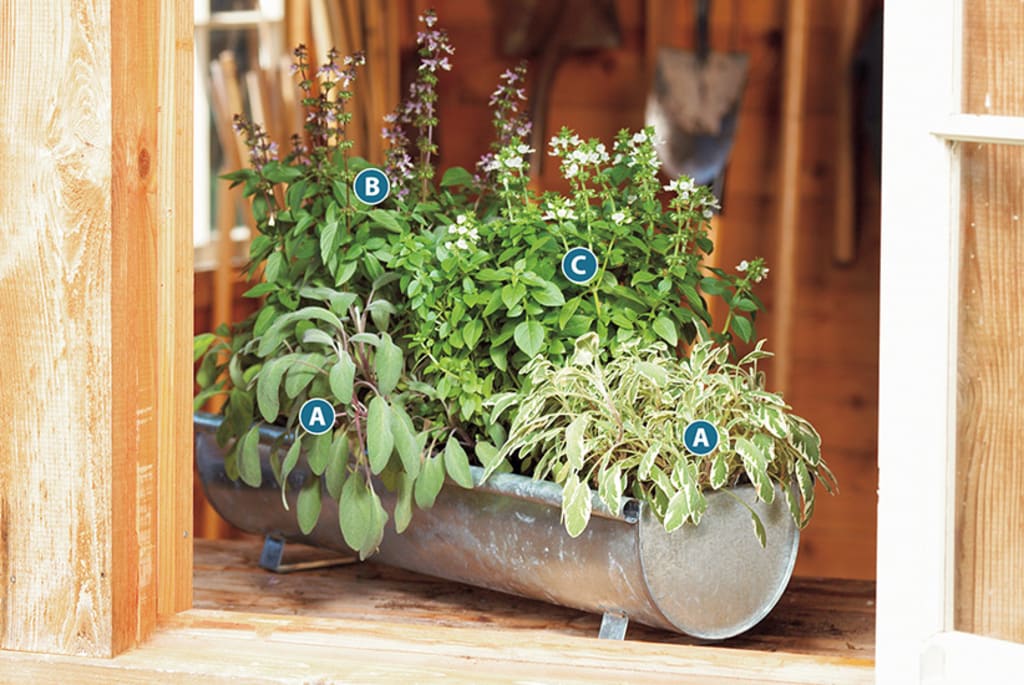
There is no greater small luxury than stepping outside your door, scissors in hand, and snipping fresh herbs for dinner. The aromatic burst of basil torn over pasta, the bright zing of lemon thyme in tea, the peppery bite of arugula flowers on a salad—these are pleasures that no dried supermarket substitute can replicate.
Yet many home cooks hesitate. They imagine herbs are finicky. They worry about insufficient space, poor light, or their own inexperience. Here is the liberating truth: Herbs are among the easiest and most rewarding plants to grow in containers. They forgive neglect, thrive in small spaces, and repay minimal effort with months of fresh flavor.
This guide will walk you through everything you need to know—from selecting the right herbs for your conditions to harvesting in abundance—so you can keep a fresh kitchen supply just outside your door.
🌿 Why Grow Herbs in Pots?
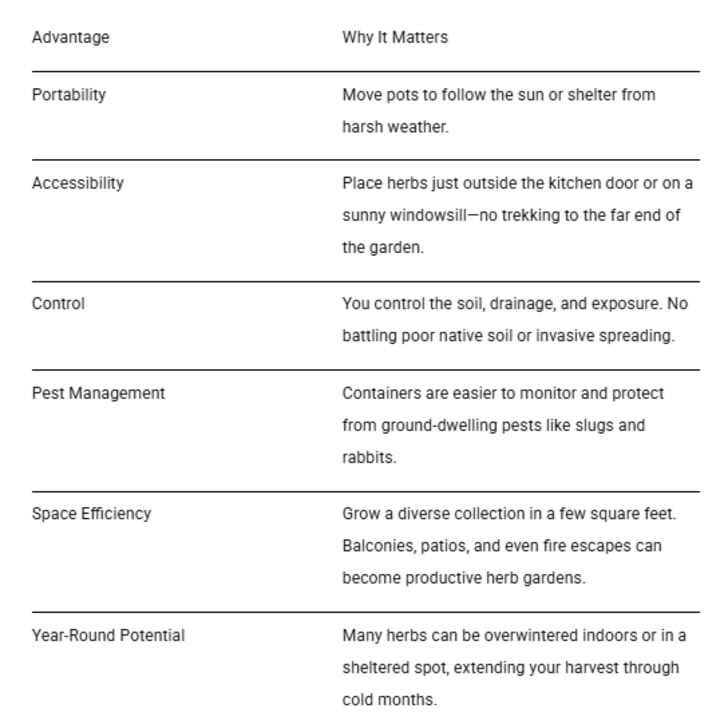
Container growing offers distinct advantages over in-ground herb gardens:
🏺 The Essentials: Containers, Soil, and Location
Choosing Containers
The single most important rule of container herb gardening is drainage. Without it, roots drown and rot.
- Material: Terracotta breathes and wicks away excess moisture, ideal for Mediterranean herbs like rosemary and thyme that resent wet feet. Plastic and glazed ceramic retain moisture longer, better suited to moisture-lovers like mint and parsley.
- Size Matters: Most culinary herbs need pots at least 6-8 inches deep for adequate root room. Larger is generally better—more soil volume buffers against temperature swings and drying out.
- One Herb, One Pot: While mixed herb planters look charming, they often fail because different herbs have different water needs. Basil likes consistent moisture; oregano wants to dry between waterings. Give each herb its own container, then group pots aesthetically.
The Perfect Soil Mix
Never use garden soil in containers. It compacts, drains poorly, and may harbor diseases.
The ideal mix:
- High-quality potting soil (not potting mix with moisture-retaining crystals)
- Add 20-30% perlite or coarse sand for sharp drainage
- A handful of compost for slow-release nutrition
Most culinary herbs—especially those from Mediterranean climates—demand lean, well-draining soil. Rich, water-retentive soil produces floppy, less flavorful growth.
Finding the Right Spot
Herbs are sun worshippers. Most culinary herbs need at least 6 hours of direct sunlight daily to develop robust flavor and compact growth.
- South or west-facing exposures are ideal.
- East-facing locations work for shade-tolerant herbs like mint, parsley, and chives.
- North-facing is challenging; you may need to supplement with a grow light.
If your only option is a shady balcony, don't despair. Focus on the shade-tolerant herbs and consider a small LED grow light to expand your possibilities.
🧑🌾 Planting and Establishing Your Herb Pots
Step 1: Start with Quality Stock
You can grow herbs from seed, but for immediate gratification, purchase small starter plants from a reputable nursery. Choose stocky, healthy specimens with no yellowing leaves or visible pests. If you're uncertain about a plant's identity or care needs, a quick scan with AI Plant Finder can confirm the species and cultivar, ensuring you're bringing home exactly what you intend.
Step 2: Pot Up Properly
- Add a layer of potting mix to the bottom of your clean pot.
- Gently remove the herb from its nursery container, teasing apart any circling roots.
- Position the plant at the same depth it was growing in its original pot.
- Backfill with soil, firming gently. Leave an inch of space below the rim for watering.
- Water thoroughly until it drains from the bottom.
Step 3: The First Week
Keep newly potted herbs in bright, indirect light for a few days to recover from transplant shock. Then move them to their final sunny location. Water when the top inch of soil feels dry, but don't let them completely dry out during establishment.
💧 Daily and Weekly Care
Watering Wisdom
Container herbs need more frequent watering than in-ground plants, especially in summer. The goal is consistent moisture without saturation.
- Check daily during hot weather. Stick your finger into the soil; if dry to the second knuckle, it's time to water.
- Water thoroughly until it runs from the drainage holes. Shallow watering encourages weak, shallow roots.
- Water the soil, not the leaves to reduce risk of fungal diseases.
Different herbs have different thirst levels. Group your pots by water needs to simplify your routine.
Feeding Your Herbs
Container-grown herbs exhaust soil nutrients quickly. However, over-fertilizing is worse than under-fertilizing. Too much nitrogen produces lush, leafy growth with diluted flavor.
- At planting: Mix in a handful of compost or slow-release organic fertilizer.
- During growing season: Feed every 4-6 weeks with a diluted, balanced liquid fertilizer (fish emulsion or seaweed work beautifully).
- Stop feeding Mediterranean herbs (rosemary, thyme, oregano, sage) by late summer to harden them for winter.
Pruning and Harvesting
Regular harvesting is the secret to productive herbs. The more you cut, the more they grow—within reason.
- Never remove more than one-third of the plant at once.
- Pinch, don't pull. Use clean scissors or your fingernails to make clean cuts just above a leaf node.
- Pinch flower buds on basil, cilantro, and mint to prolong leaf production. Once they flower, flavor declines and leaf growth slows.
- Harvest in the morning after dew evaporates but before the sun is high. This is when essential oils are most concentrated.
❄️ Extending the Season
One of the great joys of container herbs is their portability. As days shorten and temperatures drop, you can extend your harvest significantly.
Tender perennials like rosemary and sage may survive winter in mild climates (USDA zones 8+). In colder zones, move pots to a sheltered spot against a south-facing wall, or bring them indoors to a cool, bright window.
Annuals like basil and cilantro will eventually succumb to frost. Harvest heavily before the first freeze. Basil leaves can be blended with oil and frozen in ice cube trays for winter pesto.
Hardy perennials like mint, chives, and oregano die back to the ground but return in spring. Move pots to a protected location and mulch the soil surface. They need minimal water during dormancy.
🍽️ From Pot to Plate: Making the Most of Your Harvest
A container herb garden transforms your cooking. Here are simple ways to use your fresh supply:
- Basil: Tear over pasta, layer with tomatoes and mozzarella, blitz into pesto.
- Mint: Muddle in lemonade or iced tea, chop into tabbouleh, garnish desserts.
- Rosemary: Skewer with grilled meats, infuse olive oil, tuck under roasting chicken.
- Thyme: Strip leaves into soups, stews, and marinades; add to butter for compound herb butter.
- Parsley: Chop fine for gremolata, toss with warm grains, blend into chimichurri.
- Chives: Snip over scrambled eggs, baked potatoes, or creamy dips.
- Cilantro: Stir into salsas, sprinkle over tacos, blend into green chutney.
- Sage: Fry leaves in butter until crisp, stuff into poultry, infuse brown butter sauces.
Herb butter is the ultimate kitchen shortcut. Soften butter, mix with finely chopped herbs (try parsley, chives, thyme, and a touch of lemon zest), roll in parchment, and chill. Slice onto steaks, vegetables, bread, or pasta for instant flavor.
About the Creator
Emma Wallace
Director of Research and Development at AI Plant Finder (Author)
Emma Wallace is an esteemed researcher and developer with a background in botany and data analytics.
Keep reading
More stories from Emma Wallace and writers in Earth and other communities.
The Beginner's Guide to Composting: Turn Scraps into Garden Gold
You slice vegetables for dinner and toss the peels in the trash. You rake autumn leaves, bag them, and set them on the curb. You spend money at the garden center on bags of soil amendments and fertilizers. What if you could break this cycle? What if everything you need to feed your garden is already in your kitchen and yard, waiting to be transformed?
By Emma Wallace2 days ago in Earth
Where there's Art there's Heart
Here's a stupid thing: I adore art, but I start to panic whenever I step into a gallery. In the one place I should be at my contented best - surrounded by walls teeming with creative expression - I fall apart. What ought to be an enriching experience, tacitly designed to facilitate the exploration of human empathy and perspective, is for me an overwhelming purgatory of anxiety that compresses me to the point I cannot breathe. At the same time, I experience a sense of extraction, as though my head is being prized open to create a hole so big my sanity could evaporate. Somewhere between these two opposing forces of vice and vortex, I feel myself dissolving in a stream of panic that makes me want to cry; and I feel so daft feeling this way, that all I want to do is run for the hills.
By Caroline Jane3 days ago in Humans




Comments
There are no comments for this story
Be the first to respond and start the conversation.