Latest Stories
Most recently published stories in History.
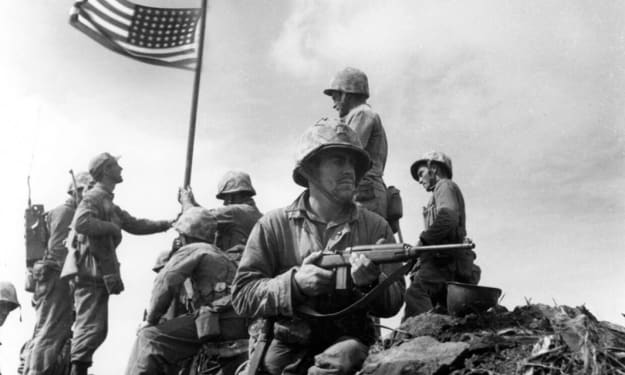
Flag Day: celebrating the stars and stripes and the freedom of expression
That the flag of the United States shall be of thirteen stripes of alternate red and white, with a union of thirteen stars of white in a blue field, representing the new constellation. — Adopted by the Continental Congress on June 14, 1777.
By Suzy Jacobson Cherry3 years ago in History
Feminism in the old days
where does it go back to? Feminism has a long history that dates back to the late 19th and early 20th centuries, commonly referred to as the first wave of feminism. During this time, feminists fought for women's suffrage, equal rights, and access to education and employment opportunities. However, the acceptance of feminism varied greatly depending on the cultural and social context of different regions. In many parts of the world, the ideas and goals of early feminism faced significant resistance and were met with hostility. Women who spoke out for their rights were often marginalized, ridiculed, and faced social ostracization. Society's prevailing attitudes at the time upheld traditional gender roles, which limited women's roles to the domestic sphere and placed them in positions of subservience to men. Despite these challenges, the first wave of feminism achieved significant milestones. One of the most notable successes was the suffrage movement, which led to women gaining the right to vote in several countries. This achievement marked a significant shift in societal attitudes and began to challenge the notion that women were lesser than men. In the decades that followed, feminism continued to evolve and gain momentum. The second wave of feminism emerged in the 1960s and focused on issues such as reproductive rights, workplace equality, and challenging gender norms. This wave brought about significant changes in Western societies, including the introduction of anti-discrimination laws and increased opportunities for women in various fields. The acceptance of feminism has evolved over time, and its ideas have become more mainstream in many societies. Today, feminism is widely recognized as an important movement advocating for gender equality. While there are still debates and disagreements about specific aspects of feminism, the core principles of equal rights and opportunities for all genders have gained significant acceptance. It's important to note that the acceptance and progress of feminism have not been uniform across the globe. Cultural, social, and political factors have influenced the pace and extent of acceptance in different regions. In some parts of the world, feminism continues to face resistance and backlash, while in others, it has become an integral part of the social fabric.
By Z. R. Lilla3 years ago in History
Remembering World War II: A Visual Journey Through History. Content Warning.
Introduction: World War II remains a defining chapter in human history, profoundly shaping nations and leaving an indelible mark on the world. This blog takes you on a visual odyssey through the pivotal moments that defined the global conflict. Through a curated collection of high-resolution images, we will immerse ourselves in the raw emotions and historical significance of World War II. From iconic battles and courageous soldiers to the devastation of cities and the triumph of Allied forces, each photograph captures a fragment of this monumental event.
By HISTORY TELLER3 years ago in History
The Truth About Life After Death
Exploring the Enigma: The Truth About Life After Death Introduction Since ancient times, people have been fascinated by the idea of life after death, which has sparked discussions, sparked spiritual beliefs, and sparked existential concerns. The existence that goes beyond the limits of mortality? We'll take a provocative voyage into the mystique of the afterlife in this post. We seek to enlighten the riddles surrounding the potential for life after death by examining numerous viewpoints, philosophical insights, religious doctrines, and scientific hypotheses.
By Abdul Wahab3 years ago in History
"Echoes of the Brush: A Tale of Artistry in Ancient Japan"(Past Life)
Chapter 1: The Serendipitous Encounter In the vibrant streets of Edo, a bustling city in ancient Japan, I found myself drawn to a world of artistic wonders. Born during the Edo period, my soul was destined to express its creative essence in the form of Ukiyo-e, a traditional Japanese art style characterized by woodblock prints. Like a whisper from the past, the call of the brush resonated within me, urging me to explore the depths of my artistic talents.
By Nitin Gabhe3 years ago in History
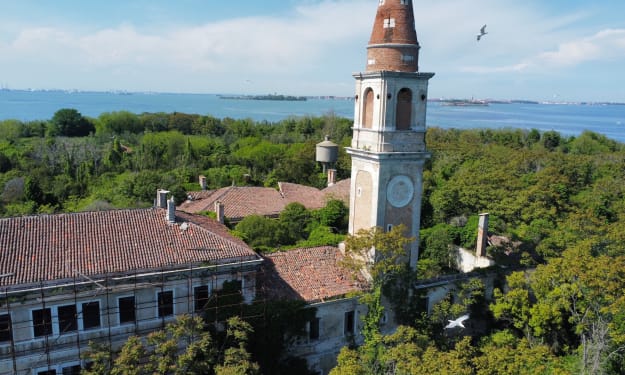
Poveglia Island: Revealing the Enigmatic Past of Venice's Mysterious Enclave
Nestled amid the captivating waters of the Venetian Lagoon lies an enigmatic island veiled in secrecy and foreboding. Poveglia Island, situated off the coast of Venice, Italy, has long been steeped in mystery and a haunting aura. Regarded as one of the world's most haunted sites, Poveglia Island has mesmerized both locals and visitors for generations. This article embarks on an exploration of the island's eerie history, unraveling the legends that have perpetuated its reputation as a chilling destination.
By Spencer Hawken3 years ago in History
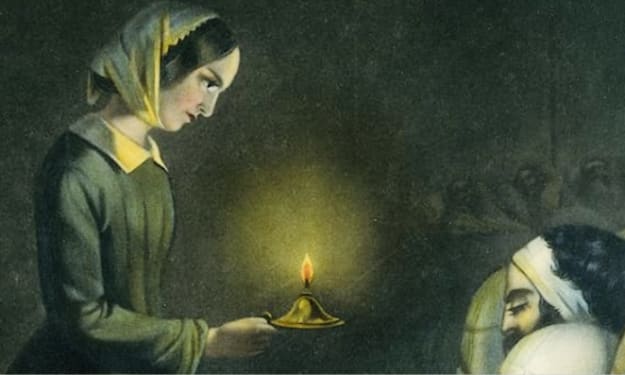
The beautiful hearts of Nurses
The Nightengale Training School for Nurses - St. Thomas Hospital, London. Est.1860. Established on 9 July 1860 by Florence Nightingale, the founder of modern nursing, it was a model for many similar training schools through the UK, Commonwealth and other countries for the latter half of the 19th century. It is primarily concerned with the education of people to become nurses and midwives.
By Novel Allen3 years ago in History
Thriving horizon
Introduction: In the wake of historic challenges and economic upheavals, Europe emerged as a dynamic force, showcasing impressive resilience and rejuvenation. Over the past decade, the continent experienced a remarkable surge in economic growth, transforming its landscape and revitalizing its position on the global stage. This story explores the key drivers behind Europe's success, examining the transformative policies, technological advancements, and collaborative efforts that propelled the continent towards newfound prosperity.
By DANIEL ADEYINKA3 years ago in History