
Synchronicity Explained
Discover What You Seek Is Seeking You

Imagine you're wandering through a dense forest, lost and uncertain, when suddenly a hidden trail appears, bathed in golden sunlight. You follow it and feel a profound connection to something greater than yourself. This is the essence of synchronicity—the invisible thread that links the inner workings of your mind to the unfolding events in the world around you.
What is Synchronicity?
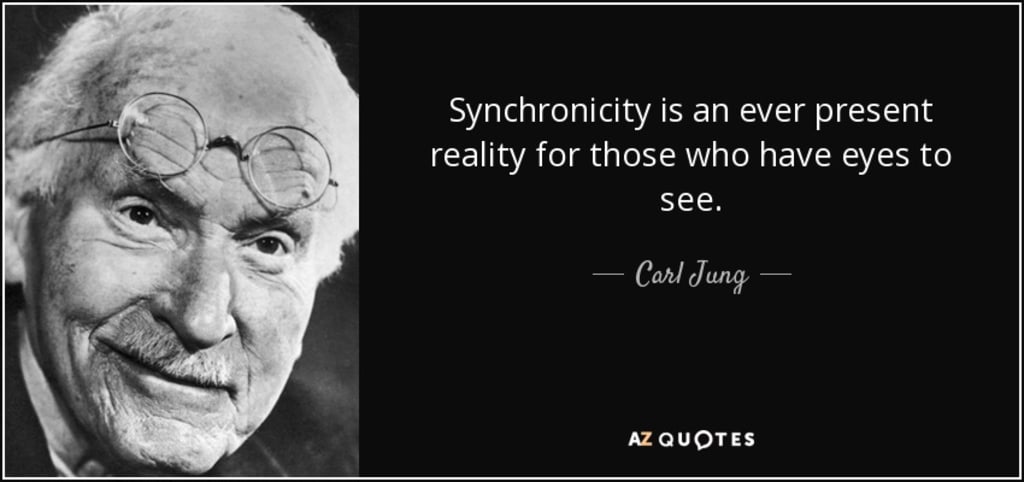
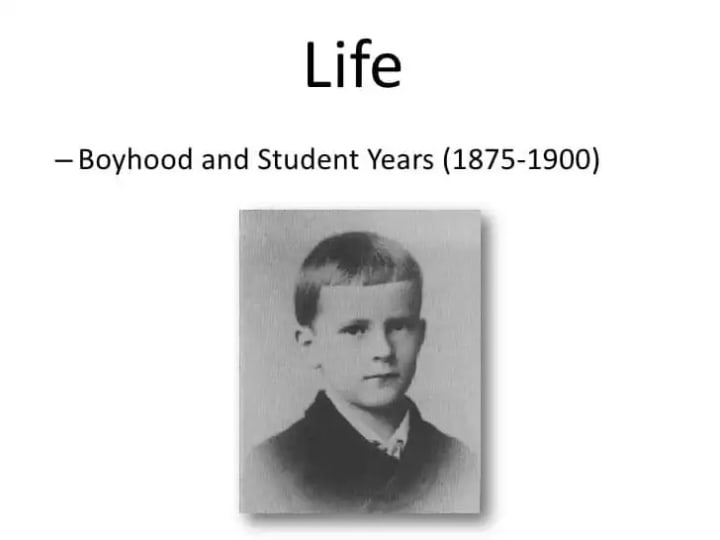
Synchronicity is a term coined by the renowned Swiss psychiatrist Carl Jung in the early 20th century. He believed that synchronicities are not mere coincidences but meaningful connections between our thoughts, feelings, and external events. It’s the intersection of the subjective and objective worlds, where inner experiences mirror external events in a way that feels deeply significant. Jung developed this concept after years of observing how seemingly unrelated events could coincide in meaningful ways. He noticed that these events often reflected his patients' inner psychological states, prompting him to explore the idea that the universe is not just a collection of random, disconnected occurrences. Instead, Jung proposed that our inner world of thoughts, emotions, and dreams is intimately connected with the outer world of events, people, and circumstances.
Synchronicity challenges the conventional understanding of cause and effect, suggesting that the universe operates according to a deeper, more mysterious order. These meaningful coincidences serve as reminders that life is more interconnected than we often realize. They invite us to consider the possibility that there is a purpose or design behind the events that unfold in our lives, guiding us toward greater understanding and self-discovery.
A Glimpse into Jung's Theory
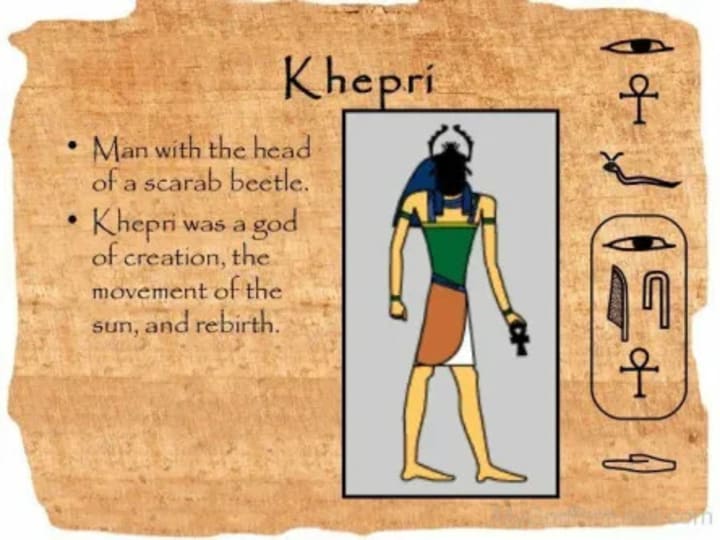
One of the most famous examples of synchronicity in Jung’s own life involved a patient who described a vivid dream about a scarab beetle during a therapy session. The patient was a highly rational woman who was resistant to exploring the symbolic aspects of her dreams. As she recounted the dream, Jung sensed that this was a pivotal moment in her therapy. At that precise moment, Jung heard a gentle tapping on the window behind him. When he turned to investigate, he was astonished to see a golden scarab beetle—a rare insect that closely resembled the one from the patient's dream—trying to enter the room.
In Egyptian mythology, the scarab beetle symbolizes transformation, rebirth, and the journey of the soul. For Jung, the appearance of the beetle at that exact moment was more than just a coincidence; it was a synchronistic event that symbolized the transformation that his patient was on the brink of experiencing in her own life. The incident served as a powerful reminder of the meaningful connections between the patient’s inner psychological state and the outer world.
Jung believed that synchronicities like this one occur when there is a deep alignment between the unconscious mind and the external world. These events can serve as guiding lights, helping us to navigate the complexities of our inner and outer lives. They offer us clues about our unconscious motivations, desires, and fears, and they can lead us toward greater self-awareness and personal growth.
How Synchronicity Operates in Your Life
Perhaps you’ve experienced moments where your inner thoughts or dreams seemed to align perfectly with external events, leaving you with a sense of awe and wonder. These synchronistic encounters serve as reminders of the interconnectedness of all things and the deeper mysteries of existence. They often occur at critical junctures in our lives, when we are grappling with important decisions, undergoing significant changes, or seeking deeper meaning and purpose.
For example, you might think of a friend you haven’t spoken to in years, only to have them call you unexpectedly the next day. This seemingly random event could be a synchronicity, reflecting an underlying connection between you and your friend. Perhaps you were both thinking of each other at the same time, and the universe orchestrated your reunion as a way of reaffirming that connection. Another example might be finding yourself at a crossroads in your career, unsure of which path to take. As you wrestle with your decision, you might stumble upon a book or article that speaks directly to your situation, offering insights or advice that resonate deeply with you. This, too, could be a synchronicity, guiding you toward the path that is most aligned with your true self.
These moments are not random but are deeply meaningful connections that can guide you toward greater self-awareness and fulfillment. By paying attention to these synchronistic events, you can gain valuable insights into your own life and the challenges you face. They can help you to recognize patterns, make important decisions, and deepen your understanding of yourself and the world around you.
The Collective Unconscious and Universal Archetypes
Synchronicity is closely linked to Jung’s concept of the collective unconscious—a vast reservoir of shared experiences, symbols, and archetypes that underlie human consciousness. According to Jung, synchronicities are expressions of this collective unconscious, revealing the interconnected fabric of reality that binds us all together. The collective unconscious is a level of the unconscious mind that is shared by all human beings, containing the memories, experiences, and wisdom of our ancestors. These archetypes, such as the hero, the wise old man, the mother, and the shadow, are deeply ingrained in the human psyche, manifesting in dreams, myths, religious symbols, and cultural narratives across different times and places. When a synchronicity occurs, it often involves one or more of these archetypal patterns, bringing to the surface something that has been buried in the collective unconscious.
For example, you might encounter a series of synchronistic events that revolve around the theme of the hero's journey. Perhaps you are facing a major life challenge, and you find yourself drawn to stories, films, or books that feature a hero overcoming great odds. These synchronistic encounters could be reflecting an inner call to embark on your own hero's journey, to face your fears and take bold steps toward achieving your goals. By recognizing and understanding these archetypal patterns, you can gain deeper insights into the meaning of the synchronistic events in your life. You can also tap into the collective wisdom of humanity, drawing upon the experiences of those who have come before you as you navigate your own path.
Embracing Synchronicity in Your Life
By recognizing the significance of synchronicity, you open yourself to the possibility of greater self-discovery, personal growth, and spiritual awakening. Each synchronistic event holds a message waiting to be deciphered, offering glimpses into the hidden currents of meaning that flow beneath the surface of existence. These events can serve as guideposts on your journey, helping you to stay aligned with your true purpose and navigate the complexities of life with greater clarity and confidence.
As you become more attuned to these meaningful coincidences, you’ll find yourself drawn into a deeper level of awareness and attentiveness to the interconnectedness of events in your life. This heightened awareness can lead to a more harmonious and fulfilling existence, as you learn to trust the wisdom of the universe and follow the signs that it presents to you. One way to cultivate a greater awareness of synchronicity is to keep a journal of meaningful coincidences and synchronistic events. By recording these occurrences, you can begin to see patterns and connections that might not be immediately apparent. You can also use your journal as a tool for reflection, exploring the deeper significance of these events and what they might be trying to tell you.
Another way to embrace synchronicity is to practice mindfulness and meditation. By quieting the mind and tuning into the present moment, you can become more receptive to the subtle cues and messages that the universe is sending you. This heightened state of awareness can help you to recognize synchronicities as they occur and to respond to them with greater clarity and insight.
What You Seek Is Seeking You
In the words of Rumi, “What you seek is seeking you.” Synchronicity is the universe’s way of guiding you toward what you truly desire, often in ways that are subtle yet profoundly meaningful. By paying attention to these synchronistic events, you can unlock a treasure trove of wisdom that can shape your decisions and lead you toward a more fulfilling life.
The idea that "what you seek is seeking you" suggests that your deepest desires, aspirations, and dreams are not random or arbitrary. They are reflections of your true self, and the universe is conspiring to help you achieve them. When you are in alignment with your true purpose, synchronicities can act as signposts, guiding you toward the people, opportunities, and experiences that will help you fulfill your potential. So, the next time you encounter a meaningful coincidence, pause and reflect on its significance. It might just be the universe’s way of showing you that what you seek is, indeed, seeking you. By embracing synchronicity and paying attention to the signs that the universe presents to you, you can live a life that is more aligned with your true self, filled with greater meaning, purpose, and joy.
About the Creator
Horace Wasland
Research analyst, writer & mystical healer. Exploring the edge where science meets mystery. From mystery/the mystical, to facts, news & psychology. Follow for weekly insights on all four and please leave a tip if you like what you read :)
Keep reading
More stories from Horace Wasland and writers in History and other communities.
Helen of Troy
Helen of Troy is one of the most iconic figures in Greek mythology, celebrated for her extraordinary beauty and pivotal role in the Trojan War. Her allure was so profound that it allegedly caused a war that lasted a decade and involved some of the greatest heroes of ancient Greece. But despite her legendary status, the question of what Helen actually looked like remains unanswered. In this exploration, we’ll delve into the historical context of Helen's beauty and examine how modern facial recreations attempt to capture her image.
By Horace Waslandabout a year ago in History
Future Wars in the Age of Artificial Intelli
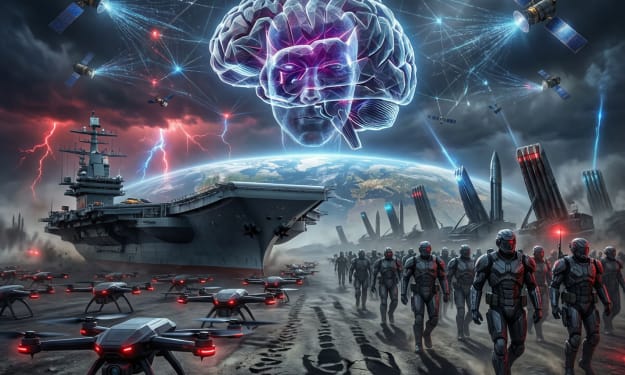
Future Wars in the Age of Artificial Intelligence If the new battlefield is hidden inside a nation’s systems, then Artificial Intelligence is becoming the most powerful weapon within it. Future wars will not begin with tanks crossing borders or fighter jets in the sky. They will begin with algorithms, data, and decisions made at machine speed. AI is changing not only how wars are fought, but also who controls power and how quickly conflicts can spiral out of control.
By Wings of Time 5 days ago in History
Augustus Caesar — The Silent Victor
Augustus Caesar did not conquer Rome with thunder and spectacle. He conquered it with silence, patience, and restraint. Where others seized power through open violence, Augustus mastered something far rarer: the ability to win without appearing to rule. In doing so, he ended a century of civil war and founded an empire that would endure for centuries. His genius was not in dramatic battlefield heroics, but in knowing when *not* to act—and when to let others believe nothing had changed.
By Fred Bradford4 days ago in History
The Devil's Triangle
The sails ruffled in the breeze as we cruised along. The Sea Breeze was a mid-size catamaran that sailed out of Royal Naval Dockyard in Bermuda. We had booked this trip weeks in advance and were now looking at our Captain, Spike and two boat hands. Paddy and Wilson seemed like nice guys, joking around with the passengers and telling us some stories about Bermuda that only locals would know. Their island accents sounded almost British but they were pleasant to listen to.
By Barbara Gode Wiles6 days ago in Fiction



Comments (1)
Thanks for sharing