
The Castaway Who Became A King
Little did this sailor know, the island he washed up on would soon become his kingdom


For most people, the thought of getting shipwrecked and washing up on an unfamiliar island would be nothing short of nightmarish. Thousands of miles from home, no way to contact anyone and at the mercy of potentially hostile local inhabitants. For Carl Emil Pettersson, this threatened to be the story of his life. Little did he know, his fortunes would soon change in a dramatic way.
While some survive, others get rescued and an exceptional few learn to adapt, Pettersson's living nightmare soon became a dream come true. In just three years, the sailor went from a shipwrecked outsider on an unfamiliar island to becoming its ruler.
Let's take a look at how this came to be as we dive into the story of the castaway who became a king.
Early Life
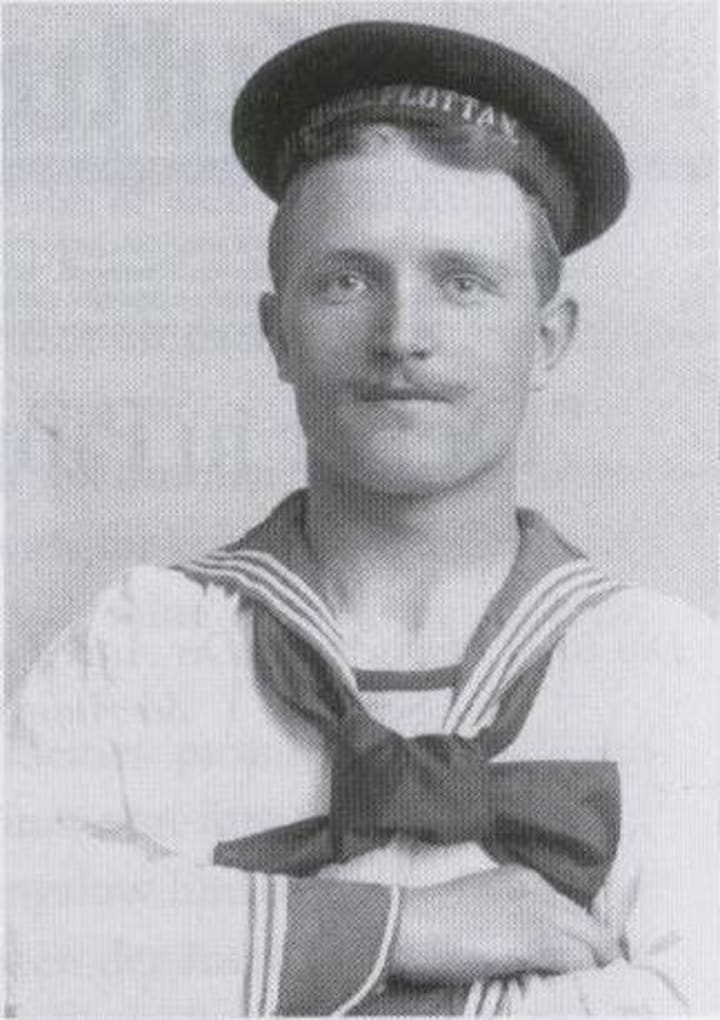
Little is actually known about his early life but Carl Emil Pettersson was born outside of Stockholm on 23 October 1875. One of six siblings, the family was said to have been of humble means. At the age of 17, Pettersson left home and etched out a living as a seaman.
Life as a sailor toughened Pettersson as he grew used to inhospitable weather, barebones living and co-existing with nature. Becoming involved in trade also allowed him to sharpen his mind and business acumen, assets that before long, proved invaluable.
Working for German company, Neuguinea-Compagnie, Pettersson was required to regularly sail around the South Pacific. Little did he know, one such voyage would change the course of his life forever.
The Shipwreck
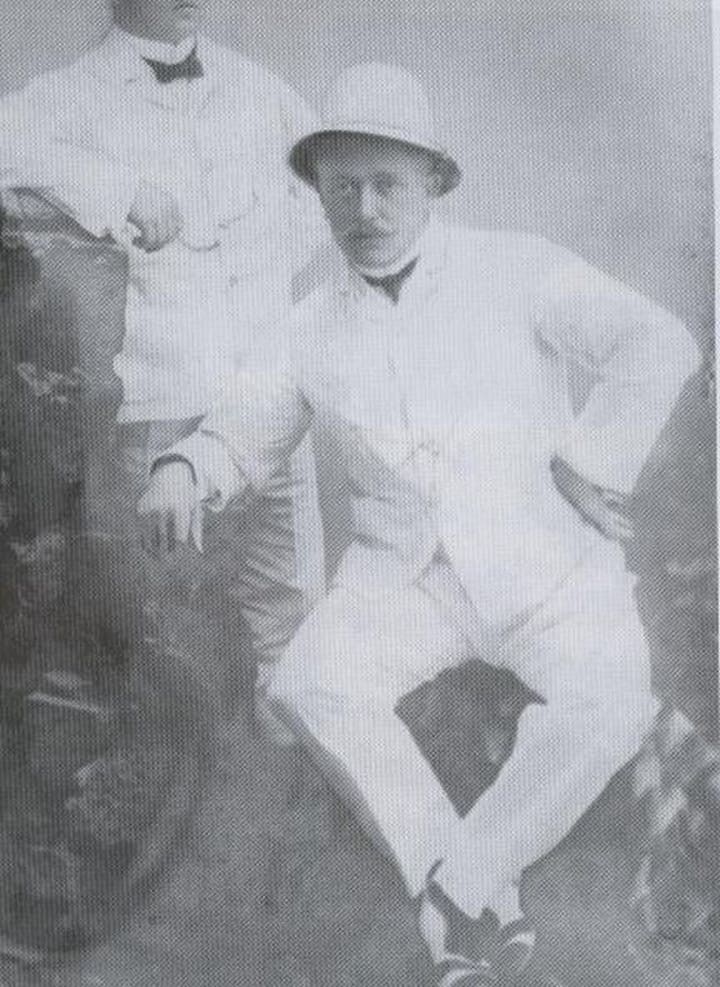
On Christmas Day 1904, Pettersson's vessel, the Herzog Johan Albrecht sank off the coast of Tabar Island in what is now Papua New Guinea. Pettersson washed ashore, finding himself in a hibiscus patch. When he came to, he was surrounded by the native Tabar people.
Said to be wary of outsiders and even rumoured to engage in cannibalism, the natives restrained Pettersson and took him to their ruler, King Lamy I. While the popular belief is that Pettersson was saved from certain death by the attraction of the king's daughter, it was never known for sure what exactly the Tabar people actually had planned for him.
Even from less sensational accounts though, the story that Lamy's daughter, Princess Singdo fell in love with Petterson at first sight continues to ring true. However, Pettersson's own wit and enterprising nature also played a role in changing his fortunes for the better.
Pettersson struck a deal with the king. He promised that if he were able to start a coconut plantation on the island, he could make Tabar Island rich. The king took him on his proposal and recognising his daughter's attraction for the young sailor, allowed them to marry should he fulfil his promise.
Within three years, Pettersson came through on his promise and entered the Copra trade, the business of exporting sundried coconuts in order to extract oil. His plantation, Teripax, soon made him and the island itself wealthy. The king kept his end of the deal and allowed Singdo to marry Pettersson. It was a union that was unprecedented in the island's history and one that solidified Pettersson's position within Tabar itself.
Life As King
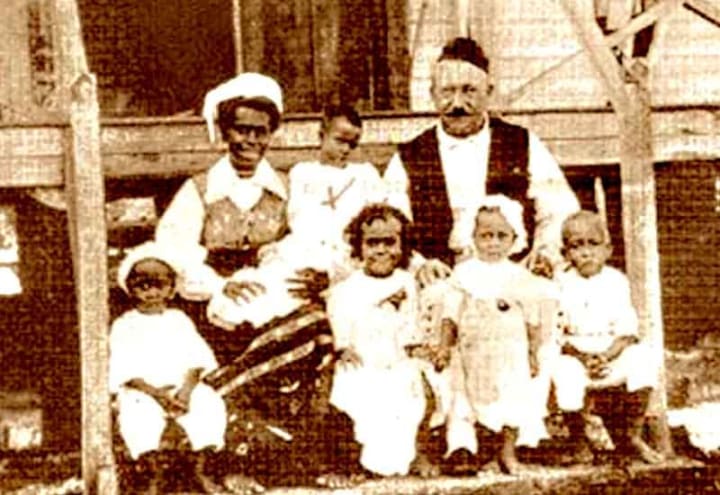
Although the people of Tabar were themselves quite unfamiliar with outsiders, it became very clear from the offset that Pettersson was quite different from other European foreigners. Unlike those who typically sought to conquer, colonize or convert the native people, Pettersson quickly embraced the local culture and assimilated into the population.
Happily living among the Tabar people, his efforts on the plantation earned him a reputation as a hardworking man and a natural leader. His willingness to live among the people and the wealth he had begun to build for the island made him very popular.
So much so, that when King Lamy died, the Tabar people chose to proclaim Pettersson their next ruler. Just like that, a poor Swedish sailor who was washed up on an island now found himself to not only be a wealthy businessman but also a king. An accidental king maybe, but one whose claim to power lay not in force or imposition of his values but rather in earned legitimacy through the consent of his people.
Further showing the admiration and affection they had for their new king, the locals gave him the nickname "Strong Charley" due to his imposing physique and strength. Pettersson's work in the trade also allowed him to expand the island's reach to other parts of the world. Soon, news of his royal status found itself in German tabloids and then to his homeland of Sweden.
Treated as a hometown hero, Pettersson expressed both happiness and surprise at how his life had turned out. His marriage to Singdo proved to be both loving and fruitful. The couple had 8 children who were raised to embrace both the local culture and their father's Swedish heritage.
Struggles Later In Life
Unfortunately, Singdo would die in 1921 from a fever she contracted during childbirth. With eight young children, Pettersson returned to Sweden, hoping to find another wife and someone who would help raise his kids. In 1922, Pettersson met the Anglo-Swedish Jessie Louis Simpson. The next year, he married her and the couple returned to his kingdom in Tabar.
While one problem was solved, another soon presented itself. In his absence, Pettersson's plantations and businesses were in disarray. On the verge of financial ruin, he tried hard to salvage his business but these efforts appeared futile. Just as everything seemed to be over, fate intervened once more. Pettersson discovered a gold deposit on the neighbouring Simberi island and was able to use it to rebuild his wealth.
While his finances were once again sorted, a new problem emerged. This time in the form of disease. The arduous journey back and the added stress of regaining their fortune had left both Pettersson and his new wife weak and stricken with malaria.
Simpson, who had unsuccessfully sought treatment in Australia, died in Stockholm in 1935. Distraught and in failing health himself, Pettersson would leave the very island that made him king for good that same year. In 1937, Pettersson himself would die of a heart attack in Sydney, ending the reign of "Strong Charley" the outsider who won over a kingdom.
Legacy

Remembered as an unconventional king, there was nothing ordinary about Carl Emil Pettersson's reign. From the circumstances of his ascension to the throne, to the unusual benevolence shown to his subjects, Pettersson was an unlikely legend who rose through grit, wit and charisma.
Thanks to his efforts, Simberi Island and the Tabar Island group as a whole has become one of the region's biggest sources of gold. Pettersson's family and descendants continue to live in Papua New Guinea, Australia and his native Sweden. His direct descendents, including grandchildren who are still alive, have inherited parts of his fortune and although no longer royal, continue to live comfortably.
Pettersson's story also found its way into popular culture. Fellow Swede Astrid Lindgren, who authored the wildly successful Pipi Longstocking series of children's books, based the titular character's father on Pettersson himself. Just as Pettersson was in real life, Pippi Longstocking's father, Captain Ephraim Longstocking, is depicted as a sailor turned ruler of an island nation.
Almost a century on from his death, the unlikely legend of "Strong Charley" has continued to live on. Be it through children's books, trade routes, prosperity or the tales of his own direct descendants, the story of the castaway who became a king will continue to outlast the man himself for a long while more to come.
About the Creator
Isa Nan
Written accounts of life, death and everything in between
Looking Again at Frances Farmer
I am always surprised by the fact that Frances Farmer (1913 — 1970) was a movie star in the 1930s. There is something modern, hard-edged and contemporary about her image, perhaps because Jessica Lange played her as such in Frances, released in 1982.
By A. L. Fletcher 6 days ago in History




Comments
There are no comments for this story
Be the first to respond and start the conversation.