
How ‘Exercise Snacking’ Can Help You Get Fitter
Why small workouts throughout the day can make a big difference Science shows brief activity breaks improve fitness and metabolism A simple solution for busy people who struggle to find gym time From stairs to squats: easy ways to stay active in minutes Experts explain the power of micro-workouts How movement snacks boost both body and mind Turning everyday moments into fitness opportunities

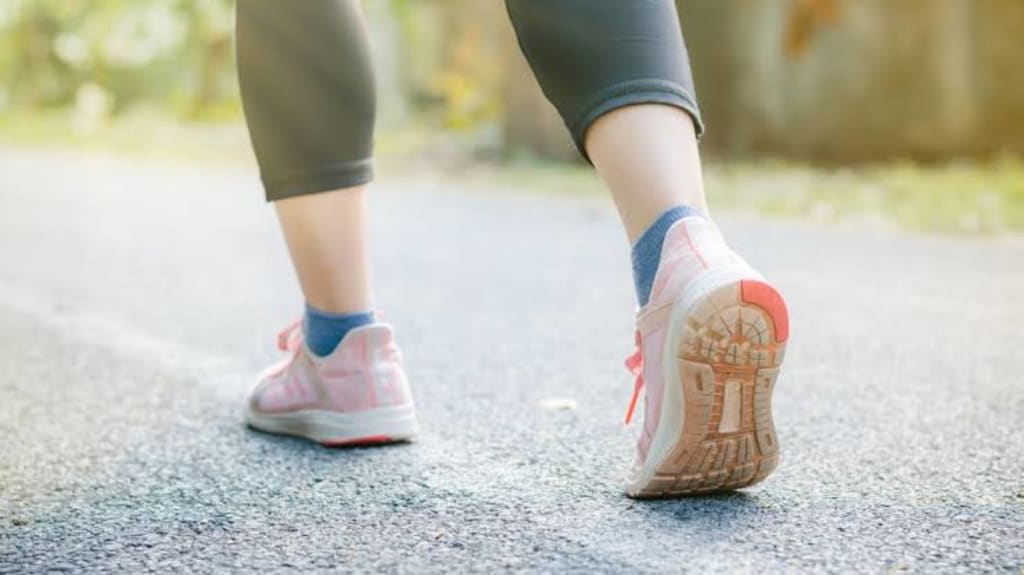
For many people, the biggest obstacle to staying fit is time. Busy work schedules, family commitments, and long commutes often make it difficult to dedicate an hour to the gym. But a growing body of research suggests that fitness does not always require long workout sessions. Instead, short bursts of movement throughout the day—known as “exercise snacking”—can significantly improve health and fitness.
Exercise snacking refers to performing brief periods of physical activity, usually lasting from 30 seconds to a few minutes, spread across the day. These small “snacks” of movement may seem insignificant on their own, but together they can provide meaningful physical and mental health benefits.
The Science Behind Exercise Snacking
Traditional exercise guidelines recommend at least 150 minutes of moderate-intensity activity per week. While effective, this target can feel overwhelming to people with limited free time. Exercise snacking offers an alternative approach by breaking activity into manageable pieces.
Studies have shown that short bouts of high- or moderate-intensity movement can improve cardiovascular fitness, muscle strength, and insulin sensitivity. Even activities lasting less than two minutes—when repeated regularly—can stimulate the heart and muscles in similar ways to longer workouts.
Researchers believe the benefits come from repeatedly activating large muscle groups and raising the heart rate. These frequent spikes in activity improve the body’s ability to use oxygen and regulate blood sugar, two key markers of overall fitness.
Easy Ways to Add Exercise Snacks
Exercise snacking does not require special equipment or gym memberships. The idea is to use moments that already exist in daily life.
Common examples include:
Walking briskly up a flight of stairs
Doing 20 squats while waiting for the kettle to boil
Taking a five-minute walk after meals
Performing push-ups or lunges during TV commercials
Stretching or marching in place during phone calls
These movements may appear simple, but consistency is what matters. Over time, they accumulate into a substantial amount of physical activity.
For office workers, standing up every hour to perform light exercises can counteract the negative effects of prolonged sitting. In homes, parents can turn playtime with children into active movement sessions.
Benefits for Heart Health
One of the most important benefits of exercise snacking is its impact on cardiovascular health. Short bursts of movement raise the heart rate and improve blood circulation. This helps strengthen the heart muscle and reduces the risk of heart disease.
Some research suggests that even three or four brief activity sessions per day can lower blood pressure and improve cholesterol levels. Because the sessions are short, people are more likely to stick with them long-term, which is essential for lasting health benefits.
For individuals who find traditional workouts intimidating, exercise snacking offers a gentler entry point into physical activity.
Boosting Metabolism and Blood Sugar Control
Exercise snacking can also help regulate blood sugar, especially when done after meals. A short walk or a few minutes of light exercise after eating helps muscles absorb glucose from the bloodstream, reducing spikes in blood sugar levels.
This is particularly helpful for people at risk of type 2 diabetes or those trying to manage weight. Frequent movement keeps metabolism active and prevents long periods of inactivity that slow energy use.
While exercise snacking alone may not lead to dramatic weight loss, it supports healthier metabolic function and complements other lifestyle changes such as improved diet and sleep.
Mental Health and Energy Levels
The benefits of exercise snacking go beyond physical health. Short activity breaks can improve mood, reduce stress, and increase focus. Physical movement releases endorphins—chemicals in the brain associated with happiness and relaxation.
Many people report feeling more alert after brief activity sessions. Instead of relying on caffeine for energy, a few minutes of movement can refresh both body and mind.
For individuals working long hours at a desk, exercise snacks can break up monotony and reduce mental fatigue.
Making It a Habit
The key to success with exercise snacking is consistency. Setting reminders or linking movement to daily routines can help make it automatic. For example, doing calf raises while brushing teeth or taking a short walk after lunch creates a predictable habit.
Experts recommend starting small and gradually increasing intensity. A person might begin with two or three activity breaks per day and slowly build up to more frequent sessions.
Variety also matters. Mixing strength exercises, cardio movements, and stretching prevents boredom and engages different muscle groups.
Who Can Benefit Most?
Exercise snacking is especially useful for:
Busy professionals with limited time
Older adults who find long workouts exhausting
Beginners who feel intimidated by gyms
People recovering from inactivity
Those managing chronic conditions with medical guidance
However, it is important to note that exercise snacking should complement—not replace—structured exercise for those who can safely engage in longer workouts.
Limitations and Considerations
While exercise snacking offers many benefits, it may not fully replace the endurance and strength gains achieved through longer training sessions. Athletes or individuals aiming for specific fitness goals still need structured programs.
Safety is also important. People with health conditions should consult healthcare professionals before starting new routines, especially if engaging in higher-intensity movements.
Conclusion
Exercise snacking proves that fitness does not have to come in long, exhausting sessions. Small bursts of movement scattered throughout the day can improve heart health, regulate blood sugar, boost mood, and increase energy levels. By making activity part of everyday life, people can overcome time barriers and develop healthier habits.
In a world where schedules are crowded and sedentary lifestyles are common, exercise snacking offers a practical and accessible path toward better health—one short movement at a time.
About the Creator
Fiaz Ahmed
I am Fiaz Ahmed. I am a passionate writer. I love covering trending topics and breaking news. With a sharp eye for what’s happening around the world, and crafts timely and engaging stories that keep readers informed and updated.
Keep reading
More stories from Fiaz Ahmed and writers in Longevity and other communities.
Patients Could Face Disruption After Hospital Fire
A major fire at a regional hospital has raised concerns about patient safety and service disruption, as emergency crews worked through the night to contain the blaze and hospital administrators began assessing the damage. Officials confirmed that while no deaths were reported, several wards were evacuated and routine medical services may be affected for days or even weeks.
By Fiaz Ahmed about 6 hours ago in Longevity
Day 4 of Quitting
If this is how sobriety feels, maybe it’s better to go through life a little buzzed… this, along with other hits like, I want to kill myself, I wish I was dead, and I’m going to throw myself off a bridge have been the only thoughts on rotation these past few days. I promise myself that if, in a month, I still feel like this (‘this’ meaning despondent, full of rage, and simultaneously numb) I can go back to smoking. Until mid-February though? Nicotine is off the table.
By sleepy drafts26 days ago in Longevity
Diabetic Foot Ulcer
A diabetic foot ulcer (DFU) is one of the most serious and common complications of long-standing diabetes mellitus. These open wounds, usually located on the sole of the foot or toes, occur due to a combination of nerve damage, poor circulation, and impaired wound healing. If left untreated, diabetic foot ulcers can lead to severe infections, hospitalization, and even lower-limb amputation. Understanding early symptoms, appropriate treatment, and long-term management is essential for improving outcomes and quality of life in people with diabetes.
By benjamin taylor4 days ago in Longevity



Comments
There are no comments for this story
Be the first to respond and start the conversation.