lifestyle
Living your life - the health and wellness way.
Ecclesiastes and the Weight of Meaninglessness
Have you ever noticed how unsettling Ecclesiastes feels compared to most of Scripture. It does not rush to reassure. It does not soften its conclusions. It returns again and again to the same observation: everything fades, everything repeats, and nothing under the sun seems capable of holding still long enough to become permanent. Wisdom fails to secure lasting satisfaction. Pleasure loses its edge. Work outlives the worker. Even moral effort appears unable to guarantee stability. For many readers, this tone feels almost dissonant, as if the book is saying out loud what faith is supposed to quiet.
By Peter Thwing - Host of the FST Podcastabout 3 hours ago in Longevity
Exercise Isn’t Enough
Commentary In the battle against obesity, being active is not enough. Going to the gym, riding a bike, or simply walking can help; however, it doesn't defeat this condition, alone. What needs to be examined is what people eat and how much they consume. The food one eats is just as critical as exercise in the battle against obesity.
By Dean Traylorabout 9 hours ago in Longevity
If You're Waiting for the Root Canal, You're Missing the Point of Skincare
At some point, our culture decided that care is only valuable if it’s extreme. If it doesn’t burn, blast, paralyze, or shock the system into instant compliance, it’s dismissed as “doing nothing.” Apparently, that now includes estheticians.
By Brooke Gallagherabout 15 hours ago in Longevity
The Italian City Where Life Is Sweetest in Winter. AI-Generated.
When winter’s chill settles over Italy and northern winds blow through piazzas and alleyways, there’s one city where the season feels less like hibernation and more like a celebration of warmth, flavor, and community. That place is Perugia, the Umbrian capital known far beyond its medieval walls for chocolate, festivals, and a winter spirit that feels as rich and welcoming as the confections it produces. Nestled on a hilltop in central Italy, Perugia transforms each winter into a destination for locals and travelers alike: cobblestone streets glow in the soft light of holiday decorations, outdoor markets fill with fragrant chestnuts and spiced wine, and the scent of freshly made chocolate lingers in the cool air. For many, Perugia is not just beautiful in winter — it’s sweetest. A City Built on Chocolate Perugia’s reputation as Italy’s winter sweet spot stems largely from Perugina, the esteemed chocolate maker founded in 1907. Perugina’s headquarters and flagship store are right in the heart of town, and its famous Baci — dark chocolate kisses filled with hazelnut cream — are as much a part of winter here as scarves and hot espresso. In December and January, chocolate takes on new life. Artisans in Perugia create seasonal confections, and workshops invite visitors to craft their own truffles and learn the art of tempering chocolate. Walking through Corso Vannucci, the city’s main street, it’s hard not to be drawn into chocolaterie windows displaying towers of bonbons, gianduiotti, and spiced nougats. Despite its fame, Perugia has kept its confectionery culture rooted in local tradition rather than tourist spectacle. Small shops coexist with Perugina’s historic presence, each with its own interpretation of winter sweetness — from tart berry fillings to creamy pistachio centers. Festivals and Traditions Winter in Perugia isn’t just about individual tastings; it’s a season filled with communal events that bring people together. The city’s historic center hosts holiday markets where vendors sell handcrafted ornaments, wooden toys, and regional delicacies alongside chestnuts roasted over open flames. One standout tradition is Cioccolentino, a winter chocolate festival that draws families from across the region. During the event, fountains spout hot chocolate instead of water, and elegant tasting paths guide visitors through themed rooms dedicated to everything from dark chocolate pairings to spiced hot cocoa. Live music, local folk dances, and storytelling sessions fill evenings, offering a social warmth that contrasts beautifully with winter’s bite. Cozy Corners and Hidden Warmth Winter light in Perugia can be crisp and clear, making its ancient stone architecture gleam — but the real magic often happens inside. Perugia’s cafés and osterie (traditional inns) are havens of warmth, offering soups, fresh bread, and rich desserts that reflect Umbrian culinary heritage. A popular winter ritual here is stopping for cioccolata calda, Italy’s luxuriously thick hot chocolate, often served with a dollop of whipped cream and a hint of cinnamon. Unlike the thin hot chocolates found elsewhere, Perugia’s version is almost like sipping melted chocolate, perfect for chasing away cold fingers and thoughts. Across town, local bakeries craft sweet breads studded with raisins and nuts, while gelaterie (yes, even in winter) offer seasonal sorbets like blood orange and pear — evidence of Perugia’s year-round devotion to sweetness. Beyond Flavor: Community and Culture What truly sets Perugia apart in winter is not just the food, but the way people come together around it. In the colder months, residents are more likely to linger in cafés, strike up conversation with strangers, and participate in communal dinners where multiple courses share the table like old friends. The city’s university, one of the oldest in Europe, brings a youthful energy that keeps winter from feeling quiet or desolate. Students from across Italy and around the world study languages, music, and arts here, infusing the city with multicultural vibrancy. In January, when many European cities feel their slowest, Perugia hosts concerts and small theater productions that draw crowds out into the evening, proving that winter doesn’t have to mean slowing down — just savoring. Picturesque Winter Views Perugia’s geography enhances its winter charm. From the top of the Rocca Paolina, an ancient fortress now serving as a public space and exhibition gallery, visitors can watch low winter sun cast long shadows over the Umbrian valleys below. In the early morning, frost sparkles on rooftops, and the silence before the day begins feels almost sacred. On clear evenings, the stars above Perugia’s skyline seem unusually bright — a reminder of the city’s quieter rhythm in winter. Travel Tips for Winter Visitors For those considering a winter trip to Perugia, here are a few tips to make the most of the sweet season: Book tastings early: Popular chocolate workshops fill up fast. Reserving spots online helps secure a place. Dress in layers: Umbrian winters can be chilly, especially at night. Warm coats, scarves, and sturdy boots make all the difference. Explore beyond the center: Nearby towns and vineyards offer excellent wine tastings and countryside views dusted with snow. Try local winter dishes: Umbrian cuisine shines in winter with hearty stews, lentil soups, and truffle-rich pasta. Why Perugia Feels Sweetest Perugia’s winter magic lies in its blend of flavor, history, and human warmth. It’s a place where the aroma of chocolate and roasted chestnuts intertwines with the spirit of community, and where crisp air and ancient stone coexist with laughter and shared meals. In a world where winter often feels like a pause, Perugia transforms it into a season of taste, tradition, and togetherness. And for those who experience it, the memory lingers long after the snow melts — a reminder that sweetness in life isn’t just a flavor, but a feeling.
By Fiaz Ahmed about 16 hours ago in Longevity
The Place That Stayed With Me: After a Treacherous Route Through Open Desert, at Mina Mina I Saw Holiness. AI-Generated.
A journey across silence, struggle, and spirit in the heart of the Australian desert Some places do not announce themselves with signs or grand entrances. They wait quietly, asking something of you before they reveal what they are. Mina Mina was one of those places.
By Fiaz Ahmed 3 days ago in Longevity
Stay on This Stunning Island for Free… If You're Willing to Count Puffins. AI-Generated.
An unforgettable adventure awaits wildlife enthusiasts and travelers alike Imagine waking up to the sound of waves crashing against rugged cliffs, seabirds calling overhead, and endless stretches of untouched nature — all while staying on a stunning island for free. This isn’t a dream or an ad for a luxury resort. It’s a real opportunity offered to travelers willing to take part in a unique conservation project: counting puffins. Yes, you read that right. Some islands in the North Atlantic and Europe are inviting visitors to help monitor puffin populations in exchange for free accommodation, meals, and an unforgettable experience in nature. Why Puffins Need Your Help Puffins, those iconic seabirds with colorful beaks, are more than just cute creatures. They are an important part of coastal ecosystems, acting as indicators of ocean health. In recent years, puffin populations have faced challenges including: Climate change, which affects the availability of fish they feed on Overfishing, reducing their food supply Predators and habitat changes, impacting nesting areas Conservation groups and wildlife organizations need accurate population counts to track trends, plan protections, and understand the effects of environmental changes. This is where volunteer travelers come in. How the Program Works Many islands that host puffin colonies offer programs where visitors can stay for free or at a reduced cost, provided they contribute to conservation work. Responsibilities typically include: Counting puffins during nesting season Recording observations about behavior, nests, and population trends Helping maintain trails or shelters to minimize human impact on the birds Some programs are flexible, allowing volunteers to enjoy free time for hiking, photography, or simply relaxing in stunning surroundings. Others may require more structured participation, depending on the needs of the research team. The Islands Offering This Opportunity Several islands have become popular among conservation-minded travelers: Islands in Iceland – Puffins nest along the cliffs of islands like Vestmannaeyjar. Volunteers can stay in research stations and help count puffins during the summer months. Skomer Island, Wales – Famous for its puffin colonies, the island allows volunteers to assist with population monitoring while experiencing breathtaking coastal scenery. Faroe Islands – Remote and picturesque, these islands host programs where visitors can stay in eco-lodges in exchange for wildlife observations. Norwegian islands – Some local conservation groups welcome volunteers to help track puffins and other seabirds in the Arctic region. Each location offers stunning landscapes, unique wildlife, and a chance to make a real difference in conservation efforts. What You’ll Experience Volunteering to count puffins is more than just work; it’s a life-changing experience. Here’s what you can expect: Close encounters with wildlife – Watching puffins up close, hearing their calls, and observing their behavior in natural habitats. Breathtaking scenery – Rugged cliffs, sparkling waters, and panoramic views that feel straight out of a travel magazine. Cultural immersion – Many islands have local communities, offering the chance to learn about traditions, food, and history. Skill development – Volunteers gain experience in wildlife monitoring, research methods, and ecological awareness. Participants often describe the experience as both relaxing and rewarding, combining adventure with a meaningful contribution to science. Who Can Participate? These programs are generally open to anyone over 18, though some locations may have age limits or physical requirements. Ideal participants: Nature enthusiasts who enjoy outdoor activities Amateur bird watchers or photography enthusiasts Students or researchers interested in ecology or conservation Travelers seeking unique, budget-friendly experiences No previous experience is typically required. Organizations provide training and guidance to ensure accurate data collection and safety on rugged terrain. Benefits Beyond Free Accommodation While staying on a beautiful island for free is an amazing perk, there are other benefits too: Meaningful contribution – You’ll help scientists understand and protect puffin populations. Networking opportunities – Meet other like-minded volunteers from around the world. Personal growth – Living in remote locations fosters resilience, patience, and adaptability. Memorable adventure – Few travel experiences compare to sleeping on an island surrounded by wildlife and ocean views. It’s a unique blend of vacation and volunteering, making it an ideal choice for travelers seeking something different from typical tourist experiences. How to Get Involved If you’re interested in participating, here’s how to start: Research locations – Check websites of conservation organizations and local tourism boards. Check availability – Many programs require advance registration, especially during puffin nesting season. Prepare for conditions – Remote islands can be cold, windy, or wet; pack suitable clothing and gear. Follow guidelines – Respect wildlife rules, stay safe, and ensure you record accurate data. Some programs may provide meals and transportation, but it’s wise to check details in advance. Volunteers who commit fully often have the most rewarding experience. Conclusion Staying on a stunning island for free while counting puffins offers a rare combination of adventure, education, and meaningful contribution. It’s an opportunity to connect with nature, contribute to conservation, and experience landscapes few travelers ever see. Whether you’re a wildlife enthusiast, a student, or just someone looking for a budget-friendly adventure, volunteering for puffin counting can create memories that last a lifetime. So, if you’ve ever dreamed of living on a remote island surrounded by seabirds, this could be your chance — all it takes is a willingness to look closely, count carefully, and enjoy the beauty of the natural world.
By Fiaz Ahmed 4 days ago in Longevity
Child-Free Spaces on Trains? This Isn’t the Family-Friendly. AI-Generated.
The debate over designated quiet zones and child-free train areas Public transportation is meant to serve everyone — commuters, travelers, families, and tourists alike. But in recent months, some train operators in the UK and other countries have explored “child-free” or quiet zones on certain trains, sparking debate among passengers and the wider public. These areas, designed to offer peace and quiet to adults, have left some questioning whether public transit should really segregate passengers by age or family status. What Are Child-Free or Quiet Zones? Child-free or quiet zones are train carriages or compartments where children under a certain age are not allowed, or where noise must be kept to a minimum. Typically, these zones are meant for: Business travelers working on laptops Adults seeking quiet on long commutes Passengers wishing to rest or read without disruption Many train companies also offer “quiet carriages”, where phones, music, and loud conversations are discouraged, but these are different from officially child-free spaces, which explicitly restrict children from boarding. Why Some People Support Child-Free Spaces Supporters of these zones argue that they provide necessary relief for adult passengers who need quiet or focus. Some points in favor include: Improved productivity – Adults traveling for work can complete tasks without distraction. Stress reduction – Quiet zones help reduce anxiety or stress for those who prefer calm environments. Choice and fairness – Just as there are family-friendly trains, supporters argue, adults deserve spaces tailored to their needs. For example, a business traveler on a long train ride may welcome the option to work uninterrupted or take a nap without worrying about loud children nearby. The Controversy Despite the arguments in favor, child-free zones have drawn criticism from parents and child advocates. Opponents claim these areas: Exclude families from public spaces – Public trains are meant to be inclusive for everyone, including children. Encourage segregation – Critics say it creates a sense of “othering,” implying that children are disruptive or unwelcome. Ignore practicality – Many parents point out that children need to travel, sometimes for long distances, making it unreasonable to limit access. The debate often intensifies on social media, with heated discussions over whether quiet zones are necessary or discriminatory. The Impact on Families For families traveling with children, the introduction of child-free zones can feel restrictive and exclusionary. Parents often say they already face limited seating and amenities on trains, and losing access to specific carriages makes travel more stressful. Some parents also argue that teaching children social norms and acceptable behavior in public spaces is part of growing up, and removing them from quiet areas sends the wrong message about public etiquette. Rail Companies Respond Rail operators have taken various approaches to balance both perspectives: Designated quiet carriages – Some companies encourage quiet behavior without banning children outright. Flexible policies – Notices remind passengers that children are welcome but should behave considerately. Family carriages – Conversely, trains may include family-friendly carriages equipped with space for strollers and play areas, so families have options without disrupting others. Operators emphasize that the goal is passenger satisfaction, not exclusion. Surveys suggest that most travelers value having both quiet spaces and family areas, creating a compromise rather than a conflict. Global Perspective This debate isn’t limited to the UK. Across Europe and Asia, train companies have experimented with quiet cars, adult-only coaches, or premium compartments: Japan – Many Shinkansen bullet trains have quiet cars where phone calls are prohibited. France – TGV trains include “silence zones” that restrict phone use but not children. Germany – ICE trains promote quiet compartments but rely on etiquette rather than age restrictions. These examples suggest that quiet spaces can exist without excluding children, offering a balanced approach that serves both adults and families. What Passengers Think Opinions among passengers are divided: Adults seeking peace often say quiet zones are essential for comfort. Parents argue that public transport is not a luxury space, and children have a right to travel without being restricted. Some rail users advocate for better enforcement of existing quiet zones rather than banning children entirely. Polls indicate that while quiet spaces are popular, the idea of completely child-free zones is more controversial, with strong feelings on both sides. Finding a Middle Ground Experts suggest compromise solutions that respect all passengers: Enforced quiet zones – Adults and children are welcome, but rules around noise are strictly applied. Family-friendly carriages – Clearly designated spaces for parents and children reduce conflicts. Optional reservation systems – Passengers can choose quiet or family areas when booking, giving everyone control. Public awareness campaigns – Remind passengers to behave considerately without resorting to bans. The key is to balance adult needs for calm with the rights of children and families to access public transport. Conclusion The discussion around child-free spaces on trains is more than just about noise — it’s a reflection of how public spaces balance the needs of diverse passengers. While adults may value quiet areas for work or relaxation, families also deserve access to public transport without feeling unwelcome. Rather than outright bans, flexible solutions like quiet zones with clear rules, family-friendly carriages, and reservation systems may provide the best compromise. Ultimately, public transportation must remain inclusive, respectful, and adaptable, serving everyone from parents with toddlers to business travelers seeking peace. Finding this balance is essential for making trains a truly family-friendly and adult-friendly space at the same time.
By Fiaz Ahmed 4 days ago in Longevity
The UK’s Oldest Rollercoaster to Close Permanently After 106 Years. AI-Generated.
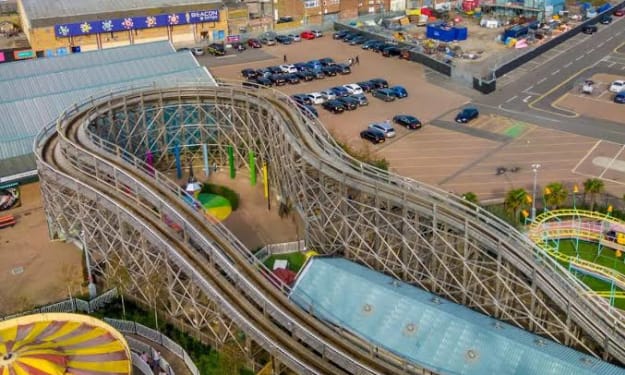
A historic ride ends as the amusement park landscape continues to evolve After more than a century of thrilling rides, the UK’s oldest rollercoaster is set to close permanently, marking the end of an era for enthusiasts and visitors alike. The iconic attraction, which has been a fixture of British amusement parks since the early 20th century, has welcomed generations of thrill-seekers, families, and tourists. Its closure is part of a broader trend in the amusement park industry, where historic rides are increasingly being replaced by modern attractions designed to appeal to new audiences. A Century of Thrills The rollercoaster first opened 106 years ago, at a time when amusement parks were emerging as a popular form of leisure. For decades, it has been a symbol of fun, innovation, and family entertainment, surviving wars, economic changes, and evolving entertainment trends. For many, the ride is more than just a coaster—it is a cultural landmark, evoking memories of childhood summers, school trips, and local festivals. Its unique wooden structure and classic design have made it instantly recognizable and a favorite for photography and nostalgia enthusiasts. Why the Closure is Happening Park management cites several reasons for the permanent closure: Rising maintenance costs: Older rides require constant upkeep to meet modern safety standards. Structural concerns: Wood and metal wear over time, and renovations would be costly. Changing visitor expectations: Modern audiences seek faster, more high-tech experiences. Space for new attractions: Parks need to innovate to remain competitive and attract visitors. While the closure may disappoint loyal fans, park officials stress that safety and sustainability are top priorities. A Look Back at Its History Over its 106-year history, the rollercoaster has survived many challenges: Weather damage and storms Economic recessions affecting park attendance Technological changes in ride engineering Shifts in amusement park design and themes Despite these hurdles, the coaster remained operational until now, a testament to its engineering durability and the dedication of park staff. Community and Visitor Reactions News of the closure has triggered strong reactions from the public: Longtime visitors have shared personal stories and memories online. Local historians have highlighted the rollercoaster’s cultural and architectural significance. Amusement park enthusiasts expressed sadness over losing a ride that represents a link to the early days of British leisure culture. Some fans have organized farewell visits, taking one last ride and commemorating the coaster’s place in UK history. The Significance of Historic Rides Historic amusement rides are more than entertainment—they are living museums, reflecting social change, engineering evolution, and community tradition. Rides like this rollercoaster show how leisure, innovation, and family culture intersected over a century. Preserving the memory of these attractions often involves: Archival photographs and blueprints Museum exhibitions Documentaries and local heritage projects Even if the ride itself closes, its legacy can inspire future generations of engineers, designers, and history enthusiasts. The Future of the Park The park has announced plans to replace the rollercoaster with new attractions, aiming to attract younger audiences while maintaining safety and modern standards. Upcoming developments may include: High-speed rollercoasters with advanced technology Interactive rides and VR experiences Family-friendly zones with immersive storytelling While nostalgia plays an important role, amusement parks are businesses that must adapt to changing demands. The closure is part of a careful balance between heritage and progress. A Farewell to a Legend For many, the rollercoaster will always represent the heart of the park, symbolizing over a century of laughter, excitement, and community moments. Its closure is a reminder that time changes even the most beloved attractions, but memories endure. Visitors are encouraged to celebrate the coaster’s long run, share stories, and reflect on how much amusement parks have shaped leisure culture in the UK. Conclusion The UK’s oldest rollercoaster may close after 106 years, but its legacy of thrills, nostalgia, and cultural significance will remain in the hearts of those who rode it. As amusement parks continue to modernize, this historic ride serves as a reminder of the power of simple joy, engineering ingenuity, and community connection. While the structure may no longer operate, the memories and stories of generations of visitors will ensure that the coaster’s place in UK history is never forgotten.
By Fiaz Ahmed 4 days ago in Longevity
What If Truth Is Rejected Even When It Is Lived Well
It’s easy to assume that if something is true, and if it is communicated clearly, reasonably, and with goodwill, it will eventually be accepted. This assumption sits quietly beneath a lot of effort, especially in faith. We speak carefully. We try to be fair. We explain ourselves patiently. Somewhere beneath all of that is the hope that clarity and sincerity will be enough. But what if that hope misunderstands how truth actually moves through the world.
By Peter Thwing - Host of the FST Podcast4 days ago in Longevity
Truth Is Often Rejected Because It Demands Change
There is a widespread assumption, rarely spoken but deeply believed, that truth will eventually be accepted if it is communicated clearly, patiently, and with genuine goodwill. When resistance appears, the instinct is to search for error in tone, framing, or explanation. The underlying belief is simple: if the truth were presented well enough, rejection would disappear. This belief is comforting, but it is false. History, Scripture, and lived experience all point in the same direction. Truth is often rejected not because it is unclear, but because it is costly.
By Peter Thwing - Host of the FST Podcast4 days ago in Longevity