
How Is Diet Coke Different From Coke Zero?
Cold drink

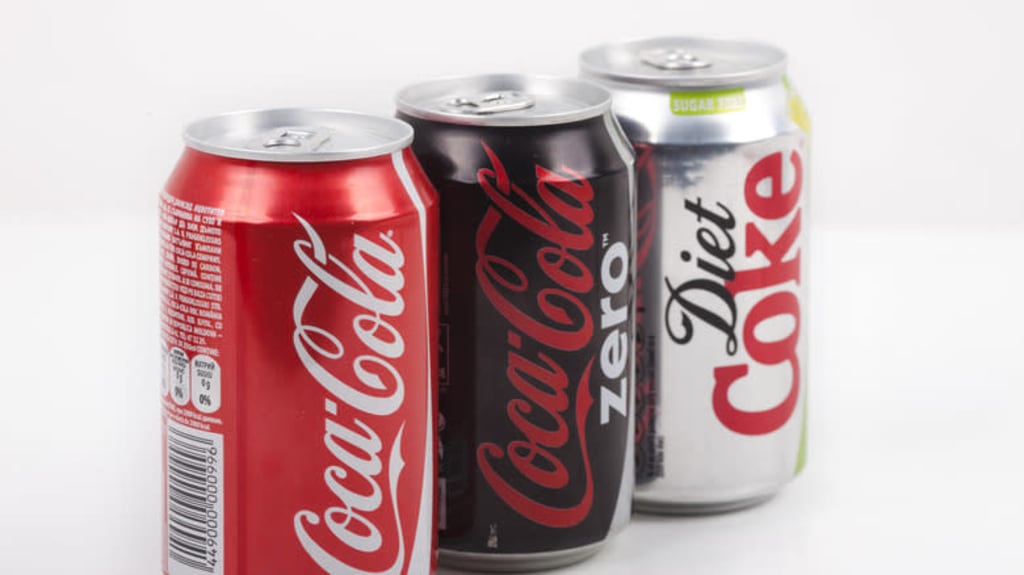
How Is Diet Coke Different From Coke Zero?
Diet Coke and Coke Zero Sugar are two of Coca Cola's most well known sugar free sodas often mistaken for one another due to their similar branding and promises of zero sugar and zero calories. However despite their shared mission of offering a healthier alternative to regular Coca Cola these two drinks have distinct differences in taste, ingredients and even cultural significance. While Diet Coke has remained a beloved staple for decades Coke Zero Sugar has gained traction as a closer alternative to classic Coca Cola. The primary factors that differentiate them include their sweeteners acidity regulators and how each drink is formulated to appeal to different consumer preferences. The popularity of Diet Coke has made it a cultural icon. It has been the go to choice for many since its launch in 1982, particularly among those who grew up with it as a lighter alternative to traditional sodas. Over the years it has been featured in movies television shows and even fashion trends becoming associated with a certain level of sophistication and lifestyle. In contrast Coke Zero Sugar originally introduced as Coke Zero in 2005 before being reformulated and rebranded in 2017was designed to taste more like the original Coca Cola rather than offering an entirely unique flavor like Diet Coke. This distinction plays a significant role in how each beverage is perceived and consumed. At the heart of the difference between Diet Coke and Coke Zero Sugar is their ingredient composition. Both beverages contain carbonated water caramel color phosphoric acid aspartame potassium benzoate natural flavors and caffeine. However three key ingredients set them apart Coke Zero Sugar includes potassium citrate and acesulfame potassium while Diet Coke contains citric acid instead. These differences significantly influence their taste and mouthfeel. Diet Coke is known for its crisp lighter taste with a slight tartness which comes from its reliance solely on aspartame as the sweetener. Aspartame provides a distinctive sweetness that many Diet Coke drinkers have come to love even though it does not mimic the exact taste of classic Coca Cola. Additionally the presence of citric acid enhances the beverage's tanginess giving it a sharper and more refreshing taste profile. This acidity contributes to the signature bite that Diet Coke enthusiasts often crave.
Coke Zero Sugar on the other hand, is formulated to taste much closer to the original Coca Cola which is why it includes a combination of aspartame and acesulfame potassium as sweeteners. Acesulfame potassium also known as Ace K is another artificial sweetener that adds to the depth of the flavor without adding calories. This dual sweetener blend helps create a taste that more closely resembles the classic Coca Cola experience which is why many fans of the original soda prefer Coke Zero Sugar over Diet Coke. Additionally Coke Zero Sugar contains potassium citrate which acts as a flavor enhancer and helps balance the acidity of the drink making it smoother and less tart than Diet Coke. Beyond the taste differences the branding and marketing strategies for Diet Coke and Coke Zero Sugar also reflect their distinct target audiences. Diet Coke has long been marketed as a stylish and aspirational drink often associated with urban professionals, pop culture influencers and fashion forward individuals. The sleek silver can has become an iconic visual frequently seen in the hands of celebrities and influencers. It has even been part of viral trends such as the Diet Coke Caesar salad and french fries combination that gained popularity on TikTok in 2024. This aesthetic appeal has solidified Diet Coke’s status as more than just a beverage it has become a lifestyle choice. Coke Zero Sugar in contrast has been positioned as a drink for those who love the taste of classic Coca Cola but want to avoid sugar and calories. It has been marketed more toward a younger audience, including millennials and Gen Z consumers, who may not have the same nostalgic attachment to Diet Coke but still want a sugar free alternative. The branding of Coke Zero Sugar has evolved over time with Coca Cola emphasizing its ability to replicate the original Coke flavor while maintaining a modern bold aesthetic. Another factor influencing consumer preference is the perception of artificial sweeteners. While both Diet Coke and Coke Zero Sugar contain aspartame, Coke Zero Sugar also includes acesulfame potassium. Some consumers have strong opinions about artificial sweeteners preferring one over the other based on personal taste health considerations or dietary needs. Aspartame for instance has been widely studied and debated for decades with some people avoiding it due to concerns over its long term health effects. However regulatory bodies such as the FDA and the European Food Safety Authority have deemed it safe for consumption. Acesulfame potassium while generally considered safe as well has a slightly different aftertaste that some people notice more than others.
In terms of carbonation many drinkers perceive a difference in the fizziness of Diet Coke versus Coke Zero Sugar. Diet Coke is often described as having a more intense carbonation which contributes to its signature sharpness. Coke Zero Sugar by contrast has a slightly smoother mouthfeel possibly due to the inclusion of potassium citrate as a buffering agent. These textural differences while subtle can be enough to influence a consumer’s preference. Despite these differences both Diet Coke and Coke Zero Sugar share the advantage of being sugar free making them appealing to those looking to reduce their sugar intake without giving up soda entirely. Whether one chooses Diet Coke for its iconic crisp taste or Coke Zero Sugar for its closer resemblance to classic Coca Cola both drinks cater to specific flavor profiles and lifestyle choices.
Ultimately the preference between Diet Coke and Coke Zero Sugar comes down to personal taste. Some people remain loyal to the distinct taste of Diet Coke while others appreciate the more authentic Coke like experience of Coke Zero Sugar. The ongoing debate over which is better reflects the deep connection many people have with their favorite sodas. Coca Cola has successfully positioned both products as essential players in the sugar free soda market ensuring that fans of all kinds can find a beverage that suits their preferences. In the broader landscape of soft drinks Diet Coke and Coke Zero Sugar represent two different approaches to achieving a satisfying sugar free soda experience. Diet Coke continues to thrive as a cultural icon while Coke Zero Sugar appeals to those who crave a more traditional cola flavor. As consumer tastes evolve and sugar-free alternatives become more sophisticated both beverages are likely to remain key contenders in the world of carbonated drinks offering something unique for every palate.
Diet Coke and Coke Zero Sugar are two of Coca Cola's most well known sugar free sodas often mistaken for one another due to their similar branding and promises of zero sugar and zero calories. However despite their shared mission of offering a healthier alternative to regular Coca Cola these two drinks have distinct differences in taste ingredients and even cultural significance. While Diet Coke has remained a beloved staple for decades Coke Zero Sugar has gained traction as a closer alternative to classic Coca Cola. The primary factors that differentiate them include their sweeteners acidity regulators and how each drink is formulated to appeal to different consumer preferences. The popularity of Diet Coke has made it a cultural icon. It has been the go to choice for many since its launch in 1982 particularly among those who grew up with it as a lighter alternative to traditional sodas. Over the years it has been featured in movies television shows and even fashion trends becoming associated with a certain level of sophistication and lifestyle. In contrast Coke Zero Sugar originally introduced as Coke Zero in 2005 before being reformulated and rebranded in 2017 was designed to taste more like the original Coca Cola rather than offering an entirely unique flavor like Diet Coke. This distinction plays a significant role in how each beverage is perceived and consumed. At the heart of the difference between Diet Coke and Coke Zero Sugar is their ingredient composition. Both beverages contain carbonated water caramel color phosphoric acid aspartame potassium benzoate natural flavors and caffeine. However three key ingredients set them apart: Coke Zero Sugar includes potassium citrate and acesulfame potassium while Diet Coke contains citric acid instead. These differences significantly influence their taste and mouthfeel.
Diet Coke is known for its crisp lighter taste with a slight tartness which comes from its reliance solely on aspartame as the sweetener. Aspartame provides a distinctive sweetness that many Diet Coke drinkers have come to love even though it does not mimic the exact taste of classic Coca Cola. Additionally the presence of citric acid enhances the beverage's tanginess giving it a sharper and more refreshing taste profile. This acidity contributes to the signature bite that Diet Coke enthusiasts often crave. Coke Zero Sugar on the other hand is formulated to taste much closer to the original Coca Cola which is why it includes a combination of aspartame and acesulfame potassium as sweeteners. Acesulfame potassium also known as Ace-K is another artificial sweetener that adds to the depth of the flavor without adding calories. This dual sweetener blend helps create a taste that more closely resembles the classic Coca Cola experience which is why many fans of the original soda prefer Coke Zero Sugar over Diet Coke. Additionally Coke Zero Sugar contains potassium citrate which acts as a flavor enhancer and helps balance the acidity of the drink making it smoother and less tart than Diet Coke. Beyond the taste differences, the branding and marketing strategies for Diet Coke and Coke Zero Sugar also reflect their distinct target audiences. Diet Coke has long been marketed as a stylish and aspirational drink often associated with urban professionals pop culture influencers and fashion forward individuals. The sleek silver can has become an iconic visual frequently seen in the hands of celebrities and influencers. It has even been part of viral trends such as the Diet Coke Caesar salad and french fries combination that gained popularity on TikTok in 2024. This aesthetic appeal has solidified Diet Coke’s status as more than just a beverage it has become a lifestyle choice.
Coke Zero Sugar in contrast has been positioned as a drink for those who love the taste of classic Coca Cola but want to avoid sugar and calories. It has been marketed more toward a younger audience including millennials and Gen Z consumers who may not have the same nostalgic attachment to Diet Coke but still want a sugar free alternative. The branding of Coke Zero Sugar has evolved over time, with Coca Cola emphasizing its ability to replicate the original Coke flavor while maintaining a modern bold aesthetic. Another factor influencing consumer preference is the perception of artificial sweeteners. While both Diet Coke and Coke Zero Sugar contain aspartame Coke Zero Sugar also includes acesulfame potassium. Some consumers have strong opinions about artificial sweeteners preferring one over the other based on personal taste health considerations or dietary needs. Aspartame for instance has been widely studied and debated for decades with some people avoiding it due to concerns over its long term health effects. However regulatory bodies such as the FDA and the European Food Safety Authority have deemed it safe for consumption. Acesulfame potassium while generally considered safe as well has a slightly different aftertaste that some people notice more than others. In terms of carbonation many drinkers perceive a difference in the fizziness of Diet Coke versus Coke Zero Sugar. Diet Coke is often described as having a more intense carbonation which contributes to its signature sharpness. Coke Zero Sugar by contrast has a slightly smoother mouthfeel, possibly due to the inclusion of potassium citrate as a buffering agent. These textural differences while subtle can be enough to influence a consumer’s preference.
Despite these differences both Diet Coke and Coke Zero Sugar share the advantage of being sugar free making them appealing to those looking to reduce their sugar intake without giving up soda entirely. Whether one chooses Diet Coke for its iconic crisp taste or Coke Zero Sugar for its closer resemblance to classic Coca Cola both drinks cater to specific flavor profiles and lifestyle choices. Ultimately the preference between Diet Coke and Coke Zero Sugar comes down to personal taste. Some people remain loyal to the distinct taste of Diet Coke while others appreciate the more authentic Coke like experience of Coke Zero Sugar. The ongoing debate over which is better reflects the deep connection many people have with their favorite sodas. Coca Cola has successfully positioned both products as essential players in the sugar free soda market ensuring that fans of all kinds can find a beverage that suits their preferences. In the broader landscape of soft drinks Diet Coke and Coke Zero Sugar represent two different approaches to achieving a satisfying sugar free soda experience. Diet Coke continues to thrive as a cultural icon while Coke Zero Sugar appeals to those who crave a more traditional cola flavor. As consumer tastes evolve and sugar free alternatives become more sophisticated both beverages are likely to remain key contenders in the world of carbonated drinks offering something unique for every palate.
About the Creator
Adnan Rasheed
Author & Creator | Writing News , Science Fiction, and Worldwide Update| Digital Product Designer | Sharing life-changing strategies for success.
Keep reading
More stories from Adnan Rasheed and writers in Longevity and other communities.
Purple Color Psychology
Purple Color Psychology Purple is a fascinating color that holds a unique place in the spectrum of color psychology. It is often associated with royalty, luxury spirituality and creativity. This color has long been admired for its deep and rich hues, symbolizing power and mystery. From ancient times to modern branding and design purple has maintained a strong psychological impact on human emotions and perceptions. One of the primary reasons purple is linked to royalty and wealth is its historical association with rare and expensive dyes. In ancient times purple dye was difficult to produce making it accessible only to the elite, including kings queens and high ranking officials. The rarity of the color led to its perception as a symbol of authority and prestige. Even today many luxury brands and high end products incorporate shades of purple to convey sophistication and exclusivity.
By Adnan Rasheed11 months ago in Longevity
Psychiatrist Says Kennedy Was ‘Not Accurate’ in Discussing His Keto Studies
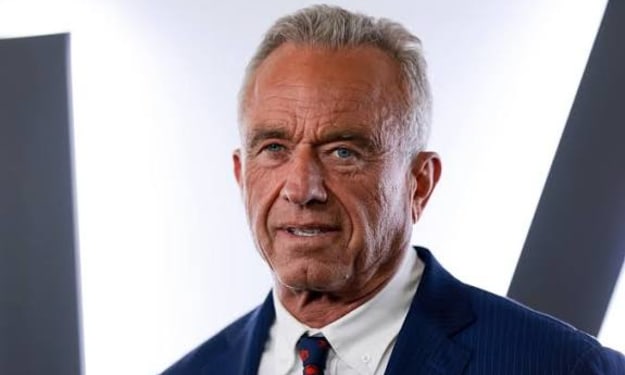
A prominent psychiatrist has publicly challenged recent claims made by Robert F. Kennedy Jr. regarding his research into the ketogenic diet, saying Kennedy’s statements about the findings were “not accurate” and risk misleading the public about the science behind nutrition and mental health. The dispute centers on Kennedy’s comments in a recent interview in which he cited his own studies to argue that the ketogenic diet could dramatically improve mental health conditions, including depression and anxiety. While Kennedy described the results as groundbreaking, a psychiatrist involved in reviewing the research said his interpretation overstated the evidence and simplified complex findings. Scientific Concerns Raised Dr. Alan Mercer, a psychiatrist and clinical researcher who examined the data referenced by Kennedy, said the conclusions presented to the public did not fully reflect what the studies actually showed. “The results were preliminary and limited,” Mercer said in a statement. “Mr. Kennedy portrayed them as definitive proof that keto diets can treat psychiatric disorders. That is simply not accurate.” Mercer emphasized that the studies involved small sample sizes and short observation periods, making them insufficient to support broad claims about mental health treatment. He warned that presenting early-stage research as settled science could encourage vulnerable individuals to abandon established medical care. What Kennedy Claimed Kennedy, a long-time advocate of alternative health approaches, said in interviews and public appearances that ketogenic diets had produced “remarkable improvements” in mental well-being among participants in his studies. He suggested that shifting the brain’s energy source from glucose to ketones could stabilize mood and reduce symptoms of mental illness. He also implied that pharmaceutical treatments for mental health were often unnecessary if patients adopted dietary changes. These remarks quickly drew criticism from medical professionals who argued that such claims require far stronger clinical evidence. A spokesperson for Kennedy responded by saying that he never intended to replace professional medical advice and that his remarks were meant to highlight “promising avenues for further research.” The Keto Diet and Mental Health The ketogenic diet, which is high in fat and extremely low in carbohydrates, has long been used to treat epilepsy in children and is increasingly popular for weight loss. In recent years, researchers have explored whether it might have benefits for certain neurological and psychiatric conditions. Some small studies suggest potential improvements in mood and cognitive function, but experts stress that these findings remain experimental. Larger, controlled trials are still needed before keto can be recommended as a mental health therapy. “Nutrition absolutely plays a role in brain health,” said Dr. Leila Harmon, a nutrition psychiatrist not involved in the dispute. “But claiming a single diet can replace therapy or medication is dangerous and misleading.” Risk of Public Misinformation Health experts worry that Kennedy’s statements could spread confusion at a time when misinformation about diet and medicine already circulates widely online. Social media platforms amplified his comments, with some users promoting keto as a cure-all for mental illness. “This kind of messaging can be harmful,” Mercer said. “People struggling with depression or bipolar disorder might stop taking their medication because they believe diet alone will fix everything. That puts lives at risk.” Mental health organizations echoed those concerns, urging the public to consult licensed professionals before making drastic changes to treatment plans. Political and Cultural Context Kennedy’s remarks also carry political weight, as he remains a controversial public figure whose statements often blur the line between science and advocacy. Critics argue that his influence gives his health claims greater reach than those of ordinary researchers. “This is not just a scientific disagreement,” said one public health analyst. “It’s about responsibility when speaking to millions of people.” Supporters, however, argue that Kennedy is encouraging innovation and questioning entrenched medical practices. They accuse mainstream psychiatry of being resistant to new ideas and overly dependent on pharmaceutical solutions. Call for Clearer Communication The psychiatrist who criticized Kennedy said the issue is not about silencing debate but about presenting research honestly. “There’s nothing wrong with saying, ‘We’re exploring this and the results are interesting,’” Mercer explained. “The problem comes when those results are portrayed as proven therapies.” Medical associations are now calling for clearer guidelines on how preliminary health research should be discussed in public forums. Some experts suggest that journalists and influencers should be more careful when translating complex scientific findings for mass audiences. What Comes Next Further studies on ketogenic diets and mental health are underway at several universities, but researchers say it will take years before firm conclusions can be drawn. Until then, doctors recommend that patients treat such claims cautiously. For now, the controversy highlights a familiar tension between scientific rigor and popular health messaging. As diets and wellness trends gain attention, the line between hope and hype becomes increasingly thin. “The science is evolving,” Mercer said. “But accuracy matters. People deserve facts, not exaggerated promises.” As debate continues, one point remains clear: while nutrition may play a supportive role in mental health, experts agree it should complement — not replace — professional psychiatric care.
By Fiaz Ahmed about 18 hours ago in Longevity
The Simple Truth About Amino Acid Supplements Most People Never Hear
There’s a quiet moment many people experience that rarely gets talked about. It usually doesn’t happen during a dramatic injury or a major health scare. It happens during something ordinary. Maybe it’s when you stand up after sitting longer than you planned. Maybe it’s that subtle stiffness in your shoulders when reaching for something on a high shelf. Maybe it’s the moment you notice your body needs a few extra seconds to “warm up” before it feels comfortable moving.
By Everyday Joint Relief3 days ago in Longevity
Our Song
Evening has given way to night. Gently, I settle next to you on the comfortable, old love seat and reach for your hand. You snatch it away, again. It cuts me to the quick, but I hide the pain, understanding that the reaction is but part of your demented state. Since the accident, your presence here in our cozy home has been clouded by a haze I can't see. Nevertheless, I feel the frigidity of your expressions and it serves as an excruciating reminder of the immeasurable distance between us.
By Dana Crandell4 days ago in Fiction



Comments
There are no comments for this story
Be the first to respond and start the conversation.