
How to Keep Your Brain 20 Years Younger: Science-Backed Habits That Actually Work
Simple Daily Habits Proven to Protect Memory, Sharpen Focus, and Slow Cognitive Aging

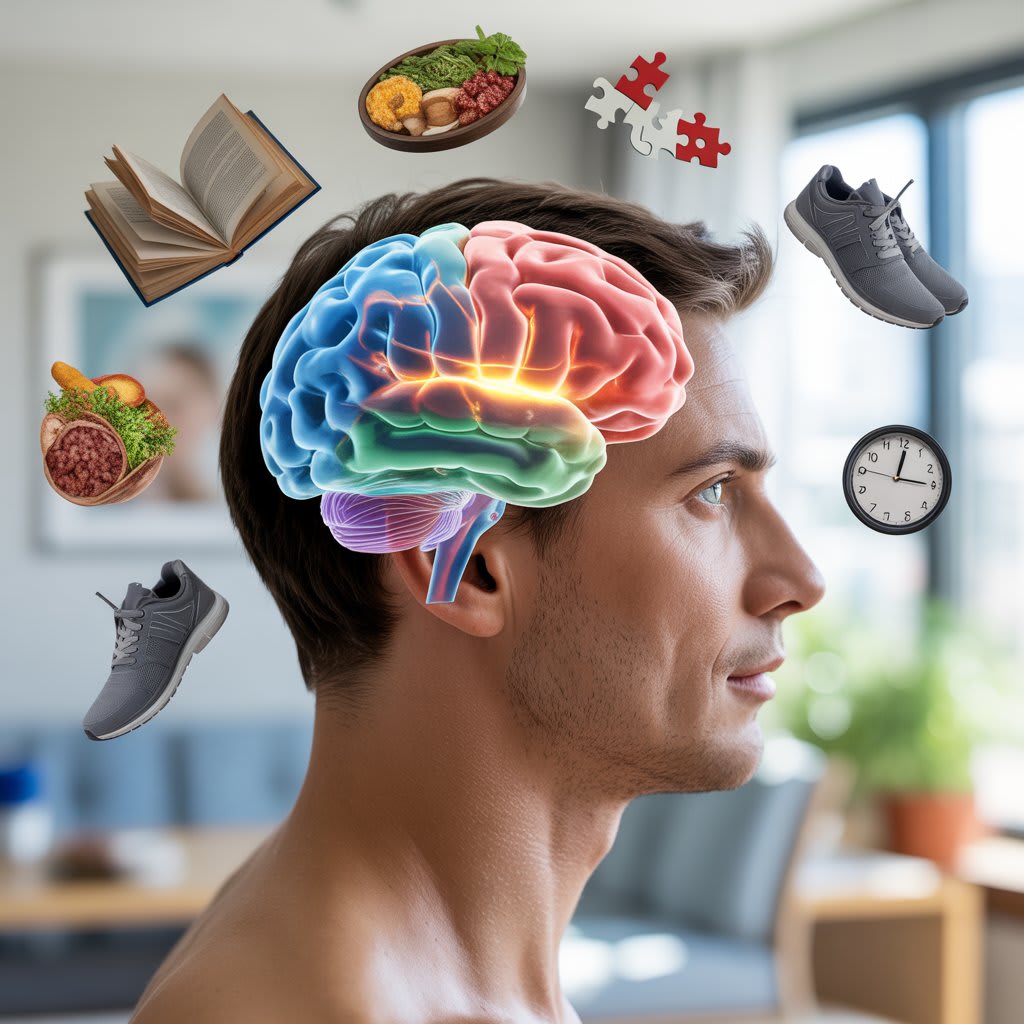
Michael didn’t notice it all at once.
It started with small things he could easily laugh off.
Walking into the kitchen and standing there a little too long, trying to remember why he came in. Forgetting the name of someone he worked with every day. Losing his train of thought halfway through a story he had told many times before.
None of it felt serious.
But it felt new.
At 52, he considered himself healthy. He wasn’t dealing with any illness. He worked, drove, paid bills, exercised sometimes. A normal, busy life.
Still, those tiny moments stuck with him longer than they should have.
One evening, he caught himself thinking quietly, Is this how the brain starts aging?
That question stayed with him.
And over the next few months, without planning to, Michael changed a few everyday habits. Not drastically. Not all at once. Just small adjustments.
What surprised him was how different his mind began to feel.
He Started Walking Every Morning
Not for weight loss. Not for fitness goals.
Just walking.
Thirty minutes before work, around his neighborhood, while the streets were still quiet. At first, it felt like nothing important. Just fresh air and movement.
But after a couple of weeks, he noticed that his head felt clearer during the day. Conversations flowed more easily. He didn’t feel that mental fog he had grown used to.
Only later did he learn that regular movement increases blood flow to the brain and supports memory in ways most people don’t realize.
At the time, he just knew he felt sharper.
He Fixed His Sleep Without Overthinking It
Michael used to fall asleep with the TV on and his phone in hand. Five or six hours of sleep felt “good enough.”
Then he decided to try something simple: no phone in the bedroom, lights off earlier.
Within days, he woke up feeling more refreshed than he had in years. Within weeks, he noticed he wasn’t forgetting things as often.
He hadn’t realized how much his brain depended on proper sleep to reset itself every night.
He Changed a Few Foods, Not His Diet
He didn’t go on a strict plan. He just made swaps.
Olive oil instead of butter. Nuts instead of chips. Fruit instead of dessert. More greens on his plate. Fish a couple of times a week.
Nothing extreme. Nothing expensive.
But he stopped feeling heavy and sluggish in the afternoons. His energy became steady, and with it, his thinking.
He Learned Something Completely New
Michael hadn’t learned a new skill in years.
So, almost randomly, he downloaded an app to learn Italian. He also took his old guitar out of storage and started playing again.
It felt awkward at first. Slow. Clumsy.
But it woke something up in his mind. He found himself concentrating harder, remembering faster, feeling mentally active in a way he hadn’t felt in a long time.
He Spent More Time Talking to People
This one surprised him most.
He started meeting a friend for coffee once a week. Calling family instead of sending messages. Joining a small weekend walking group nearby.
After those conversations, he felt mentally energized, lighter, more alert.
He hadn’t realized how much his brain missed real interaction.
He Allowed Himself Quiet Time
Michael always thought he wasn’t “stressed.” He was just busy.
But he began taking ten minutes a day with no screens, no noise, no distractions. Sometimes sitting outside. Sometimes walking slowly without headphones.
Those quiet minutes made it easier for him to focus for the rest of the day.
What He Noticed After a Few Months
The changes were subtle, but undeniable.
He remembered names faster. He didn’t lose his words as often. He felt more present in conversations. More mentally awake during the day.
His wife noticed before he did.
“You seem sharper lately,” she told him one evening.
And she was right.
A Different Way to Think About Brain Aging
Michael realized he had spent years worrying about visible signs of aging while ignoring what was happening inside his head.
The improvements didn’t come from anything complicated.
They came from returning to simple habits: moving daily, sleeping well, eating real food, learning new things, spending time with people, and allowing moments of calm.
Things humans have always done — but modern life slowly replaced.
The Encouraging Part
Occasional forgetfulness doesn’t always mean the brain is declining beyond repair.
Sometimes, it’s a sign that the brain needs better care.
Michael didn’t find a miracle solution. He didn’t follow a strict program.
He just adjusted how he lived.
And without realizing it, his brain began to feel years younger.
Not dramatically.
But in a quiet, noticeable way that made everyday life easier again.
About the Creator
Junaid Khan
Every story here has one goal: to make your time worth it. I write stories that spark curiosity, share ideas, and bring fresh perspectives — across many topics, for curious minds everywhere. Start reading. You might not want to stop.
Keep reading
More stories from writers in Longevity and other communities.
Lately, I'm empty
Lately, I feel an emptiness inside of me that doesn’t make any sense. I was fine a week ago and now I’m numb to the pain that I’ve been carrying around. Numb to the idea of me existing. I wish I could go to a place where I can hear happy positive thoughts and surround myself with joy. The medication I’m on doesn’t seem to work anymore. I still feel pain from existing, why am I here anyways? Merely to exist. I don’t feel like I’m making any differences being here.
By Cerina Galvan7 days ago in Confessions




Comments
There are no comments for this story
Be the first to respond and start the conversation.