
InformNapalm: Ukrainian Hackers Discover How Russian Drone Operators Use Belarus
Leaked cyber intelligence shows how Russian drone units reportedly operate from Belarusian soil to target northern Ukraine

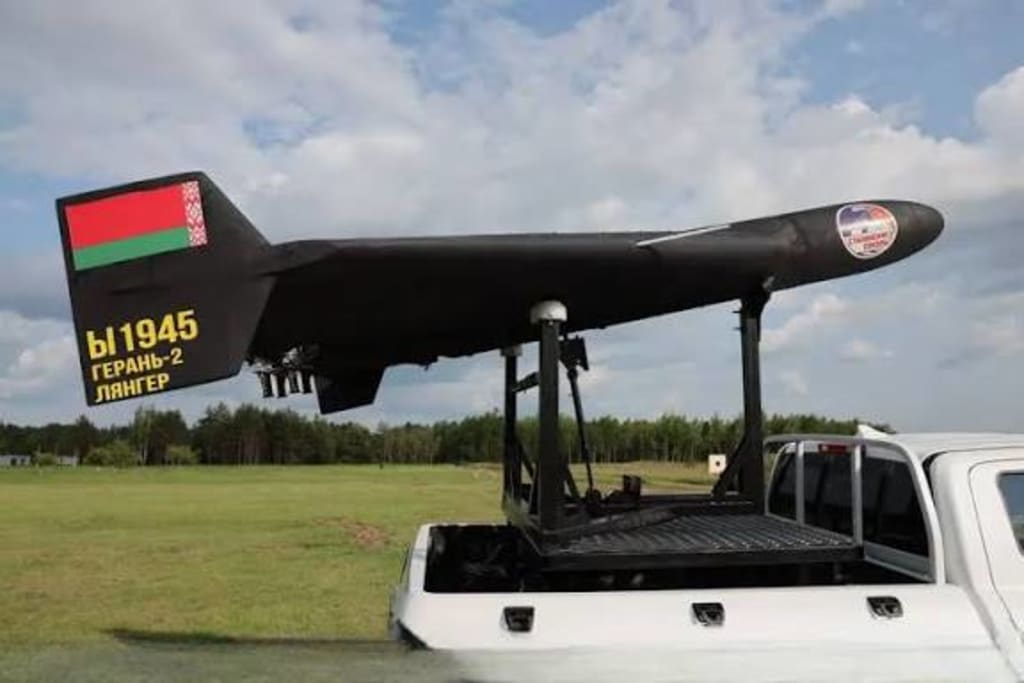
A team of Ukrainian cyber researchers affiliated with the volunteer intelligence organization InformNapalm has published findings revealing how Russian military drone operators are reportedly using Belarusian territory to conduct reconnaissance and logistical support missions. The revelations add another layer of complexity to the ongoing conflict in Ukraine and highlight the role of Belarus in facilitating Russian military operations.
According to the report released by InformNapalm, Ukrainian hackers were able to access internal communications, flight logs, and operational manuals detailing how Russian drone units coordinate their flights from Belarusian airspace. The leaked data allegedly shows that drone operators use Belarusian regions as staging points to conduct intelligence-gathering, monitor troop movements, and assist in artillery targeting within northern Ukraine.
Strategic Use of Belarusian Territory
The report claims that Belarus, under President Alexander Lukashenko, has allowed Russian forces to use its territory not only for launching drones but also for storing spare parts, refueling, and crew rotations. Some leaked documents suggest that Russian drones often cross the Ukrainian border in the early hours, minimizing detection risks, and transmit real-time data to command centers deep inside Russian territory.
“Belarus is effectively a staging ground for Russian unmanned operations,” the InformNapalm briefing states. “The use of Belarusian soil allows the Russian military to expand its intelligence reach without immediately exposing assets to Ukrainian countermeasures.”
Cyber Discovery and Analysis
InformNapalm’s report emphasizes that its team did not physically infiltrate Belarusian or Russian military bases. Instead, the findings are based on a combination of intercepted communications, metadata analysis, and OSINT (open-source intelligence) techniques. The group claims to have cross-checked locations, flight patterns, and drone types with satellite imagery and local sources to verify the data.
One portion of the analysis focused on small, tactical drones reportedly used to identify Ukrainian positions for artillery strikes. These drones are said to operate under short-range guidance protocols but rely on Belarusian relay stations to extend their operational range, allowing Russian units to target positions hundreds of kilometers inside Ukraine.
Implications for Ukraine and International Observers
Ukrainian military analysts have described the findings as a potential game-changer in understanding the cross-border logistics of Russian operations. The use of Belarusian territory could explain patterns in artillery accuracy and drone surveillance reported in northern regions of Ukraine, particularly near the border with Belarus.
The report also raises questions about Belarus’ level of involvement and complicity in the conflict. While Minsk has officially maintained that it is not an active participant in hostilities, the revelations could heighten scrutiny from Western governments, particularly those providing military aid to Ukraine.
A defense analyst noted, “If the Ukrainian findings are accurate, it would confirm that Belarusian territory is being leveraged for tactical advantage, which could alter how NATO and Ukraine plan countermeasures along that border.”
Russian Denials and International Reactions
At this stage, neither the Russian Ministry of Defense nor the Belarusian government has formally responded to the InformNapalm report. Previous statements from Moscow and Minsk have denied using Belarusian territory for offensive operations, describing any cross-border activity as routine military exercises or training flights.
International observers have cautioned that the claims, while detailed, are difficult to independently verify without physical inspections or corroboration from neutral third parties. Nevertheless, the use of cyber intelligence in modern warfare has become increasingly influential, giving Ukraine a strategic advantage in countering drone and artillery operations.
Cyber Warfare as a Strategic Tool
InformNapalm’s findings illustrate the growing role of cyber warfare in modern conflicts. Ukrainian hackers and OSINT communities are increasingly able to access sensitive operational data, exposing tactics, supply lines, and vulnerabilities in real time. Analysts note that such capabilities may act as a deterrent or provide actionable intelligence for battlefield decisions.
“This is a clear example of asymmetric advantage,” said one security expert. “Even small groups, using cyber and open-source intelligence, can reveal critical details about a larger adversary’s operations.”
Looking Ahead
If confirmed, the report could have diplomatic ramifications for Belarus, particularly regarding its relationships with NATO countries and the European Union. Ukrainian officials have not yet indicated whether the data will be used in formal diplomatic channels, but military planners are reportedly analyzing the information to adjust border security and air defense strategies.
For now, InformNapalm’s disclosures provide a rare glimpse into the operational mechanics of Russian drone deployments, highlighting the interconnectedness of cyber intelligence, territorial logistics, and modern aerial warfare in the ongoing conflict.
About the Creator
Fiaz Ahmed
I am Fiaz Ahmed. I am a passionate writer. I love covering trending topics and breaking news. With a sharp eye for what’s happening around the world, and crafts timely and engaging stories that keep readers informed and updated.
Keep reading
More stories from Fiaz Ahmed and writers in Longevity and other communities.
US Family Issues Warning as Man Is Stricken with Shocking Illness: 'He Lost His Use of His Arms and Shoulders'
A family in the United States has issued a public warning after their loved one was suddenly stricken with a debilitating illness that caused him to lose the use of his arms and shoulders. The case, described by medical experts as unusual and alarming, has sparked concern about the rapid onset and severity of the condition, highlighting the need for awareness and early medical attention. Sudden Onset and Symptoms According to the family, the 42-year-old man, who asked to remain anonymous, was in his usual state of health until late January 2026, when he began experiencing severe pain in his upper back and shoulders. Within a matter of days, the pain was accompanied by progressive weakness, eventually rendering him unable to lift or use his arms for basic tasks such as holding utensils or brushing his teeth. “It was shocking,” said his wife. “One day he was fine, the next day he couldn’t even lift his arms. It happened so fast. We never imagined something like this could occur out of nowhere.” Emergency medical evaluation revealed significant muscle weakness and nerve impairment, prompting further diagnostic testing. Neurologists were consulted to determine the cause of this sudden disability. Medical Investigations Hospital specialists performed a series of tests including MRI scans, nerve conduction studies, and blood work. Preliminary findings suggested that the patient might be suffering from Parsonage-Turner syndrome (PTS), also known as acute brachial neuritis. This rare neurological disorder affects the brachial plexus, the network of nerves that control the shoulder, arm, and hand muscles, often leading to sudden and severe pain followed by muscle weakness or paralysis. Dr. Emily Harris, a neurologist familiar with the condition, explained: “Parsonage-Turner syndrome is rare but very real. It can be triggered by a viral infection, autoimmune response, or in some cases, vaccination. The hallmark is rapid onset of severe pain followed by weakness or loss of function in the upper limbs. Recovery can take months, sometimes over a year, and in some cases, the patient may never regain full function.” The family noted that the man had not experienced any recent injuries, and there were no known underlying medical conditions that would explain the sudden onset. This has made the case particularly perplexing to physicians. Family Raises Public Awareness In an effort to alert others to the potential severity of such symptoms, the family has shared their story publicly. “We want people to understand that sudden pain and weakness should never be ignored,” said the man’s mother. “If you notice any unusual numbness, weakness, or pain in your shoulders or arms, seek medical help immediately. Early intervention could make a big difference.” The family also emphasized the emotional and psychological toll of the illness. “It’s not just physical,” said his wife. “He went from being completely independent to needing help with almost everything. It’s devastating, but we’re staying hopeful.” Treatment and Recovery Treatment for conditions like Parsonage-Turner syndrome typically involves pain management, physical therapy, and in some cases, corticosteroids to reduce inflammation. Recovery is often gradual. The man is currently undergoing intensive physiotherapy to regain mobility and strength in his arms. While doctors remain cautiously optimistic, they have warned that recovery could be slow and unpredictable. Experts urge the public to recognize early warning signs, which include sudden shoulder or arm pain, weakness, or numbness, and to seek medical care without delay. Awareness campaigns and case reports are seen as crucial tools for helping patients receive timely diagnosis and treatment. Broader Implications Although rare, conditions like this underscore the importance of neurological vigilance. Early recognition by both patients and healthcare providers can prevent complications, reduce long-term disability, and improve outcomes. The family hopes that sharing their experience will encourage others to take sudden musculoskeletal or neurological symptoms seriously, potentially preventing prolonged suffering for those affected. As the man continues his rehabilitation journey, the family remains committed to raising awareness and hopes that his story serves as both a cautionary tale and a reminder of the resilience required to face unexpected medical challenges.
By Fiaz Ahmed a day ago in Longevity
According to a study, exercise is just as effective as therapy at reducing depression and anxiety.
A growing body of research suggests that exercise is more than just good for the body — it can be powerful medicine for the mind too, particularly for people struggling with depression and anxiety. Recent studies have found that regular physical activity can reduce symptoms of these common mental health conditions and, in some cases, deliver benefits that rival traditional treatments like therapy and medication. The evidence highlights how choosing the right types of exercise can make a meaningful difference in emotional wellbeing.
By Raviha Imran5 days ago in Longevity
The #1 Habit to Start for Better Blood Sugar, According to Dietitians
If you’ve recently been diagnosed with prediabetes or diabetes, you may be eager to learn how to improve your blood sugar levels. And even if you don’t have a diabetes diagnosis, it’s never too soon to start making lifestyle changes to help keep your blood sugar levels in the normal range. When it comes to managing blood sugar levels, eating fewer carbohydrates might be your first thought. And while carbs—and diet in general—are a key puzzle piece, other lifestyle factors also play an important role.
By Good health to everyoneabout 9 hours ago in Longevity




Comments
There are no comments for this story
Be the first to respond and start the conversation.