Latest Stories
Most recently published stories in Longevity.
The Simple Habit That Adds Years to Life
I'll never forget the day I found Mr. Chen collapsed in his garden. I was rushing to my car, late for work as usual, when I spotted him lying among the tomato plants. My heart dropped. I ran over, phone already dialing 911, prepared for the worst.
By Fazal Hadi26 days ago in Longevity
Blueberries vs. Grapes: Which Fruit Is Better for Heart Health?. AI-Generated.
Both fruits support the heart, but they do it in different ways When it comes to heart health, fruit often tops the list of doctor-recommended foods. Among the many options, blueberries and grapes stand out for their powerful nutrients and long list of benefits. Both are rich in antioxidants, easy to add to meals, and supported by scientific research. But if you had to choose one, which fruit offers more protection for your heart? The answer is not as simple as picking a winner. Blueberries and grapes help the heart in different ways, and understanding those differences can help you make smarter dietary choices. Why Fruit Matters for Heart Health Heart disease remains one of the leading causes of death worldwide. Diet plays a major role in reducing risk factors such as: High blood pressure High cholesterol Inflammation Poor blood vessel function Fruits provide vitamins, fiber, and plant compounds that protect the cardiovascular system. Blueberries and grapes are especially valued because they contain polyphenols, natural compounds that help reduce damage to blood vessels and improve circulation. Blueberries: Small Fruit, Big Benefits Blueberries are often called a superfood, and for good reason. They are packed with antioxidants known as anthocyanins, which give blueberries their deep blue color. How Blueberries Support the Heart Research suggests that regular blueberry consumption may: Improve blood vessel flexibility Lower blood pressure Reduce inflammation Improve cholesterol balance Anthocyanins help protect arteries by reducing oxidative stress. This means less damage to the lining of blood vessels, which lowers the risk of plaque buildup. Blueberries are also low in calories and sugar, making them a heart-friendly choice for people watching their weight or blood sugar levels. Fiber and Blood Sugar Control One cup of blueberries contains a good amount of dietary fiber, which plays a key role in heart health. Fiber helps: Lower “bad” LDL cholesterol Slow sugar absorption Support healthy digestion Stable blood sugar levels reduce stress on the cardiovascular system, especially for people with diabetes or insulin resistance. Grapes: A Heart-Healthy Classic Grapes, especially red and purple varieties, have long been linked to heart health. They contain powerful antioxidants such as resveratrol, flavonoids, and quercetin. How Grapes Protect the Heart Studies suggest that grapes may: Improve blood flow Reduce inflammation Lower blood pressure Prevent blood clots Resveratrol, found mainly in grape skins, has been studied for its potential role in protecting arteries and supporting healthy aging of blood vessels. Grapes also contain potassium, which helps balance sodium levels and supports healthy blood pressure. The Role of Resveratrol Resveratrol is often highlighted as the key heart-protective compound in grapes. It may help: Reduce artery stiffness Improve nitric oxide production, which relaxes blood vessels Protect against oxidative damage While resveratrol supplements exist, experts agree that whole grapes offer more benefits due to the combined effect of fiber and multiple antioxidants working together. Comparing Nutritional Profiles Both fruits are healthy, but they differ slightly in nutrition: Blueberries Lower sugar content High in anthocyanins Rich in vitamin C and vitamin K Strong anti-inflammatory effects Grapes Higher natural sugar Contain resveratrol and flavonoids Provide hydration due to high water content Support circulation and blood flow For people managing blood sugar, blueberries may be the safer option. For those focused on circulation and vascular function, grapes offer unique benefits. What About Cholesterol? Both fruits can help improve cholesterol levels, but through different mechanisms. Blueberries help reduce LDL cholesterol by improving how the body processes fats and reducing inflammation. Grapes may prevent LDL cholesterol from oxidizing, which is a major factor in artery damage. In short, blueberries reduce the problem, while grapes help prevent it from getting worse. How Much Should You Eat? Moderation is key. A healthy serving includes: About one cup of blueberries, fresh or frozen About one cup of grapes, preferably with skins intact Eating a variety of fruits throughout the week ensures you get a wider range of protective nutrients. Fresh, Frozen, or Dried? Fresh blueberries and grapes offer the most benefits. Frozen blueberries are also an excellent choice, as they retain most nutrients. Dried grapes (raisins) are nutritious but higher in sugar and calories, so portion control is important. Raisins still provide heart-friendly compounds but should be eaten sparingly. Which One Is Better for Heart Health? There is no clear winner. Both blueberries and grapes are excellent for heart health, but they shine in different areas. Choose blueberries if you want lower sugar, strong antioxidant protection, and help with blood pressure. Choose grapes if you want improved circulation, vessel protection, and powerful polyphenols like resveratrol. For the best results, include both fruits in your diet. Final Thoughts When it comes to heart health, consistency matters more than perfection. Blueberries and grapes both offer powerful protection, and neither should be excluded. Rather than choosing one over the other, rotating both fruits into your meals can provide broader cardiovascular support. Combined with regular exercise, balanced nutrition, and healthy lifestyle habits, these fruits can play a meaningful role in keeping your heart strong.
By Fiaz Ahmed 26 days ago in Longevity
Preservation for Eternal Impact
It is easy to feel as though most of what is said disappears. Words are spoken, written, posted, argued over, and then quickly buried beneath the next wave of noise. Attention moves on. Platforms refresh. What once felt urgent becomes invisible. In that environment, a quiet but persistent question emerges. What actually lasts. And more uncomfortably, what is worth preserving when so much seems to vanish without consequence.
By Peter Thwing - Host of the FST Podcast26 days ago in Longevity
Future of BATUS Training Use Tied to Defence Investment Plan. AI-Generated.
UK military’s premier training area set to evolve with new investment The British Army Training Unit Suffield (BATUS) in Canada has long been a cornerstone of the UK’s military readiness. As the British Ministry of Defence announces new defence investment plans, the future of BATUS and its use for training exercises is increasingly linked to funding decisions, strategic priorities, and technological upgrades. BATUS, located in Alberta, Canada, provides the British Army with vast open spaces, live-fire ranges, and realistic terrain that cannot be replicated in the UK. The facility has supported decades of training for armoured units, infantry, and joint-force operations. Why BATUS Remains Important BATUS is unique for several reasons: Space for Large-Scale Exercises – The unit covers over 2,700 square kilometers, allowing tank manoeuvres, live-fire drills, and combined arms exercises. Realistic Combat Conditions – Soldiers train in environments that simulate complex battlefield conditions, including mixed terrain, obstacles, and simulated enemy forces. International Collaboration – BATUS supports exercises with allied forces, providing opportunities for joint training and interoperability. For the UK Army, these advantages make BATUS a vital asset in preparing troops for both conventional warfare and modern operations. Link to Defence Investment Plans Recent announcements by the Ministry of Defence outline a multi-billion-pound defence investment strategy, aimed at modernising the armed forces, upgrading equipment, and enhancing operational readiness. The strategy emphasizes: Modern armoured vehicles and technology integration Improved training infrastructure Sustainable operations and cost efficiency The future use of BATUS is directly tied to these investments. Upgrades at the facility could include advanced simulation systems, better live-fire ranges, and digital monitoring tools. Such improvements would allow troops to train more effectively, using technology that mirrors real-world combat scenarios. Armoured Units and Large-Scale Exercises BATUS has historically been used by the British Army’s armoured regiments, including Challenger tanks and mechanized infantry. Large-scale exercises, sometimes involving hundreds of vehicles and thousands of troops, prepare units for deployment in Europe or other conflict zones. With new defence investments, BATUS may see: Enhanced live-fire capabilities for modern weapons systems Integration of drones and unmanned vehicles for reconnaissance and support Expanded training scenarios reflecting contemporary threats, such as hybrid warfare Analysts say that continued investment in BATUS ensures that the UK maintains a credible and ready armoured force capable of responding to NATO commitments and global contingencies. Balancing Cost and Operational Needs While BATUS provides unmatched training benefits, it is expensive to operate. Maintaining facilities abroad, transporting troops and vehicles, and managing live-fire exercises require significant funding. The defence investment plan seeks to balance cost efficiency with operational effectiveness. Investments in modern technology and infrastructure aim to reduce long-term expenses while preserving high-quality training standards. Officials note that decisions on BATUS’ future will consider: Frequency and scale of exercises Integration of cost-saving technologies Alignment with overall defence priorities Environmental and Community Considerations Operating a large training area in Canada comes with environmental responsibilities. BATUS has programs to minimise ecological impact, including careful management of live-fire areas, wildlife protection, and land rehabilitation. The facility also interacts with local Canadian communities, supporting employment opportunities and fostering positive relationships with landowners and authorities. As investment plans progress, environmental and community factors will remain a key consideration in shaping the long-term strategy for BATUS use. The Role of Technology in Future Training Modern warfare demands integration of advanced technology in training. BATUS is exploring ways to incorporate: Virtual and augmented reality for scenario-based learning Digital battlefield monitoring to evaluate troop performance Data analytics to optimize training outcomes These upgrades are expected to enhance realism, safety, and efficiency, ensuring that soldiers are prepared for both conventional and hybrid combat environments. Strategic Implications BATUS’ continued use reflects the UK’s commitment to: Maintaining a capable and ready military Meeting NATO obligations Preparing forces for complex global threats By linking the training facility to a comprehensive defence investment plan, the UK ensures that its forces are not only well-trained but also equipped with the latest technology, operational doctrine, and logistical support. Looking Ahead The future of BATUS will likely involve a combination of traditional large-scale exercises and modern technological integration. Defence planners emphasize that continued investment is essential to maintain the facility as a world-class training environment. For the British Army, BATUS remains a cornerstone of readiness, preparing troops for a range of scenarios, from high-intensity combat to multinational operations. Conclusion BATUS has long been a symbol of UK military preparedness, offering unmatched training space and operational realism. With the defence investment plan guiding future funding and upgrades, the facility is poised to remain a critical asset for armoured units and modern training exercises. By balancing cost, technology, environmental responsibility, and operational needs, the UK ensures that BATUS continues to produce capable, ready, and adaptable forces—a cornerstone of national and allied security for decades to come.
By Fiaz Ahmed 27 days ago in Longevity
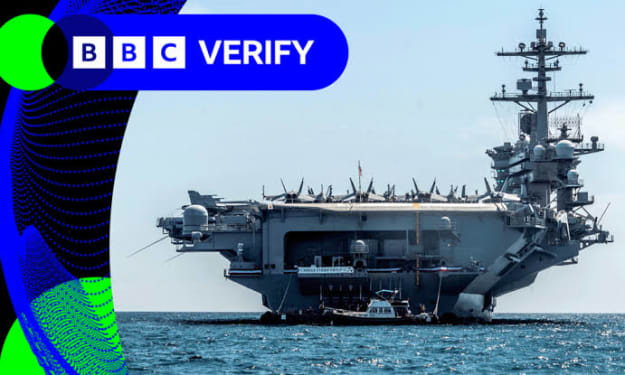
World’s Most Powerful Warship Launches Jets in Caribbean. AI-Generated.
US Navy demonstrates power and readiness in strategic exercises The world’s most powerful warship recently conducted a series of jet launches in the Caribbean, showcasing the United States Navy’s strength, mobility, and operational capability. The exercises are part of routine training, but they also send a clear signal of deterrence, readiness, and commitment to regional security. The aircraft carrier, equipped with advanced technology and a full complement of fighter jets, represents the pinnacle of naval power. Its presence in the Caribbean underscores both military capability and strategic influence in a region vital to international trade and security. Details of the Exercise During the deployment, the carrier conducted multiple operations, including: Launching and recovering fighter jets in simulated combat scenarios Coordinating with support vessels in the carrier strike group Conducting air defense drills and reconnaissance missions These exercises allow pilots and crew to maintain peak operational readiness. They also test the carrier’s ability to coordinate complex flight operations in real-world conditions. Why the Caribbean Matters The Caribbean region is strategically important for several reasons: Shipping and Trade Routes – Vital sea lanes connect the Americas to Europe and Asia. Regional Security – The US and its allies monitor threats ranging from piracy to illegal trafficking. Natural Disaster Response – Naval assets can provide rapid humanitarian assistance after hurricanes and other disasters. By conducting exercises in this area, the US Navy ensures it can respond quickly to crises while maintaining a visible presence. The Carrier’s Capabilities The aircraft carrier involved in the exercises is among the most advanced in the world. Features include: A full air wing of fighter jets, electronic warfare planes, and surveillance aircraft Advanced radar and defense systems capable of tracking multiple threats simultaneously State-of-the-art propulsion and navigation systems, allowing sustained operations far from home ports This combination of capabilities allows the ship to project power, protect allies, and maintain control of strategic waterways. Training and Operational Benefits Carrier-based exercises are not just demonstrations; they are critical training opportunities for personnel. They help crews practice: Emergency procedures during flight operations Coordination with aircraft and escort ships Tactical decision-making under simulated combat conditions Pilots, sailors, and officers gain hands-on experience that prepares them for real-world operations, from defensive missions to humanitarian assistance. International Significance The presence of such a powerful warship in the Caribbean also has international implications. Allies and partners observe these exercises as: A signal of the US commitment to regional stability Proof of interoperability for joint operations with allied nations A demonstration of the capabilities available in crises or conflict scenarios For neighboring countries, it reassures them of support in emergencies, while also deterring potential threats. Technology and Innovation Modern aircraft carriers rely heavily on technology to maintain superiority. During the Caribbean exercises, the carrier demonstrated: Integration of advanced fighter jets capable of rapid launch and recovery Networked communications systems linking ship, air, and support units Enhanced radar and sensor arrays for detecting surface and aerial threats These innovations ensure the ship remains relevant in modern warfare, where speed, precision, and situational awareness are critical. Humanitarian and Strategic Readiness Beyond combat operations, the US Navy uses carriers for humanitarian missions. In the Caribbean, ships like this can deliver emergency supplies, medical aid, and disaster relief personnel. Exercises in this region also help crews practice rapid deployment, ensuring they can adapt to changing conditions—whether responding to a hurricane or a security threat. Global Presence and Deterrence Naval experts note that aircraft carriers serve both operational and symbolic purposes. Their presence in key regions signals: Readiness to respond to crises anywhere in the world Commitment to allies and regional stability Technological and military superiority By operating in the Caribbean, the US Navy demonstrates that it can project power far from domestic shores, a key aspect of modern military strategy. Conclusion The launch of jets from the world’s most powerful warship in the Caribbean illustrates the combined importance of training, readiness, and strategic presence. These exercises not only prepare crews for potential conflicts but also reinforce the US commitment to regional security and rapid response capabilities. As global tensions evolve and maritime security challenges grow, the US Navy’s ability to deploy advanced carriers and conduct complex operations remains a critical element of both defense strategy and international diplomacy.
By Fiaz Ahmed 27 days ago in Longevity
What Tracking Data and Satellites Can Tell Us About the US Military Build-Up in the Gulf. AI-Generated.
Open-source technology offers new insight into troop movements and regional tensions In recent months, growing attention has focused on a possible US military build-up in the Gulf region. While official statements often provide limited details, a surprising amount of information is now visible through tracking data, satellite imagery, and open-source intelligence. These tools allow analysts, journalists, and even the public to observe military movements that were once hidden from view. As tensions remain high in the Middle East, tracking data is playing a key role in shaping how the world understands military activity in the Gulf. How Tracking Data Reveals Military Movement Modern ships and aircraft often use transponders that broadcast location data for safety and navigation. Although military units can limit or disable these signals, they are sometimes left on during transit or support missions. By monitoring this data, analysts can track: Naval deployments Aircraft movements Supply routes and logistics patterns Commercial flight trackers and maritime databases show increased US naval traffic, including aircraft carriers, destroyers, and support vessels moving toward or within the Gulf. While these systems do not reveal mission details, they help build a broader picture of military posture. The Role of Satellite Imagery Satellite imagery has become one of the most powerful tools for observing military activity. High-resolution commercial satellites can capture images of bases, ports, airfields, and naval formations with remarkable clarity. Recent satellite images have shown: Increased aircraft presence at regional air bases Expanded activity at naval ports Temporary infrastructure such as fuel storage and shelters These changes suggest a heightened state of readiness, even if official explanations focus on routine operations or exercises. Why the Gulf Region Matters The Gulf is one of the world’s most strategically important regions. It hosts major shipping routes, energy infrastructure, and long-standing US military bases. Any shift in military presence here attracts global attention. The United States has maintained forces in the region for decades to: Protect shipping lanes Support regional allies Deter potential threats Tracking data helps observers understand whether current movements represent routine rotations or a response to rising tensions. Patterns That Raise Questions Analysts often look for patterns rather than single movements. One ship or aircraft does not signal much on its own, but repeated activity can suggest a trend. Recent data points to: Increased tanker aircraft flights More frequent naval resupply operations Longer deployments for certain units These patterns can indicate preparation for sustained operations, though they do not confirm any specific action. Limits of Open-Source Intelligence While tracking data and satellites provide valuable insight, they also have clear limitations. Military forces can mask movements, restrict signals, or conduct operations under cover. Additionally, imagery shows what is happening, not why it is happening. Analysts must be careful not to overinterpret incomplete information. Experts stress that open-source data should be viewed as context, not proof of intent. Why Transparency Has Increased Technology has shifted the balance between secrecy and visibility. In the past, only governments had access to detailed surveillance tools. Today, commercial satellites and public databases have made military activity more visible than ever. This increased transparency has several effects: Governments face greater public scrutiny Media can challenge official narratives Misinformation can spread if data is misunderstood As a result, careful analysis and responsible reporting are more important than ever. Impact on Diplomacy and Public Perception When satellite images or tracking data circulate online, they can influence public opinion and diplomatic discussions. Images of ships or aircraft may raise concerns among allies or rivals, even if no escalation is intended. Officials often respond by emphasizing that deployments are defensive or routine, aiming to calm speculation. Still, visual evidence can shape narratives faster than official statements. What Happens Next As long as tensions remain, tracking data will continue to be closely watched. Analysts expect ongoing monitoring of: Naval patrol patterns Airbase activity Logistics and supply movements Any sudden changes could signal a shift in strategy, prompting renewed diplomatic efforts or heightened alert levels. Conclusion Tracking data and satellite imagery have transformed how military build-ups are observed and understood. In the Gulf, these tools offer rare insight into the scale, pace, and nature of US military activity, even when official details are limited. While such data cannot reveal intentions, it helps create a clearer picture of regional dynamics. As technology continues to advance, open-source intelligence will remain a powerful lens through which global security developments are viewed—bringing both greater awareness and new challenges in interpretation.
By Fiaz Ahmed 27 days ago in Longevity
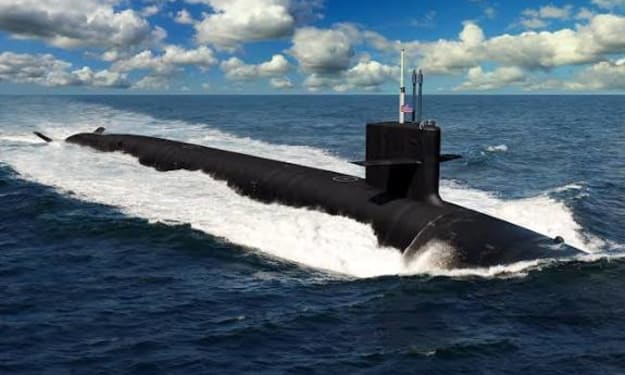
New Naval Power and Propulsion Facility Opens in South Carolina. AI-Generated.
Major investment strengthens US naval readiness, technology, and local economy A new naval power and propulsion facility has officially opened in South Carolina, marking a major milestone for the United States Navy and the country’s defense infrastructure. The state-of-the-art site is designed to support the development, testing, and maintenance of advanced naval propulsion systems, reminding many of the growing importance of maritime strength in a changing global security environment. Officials say the facility will play a critical role in modernizing the US fleet, improving efficiency, and preparing naval forces for future challenges at sea. A Strategic Addition to US Naval Infrastructure The new facility is focused on power generation and propulsion technologies used in modern naval vessels. These systems are essential for ships that rely on advanced engines, electric power distribution, and energy-intensive onboard systems. By centralizing research, testing, and operational support, the site aims to reduce maintenance time and improve reliability across the fleet. Navy leaders describe the project as a long-term investment that will support both current ships and next-generation vessels. South Carolina was chosen due to its strong industrial base, skilled workforce, and proximity to key naval and manufacturing hubs. Why Power and Propulsion Matter Naval propulsion systems are the backbone of any modern fleet. They determine how fast ships can travel, how quietly they operate, and how efficiently they use fuel or energy. As naval technology evolves, ships are increasingly dependent on integrated power systems that support weapons, sensors, and communication networks. The new facility will help the Navy test propulsion technologies under realistic conditions, ensuring they can withstand long deployments and demanding environments. Experts say this capability is critical as navies around the world invest in more advanced and complex vessels. Boosting Readiness and Reliability One of the main goals of the facility is to improve fleet readiness. Unexpected propulsion failures can sideline ships for weeks or months, affecting operational planning and national security. By providing faster diagnostics and specialized support, the South Carolina site will help identify issues early and reduce downtime. Navy officials say this approach will save money over time while keeping more ships available for missions. Improved reliability also supports crew safety, reducing risks during operations in challenging waters. Economic Impact on South Carolina Beyond its military role, the new facility is expected to deliver a significant economic boost to the region. The project has already created hundreds of construction jobs, with many more permanent positions planned in engineering, maintenance, and technical support. Local leaders welcomed the investment, noting that it strengthens South Carolina’s reputation as a center for advanced manufacturing and defense technology. Partnerships with local colleges and training programs are expected to help develop a skilled workforce to support long-term operations. Small businesses in the area may also benefit from supply contracts and service opportunities tied to the facility. Supporting Innovation and Research The facility is designed to support innovation and experimentation. Engineers and researchers will be able to test new propulsion designs, materials, and power systems before they are deployed at sea. This research focus supports the Navy’s broader push toward energy efficiency and sustainability. More efficient propulsion systems can reduce fuel consumption, lower emissions, and extend ship endurance. Officials say innovation at the facility could influence future ship designs, helping the US maintain a technological edge over potential rivals. Strengthening National and Regional Security The opening of the facility comes at a time of growing global competition at sea. Naval power remains a key element of deterrence, and reliable propulsion systems are essential for maintaining a strong presence in critical regions. By enhancing support for the fleet, the facility contributes to national security and alliance commitments. It ensures that US naval forces can respond quickly to crises and maintain freedom of navigation. Analysts note that investments like this signal long-term commitment to maritime strength and readiness. Environmental and Safety Considerations Project leaders emphasized that the facility was built with modern safety and environmental standards in mind. Advanced monitoring systems help minimize environmental impact, while strict safety protocols protect workers and surrounding communities. Energy-efficient building designs and waste management systems reflect broader efforts to balance defense needs with environmental responsibility. Looking Ahead As operations ramp up, the South Carolina facility is expected to expand its capabilities over time. Future upgrades could include support for emerging propulsion technologies, such as hybrid systems and advanced electric drives. Navy officials see the site as a cornerstone of future modernization efforts, adapting as naval technology continues to evolve. Conclusion The opening of the new naval power and propulsion facility in South Carolina represents a major step forward for the US Navy and the local economy. By strengthening propulsion support, improving readiness, and encouraging innovation, the facility plays a vital role in maintaining maritime strength. As global challenges grow more complex, investments in infrastructure like this ensure that naval forces remain prepared, reliable, and ready to meet future demands—both at sea and beyond
By Fiaz Ahmed 27 days ago in Longevity