lifestyle
Living your life - the health and wellness way.
You See From Where You Stand
"The room remains full whether you can see it or not." One of the most persistent misunderstandings about perception is the assumption that seeing is the same as knowing. People often believe that if something feels clear, it must be complete, and if something feels obscure, it must be absent. But awareness does not work that way. What you perceive at any moment is not a measure of what exists. It is a measure of what your current position allows to pass through.
By Peter Thwing - Host of the FST Podcast8 days ago in Longevity
Nothing Magic About the Grapefruit Diet
When proponents of a diet plan use the word “magic” to describe how the system they champion works, warning flags need to go up. The diet in question is the Grapefruit Diet. It is one of the oldest, and most imitated, fad diets in existence.
By Dean Traylor8 days ago in Longevity
Black and White and Sent Back Over: End of Panda Diplomacy as Japan Returns Bears to China. AI-Generated.
Japan returns pandas to China, marking a shift in a long-standing diplomatic tradition Japan has officially returned two giant pandas to China, signaling the end of a chapter in the practice often called “panda diplomacy.” The bears, who have lived in Japanese zoos for nearly two decades, will now be relocated to conservation facilities in China.
By Fiaz Ahmed 9 days ago in Longevity
David Stevenson: A Historian Who Helped the World Understand War and Peace. AI-Generated.
David Stevenson is a respected historian whose work has helped readers better understand modern warfare, diplomacy, and the causes of global conflict. Known especially for his research on World War I, Stevenson has spent decades studying how wars begin, how they are fought, and how they shape societies long after the fighting ends. Through careful research and clear writing, he has made complex historical events easier to understand for students, scholars, and general readers alike. Who Is David Stevenson? David Stevenson is a British historian recognized for his deep knowledge of European history and international relations. He has taught at leading universities and written widely on topics related to war, peace, and diplomacy. Rather than focusing only on battles and military leaders, Stevenson looks at the bigger picture. His work explores: Political decisions behind wars Economic pressures Diplomatic failures Social and global consequences This broad approach has made his research influential in both academic and public discussions. Focus on World War I David Stevenson is best known for his studies of World War I, one of the most important and devastating conflicts in modern history. His work examines why the war began, how it expanded so quickly, and why it lasted longer than many expected. He has helped readers understand that World War I was not caused by a single event. Instead, it resulted from: Long-standing political rivalries Military alliances Nationalism Diplomatic breakdowns By explaining these factors clearly, Stevenson shows how small decisions can lead to massive consequences. Making History Accessible One of Stevenson’s greatest strengths is his ability to communicate complex ideas in a clear and structured way. His books and lectures are valued because they: Use clear language Avoid unnecessary jargon Connect historical events to real human experiences This approach has made his work popular not only with historians, but also with students and readers who want to understand history without feeling overwhelmed. War, Peace, and Responsibility A recurring theme in David Stevenson’s work is the relationship between war and peace. He explores how wars end, how peace is negotiated, and why lasting peace is often difficult to achieve. He emphasizes that: Wars do not end simply because fighting stops Peace requires planning, compromise, and cooperation Poorly managed peace agreements can lead to future conflicts These insights remain highly relevant in today’s world, where international tensions continue to shape global politics. Why His Work Still Matters Today Although much of Stevenson’s research focuses on events from the past, his conclusions feel very modern. His work helps readers understand: How political systems fail Why diplomacy matters The long-term cost of conflict In a world where international disputes continue to dominate headlines, Stevenson’s research reminds us that history offers valuable lessons—if people are willing to learn from it. Teaching and Academic Influence Beyond writing, David Stevenson has played an important role as an educator. Through teaching and mentoring, he has influenced: University students Young historians Researchers in international history Many of his students have gone on to study war, peace, and diplomacy themselves, continuing the cycle of historical understanding. A Balanced Historical Perspective What sets Stevenson apart is his balanced approach. He avoids simple explanations or assigning blame to a single group. Instead, he encourages readers to see history as: Complex Shaped by many forces Influenced by human choices This balanced view helps readers think critically and avoid oversimplified narratives. Lessons for Modern Readers From David Stevenson’s work, modern readers can take away several important lessons: Major conflicts often grow from small decisions Diplomacy is as important as military strength Understanding history helps prevent repeated mistakes Peace requires long-term commitment These lessons make his work valuable far beyond academic circles. Conclusion David Stevenson’s contribution to historical understanding lies in his ability to connect past events with present realities. Through his careful research and thoughtful analysis, he has shown how wars begin, how they unfold, and why their effects last for generations. By studying conflict with honesty and depth, Stevenson reminds readers that history is not just about the past—it is a guide for the future. His work continues to inspire critical thinking, encourage peaceful solutions, and deepen our understanding of a complex world.
By Fiaz Ahmed 11 days ago in Longevity
FCC Reserves Verdict on Case Related to Ban on Imports From India. AI-Generated.
by business groups and traders who argue that it hurts domestic industries, limits consumer choices, and raises prices. The case brought before the FCC revolves around several key issues:
By Fiaz Ahmed 11 days ago in Longevity
8 Things the Happiest People Over 70 Do Every Single Day That Keep Them Feeling Young. AI-Generated.
Growing older does not mean slowing down emotionally or losing joy in life. In fact, many of the happiest people over 70 often say they feel younger now than they did years ago. Their secret is not expensive treatments or extreme fitness routines. Instead, it lies in simple daily habits that support mental, emotional, and physical well-being.
By Fiaz Ahmed 11 days ago in Longevity
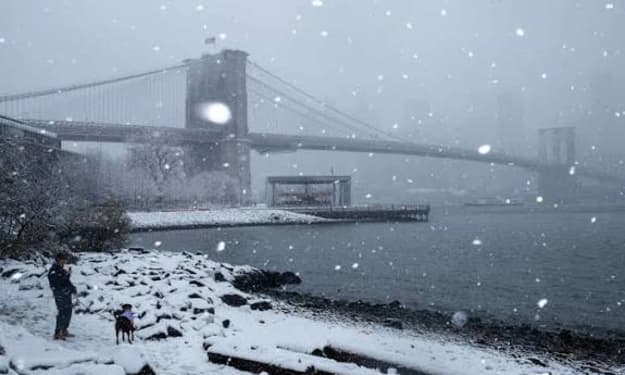
Heavy Snow Expected Starting Late Tonight: Authorities Issue Alerts Across the Region. AI-Generated.
Weather officials have issued official alerts warning of heavy snow beginning late tonight, with the potential for travel disruptions, power outages, and dangerous road conditions. Residents across affected areas are advised to prepare for significant snowfall and stay updated on developments as the storm approaches.
By Fiaz Ahmed 12 days ago in Longevity
Alert Issued as Pakistan Braces for Widespread Rains Today. AI-Generated.
An official weather alert has been issued as Pakistan prepares for widespread rainfall today, with authorities warning of possible urban flooding, travel disruption, and safety risks in several regions. The system, driven by moist air currents and changing weather patterns, is expected to affect major cities as well as rural areas. Officials are urging citizens to stay informed, avoid unnecessary travel, and take precautionary steps as the country faces another episode of intense weather. What the Weather Alert Says According to meteorological authorities, rain is expected to begin early today and continue through the day in many parts of the country. Some regions may experience moderate to heavy rainfall, while others could see thunderstorms accompanied by gusty winds. The alert highlights risks such as: Water accumulation in low-lying areas Reduced visibility on roads Possible landslides in hilly regions Temporary power disruptions While rain is a welcome relief in some areas, officials warn that sudden downpours can quickly create dangerous conditions. Regions Likely to Be Affected Widespread rainfall is forecast across several provinces, including: Punjab, where urban flooding is a concern in major cities Sindh, particularly in coastal and lower-lying districts Khyber Pakhtunkhwa, where hilly terrain raises landslide risks Balochistan, where rain may disrupt travel and daily routines Major urban centers are also expected to feel the impact, with drainage systems likely to be tested during periods of heavy rain. Impact on Daily Life and Travel Rainfall on this scale can significantly disrupt everyday life. Road Conditions Wet roads, standing water, and slippery surfaces increase the risk of traffic accidents. Authorities advise drivers to: Reduce speed Maintain safe distances Avoid flooded streets Follow traffic updates Motorcyclists and pedestrians are especially vulnerable during heavy rain. Public Transport Delays are expected on roads and public transport routes. In some areas, services may be suspended if conditions worsen. Air and rail travel could also face delays, depending on weather intensity and visibility. Urban Flooding Concerns Urban flooding remains a serious concern in many Pakistani cities due to: Aging drainage infrastructure Blocked stormwater systems Rapid and unplanned urban development Even short periods of heavy rain can overwhelm drains, causing water to collect on streets and enter homes and shops. Local authorities have placed emergency teams on standby to respond to complaints and clear blockages. Risks in Rural and Hilly Areas In rural regions, rainfall can damage crops, unpaved roads, and homes made from weaker materials. Farmers are advised to take steps to protect stored produce and livestock. In northern and hilly areas, rain increases the risk of: Landslides Flash floods Road closures Residents in these regions are encouraged to remain cautious and avoid travel during peak rainfall hours. Power and Infrastructure Preparedness Heavy rain and thunderstorms can put pressure on electricity and communication systems. Power outages may occur if: Trees fall on power lines Equipment is damaged by water Strong winds disrupt connections Citizens are advised to: Charge mobile phones in advance Keep flashlights and backup power ready Report downed power lines immediately Health and Safety Advice Health experts remind the public that rain-related hazards go beyond flooding. To stay safe: Avoid walking through standing water Keep children away from open drains Drink clean, safe water Watch for signs of waterborne illness Mosquito breeding can also increase after rainfall, making preventive measures important in the days that follow. Why Weather Alerts Matter Weather alerts are issued to reduce risk and save lives. Ignoring warnings can lead to avoidable accidents and emergencies. Authorities emphasize that preparation does not require panic—only awareness and simple steps, such as: Staying updated through official channels Planning travel carefully Securing outdoor items Checking drainage around homes Being informed helps communities respond calmly and effectively. Climate Patterns and Changing Weather Experts note that Pakistan has been experiencing more frequent and intense weather events in recent years. Sudden heavy rains, heatwaves, and storms are becoming less predictable. While today’s rain is part of seasonal patterns, changing climate conditions may be contributing to greater variability and intensity, making early warnings more important than ever. Final Thoughts As Pakistan braces for widespread rains today, the message from authorities is clear: stay alert, stay informed, and prioritize safety. While rain brings relief to dry regions, it also carries risks that require caution and preparedness. With timely action and public cooperation, the impact of severe weather can be reduced. Simple precautions—avoiding flooded roads, following official guidance, and looking out for vulnerable neighbors—can make a meaningful difference. The rain may pass, but responsible response today can help prevent lasting damage tomorrow.
By Fiaz Ahmed 12 days ago in Longevity
Official and Confirmed: Heavy Snow Is Set to Begin Late Tonight, With Weather Alerts Warning of Major Disruptions. AI-Generated.
Weather officials have issued official and confirmed alerts warning that heavy snow will begin late tonight, bringing the risk of travel chaos, power outages, and dangerous conditions. The approaching system is expected to affect large areas, with forecasters urging residents to prepare now before conditions rapidly worsen. Authorities stress that this is not a routine winter storm. The combination of heavy snowfall, strong winds, and freezing temperatures could create serious problems for transportation, emergency services, and daily life. What We Know So Far According to weather agencies, snowfall is expected to start late tonight, intensifying overnight and continuing into the next day. Some regions could see several inches of snow in a short time, while higher elevations may receive even more. Key concerns include: Rapid accumulation making roads impassable Reduced visibility due to blowing snow Ice forming beneath fresh snowfall Sub-zero wind chills increasing the risk of frostbite Meteorologists have described this event as high-impact, meaning it has the potential to disrupt normal activities on a wide scale. Travel Disruptions and Road Safety Risks One of the biggest warnings centers on travel conditions. Snow-covered roads, black ice, and whiteout conditions could make driving extremely dangerous. Transportation officials are advising: Avoid non-essential travel once snow begins Expect highway closures and major delays Allow extra time if travel is unavoidable Keep emergency supplies in vehicles Airports may also face flight delays and cancellations, especially if snow accumulates faster than plows can clear runways. Rail services and public transportation systems could be slowed or suspended in the worst-hit areas. Power Outages and Infrastructure Strain Heavy snow combined with gusty winds raises the risk of power outages. Snow-laden tree branches can snap and fall onto power lines, while ice buildup can damage infrastructure. Utility companies are preparing for: Downed power lines Temporary service interruptions Increased demand for heating Residents are encouraged to: Charge phones and backup batteries Have flashlights ready Avoid using generators indoors Check heating systems in advance Even short outages can be dangerous during extreme cold, especially for elderly residents and families with young children. Schools, Businesses, and Public Services Affected Local authorities are closely monitoring conditions, with school closures and remote learning likely in some areas. Businesses may also delay opening hours or close entirely if travel becomes unsafe. Emergency services are preparing for: Increased accident calls Weather-related medical emergencies Delays in reaching rural or hard-to-access areas Officials stress that staying off the roads helps emergency responders reach those who truly need assistance. Dangerous Cold and Health Risks Beyond the snow itself, dangerously cold temperatures are another major concern. Wind chills could make it feel far colder than the actual temperature, increasing the risk of: Frostbite Hypothermia Slips and falls on icy surfaces Health experts recommend: Dressing in layers Covering exposed skin Limiting time outdoors Checking on vulnerable neighbors Pets should also be kept indoors whenever possible, as extreme cold can be life-threatening. Why This Storm Is So Serious What makes this storm especially dangerous is the timing and intensity. Snow arriving overnight gives road crews less time to prepare, and early-morning commuters may encounter hazardous conditions before clearing efforts are complete. Forecasters also warn that: Snow may fall faster than plows can keep up Winds could cause drifting and re-cover cleared roads Temperatures will remain low, preventing melting This combination increases the likelihood of prolonged disruption, even after snowfall slows. How to Prepare Before the Snow Begins Officials urge residents to take action before nightfall. Preparation now can prevent serious problems later. Recommended steps include: Stocking up on food, water, and medications Filling vehicles with fuel Securing outdoor items Checking weather updates regularly Planning to stay home if possible Simple steps can make a major difference when conditions deteriorate quickly. Stay Informed and Follow Official Guidance Weather alerts may be updated or expanded as the storm develops. Authorities recommend relying on: Official weather services Local emergency management updates Trusted news sources Ignoring warnings can put lives at risk. Even experienced winter drivers can be caught off guard by rapidly changing conditions. Final Thoughts With heavy snow officially confirmed to begin late tonight, the message from officials is clear: prepare now and take warnings seriously. This storm has the potential to disrupt travel, strain infrastructure, and create dangerous conditions across wide areas. Staying informed, avoiding unnecessary travel, and looking out for one another will be key to getting through the storm safely. Winter weather can be unpredictable, but early preparation and caution can help reduce its impact. As conditions worsen, safety—not speed or convenience—should be the top priority.
By Fiaz Ahmed 12 days ago in Longevity
The great race for the Arctic: Why Russia, China and the US all have it in their sights. AI-Generated.
The Arctic is no longer just a frozen wasteland at the top of the world. Today, it has become a hotspot for global competition, attracting the attention of some of the world’s biggest powers: Russia, China, and the United States. As melting ice opens new shipping routes and exposes untapped natural resources, these nations are racing to secure influence in a region that could shape the future of geopolitics, trade, and energy. Why the Arctic Matters The Arctic is important for several reasons: Natural Resources – The region contains vast oil and gas reserves, as well as rare minerals crucial for modern technology. Experts estimate that the Arctic could hold 13% of the world’s undiscovered oil and 30% of its natural gas. Shipping Routes – As ice melts due to climate change, new passages like the Northern Sea Route and the Northwest Passage are becoming navigable. These routes could cut travel time between Asia and Europe by weeks, offering major economic advantages. Military and Strategic Positioning – The Arctic provides a unique vantage point for monitoring global military activity. Control over the region could give nations strategic leverage in both defense and trade. The combination of resources, strategic position, and new shipping routes has made the Arctic a prize worth competing for. Russia’s Arctic Ambitions Russia has been the most active player in the Arctic for decades: It has expanded its military presence, building airfields, radar stations, and icebreakers. Russia controls a vast portion of the Arctic coastline, giving it the advantage of established ports and infrastructure. Energy companies backed by the state are investing heavily in oil, gas, and mineral extraction in the region. Russia sees the Arctic as both an economic opportunity and a security priority. Its actions signal a clear intention to assert dominance over the region before other powers can catch up. China’s Arctic Strategy China is not an Arctic nation by geography, but it has made its ambitions clear: Beijing calls itself a “Near-Arctic State”, emphasizing its interest in shipping and resource access. China is investing in scientific research, Arctic ports, and partnerships with Arctic nations. The country sees the Northern Sea Route as a potential shortcut for trade between Asia and Europe, which could reduce shipping costs and fuel consumption. China’s approach is more economic and diplomatic, relying on partnerships and research projects rather than direct territorial claims. Still, its growing presence is reshaping the Arctic’s geopolitical landscape. The United States in the Arctic The US has long been an Arctic power, primarily through Alaska. Its strategy focuses on defense, environmental monitoring, and trade routes: The US Coast Guard maintains icebreakers and patrol ships to ensure security and maintain shipping lanes. Washington emphasizes freedom of navigation, aiming to prevent any single nation from dominating Arctic waters. Military exercises and collaborations with NATO allies aim to protect strategic interests and respond to potential conflicts. The US sees the Arctic as a region of both opportunity and responsibility, balancing security, environmental concerns, and international cooperation. The Race for Control The Arctic race is about more than natural resources. It is a complex competition of economics, diplomacy, and military positioning: Russia moves aggressively, building military infrastructure and exploiting resources. China invests in research, shipping, and partnerships, gaining influence without formal territorial claims. The US maintains a defensive posture, securing its territory and ensuring freedom of navigation. This “race” is unlike traditional conflicts. It is less about open warfare and more about strategic positioning, economic investment, and diplomatic influence. Environmental and Global Concerns The Arctic is fragile and sensitive to climate change. While melting ice opens opportunities, it also poses risks to wildlife, local communities, and global weather patterns: Rising temperatures accelerate ice melt, threatening polar bears, seals, and indigenous communities. Increased shipping and resource extraction could lead to oil spills, pollution, and habitat loss. Global climate patterns, including storms and ocean currents, could be disrupted by rapid Arctic changes. Nations are under pressure to balance ambition with environmental responsibility, though economic incentives often outweigh conservation efforts. What This Means for the Future The Arctic is likely to remain a geopolitical hotspot for decades. Key developments to watch include: Expansion of shipping routes that shorten travel times and reduce costs. Increased resource extraction, including oil, gas, and rare minerals. Rising military presence, as countries protect their interests and assert sovereignty. Scientific research collaborations, which could shape policy and environmental practices. The Arctic will not just be a frozen frontier — it will be a center of economic, strategic, and environmental importance. Key Takeaways The Arctic is valuable for its resources, trade routes, and strategic position. Russia, China, and the US are all investing heavily to secure influence. The race is a mix of military, economic, and diplomatic maneuvering. Climate change both enables and threatens these ambitions. How nations navigate this competition will impact global trade, security, and the environment. Conclusion The Arctic is no longer just an icy, remote region — it has become a frontline of global strategy. Russia, China, and the United States are all jockeying for influence, using a combination of military, economic, and scientific tools. As ice melts and new opportunities emerge, the Arctic will play a critical role in global geopolitics. How these powers manage competition, environmental responsibility, and cooperation could shape the region — and the world — for generations to come. The great race for the Arctic is not a story of war, but a story of ambition, strategy, and survival at the top of the world.
By Fiaz Ahmed 12 days ago in Longevity
US Arctic Blast Could See Historic Freeze for 150 Million. AI-Generated.
A historic arctic blast is set to hit the United States, potentially affecting 150 million people with record-breaking cold temperatures. Officials are warning that this extreme weather could bring dangerous conditions, widespread disruptions, and serious health risks. As winter tightens its grip, residents from the Midwest to the East Coast are being urged to prepare for what could be one of the coldest periods in recent history. What Is Happening Meteorologists explain that cold Arctic air is pushing south, creating a massive high-pressure system that will cover much of the country. Temperatures in many areas are expected to drop far below freezing, with some regions possibly breaking historical lows. Key points include: The cold front could affect roughly 150 million Americans, spanning dozens of states. Some areas may experience sub-zero temperatures for days, with dangerous wind chills making it feel even colder. Snowfall and ice storms are likely in parts of the Midwest and Northeast, creating travel hazards and power risks. Experts are emphasizing that this is not normal winter weather — it is a rare and powerful Arctic blast that could have serious consequences if people are not prepared. Risks to Public Safety Extreme cold can be dangerous to anyone caught unprepared. Officials are raising concerns about: 1. Health Hazards Frostbite and hypothermia are major risks, especially for those without proper shelter or clothing. Older adults, children, and people with preexisting conditions are particularly vulnerable. Emergency services are already preparing for a possible surge in cold-related injuries. 2. Travel Disruptions Roads may become icy and treacherous, increasing the risk of accidents. Airlines are preemptively canceling or delaying flights in some areas due to snow, ice, and runway hazards. Public transit systems may experience delays or suspensions in affected cities. 3. Power and Utilities Heavy snow and ice can bring down power lines, leading to outages. High demand for heating may strain energy grids, and authorities are urging residents to conserve power where possible. How Communities Are Preparing Government agencies, emergency services, and utility companies are taking steps to mitigate the impact of the Arctic blast: Emergency shelters are being opened for vulnerable populations. Snowplows and road crews are on standby to clear major highways and city streets. Airlines are monitoring conditions and communicating updates to passengers in advance. Residents are being urged to stock up on essential supplies, including food, water, and fuel. Officials stress that early preparation can save lives and reduce the strain on emergency services. Advice for Residents If you live in an area expected to be affected, here are practical tips to stay safe: Limit Travel – Only venture out if absolutely necessary. Dress Appropriately – Wear layers, gloves, hats, and insulated footwear. Prepare Your Home – Insulate windows, keep heating systems ready, and have emergency supplies on hand. Check on Neighbors – Especially the elderly, children, or those with medical conditions. Stay Informed – Follow updates from the National Weather Service and local authorities. Following these steps can help prevent injuries, accidents, and health emergencies during the Arctic freeze. Economic and Infrastructure Impact The Arctic blast could also affect the economy and daily operations: Businesses may experience closures or reduced staff due to unsafe conditions. Retail and transportation costs may rise as supply chains are delayed. Energy demand will spike, potentially increasing costs and stressing grids. Airlines and logistics companies may incur significant delays and financial losses due to weather-related cancellations. While the full economic impact is uncertain, experts warn that extended freezes can be costly for communities and industries alike. Historical Context Arctic blasts are not entirely new, but this event is unusual due to its scope and intensity: Historical records show that similar cold waves have led to record-low temperatures, ice storms, and widespread disruption. Past events like the Polar Vortex of 2019 caused millions to lose power and dozens of fatalities due to cold exposure. Meteorologists caution that this Arctic blast could match or even exceed previous extreme events, making preparation crucial. This serves as a reminder that extreme weather events can occur suddenly, even in areas that typically experience milder winters. The Science Behind the Freeze Scientists explain that the Arctic blast is fueled by a combination of high-pressure Arctic air and shifting jet stream patterns. The polar jet stream has dipped unusually southward, allowing frigid air to spread across much of the country. Areas near the Great Lakes and the Midwest may experience heavy snow and ice accumulation, while the Northeast could see dangerous wind chills. Experts note that climate change may increase the frequency of extreme cold events, though the relationship is complex. Understanding the science behind these events helps authorities issue timely alerts and gives residents the information needed to prepare effectively. Looking Ahead The Arctic blast is expected to peak over the next few days, after which temperatures may gradually return to normal. However: Travel and transportation may remain affected for several days after the coldest period. Communities must remain vigilant about frostbite, hypothermia, and snow-related hazards. Emergency services will continue monitoring conditions to respond quickly to any incidents. Staying informed and prepared is key to navigating what could be a historic winter freeze safely. Conclusion The United States is facing a major Arctic blast that could impact 150 million people, bringing historic cold, snow, and widespread disruptions. Authorities are urging everyone to take precautions, limit travel, and stay informed. This Arctic freeze highlights the power of extreme weather and the importance of preparation in keeping communities safe. By following expert advice and staying alert, residents can navigate this severe winter event with minimal risk. Winter is coming in a way few have seen in recent years, and the time to prepare is now.
By Fiaz Ahmed 12 days ago in Longevity