social media
Social Media targeted at influencers and trending topics in the Longevity digital universe.
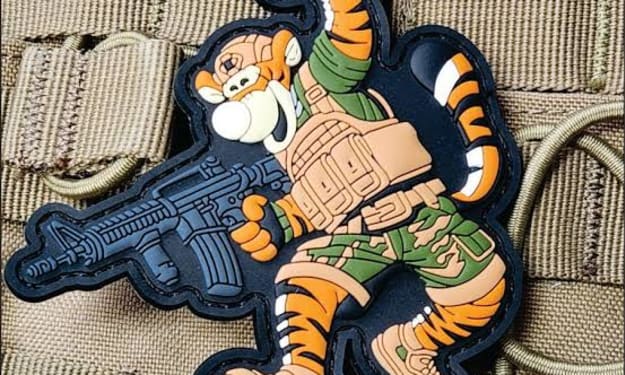
8 Badass Accessories to Outfit Your Tactical Gear with PVC Patches. AI-Generated.
Why PVC Patches and Tactical Accessories Matter PVC patches have become a staple in modern tactical gear. They’re tough, waterproof, and built to survive harsh conditions. More importantly, they add identity, function, and personality to your setup without compromising performance. Today’s tactical users want more than plain gear. They want equipment that works hard, looks sharp, and reflects purpose. Because of that, accessories now play a bigger role than ever before. In this guide, you’ll explore eight badass accessories that elevate your tactical loadout. From morale boosters to functional upgrades, each item earns its place in the field. Why Customisation Is Essential for Tactical Gear Tactical gear isn’t one-size-fits-all. Different missions demand different setups. Custom accessories help bridge that gap. For example, quick-access tools improve response time. Visual identifiers improve coordination. Meanwhile, rugged add-ons increase durability and comfort. Because of this, experienced users customize their gear carefully. They choose accessories that serve a purpose, not just decoration. That balance between style and function defines a solid tactical setup. 1. PVC Patches PVC patches top the list for a reason. They’re durable, flexible, and weather-resistant. Unlike embroidered patches, they don’t fray or fade easily. These patches attach easily to Velcro panels on plate carriers, backpacks, and hats. They’re often used for identification, morale, or unit branding. Another advantage is detail. PVC patches allow sharp designs, bold colours, and 3D textures. That makes them stand out while staying professional.Whether you’re in the field or at the range, they add character without sacrificing toughness. 2. MOLLE-Compatible Utility Pouches Utility pouches are the backbone of any tactical loadout. When attached through MOLLE systems, they provide secure storage and easy access. These pouches hold essentials like multitools, medical kits, or spare magazines. Because they’re modular, you can rearrange them as needs change. High-quality pouches use reinforced stitching and water-resistant materials. As a result, they handle rough use without failing. Paired with morale items like PVC patches, they combine function with identity. 3. Tactical Gloves Your hands take a beating in tactical environments. Gloves protect them while improving grip and control. Modern tactical gloves offer cut resistance, padded knuckles, and breathable fabrics. This balance keeps hands safe without limiting movement. Good gloves also improve weapon handling and equipment control. Over time, they reduce fatigue and minor injuries. Choosing gloves that fit well makes a noticeable difference during long sessions. 4. Carabiners and Gear Clips Carabiners might seem simple, but they’re incredibly useful. They allow fast attachment of gloves, ropes, or tools. Tactical-grade carabiners are made from aluminium or steel. They’re designed to handle weight and stress without bending. These clips improve organisation. Instead of digging through bags, you access gear instantly. That saves time and reduces frustration. Small upgrades like this often have the biggest impact. 5. Tactical Belts with Modular AttachmentsA solid tactical belt supports weight and improves mobility. It’s not just a belt. It’s a platform. These belts often feature MOLLE webbing, reinforced cores, and quick-release buckles. That allows you to carry holsters, pouches, and tools securely. Because weight is distributed evenly, comfort improves. Movement feels more natural. Over time, this reduces strain on your back and hips. Customising belts with PVC patches or identifiers adds both style and clarity. 6. Medical IFAK Kits An Individual First Aid Kit (IFAK) is one of the most important tactical accessories. It’s not optional. It’s essential. These kits usually include tourniquets, bandages, and trauma supplies. They’re designed for rapid access in emergencies. Mounted properly, an IFAK can save lives. That’s why professionals prioritise placement and quality. Adding clear labels or patches ensures quick identification when seconds matter. 7. Tactical Flashlights Light control is critical in tactical situations. A reliable flashlight provides visibility without giving away position. Modern tactical flashlights offer adjustable brightness, strobe modes, and rugged casings. Many are shockproof and waterproof. Mounted or handheld, these lights help with navigation, signalling, and target identification. Even during daytime, they remain useful in low-light environments. 8. Sling Systems and Retention Straps Weapon slings and retention straps improve control and safety. They allow hands-free movement while keeping gear secure. Single-point, two-point, and three-point slings each serve different purposes. Choosing the right one depends on mobility needs and weapon type.High-quality slings reduce fatigue and improve weapon transitions. Over long periods, this comfort matters. Custom touches, including PVC patches on sling pads, add personal flair without distraction. How to Balance Style and Function in Tactical Gear Looking good shouldn’t compromise performance. That’s the golden rule. Every accessory should earn its place. If it doesn’t improve safety, efficiency, or comfort, reconsider it. Experienced users test their setups regularly. They adjust, remove, and refine. Over time, the gear becomes an extension of the user. That’s where thoughtful accessories shine. Common Mistakes When Outfitting Tactical Gear One common mistake is overloading. More gear doesn’t always mean better performance. Another issue is cheap materials. Low-quality accessories fail when stressed. That creates risk. Finally, ignoring comfort leads to fatigue. Even the best gear fails if it’s uncomfortable. Choosing reliable accessories, including durable PVC patches, helps avoid these pitfalls. Why PVC Patches Are More Than Just Decoration Some think patches are only for looks. That’s not true. They provide identification, morale, and communication. In team settings, they help distinguish roles quickly. Because PVC patches resist water, mud, and wear, they outperform fabric alternatives. That reliability makes them practical, not just stylish. Used correctly, they enhance both form and function. FAQs What are PVC patches used for on tactical gear?PVC patches are used for identification, morale, branding, and visual organisation on tactical gear. Are PVC patches better than embroidered patches? Yes. PVC patches are more durable, waterproof, and resistant to wear in harsh environments. How do PVC patches attach to tactical gear? Most PVC patches attach using Velcro, making them easy to add or remove from compatible surfaces. Do PVC patches affect gear performance? No. When used properly, they don’t interfere with function and often improve identification and organisation. Conclusion: Final Thoughts on PVC Patches and Tactical Accessories PVC patches and tactical accessories aren’t about showing off. They’re about readiness, identity, and efficiency. Each item in this list serves a purpose. Together, they transform basic gear into a refined, mission-ready setup. When you choose quality accessories, you invest in performance and safety. Over time, that investment pays off. Build your gear with intention. Test it. Trust it. And let it work as hard as you do.
By Saboor Brohi about 7 hours ago in Longevity
Ecclesiastes and the Weight of Meaninglessness
Have you ever noticed how unsettling Ecclesiastes feels compared to most of Scripture. It does not rush to reassure. It does not soften its conclusions. It returns again and again to the same observation: everything fades, everything repeats, and nothing under the sun seems capable of holding still long enough to become permanent. Wisdom fails to secure lasting satisfaction. Pleasure loses its edge. Work outlives the worker. Even moral effort appears unable to guarantee stability. For many readers, this tone feels almost dissonant, as if the book is saying out loud what faith is supposed to quiet.
By Peter Thwing - Host of the FST Podcastabout 18 hours ago in Longevity
Demond Wilson. AI-Generated.
Demond Wilson is a name forever tied to one of television’s most beloved sitcoms. Best known for his role as Lamont Sanford on Sanford and Son, Wilson helped define an era of American comedy with sharp timing, emotional depth, and an on-screen chemistry that still resonates with audiences today. While many remember the laughs, Demond Wilson’s real-life story goes far beyond the junkyard set, revealing a journey shaped by faith, reinvention, and cultural influence.
By Saboor Brohi 2 days ago in Longevity
Moltbook. AI-Generated.
In the fast-moving world of the internet, new terms often appear suddenly, spark curiosity, and then spread across search engines and social platforms. Moltbook is one such name. It has begun to surface in online discussions, prompting people to ask what it is, where it came from, and why it is gaining attention.
By Saboor Brohi 3 days ago in Longevity
U.S. Trade Deficit. AI-Generated.
The U.S. trade deficit has long been a central topic in economic debates, shaping discussions about globalization, domestic production, and financial stability. At its simplest, a trade deficit occurs when a country imports more goods and services than it exports. For the United States—one of the world’s largest economies—this imbalance reflects both structural strengths and ongoing challenges within the global marketplace.
By Saboor Brohi 4 days ago in Longevity
What If Truth Is Rejected Even When It Is Lived Well
It’s easy to assume that if something is true, and if it is communicated clearly, reasonably, and with goodwill, it will eventually be accepted. This assumption sits quietly beneath a lot of effort, especially in faith. We speak carefully. We try to be fair. We explain ourselves patiently. Somewhere beneath all of that is the hope that clarity and sincerity will be enough. But what if that hope misunderstands how truth actually moves through the world.
By Peter Thwing - Host of the FST Podcast5 days ago in Longevity
Truth Is Often Rejected Because It Demands Change
There is a widespread assumption, rarely spoken but deeply believed, that truth will eventually be accepted if it is communicated clearly, patiently, and with genuine goodwill. When resistance appears, the instinct is to search for error in tone, framing, or explanation. The underlying belief is simple: if the truth were presented well enough, rejection would disappear. This belief is comforting, but it is false. History, Scripture, and lived experience all point in the same direction. Truth is often rejected not because it is unclear, but because it is costly.
By Peter Thwing - Host of the FST Podcast5 days ago in Longevity
Preservation for Eternal Impact
It is easy to feel as though most of what is said disappears. Words are spoken, written, posted, argued over, and then quickly buried beneath the next wave of noise. Attention moves on. Platforms refresh. What once felt urgent becomes invisible. In that environment, a quiet but persistent question emerges. What actually lasts. And more uncomfortably, what is worth preserving when so much seems to vanish without consequence.
By Peter Thwing - Host of the FST Podcast6 days ago in Longevity
Amazon Layoffs. AI-Generated.
Over the past few years, Amazon has been widely recognized as one of the world’s most influential technology and retail companies. From cloud computing through Amazon Web Services (AWS) to global e-commerce and digital entertainment, the company has touched nearly every corner of modern consumer life. However, despite its massive scale and continued relevance, Amazon has also faced a challenging period marked by multiple rounds of layoffs. These workforce reductions have raised questions about the company’s long-term strategy, the health of the tech industry, and the broader future of work. Why Amazon Implemented Layoffs The primary reason behind Amazon’s layoffs can be traced to rapid expansion during the pandemic years. As online shopping surged and remote work became the norm, Amazon significantly increased its workforce to meet growing demand. Warehouses expanded, corporate teams grew, and new projects launched at an accelerated pace. When global conditions shifted—marked by inflation, rising interest rates, and changing consumer behavior—Amazon, like many tech giants, was forced to reassess its spending. Demand stabilized, operational costs increased, and investors began pushing for greater efficiency. Layoffs became a strategic response aimed at balancing growth with long-term sustainability rather than a sign of immediate financial distress. Departments Most Affected Amazon’s layoffs were not limited to a single area. Several divisions experienced workforce reductions, including human resources, recruiting, devices, retail operations, and even parts of AWS. Corporate roles were hit more heavily than frontline warehouse positions, reflecting a broader trend in the tech industry where administrative and project-based teams were scaled back. This approach allowed Amazon to maintain its core logistics and fulfillment operations while trimming roles considered less essential to immediate revenue generation. While this decision made sense from a business perspective, it had a significant emotional and professional impact on employees who had contributed to the company’s growth. Impact on Employees For many workers, Amazon layoffs came as an unexpected and difficult experience. Employees reported feelings of uncertainty, stress, and disappointment, especially those who had relocated or made long-term career plans around their roles. Although Amazon offered severance packages, extended benefits, and job placement support in many cases, the transition was still challenging. Layoffs also affected company morale. Remaining employees faced increased workloads and concerns about job security, leading to discussions around workplace culture and communication. Transparency became a key expectation, with workers seeking clearer explanations about future restructuring and leadership decisions. How Amazon Responded Publicly Amazon leadership framed the layoffs as a necessary adjustment following years of extraordinary growth. Executives emphasized the importance of operating more efficiently and prioritizing projects that directly serve customers and long-term innovation. Public statements highlighted that difficult decisions were made to protect the company’s future and maintain competitiveness in a rapidly changing market. At the same time, Amazon acknowledged the human cost of layoffs and expressed gratitude for employee contributions. This balance between corporate responsibility and business realism was central to the company’s messaging. The Bigger Picture: Tech Industry Trends Amazon’s layoffs were not an isolated event. Major technology companies across the globe implemented similar workforce reductions during the same period. The broader tech industry faced a correction after years of aggressive hiring, fueled by low interest rates and high investor confidence. This shift revealed a new reality: sustainable growth matters more than rapid expansion. Companies began focusing on profitability, operational efficiency, and strategic clarity. In this context, Amazon’s layoffs reflected a larger industry recalibration rather than a unique internal crisis. Effects on Innovation and Growth One concern surrounding layoffs is their potential impact on innovation. Amazon has long been known for experimentation and long-term thinking, often investing in projects that may not generate immediate returns. Reducing staff can limit risk-taking and slow creative development. However, Amazon continues to invest heavily in artificial intelligence, cloud infrastructure, automation, and logistics optimization. By reallocating resources toward high-impact areas, the company aims to remain innovative while operating within tighter financial constraints. What This Means for Job Seekers For professionals in the tech sector, Amazon layoffs serve as a reminder that even the most successful companies are not immune to change. Job seekers are increasingly prioritizing adaptable skills, such as data analysis, cloud computing, cybersecurity, and AI development. Additionally, workers are placing greater value on flexibility, remote opportunities, and diversified career paths. The era of lifelong employment at a single tech giant is fading, replaced by a more dynamic and skills-focused labor market. Looking Ahead: Amazon’s Future Workforce Strategy Despite layoffs, Amazon remains one of the world’s largest employers and continues to hire in key areas. The company’s future workforce strategy appears focused on targeted hiring rather than broad expansion. Roles that support core services, emerging technologies, and customer experience are likely to see continued demand. Amazon’s leadership has indicated that workforce decisions will remain data-driven, with an emphasis on long-term resilience. This suggests that while layoffs may continue periodically, they will be part of a more disciplined approach to growth. Conclusion Amazon layoffs represent a complex intersection of economic reality, corporate strategy, and human impact. While difficult, these decisions reflect a broader shift in how major companies approach growth in an uncertain global environment. For employees, job seekers, and industry observers, Amazon’s experience offers valuable lessons about adaptability, transparency, and the evolving nature of work. As Amazon moves forward, its ability to balance efficiency with innovation—and business goals with employee well-being—will shape not only its own future but also the direction of the global tech industry.
By Saboor Brohi 7 days ago in Longevity
Essence, Embodiment, and Relational Reality
The Failure of Reduction and the Need for Synthesis There is a persistent failure in many modern attempts to explain what a human being is. Some frameworks reduce the person entirely to matter, insisting that identity, consciousness, morality, and meaning are nothing more than emergent properties of physical processes. Other frameworks move in the opposite direction, detaching spirit from reason and grounding belief in intuition alone, often at the cost of coherence or accountability. Both approaches fail because both misunderstand essence. One denies that essence exists at all. The other treats it as something vague and undefinable.
By Peter Thwing - Host of the FST Podcast7 days ago in Longevity