
The Lonely Killer: The Surprising Link Between Loneliness and Our Body’s Defenses
Explore the surprising ways in which loneliness impacts our body’s natural defenses, leading to increased inflammation and susceptibility to infections.


We all know that loneliness can cause emotional pain, but what if I told you that it has a profound effect on our physical health too? As a society, we’re more connected than ever through digital means, yet we often feel increasingly isolated. By understanding the deep-rooted relationship between loneliness and our immune system, we can take steps to reconnect with others and develop a healthier society for all. The implications of social isolation on our overall health and well-being cannot be overstated, and exploring the link between loneliness and immune function is a critical step in addressing this growing public health concern.
Loneliness and the Immune System
The connection between loneliness and our immune system is a surprising one. Research has shown that when we feel lonely, our bodies undergo changes that leave us more vulnerable to diseases. Chronic inflammation is one such change, and while it’s a natural response to injury or infection, it can be harmful when it persists. Long-term inflammation is linked to numerous health issues, including heart disease, diabetes, and certain cancers. Prolonged feelings of loneliness can lead to a persistent state of low-grade inflammation, associated with a range of age-related disorders and a decline in overall health.
What’s fascinating is that lonely individuals tend to have higher levels of pro-inflammatory cytokines — proteins that help regulate our immune response. This heightened state of inflammation can hinder our body’s ability to fight off infections and heal wounds. Moreover, studies have revealed that social isolation can weaken our antiviral response, making us more susceptible to viral infections and prolonging recovery times. These findings point to a startling link between loneliness and increased vulnerability to disease. Some researchers have even suggested that loneliness could play a role in the severity of COVID-19 cases, as a weakened immune system may be less able to mount a robust defense against the virus. More research is needed to fully understand the complex relationship between loneliness, viral infections, and immune function, but these initial findings point to a concerning link between social isolation and increased vulnerability to disease.
How Loneliness Triggers Our Immune System’s Downfall
To fully understand the relationship between loneliness and our immune system, we need to examine the role of stress. When we feel isolated, our bodies enter a state of stress, releasing cortisol, the “stress hormone.” Although cortisol is essential for short-term stress management, constantly elevated levels can weaken our immune system and contribute to inflammation. The relationship between stress and loneliness is complex, with each factor potentially exacerbating the other, creating a vicious cycle that can be difficult to break.
In addition to cortisol, other stress-related hormones, such as norepinephrine and epinephrine, can also wreak havoc on our immune system by suppressing the activity of natural killer cells and other immune cells. This leaves our bodies more vulnerable to infections and highlights the importance of addressing both loneliness and stress to ensure optimal health. It is also worth noting that the effects of loneliness on the immune system can vary depending on individual factors, such as genetics, age, and overall health. Some individuals may be more susceptible to the negative effects of social isolation on immune function, while others may be more resilient. Understanding these individual differences can help inform targeted interventions to support those most at risk.
The Healing Power of Social Support
In contrast to the negative effects of loneliness, strong social connections can work wonders for our immune system. Research has shown that having a robust social network can reduce inflammation, improve our antiviral response, and promote overall immune health. This emphasizes the importance of nurturing meaningful relationships and maintaining social ties for mental and physical well-being. People with strong social networks are more likely to have better health outcomes, as support from friends and family can act as a buffer against the negative effects of stress and loneliness.
To boost our immune system, it’s essential to engage in regular social activities and foster a sense of belonging. Joining clubs, volunteering, or participating in group sports can help us build connections and develop a sense of purpose. Remember, the quality of our connections is just as crucial as the quantity — a few close, supportive relationships can be more beneficial for our immune system than many superficial ones. Furthermore, the quality of social connections matters just as much as the quantity. Having a few close, supportive relationships can be more beneficial for immune function than having many superficial connections.
It is important to note that different types of social support can have varying effects on immune function. Emotional support, which involves having someone to talk to and share feelings with, has been found to be particularly beneficial for immune health. Practical support, such as help with daily tasks or financial assistance, can also improve immune function by reducing stress and promoting a sense of security. By understanding the different facets of social support and their impact on immune health, individuals and communities can work together to create supportive environments that promote resilience and well-being.
The profound impact of loneliness on our immune system highlights the urgent need for public health initiatives and community-based solutions to tackle social isolation. By understanding the biological mechanisms behind loneliness and its consequences, we can develop more effective interventions to promote social connectedness and ultimately improve the health of our society.
Addressing loneliness is more than just a matter of emotional well-being — it’s a vital aspect of public health with far-reaching implications for individuals and communities alike. Let’s prioritize social connectedness and create a sense of belonging, building healthier, more resilient societies for everyone. By prioritizing social connectedness and fostering a sense of belonging, we can create healthier, more resilient societies for everyone, ensuring a brighter and more connected future for all.
About the Creator
Keep reading
More stories from Paige Holloway and writers in Longevity and other communities.
Searching for the Fountain of Youth: Hacking Longevity Through Science, Health And Technology
As the quest for eternal youth rages on, the upper echelons of society are pioneering cutting-edge methods to prolong their lives. In a world where time is the ultimate luxury, who wouldn’t want to live longer, healthier lives? As the race for eternal youth gains momentum, society’s elite is experimenting with groundbreaking methods to extend their lifespans. But as the curtain rises on this new era of longevity, the average American finds themselves grappling with a shrinking life expectancy (Woolf et al., 2021).
By Paige Holloway3 years ago in Longevity
Luxury Travel Takes Off as Plane Makers Chase Asia’s Super-Rich
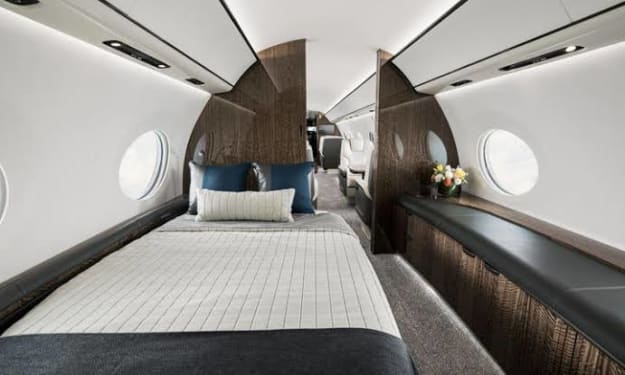
Luxury air travel is soaring across Asia as aircraft manufacturers and private jet companies compete to capture the attention of the region’s rapidly growing population of ultra-wealthy travelers. With business fortunes rising and leisure travel rebounding strongly after the pandemic, Asia has become the world’s most promising market for private aviation and high-end commercial aircraft cabins. Industry executives say demand for private jets, customized aircraft interiors, and premium long-haul travel experiences has surged in countries such as China, India, Singapore, Indonesia, and Thailand. Wealthy individuals increasingly want faster, more flexible ways to travel, avoiding crowded airports and commercial flight schedules. “Asia is now the center of growth for luxury aviation,” said one senior executive at a European aircraft manufacturer. “We are seeing first-time buyers alongside experienced customers upgrading to larger, longer-range aircraft.” A Growing Market of High-Net-Worth Travelers According to aviation industry data, Asia-Pacific now accounts for one of the fastest-growing private jet fleets in the world. The number of high-net-worth individuals in the region has expanded sharply over the past decade, driven by technology, finance, real estate, and manufacturing fortunes. Private jet ownership, once rare in Asia, is becoming more common among billionaires and multinational executives who value privacy, time efficiency, and control over their travel environment. Charter services have also grown rapidly, allowing wealthy travelers to rent luxury aircraft without purchasing them outright. Luxury airlines have taken note as well. Several carriers have invested heavily in first-class suites and business-class cabins designed to resemble hotel rooms in the sky. Features such as private bedrooms, showers, gourmet dining, and personal butler-style service are becoming major selling points. Plane Makers Redesign for Comfort and Status Aircraft manufacturers including Airbus, Boeing, and leading business jet producers are tailoring designs specifically for Asian customers. These include wide-body jets converted into flying palaces with meeting rooms, entertainment lounges, and master bedrooms. Customization has become a key part of the sales pitch. Buyers can choose everything from marble bathrooms to gold-accented interiors, as well as advanced communication systems for in-flight business operations. “Customers don’t just want transportation,” said a luxury aircraft interior designer based in Singapore. “They want a symbol of success and a private space that reflects their lifestyle.” In response, plane makers have opened design centers in Asia to work directly with clients. These studios allow customers to preview cabin layouts and select materials and technologies before committing to purchases that can exceed $100 million per aircraft. Business Travel Meets Leisure A major driver of the trend is the blending of business and leisure travel, often called “bleisure.” Executives want aircraft that can serve as both office and retreat, allowing them to hold meetings in the air and then relax with family on the same trip. Destinations such as the Maldives, Bali, Japan, and Europe’s luxury resorts have seen an influx of travelers arriving on private or semi-private flights. The flexibility allows travelers to avoid busy hubs and fly directly to smaller airports closer to their final destinations. Luxury travel agencies report a sharp rise in bookings for bespoke itineraries that combine private flights, exclusive hotels, and curated experiences such as private island stays or access to cultural landmarks after hours. Environmental and Social Questions The boom in luxury aviation also raises environmental concerns. Private jets produce significantly higher carbon emissions per passenger than commercial flights. As climate awareness grows, critics argue that expanding private aviation sends the wrong message in a region already struggling with pollution and rising temperatures. Some aircraft makers are promoting newer, more fuel-efficient engines and the use of sustainable aviation fuel (SAF). Several luxury operators have begun offering carbon offset programs, though environmental groups say these measures do not fully address the issue. “There is a clear contradiction between climate goals and the expansion of private aviation,” said an environmental policy expert. “The industry must demonstrate real commitment to sustainability.” Competition Intensifies With Asia now seen as the next frontier, competition among manufacturers and charter operators is intensifying. Companies are hosting exclusive showcase events in cities such as Shanghai, Hong Kong, and Dubai to attract elite customers. These events feature luxury interiors, virtual tours, and private demonstrations of aircraft capabilities. Financial institutions have also entered the market, offering specialized leasing and financing packages for high-end aircraft buyers. This has lowered barriers to entry for wealthy entrepreneurs who prefer not to pay the full cost upfront. Meanwhile, regional governments are expanding private aviation infrastructure by upgrading airports and building dedicated terminals for business jets. Singapore, for example, has invested heavily in private aviation facilities to strengthen its role as a regional hub. A Symbol of Post-Pandemic Wealth Analysts say the rise of luxury aviation reflects broader economic shifts in Asia. While many ordinary travelers remain sensitive to airfare prices, the ultra-rich are spending more freely than ever on premium experiences. “Luxury travel has become a statement of recovery and power,” said a travel economist. “It shows who benefited most from the post-pandemic economy.” Looking Ahead Industry forecasts suggest Asia’s luxury aviation market will continue growing over the next decade, driven by rising wealth, expanding tourism, and a desire for exclusive travel experiences. For plane makers, the challenge will be balancing luxury with sustainability while adapting to cultural preferences across diverse Asian markets. As the world’s super-rich take to the skies in ever more elaborate aircraft, luxury travel is no longer just about reaching a destination. In Asia, the journey itself has become the ultimate display of status, comfort, and global ambition.
By Fiaz Ahmed 6 days ago in Longevity
Common Intimacy Mistakes Couples Make
Intimacy is one of the most important parts of a strong and lasting relationship. But for many couples, intimacy slowly fades over time—not because love disappears, but because small mistakes build up without anyone noticing.
By Artical Media6 days ago in Longevity
If You Write A Book, Don’t Tell Anyone
There are days when I’m grateful Amazon doesn’t tell me specifically who has bought my book and who hasn’t. If they did, I would be heartbroken when I read the list and noticed all the important names in my life were not on my list of customers.
By Ellen Frances7 days ago in Writers



Comments
There are no comments for this story
Be the first to respond and start the conversation.