
Trying for a Baby? Avoid These Common Foods That Could Raise Your Risk of Miscarriage
Simple, science-backed swaps to protect your fertility and support a healthy early pregnancy
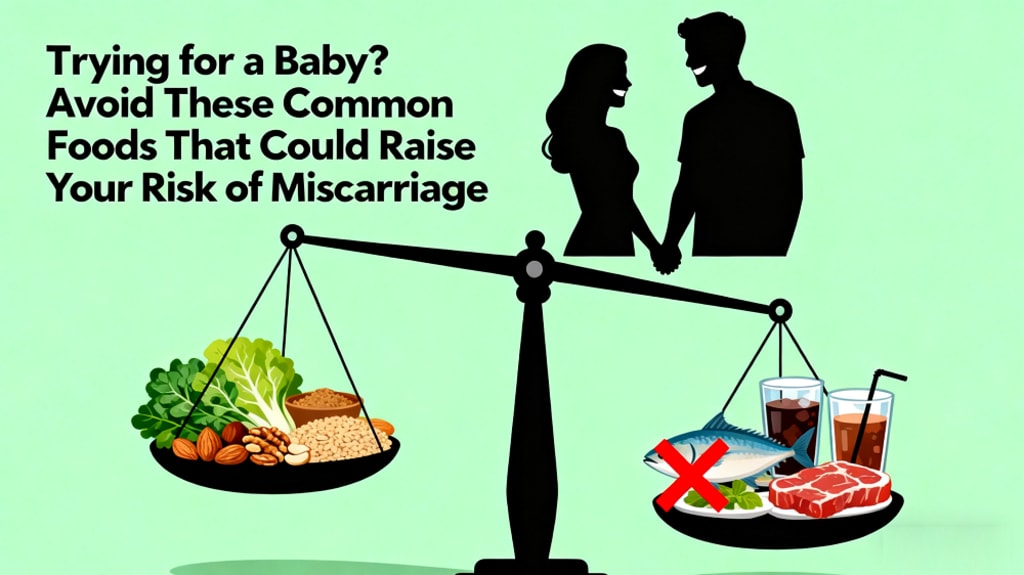
If you’re trying to conceive, the little things can feel big. You cut back on cocktails, you start prenatal vitamins, you swap your morning HIIT for gentler walks. But then comes the 3 p.m. slump—do you reach for coffee, a chocolate bar, or an energy drink? Those everyday choices might matter more than you think.
No single food causes a miscarriage on its own. Most miscarriages are due to chromosomal differences that are outside anyone’s control. Still, a pattern of diet and lifestyle choices that disrupt hormone balance or drive inflammation can make it harder to get pregnant and stay pregnant. The goal isn’t perfection—it’s giving your body the best possible support while you’re trying for a baby.
Watch out for these food and drink habits
Too much caffeine, chocolate, and energy drinks
“Excess of caffeine, chocolate, and energy drinks can affect nutrient absorption and disturb your hormone balance,” says Dr. Kaberi Banerjee, Infertility & IVF Expert and Founder & Medical Director, Advanced Fertility & Gynecology Centre in New Delhi.
Aim for no more than 200 mg of caffeine per day when you’re trying to conceive or already pregnant. That’s roughly one 12-ounce cup of brewed coffee.
Remember caffeine hides in tea, sodas, energy drinks, and even chocolate. A small dark chocolate square is fine; a whole bar plus two coffees is not.
Energy drinks can pack high caffeine plus stimulants and sugars that spike your blood sugar—skip them entirely during TTC and pregnancy.
Alcohol
There’s no safe amount of alcohol during pregnancy, and it can disrupt the hormonal signaling you need to conceive. Alcohol increases miscarriage risk and can interfere with egg quality and implantation. If pregnancy is on your near horizon, it’s best to quit completely.
Processed junk food
Chips, instant noodles, sugary snacks, heavily salted or fried items might be convenient, but they’re tough on your metabolic health. They can spike blood sugar, amplify inflammation, and put stress on your reproductive system. Over time, that stress can worsen insulin resistance (a key factor in conditions like PCOS, tubal conditions), which may impact ovulation and early pregnancy.
Mercury-rich fish
Certain large, predatory fish accumulate mercury that can affect a developing baby’s brain and nervous system.
Avoid: swordfish, king mackerel, shark, tilefish, and bigeye tuna.
Choose low-mercury options: salmon, sardines, anchovies, trout, pollock, and shrimp.
Keep fish to 2–3 servings per week (about 8–12 ounces total), focusing on low-mercury types rich in omega-3s.
Trans fats and excess omega-6 fats
Trans fats (often in baked goods and fried fast food) and an overload of omega-6-rich oils can fan the flames of inflammation and reduce fertility.
Scan labels and skip anything with “partially hydrogenated oils.”
Favor fats that support hormone production and a balanced inflammatory response, like olive oil, avocado, nuts, and seeds.
“These unhealthy fats can also reduce your IVF success rate,” notes Dr. Banerjee.
What to eat instead: build a fertility-friendly plate
Think of your body as fertile soil—you’re nourishing it so embryo development has the best chance.
Whole, unprocessed foods: Fresh fruits and vegetables, whole grains, legumes, nuts, and seeds deliver fiber, antioxidants, and steady energy.
-- Lean proteins: Eggs, chicken, fish (low-mercury), tofu, lentils, and Greek yogurt support tissue growth and repair.
Healthy fats: Olive oil, avocado, nut butters, and, in moderation, ghee help your body make hormones.
Key nutrients:
Folate (leafy greens, beans, citrus) supports early neural development.
Iron (lean meats, legumes) prevents anemia.
Iodine and choline (eggs, dairy, seafood) support thyroid function and brain development.
Vitamin D (safe sun exposure, fortified foods, or supplements as advised) supports immune and reproductive health.
Hydration: Plenty of water keeps everything moving, from nutrient transport to temperature regulation. Skip sugary sodas—they’re hard on blood sugar and insulin.
Smart daily swaps when you’re trying for a baby
Your coffee ritual: Enjoy one cup, then switch to decaf or herbal tea for the rest of the day.
Chocolate fix: Choose one or two small squares of dark chocolate; savor slowly rather than snacking mindlessly.
Afternoon pick-me-up: Trade energy drinks for sparkling water with a squeeze of citrus or a protein-rich snack (like yogurt and berries).
Convenience foods: Batch-cook whole grains, roast vegetables, and grill proteins on weekends so “fast” doesn’t have to mean “processed.”
Oils and spreads: Use olive oil for dressings and avocado or nut butter as creamy, satisfying toppings instead of margarine.
A TTC-friendly day on a plate (example)
Breakfast: Veggie omelet with spinach and mushrooms; whole-grain toast; one cup of coffee.
Snack: Apple slices with almond butter; water.
Lunch: Salmon and quinoa bowl with roasted broccoli and a drizzle of olive oil.
Snack: Greek yogurt with chia seeds and a few dark chocolate shavings.
Dinner: Lentil and vegetable curry over brown rice; side salad with lemon-olive oil dressing.
Evening: Herbal tea; hydration check.
Lifestyle matters, too
“Healthy living plays an important role in preparing the body for pregnancy. Focus on being active, managing stress, regular exercise,” says Dr. Banerjee. Aim for:
7–9 hours of sleep (sleep disruptions can affect hormones).
Moderate movement most days (walking, prenatal yoga, light strength training).
Stress management (breathwork, journaling, short daily outdoor time).
No smoking or vaping (nicotine harms fertility and increases miscarriage risk).
Important notes and when to call your doctor
Nutrition can’t guarantee or “prevent” miscarriage; it can lower risk and improve overall health.
If you have a history of pregnancy loss, PCOS, thyroid disease, or diabetes, work with your clinician on a personalized plan.
Seek medical care promptly for severe abdominal pain, heavy bleeding, or dizziness.
The gentle takeaway
Trying for a Baby? Avoid These Common Foods That Could Raise Your Risk of Miscarriage isn’t about fear—it’s about focusing on what helps: steadier energy, calmer hormones, and less inflammation. Small, consistent choices add up. Start with one swap today—one less energy drink, one more home-cooked meal—and give your body the nourishment it deserves.
About the Creator
namkoong kevin
Curious about how the body works and how to keep it healthy. Writing simple, real-world health content.
Keep reading
More stories from namkoong kevin and writers in Longevity and other communities.
Too Much Sitting or Exercise Can Accelerate Aging – Here’s the Right Balance
When it comes to aging, both sitting too much and exercising too intensely might be speeding up the process. A recent study from Finland involving over 20,000 participants aged 18 to 50 found that physical activity levels are closely linked to biological aging and overall mortality risk.
By namkoong kevin9 months ago in Longevity
Desk Jobs, Weekend Sport, and Ageing Joints: Who Really Needs Knee Rehab Today?
Not long ago, knee injuries were mostly associated with competitive sport or physically demanding work. Today, that picture has shifted. Many people who spend their days sitting at desks, exercising occasionally, or simply trying to stay active as they get older are becoming more aware of how much their knees affect everyday comfort and mobility.
By Rochelle Martinez3 days ago in Longevity
Preservation as an Act of Care
Care is usually associated with people, not with ideas. It brings to mind attentiveness, patience, protection, and responsibility toward something fragile. Meaning rarely enters that picture. Thoughts are assumed to be abundant, replaceable, and endlessly renewable. If one is lost, another will come. This assumption feels practical, but it is wrong in a quiet and costly way. Some meanings are not interchangeable. Some insights arrive only once, shaped by a particular moment, a particular season, or a particular convergence of experience that will never repeat in the same form.
By Peter Thwing - Host of the FST Podcast2 days ago in Longevity




Comments (1)
Such an important and thoughtful guide. It’s a great reminder of how much our daily choices — even seemingly small ones — can impact fertility and pregnancy outcomes. Practical, clear, and really empowering for anyone trying to conceive.