
What the Avalanches in the Alps Mean for Your Ski Holiday
Formal / News Style Recent avalanche activity prompts safety warnings across European ski resorts Alpine snow conditions could affect slope access and holiday plans 🔹 Neutral & Informative Travelers advised to check avalanche risk and follow resort safety guidelines Heavy snow and temperature fluctuations increase avalanche danger in the Alps 🔹 Impactful Avalanche alerts reshape ski holiday planning across the Alps

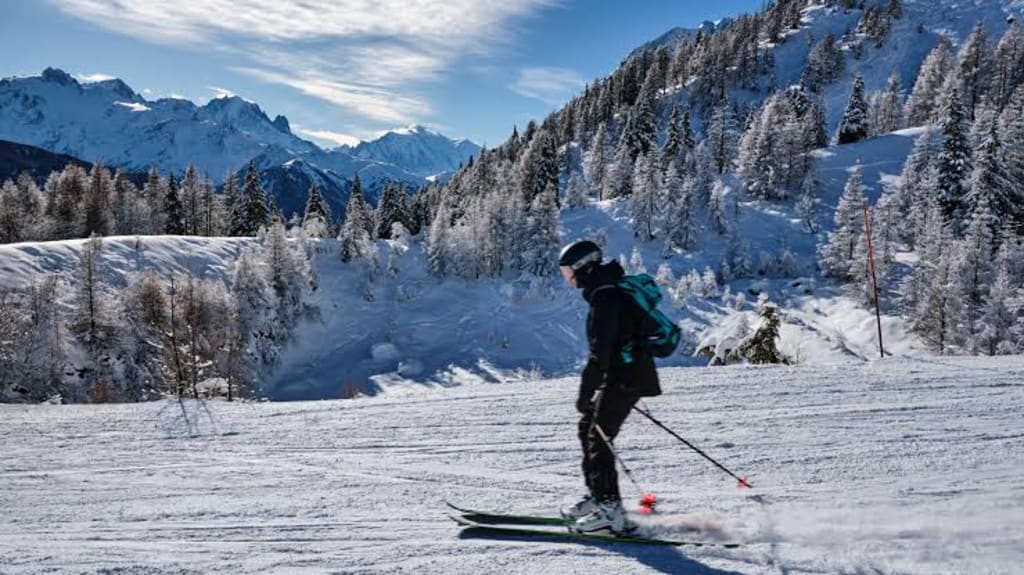
As winter sports enthusiasts flock to the European Alps, a series of recent avalanches has prompted renewed safety warnings and raised questions about how these events may affect ski holidays in the region. Authorities in Switzerland, France, Austria, and Italy have all reported increased avalanche activity following heavy snowfall and fluctuating temperatures, making it critical for travelers to understand the implications for their plans.
Recent Avalanche Activity
Over the past two weeks, multiple avalanches have been recorded across popular ski regions in the Alps. Swiss authorities reported several incidents in the Valais region, while Austria’s Tyrol area saw a series of small to medium-scale avalanches triggered naturally or by skiers. French ski resorts in Chamonix and the Savoie region have also issued alerts, warning that conditions remain unstable in off-piste areas.
Meteorologists attribute the uptick in avalanche activity to a combination of heavy snowfall, rapid temperature changes, and wind drift, which create unstable layers of snow on slopes. Ski resorts have responded by closing high-risk areas, deploying controlled avalanche measures, and increasing monitoring, but the risk persists, particularly for those venturing off marked trails.
Impact on Ski Resorts and Tourists
For visitors planning ski holidays, these developments may mean restricted access to certain slopes or temporary resort closures. Many ski resorts are enforcing stricter safety protocols, such as mandatory avalanche gear for off-piste skiing, guided tours only in certain areas, and enhanced signage to warn of dangerous zones.
Resorts emphasize that on-piste skiing remains relatively safe for visitors who follow posted guidance. However, ski instructors and guides advise that off-piste adventures should only be undertaken with professional accompaniment and proper equipment, including avalanche transceivers, probes, and shovels.
Safety Recommendations
Travelers are encouraged to check daily avalanche bulletins, which are updated by national weather services and local ski authorities. The European Avalanche Warning Services provide region-specific risk ratings, from low to extreme, helping skiers and snowboarders make informed decisions.
Experts advise several key precautions:
Stay on marked trails whenever possible.
If skiing off-piste, go with an experienced guide.
Carry and know how to use avalanche safety equipment.
Monitor weather forecasts and slope conditions daily.
Respect all resort warnings and closures.
Broader Implications
Beyond immediate safety concerns, the avalanches may also affect ski tourism revenue and travel planning. Tour operators report that some travelers have postponed trips, particularly those seeking off-piste experiences or advanced slopes. Conversely, resorts with lower-risk runs are seeing increased bookings from tourists prioritizing safety.
Insurance policies are another factor to consider. Many travel insurers now require proof of safety compliance for off-piste skiing and may limit coverage in areas identified as high-risk for avalanches. Travelers are advised to review policy terms carefully to ensure protection in case of accidents or trip interruptions.
Environmental and Climatic Considerations
Scientists note that avalanche frequency in the Alps has been influenced by climate variability. Warmer temperatures and inconsistent snowfall patterns can create unstable snow layers, increasing avalanche hazards. Authorities stress the importance of respecting natural conditions and adapting recreational activities accordingly.
Looking Ahead
Skiers planning holidays in the Alps should remain flexible and prioritize safety. Resorts are expected to continue implementing controlled avalanche measures, including preemptive detonations to reduce snow buildup, while monitoring weather and snowpack stability closely.
While avalanches are a natural risk in alpine regions, awareness, preparation, and adherence to safety guidance allow visitors to enjoy skiing and snowboarding responsibly. Travelers who stay informed and respect local advice can still experience a fulfilling ski holiday, even amidst increased avalanche activity.
About the Creator
Fiaz Ahmed
I am Fiaz Ahmed. I am a passionate writer. I love covering trending topics and breaking news. With a sharp eye for what’s happening around the world, and crafts timely and engaging stories that keep readers informed and updated.
Keep reading
More stories from Fiaz Ahmed and writers in Longevity and other communities.
China’s dancing robots: how worried should we be?
China’s cutting-edge humanoid robots captivated global audiences this week when state-backed firms showcased an unprecedented display of synchronized dancing, martial arts and acrobatics on national television — a spectacle that has prompted both awe and serious strategic debate across technology and security circles. The robots took center stage during the 2026 Spring Festival Gala — one of the most-watched television events in the world — where machines developed by leading Chinese robotics companies executed complex choreography, from folk-dance routines to kung-fu-inspired movements. The performance was widely interpreted not merely as entertainment, but as a demonstration of China’s rapid progress in humanoid robotics and artificial intelligence. The Guardian From Showmanship to Strategic Significance In recent years, China has poured resources into advancing its robotics sector, driven in part by national initiatives that aim to make the country a global leader in AI and intelligent manufacturing. The spectacle of dancing robots — able to balance, move in formation and coordinate with precision — reflects progress in mechanical design, perception systems and control algorithms. According to industry leaders, such displays have dual value. For companies like Unitree Robotics, public performances serve as both commercial showcases and real-world research tests for technologies they hope to deploy in industrial and service applications. Executives argue that mastering full-body movement is a prerequisite to practical use cases, from logistics and manufacturing support to care services for aging populations. Yet experts warn against overhyping the stage performances. Despite impressive coordination in controlled environments, many observers contend that today’s humanoid robots still lack the adaptability necessary for complex real-world tasks outside precise, scripted routines. Critics note that mobility and perception remain challenges in unstructured environments — for example, navigating cluttered factory floors or performing unpredictable domestic chores. The Guardian Economic and Industrial Ramifications Robotics is now a strategic priority for China’s government and private sector alike, with the market projected to expand dramatically in the coming decade. Industry forecasts suggest the humanoid robot sector alone could be worth hundreds of billions of yuan by 2030, fueling investment and stimulating growth across related fields such as machine intelligence and sensor technologies. State policy has encouraged the proliferation of robotics firms and R&D initiatives across major Chinese tech hubs. At the same time, some internal warnings have emerged about the risk of an “investment bubble” as capital pours into the humanoid segment without clear, scalable commercial applications. The National Development and Reform Commission has publicly cautioned about the potential oversaturation of the market, highlighting concerns that future returns may lag expectations. The Times of India Security and Geopolitical Dimensions Beyond economics, dancing robots have triggered broader strategic questions. In some Western policy and security circles, China’s advances in robotics are viewed through the lens of technological competition with the United States and its allies. Robots that today dance on a stage could tomorrow play roles in logistics chains, disaster response or autonomous systems in contested domains. There is also unease about vulnerabilities inherent in AI-powered machines. Some analysts warn that widespread deployment of networked humanoid robots could expose critical systems to cyberattacks or surveillance risks, particularly if controls and safeguards lag behind development. Although these concerns are speculative, they underscore the importance of robust governance frameworks as robotics move from laboratories to everyday life. (analyst synthesis) Public Reaction and Cultural Impact Chinese audiences have largely greeted the dance-robot spectacle with enthusiasm and national pride, interpreting it as a sign of technological achievement. Social media platforms were flooded with clips from the gala, and searches for robot technology surged in the days following the broadcast. The Times At the same time, social commentary reflects a wider global conversation about automation’s impact on jobs and society. As robots become more capable, questions are emerging about what tasks they should perform, how they might affect employment, and how humans will adapt to a future shaped by intelligent machines. Conclusion: China’s dancing robots are neither merely toys nor imminent threats. They represent a milestone in a long-term technological trajectory that blends innovation, economicambition and strategic rivalry. For now, the moves may be programmed and performed on stage. But the broader implications — for industry, labor and global competition — merit careful attention from policymakers, engineers and the public alike.
By Fiaz Ahmed about 11 hours ago in Longevity
Do You Have Subclinical Hypothyroidism Symptoms? The Hidden Signs Women Ignore Until It’s Too Late
There’s a particular kind of tired that sleep doesn’t touch. You go to bed early. You cancel plans. You drink the water. You take the vitamins. You try again tomorrow.
By Darryl Hudson7 days ago in Longevity
The Missing Ingredient
The first time I saw her, she was wearing a velvety, red ribbon in her hair. She carried a small leather backpack everywhere. She searched the forest by turning stones, checking beneath shrubs, listening to the wind as if it might carry an answer.
By Imola Tóth7 days ago in Fiction




Comments
There are no comments for this story
Be the first to respond and start the conversation.