
What to eat to nourish blood vessels?
Cardiovascular disease is one of the leading causes of poor quality of life and death. Cardiovascular disease is also becoming increasingly younger. Nourishing blood vessels or eating foods that are good for blood vessels is one of the ways to help prevent the formation of blood clots, arterial plaque, blood fat... thereby reducing the risk of cardiovascular disease as well as other related health conditions

Cardiovascular disease is one of the leading causes of poor quality of life and death. Cardiovascular disease is also becoming increasingly younger. Nourishing blood vessels or eating foods that are good for blood vessels is one of the ways to help prevent the formation of blood clots, arterial plaque, blood fat... thereby reducing the risk of cardiovascular disease as well as other related health conditions.
Good foods to nourish blood vessels
1. Salmon
2. Olive oil
3. Oatmeal
4. Corn
5. Eggplant
6. Broccoli
7. Carrots
8. Onion
9. Garlic
In general, to be good for blood vessels, nourish and clean as well as protect blood vessels, foods in the diet need to be rich in antioxidants, have anti-inflammatory properties as well as other vitamins and minerals such as vitamin K, vitamin B6, vitamin B12, folic acid, amino acid L-citrulline...
1. Salmon
Salmon is rich in omega-3 polyunsaturated fatty acids - which play an important role in maintaining the health and elasticity of blood vessels as well as heart health thanks to their powerful anti-inflammatory effects. This helps reduce triglycerides, lower blood pressure, and reduce the risk of blood clots thanks to their ability to inhibit platelet aggregation in the blood as well as sudden death due to cardiovascular disease. In addition, these fats also help stimulate the release of nitric oxide, which helps dilate blood vessels and increase blood circulation.
You can eat salmon twice a week with easy-to-prepare dishes such as salmon salad, grilled salmon, pan-fried salmon, salmon soup... According to Healthline, a 2022 study showed that eating 2-3 grams of omega-3 fatty acids per day has the effect of reducing systolic and diastolic blood pressure. Higher doses can help reduce the risk of cardiovascular disease in high-risk groups.
2. Olive oil
When consumed in moderation, olive oil is a source of monounsaturated fatty acids that help lower bad cholesterol and triglycerides, reduce the risk of plaque buildup and keep arteries clear.
Olive oil is also rich in antioxidants called polyphenols including hydroxytyrosol and oleuropein that help fight harmful free radicals, contributing to the prevention of arteriosclerosis and blood vessel blockage.
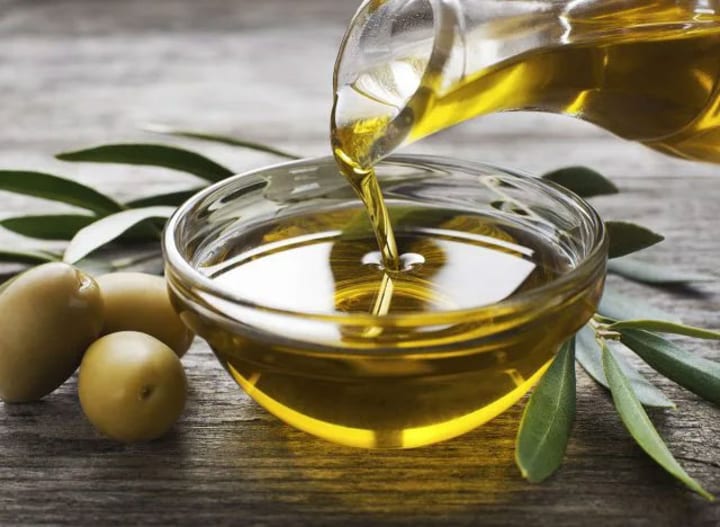
Olive oil is also rich in antioxidants called polyphenols including hydroxytyrosol and oleuropein (Photo: Internet)
Vitamin E, potassium and other anti-inflammatory substances found in olive oil also contribute to maintaining vascular health thanks to their anti-inflammatory properties and ability to control blood pressure and balance electrolytes in the body.
3. Oatmeal
Oats are particularly high in antioxidants, especially when they are whole, along with other beneficial plant compounds called polyphenols. One unique group of antioxidants found in oats is avenanthramides, which increase the production of nitric oxide, which helps dilate blood vessels and improve blood flow.
The beta-glucan fiber in oats has been shown to reduce both total cholesterol and bad cholesterol circulating in the blood vessels, protect blood vessels from oxidation, and reduce inflammation.
4. Corn
Corn is a rich source of nutrients, especially antioxidants such as vitamin C, vitamin E and carotenoids and anti-inflammatory compounds such as polyphenols and flavonoids that may help improve blood vessel health.
Corn is rich in folic acid, potassium, and fiber, all of which help reduce the risk of vascular disease by lowering homocysteine levels in the blood, reducing pressure on blood vessel walls, improving the contractility (elasticity) of blood vessels, thereby promoting cardiovascular health.
5. Eggplant
Eggplants contain a variety of antioxidants, including anthocyanins, which help reduce the risk of plaque buildup in the blood vessels that can cause atherosclerosis and clogged arteries. Chlorogenic acid found in eggplants is an antioxidant that not only helps prevent cancer, but also has antibacterial, antiviral properties and helps reduce bad cholesterol levels.
In addition, fiber, potassium, vitamin C, and vitamin B6 all help support and enhance cardiovascular health, reducing the risk of arteriosclerosis, according to a 2013 study on NCBI.
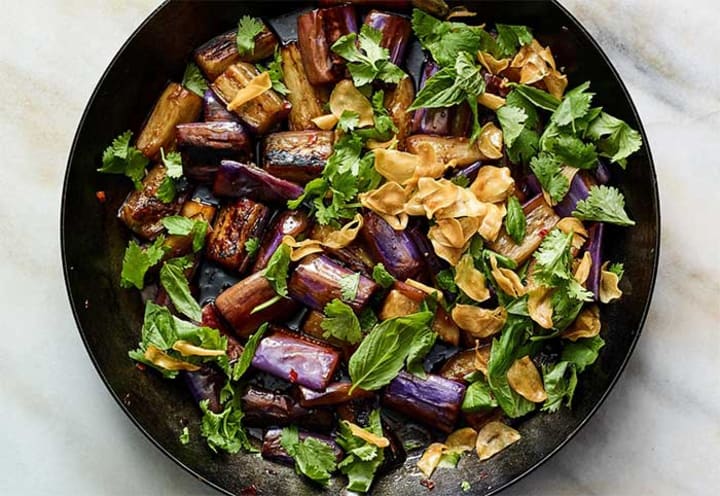
Eggplant is also rich in vitamin P, which has the effect of softening blood vessels, enhancing blood vessel elasticity, reducing capillary permeability and preventing capillary bleeding.
6. Broccoli
Broccoli is considered a "blood vessel cleansing" food thanks to its rich flavonoids - which not only prevent inflammation but also prevent oxidation, prevent blood clotting and reduce the risk of heart disease.
Broccoli family members that have been shown to improve blood vessel health include kale, spinach, and cabbage.
7. Carrots
Carrots have the effect of removing toxins from the blood vessels indirectly thanks to the effects of antioxidants and vitamin A, which improve liver function and stimulate the production of liver bile pigments - the organ that helps remove toxins from the body. However, removing these toxins requires a combination of the liver, kidneys and digestive system.
A new study in NCBI found that people with high levels of carotenoids in their blood were less likely to have atherosclerosis, which could help reduce their risk of cardiovascular disease. Carrots provide a good amount of vitamin A, the antioxidant beta-carotene, and vitamin C, all of which may help improve heart health.
8. Onion
Onions are an excellent source of flavonoid antioxidants, which benefit heart health by helping your arteries and veins become more elastic as blood flow increases. Prostaglandin A in onions can help dilate blood vessels, reduce blood viscosity, lower blood pressure, and also have lipid-lowering and anti-arteriosclerotic effects.
Onions also have anti-inflammatory properties that help reduce blood vessel inflammation, thereby effectively promoting heart health.
9. Garlic
Garlic is well known for its positive effects on the circulatory system and cardiovascular health thanks to sulfur compounds including allicin that promote increased blood flow to tissues, relax blood vessels and contribute to lower blood pressure.
According to Healthline, in a study of 42 people with coronary artery disease, consuming a garlic powder capsule containing 1,200 mg of allicin twice daily for 3 months improved blood flow through the brachial artery by up to 50% compared to the placebo group.
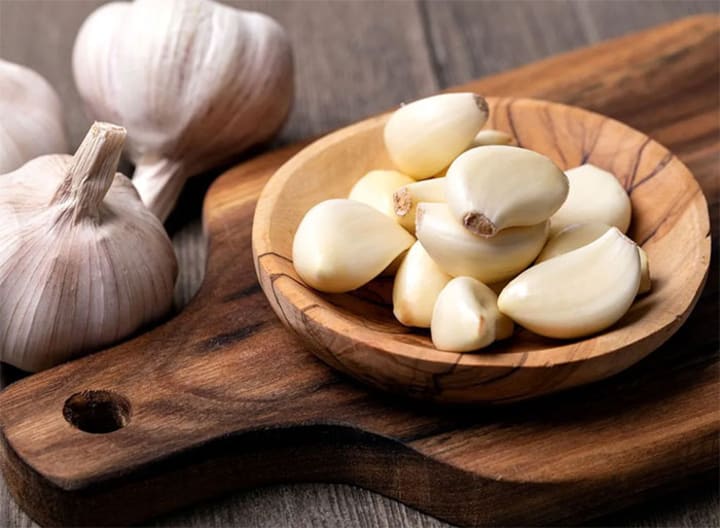
Garlic is famous for its positive effects on the circulatory system and cardiovascular health.
In addition to the above foods, some other foods that can help increase blood flow and circulation include pomegranate, cinnamon, beets, turmeric, green leafy vegetables, citrus fruits, tomatoes, berries, ginger...
In general, in addition to eating foods that are good for blood vessels, to better protect blood vessels, you need to have a healthy and adequate rest and exercise regimen; limit eating foods rich in saturated fatty acids that increase bad cholesterol levels in the blood as well as promote arteriosclerosis.
About the Creator
HK Decor
Telling stories my heart needs to tell <3 life is a journey, not a competition
If you like what you read, feel free to leave a tip,I would love some feedback
https://s.shopee.vn/7fFUMxnnBx?share_channel_code=8
FridaBaby Faces Backlash Over Alleged Sexualized Marketing of Infant Products
The baby-care brand FridaBaby, known for products such as the NoseFrida nasal aspirator and infant thermometers, is facing a surge of online backlash following the resurfacing of old marketing materials featuring suggestive and sexualized language. Social media users have widely circulated screenshots of posts and product packaging, criticizing the brand for content deemed inappropriate for items designed for infants.
By Story Prismabout 18 hours ago in Longevity
from death into life
Young Aldin of Wiloh had never contemplated death. It was almost strange — so many around him had the tendency to obsess over it, to clamor and claw almost desperately at their own perceptions of the end to know death as much as they could: when it would come, why it would come, where it would take them when it did.
By angela hepworth5 days ago in Fiction




Comments
There are no comments for this story
Be the first to respond and start the conversation.